The Portland Oregon Housing Market is doing something that, on paper, should not be happening.
We are sitting at roughly 3 months of inventory, which in a normal cycle should point to a strong seller's market. Traditionally, that kind of supply means homes move fast, buyers compete hard, and sellers stay in control. But that is not what is happening right now.
Instead, nearly 39% of active listings are taking price reductions. Homes are lingering. Buyers are hesitating. Sellers are entering the market with old expectations and running into a very different reality. It is a paradox, and it is one of the biggest reasons the Portland Oregon Housing Market feels so confusing in 2026.
The old rules of supply and demand have not exactly disappeared, but they are being overpowered by something else: buyer psychology. Fear of missing out is gone. Buyers are no longer rushing to grab anything they can. They are choosy, patient, and increasingly unwilling to pay top dollar for anything that feels average.
Table of Contents
- Reason 1: The Great Buyer Strike
- Reason 2 : Why Price Reductions Are Spiking
- Reason 3 : Interest Rates and Global Pressure
- Reason 4 : The Rise of Second Chance Sellers
- Reason 5 : Portland Is Not One Market
- Reason 6 : The Concessions War Is Back
- Reason 7 : Price Range Matters More Than Ever
- Reason 8 : What Happens Next in the Portland Oregon Housing Market
- Portland’s Reputation vs What the Housing Market Is Actually Doing
- What Smart Buyers and Sellers Should Take Away
- FAQs: Portland Oregon Housing Market
Reason 1: The Great Buyer Strike
The biggest shift in the Portland Oregon Housing Market is not inventory. It is mindset.
Buyers today are acting completely differently than they did during the frenzy years. Back then, people would forgive a lot. Dated finishes, deferred maintenance, strange paint colors, clutter, worn carpet, minor odors, awkward floor plans. If inventory was tight enough, people still wrote offers.
Not anymore.
Today, buyers feel like they are paying premium prices and high monthly payments because of interest rates. That means they expect a home to feel worth it the second they walk in. Average condition is no longer good enough in many parts of the market.
This is where seller strategy matters. Right now, selling is both a price war and a beauty contest. The homes that are polished, staged, neutralized, deep-cleaned, and fully show-ready are the ones getting attention. The homes that feel unfinished or neglected are being ignored, even if overall inventory remains low.
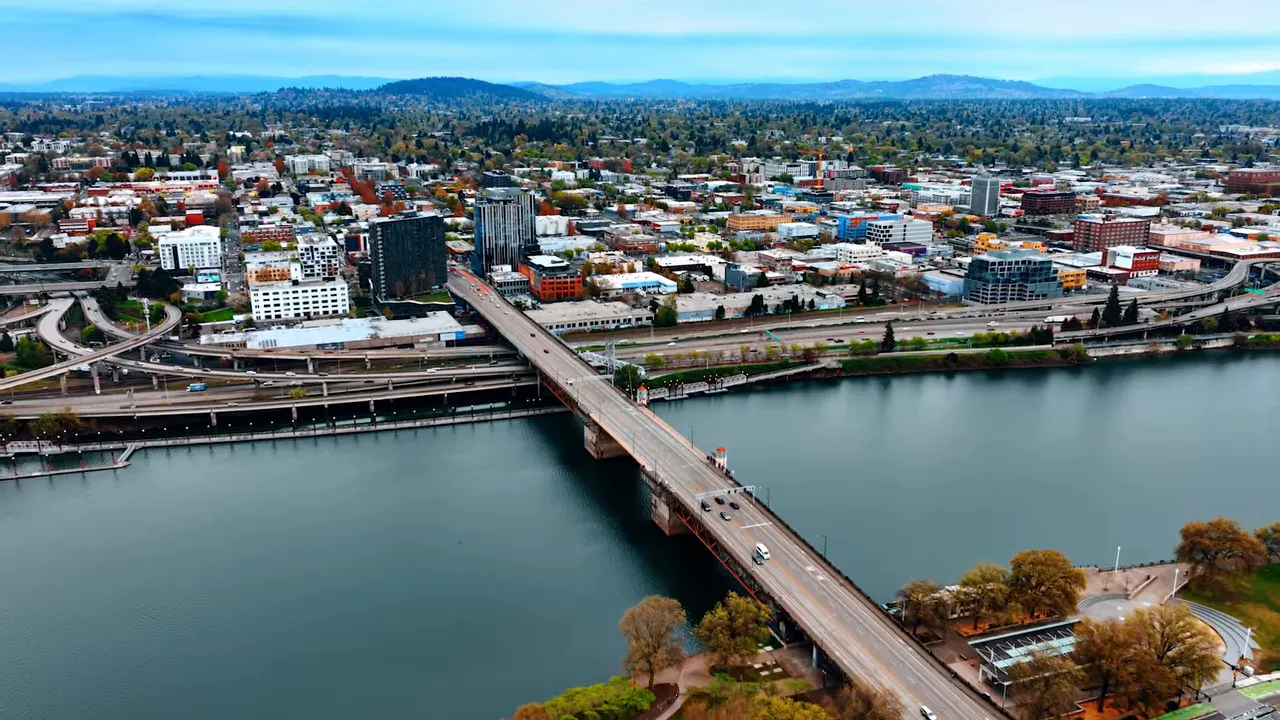
For sellers, that means:
- Consider professional staging
- Use neutral paint colors
- Handle obvious repairs before listing
- Eliminate smells, dirt, and clutter
- Be fully prepared for showings from day one
If that work does not happen upfront, the penalty can be steep. Longer market times. Bigger price cuts. And deals that fall apart during inspection because buyers simply move on instead of negotiating through problems.
For buyers, this cuts both ways. The best homes still go fast. In the Portland Oregon Housing Market, a dialed-in listing in the right location and at the right price can still attract multiple offers. So yes, buyers have more leverage than before, but only on the homes that are giving them a reason to negotiate.
Reason 2: Why Price Reductions Are Spiking
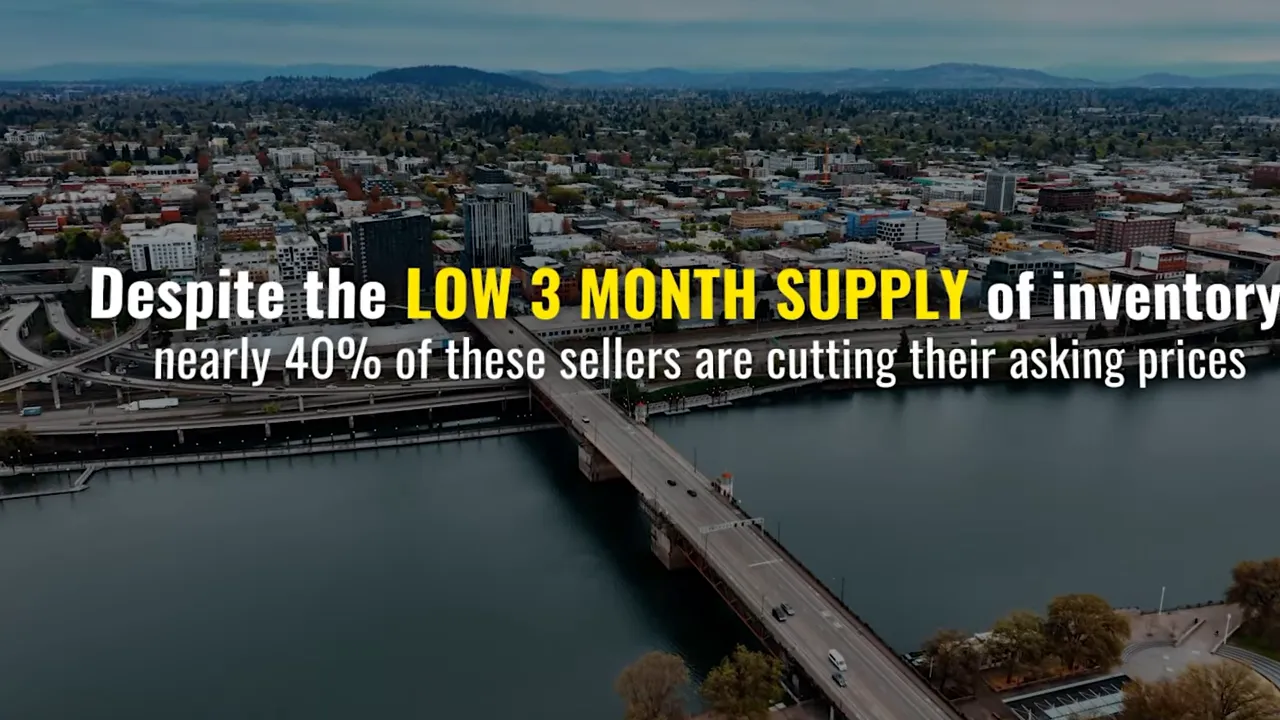
One of the strangest stats in the current Portland Oregon Housing Market is the number of sellers cutting their prices.
With inventory around 3 months, you would normally expect sellers to be pushing pricing upward. Instead, a huge share of listings are reducing. The average sales price has softened from around $600,000 to $594,000, and total market time is sitting around 79 days.
That tells you something important: list price is often just a starting point right now.
Many sellers are entering the market with expectations shaped by last year or by the headlines, but buyers are behaving more cautiously. The market is forcing a reset. Unless a property is in one of the faster-moving micro markets, sellers cannot assume that the first number they pick will be the number the market accepts.
This is why pricing strategy in the Portland Oregon Housing Market matters more than ever. Overpricing does not create negotiating room in this environment. It usually creates staleness. Once a listing sits, buyers start wondering what is wrong with it.
A home can absolutely still sell well, but it has to come out of the gate aligned with what buyers are willing to pay today, not what a seller wishes they could have gotten in a hotter market.
Reason 3: Interest Rates and Global Pressure
A lot of people ask the same question: if prices are softening in parts of Portland, why are more buyers not jumping in?
The answer comes back to rates.
Mortgage rates have been stuck in a frustrating range, largely because global instability is keeping financial markets on edge. Inflation still matters, of course, but right now broader geopolitical issues and energy concerns are helping keep rates elevated. That uncertainty makes buyers cautious and keeps affordability under pressure.
In practical terms, buyers in the Portland Oregon Housing Market are doing a lot of waiting. They are hoping for a dip in rates, but many are also realizing that life cannot stay paused forever. At the same time, sellers do not want to give up their old 3% mortgage unless they have a compelling reason to move.
That creates a lock-in effect on both sides:
- Sellers hesitate to move because their current financing is so favorable
- Buyers hesitate to buy because the new payment feels expensive
- The market stays active, but not aggressive
This is one of the core reasons the Portland Oregon Housing Market feels frozen and active at the same time.
Reason 4: The Rise of Second Chance Sellers
Another force driving the current market is what I think of as second chance sellers.
These are homeowners who tried to sell last fall or winter and got nowhere. They pulled back, waited, hoped rates would improve, and now they are realizing they need to move forward anyway. So they are listing again, not because conditions are perfect, but because their plans cannot stay on hold forever.
This adds inventory, but it also adds emotion. Some of these sellers are realistic and strategic. Others are still anchored to prices that the market no longer supports.
That is where local data becomes critical. Automated estimates can be wildly off. In one case, an online estimate came in so low that the seller could actually get around $100,000 more than the algorithm suggested. In another, the estimate was far too high for what the local comparable sales supported.
The lesson is simple. In the Portland Oregon Housing Market, algorithmic pricing can mislead both ways. A computer cannot walk through a home, sense the street, compare the condition, or understand the true strength of a specific pocket.
That matters because this is a market of nuance. A seller who prices from a Zestimate instead of real local comps can waste precious time and miss the window that matters most.
Reason 5: Portland Is Not One Market
If there is one idea that explains almost everything happening in the Portland Oregon Housing Market, it is this: Portland is a collection of micro markets.
Broad metro data tells part of the story. It never tells the whole story.
Lake Oswego: the luxury fortress
Take Lake Oswego. In April 2026, the median list price in the 97034 zip code climbed to over $1.8 million. The market action index was around 31, still signaling seller advantage. Even with inventory increasing slightly, only about 25% of sellers were taking price reductions there, far below the metro-wide rate near 40%.
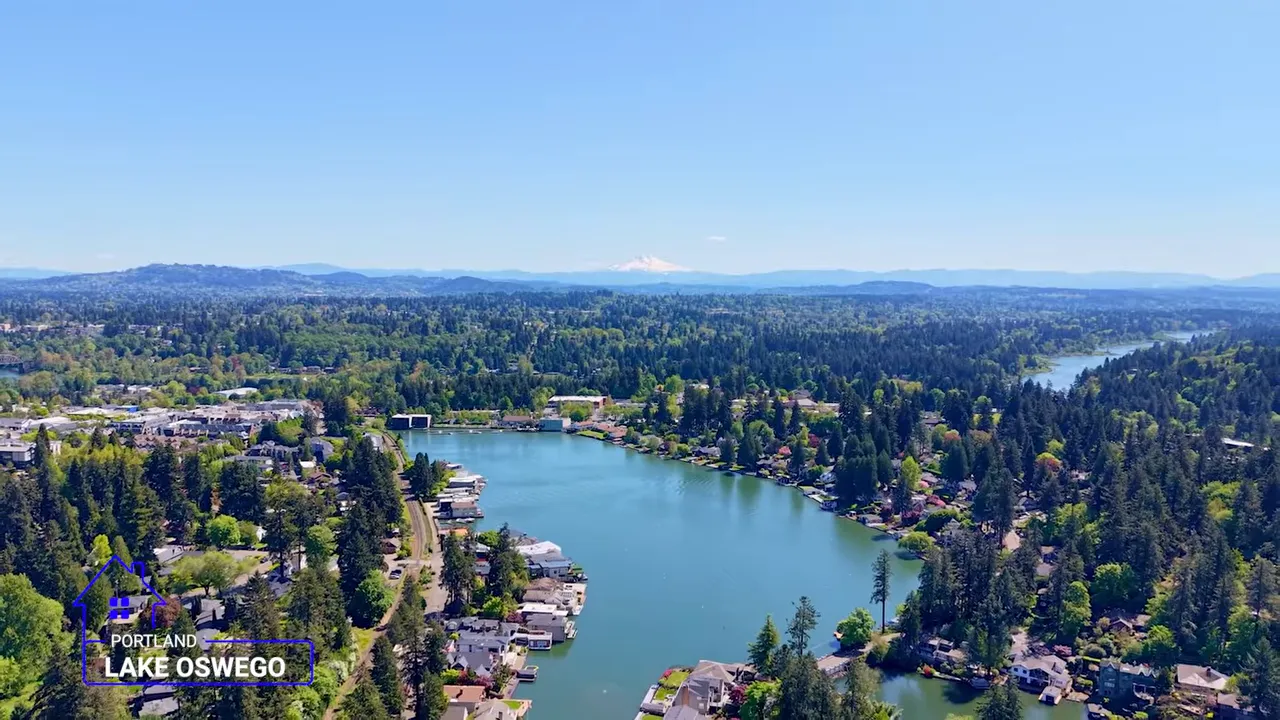
That tells you Lake Oswego is operating under a different set of rules. The good homes are moving quickly, and buyers cannot bring a general Portland negotiation strategy into that market and expect it to work.
Milwaukie: hot, but more rate-sensitive
Now compare that with Milwaukie, especially the 97222 zip code. The median list price is around $550,000, but the market action index is sitting at a striking 48. That is a very strong seller's market by technical standards.
And yet, about 46% of sellers there have taken price decreases.
That sounds contradictory until you understand the buyer profile. At that price point, monthly payment sensitivity is high. Buyers are watching rates closely and demanding value. So even in a market with strong demand, sellers still have to price correctly. Median days on market around 28 days show that homes can move quickly, but only if they hit the market right.
This is the heartbeat of the Portland Oregon Housing Market right now. Strength in one zip code can coexist with hesitation in another. You cannot make a smart decision based on citywide averages alone.
Reason 6: The Concessions War Is Back
Behind the scenes, one of the biggest stories in the Portland Oregon Housing Market is concessions.
Sellers are helping buyers more than they have in many years. Even when a home is not officially dropping its list price, the seller may still be contributing thousands of dollars toward closing costs or interest rate buydowns just to get the deal together.
Concessions are showing up in a wide range, from a few thousand dollars to $20,000 or more. And new construction is pushing those numbers even higher.
Builders are especially aggressive right now. In some cases, buyers are negotiating $25,000 to $35,000 in closing costs, plus design upgrades and favorable financing incentives through preferred lenders. That makes it very hard for resale homes to compete on pure numbers alone.
When you combine price cuts and concessions, buyers in Portland who purchased under list in the last 12 months saw an average discount of about 6.6% off the original asking price.
That is real negotiating power, and it has returned to the market in a meaningful way.
For sellers, the message is not that every home must give away money. The message is that unprepared homes almost certainly need to budget for negotiations. Homes that are priced right and presented beautifully can still avoid those concessions, especially if they generate interest immediately.
Reason 7: Price Range Matters More Than Ever
Another major mistake people make in the Portland Oregon Housing Market is assuming every price band behaves the same. It absolutely does not.
$500,000 to $650,000: the battlefield
This is the hottest segment in much of the metro area. It is the entry point for many buyers, and demand remains strong. Sellers in this tier often give less on price, terms, and concessions because buyer competition is still intense for well-located homes.
Buyers shopping here often need to be more forgiving about condition if they want to stay competitive.
$650,000 to $750,000: the move-up market
This range remains solid, especially for good homes in strong locations. Demand is healthy, though homes may take a little longer to sell than in the lower bracket. Pricing and presentation still matter, but sellers can do well when they understand their local competition.
Condos: buyer opportunity with extra risk
The condo segment has been one of the hardest-hit areas in the Portland Oregon Housing Market, both on pricing and days on market. There are deals here. In some cases, sellers are accepting prices below what they paid more than a decade ago.
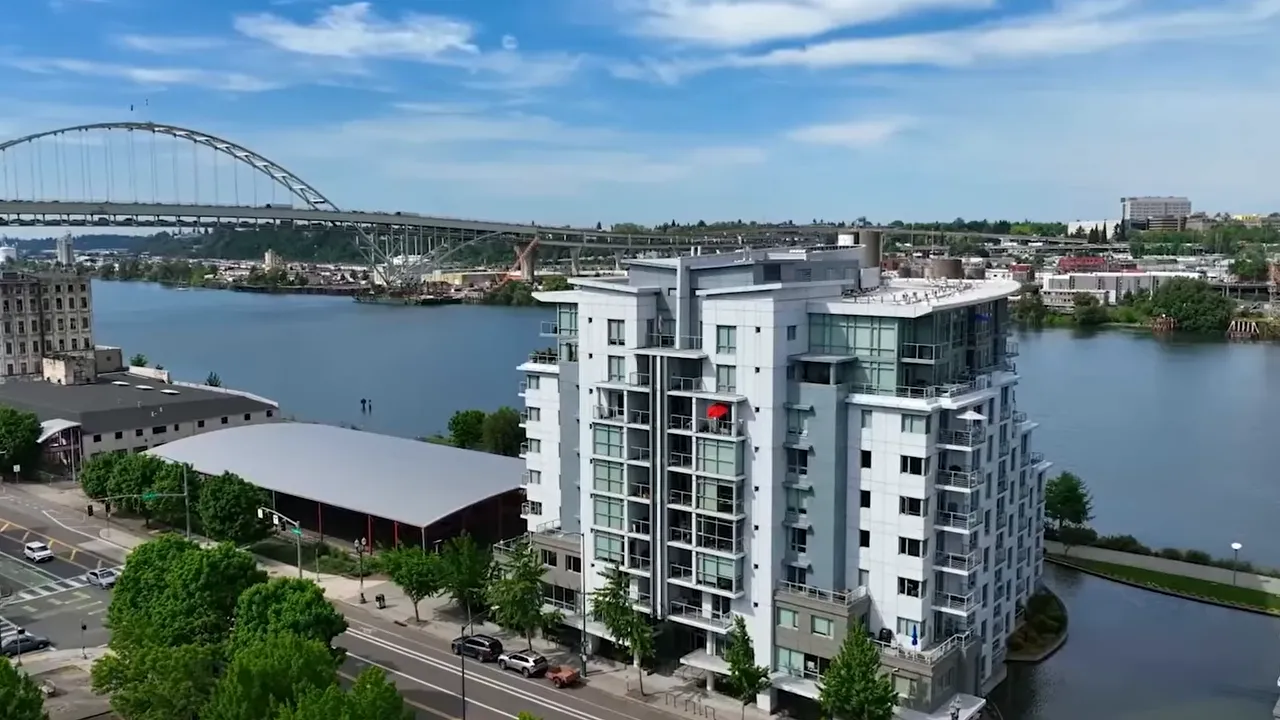
But condos require careful due diligence. The apparent bargain is only part of the equation. The association, financials, reserves, building condition, and neighborhood dynamics all matter. This is not the part of the market to approach casually.
$800,000 to $1,000,000: the picky buyer tier
This is where buyer psychology shifts hard. Buyers in this bracket have enough budget flexibility to be patient. They are usually unwilling to overpay and often insist on the right combination of condition, size, and location. Some listings in this range stagnate because buyers simply wait for something better.
Meanwhile, new construction is highly motivated to attract this group with incentives.
$1,000,000 and up: location rules everything
Once you cross the million-dollar threshold, the conversation becomes less about the house alone and more about the location. In some premium areas, even a budget above $1 million is still just an entry point.
Lake Oswego is a perfect example. In that market, buyers over $1 million can still face multiple offers and strong competition, especially if they are targeting a specific neighborhood or school pattern. That means even luxury buyers may need to compromise on condition to secure the right location.
Reason 8: What Happens Next in the Portland Oregon Housing Market
So where does this leave the Portland Oregon Housing Market for the rest of 2026?
The cleanest answer is this: expect variation, not collapse.
As of late April, spring activity is vibrant. Buyer traffic is the strongest it has been in about three years, and showings are up across the metro. People are tired of waiting. That is real. But at the same time, global pressure is keeping mortgage rates pinned roughly in the 6.3% to 6.5% range, and that limits how aggressive buyers can be.
For the next 90 days, several things stand out:
- Buyers have peak selection right now, before the summer slowdown reduces choices
- Home values look more stable than sensational headlines suggest, with many areas showing 3% to 5% stabilization rather than a crash
- Micro markets will keep pulling apart, with some neighborhoods staying strong while others soften
- Condos in the downtown core may continue to offer the deepest discounts, while areas like Milwaukie and Lake Oswego remain much tighter
One of the most important mindset shifts right now is giving up the fantasy of a perfect rate environment. Many buyers are still waiting for 4% mortgage rates to magically return. That may not happen anytime soon. The better question is whether a specific property, in a specific location, can be negotiated into a deal that works for your goals.
Portland’s Reputation vs What the Housing Market Is Actually Doing
No honest discussion of the Portland Oregon Housing Market is complete without addressing the larger conversation around the city itself.
Yes, Portland has taken national criticism. Yes, parts of the downtown core have struggled with business losses, commercial real estate decline, homelessness, and crime. In some neighborhoods, especially parts of the urban core and certain condo-heavy areas, those issues are affecting values and buyer demand in very real ways.
But that is not the whole story.
Portland is proving to be highly resilient, especially outside the downtown core. The migration pattern has shifted. People are still moving to the region, but they are doing it more selectively. Families are prioritizing suburbs and stable pockets where lifestyle, schools, taxes, and day-to-day peace line up more clearly with what they want.
Areas like Lake Oswego, Tigard, and parts of Washington County continue to benefit from that shift. In other words, the Portland Oregon Housing Market is not broken. It is transitional. And the transition is highly local.

That is why broad narratives can be so misleading. You cannot just look at a map of Portland and know the risk, value, or opportunity. In this market, sometimes the vibe changes from one street to the next, and sometimes the tax picture, school access, or commute changes the math more than the list price itself.
What Smart Buyers and Sellers Should Take Away
The Portland Oregon Housing Market is strange, but it is not random.
There is a pattern underneath the paradox:
- Low inventory is being offset by cautious buyer behavior
- Homes that feel average are being punished
- Homes that are priced right and fully prepared are still performing well
- Concessions have become a major negotiating tool
- Price range and neighborhood matter more than citywide data
- Waiting for perfect conditions may cost more than acting strategically now
For sellers, this is a market that rewards honesty, preparation, and precision.
For buyers, this is a market that can offer leverage, but only if you understand where that leverage actually exists.
That is the key to reading the Portland Oregon Housing Market right now. Stop treating it like one story. It is many stories happening at the same time.
Portland buyers and sellers: if you want to stop guessing and start negotiating from a position of strength, I’m here to help. Whether you’re preparing to list or searching for the right home in the right micro market, call or text me anytime at 503-804-1466.
Quick next step: reach out and tell me your goals (sell timeline, target neighborhoods, and budget). I’ll help you map out what to do next—so you don’t leave money on the table.
FAQs: Portland Oregon Housing Market
Is the Portland Oregon Housing Market a buyer’s market or a seller’s market?
It depends on the neighborhood, price point, and condition of the home. Broadly, inventory is still relatively low, which normally supports sellers. But buyer hesitation, price sensitivity, and high rates are giving buyers more negotiating power than the supply numbers alone would suggest.
Why are so many homes in Portland cutting their prices?
Many sellers are pricing based on outdated expectations. Buyers are far more selective now and often reject homes that are overpriced, dated, or not move-in ready. In this market, the wrong list price can quickly lead to reductions.
Are buyers getting concessions in the Portland Oregon Housing Market?
Yes. Concessions are one of the biggest trends right now. Sellers are helping with closing costs, rate buydowns, and other incentives, and new construction is especially aggressive with these offers.
Which areas are stronger right now, Portland or the suburbs?
Many suburban pockets are outperforming the broader metro trend. Places like Lake Oswego, Tigard, and parts of Washington County are seeing more stable demand, while some condo-heavy or downtown-adjacent areas are under more pressure.
Should buyers wait for lower interest rates before purchasing?
That depends on personal goals, but waiting for dramatically lower rates may not be the best strategy. A better approach may be finding the right property, negotiating well, and taking advantage of concessions available now.
Are Portland home values crashing in 2026?
No broad crash is showing up in the data discussed here. What is happening looks more like stabilization, with some areas flat, some slightly down, and others still rising. The market is uneven, not collapsing.
Read More: 12 Things You Must Handle Before Moving to Portland, Oregon