When people start searching for the best areas to buy in Portland, they often make the same mistake. They fall in love with a gorgeous house before they get clear on the lifestyle that comes with it.
That is backwards.
At the upper end of the Portland market, you are not just buying square footage, a view, or a prestigious address. You are choosing your daily rhythm. Do you want lake access and polished suburbia? Historic architecture and walkability? Privacy behind gates on acreage? A newer turnkey home with trails outside your door and a fast route to the tech corridor?
The best areas to buy in Portland are not all competing with each other. They serve very different kinds of buyers, routines, and priorities. Once you understand that, the search gets much easier and much smarter.
Table of Contents
- Why Lifestyle Matters More Than the Listing
- Lake Oswego: The Polished Lifestyle Standard
- Northwest Portland: History, Style, and City Energy
- Dunthorpe: Portland's Legacy Estate Lane
- West Linn: Space, Views, and Modern Suburban Luxury
- Southwest Portland: Forest Living Close to the Core
- Eastmoreland: Timeless Eastside Prestige
- Forest Heights: Turnkey Luxury in a Master-Planned Setting
- How to Choose Among the Best Areas to Buy in Portland
- FAQ
Why Lifestyle Matters More Than the Listing
In the luxury market, location is not just about resale. It is about fit.
A stunning property in the wrong neighborhood can still be the wrong purchase. We always tell clients to think beyond the finishes and ask a different set of questions:
- How close do we want to be to downtown?
- Do we want a walkable routine or a private retreat?
- Are schools a primary driver, or simply a baseline expectation?
- Do we care more about acreage, architecture, views, or access?
- Do we want old-world charm or modern functionality?
That is the lens we should use when evaluating the best areas to buy in Portland. Portland luxury is not one lane. It is several distinct lanes, each with its own personality and value proposition.
Lake Oswego: The Polished Lifestyle Standard
If we had to name the gold standard for polished, lifestyle-driven luxury, Lake Oswego is it.
Yes, the top-rated schools matter. For many families, that is the initial draw. But in the luxury segment, excellent schools are often just the baseline. The real story is the lifestyle.
Lake Oswego sits about eight miles south of downtown Portland along the west bank of the Willamette River, built around the 405-acre Oswego Lake. The city is landlocked, bordered by Dunthorpe to the north and West Linn to the south. That matters more than people realize.
Because there is no real room for outward sprawl, every acre is spoken for. That finite supply is one of the reasons the market tends to stay so resilient. In 2026, the median list price is around $1.79 million, and buyers hoping for a dramatic price drop are usually waiting for something that is unlikely to come.
Who Lake Oswego works for:
We typically see two main buyer profiles here:
- Family-focused buyers who want parks, sports, strong academics, and a safe community-centered environment.
- Lifestyle buyers who want lake culture, prestige, and the kind of daily experience that commands a premium, often well above $2 million.
The Real Secret: Lake Rights And Micro-Locations
In Lake Oswego, the smartest purchase is not always the biggest house. It is often the one with the best access.
If a property is not directly on the water, buyers need to pay close attention to lake easements, Lake Corp rights, and boat access. Those details can completely change the value of a home and the lifestyle attached to it.
There are also very different micro-markets inside Lake Oswego itself.
First Addition appeals to buyers who want a more walkable, in-town feel. You are close to boutique shopping, dining, and the farmers market, but still wrapped in a suburban sense of security.
Then there is the new construction lane, where buyers want a Lake Oswego address paired with 4,000 to 5,000 square feet, soaring ceilings, smart-home integration, and a home designed around modern luxury expectations.
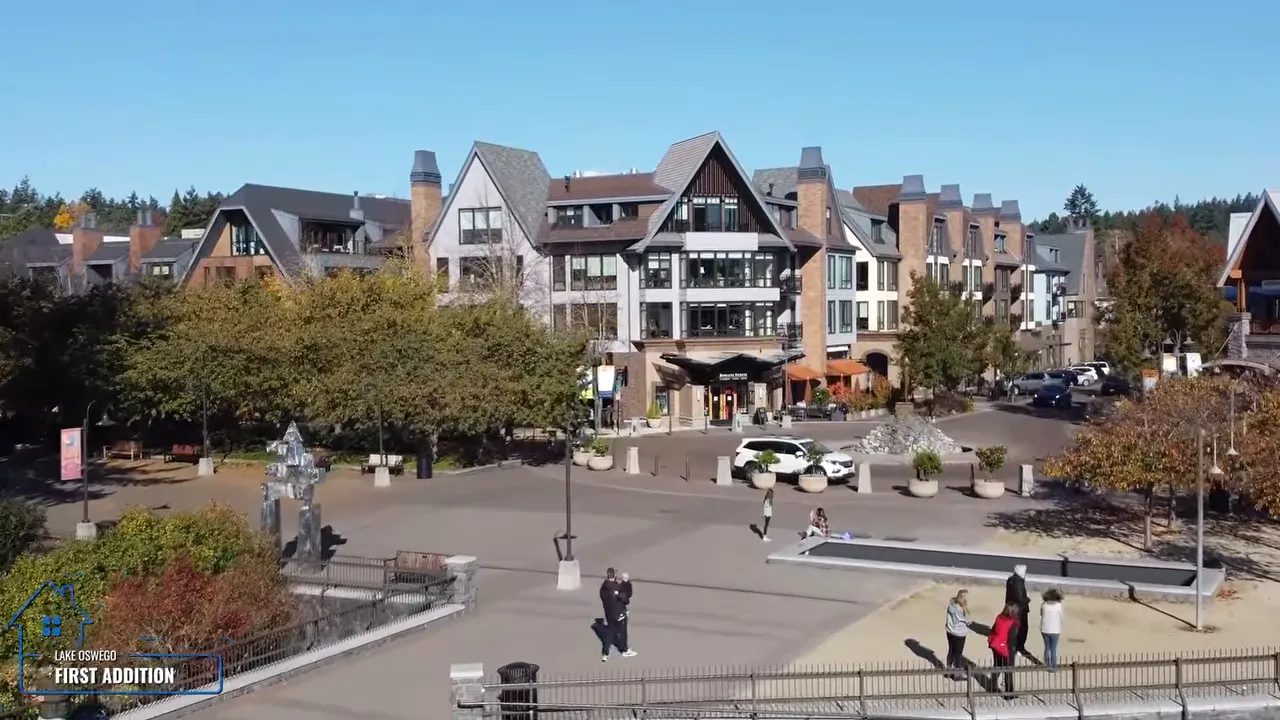
For many people searching the best areas to buy in Portland, Lake Oswego becomes the benchmark. It is close enough to downtown for a dinner in the Pearl, but once you are home, the atmosphere shifts completely.
Northwest Portland: History, Style, and City Energy
If Lake Oswego is polished, Northwest Portland is sophisticated.
This is where Portland’s history meets its design-forward urban lifestyle. To understand Northwest Portland, we have to understand the geography of the West Hills. The area stretches north from Burnside between the Willamette River and Forest Park, creating a city-to-forest transition that feels distinctively Portland.
Two different Northwest lifestyles
Northwest Portland really breaks into two experiences.
The flatlands, including the Alphabet District and Nob Hill, are walkable, dense, and layered with historic Victorians, boutiques, storefronts, and coffee shops. This is the choice for someone who wants to step out the front door and be in the mix.
The hills, including areas like King Heights and Willamette Heights, offer a completely different routine. As the elevation rises, the street grid gives way to winding roads, forest edges, and dramatic vantage points. You are still minutes from downtown, but you feel tucked above it all.
That is why Northwest Portland deserves a spot among the best areas to buy in Portland. It gives buyers a choice between urban energy and elevated seclusion without leaving the city.
Dunthorpe: Portland's Legacy Estate Lane
If Lake Oswego is the standard for lifestyle, Dunthorpe is the standard for legacy.
This is Portland’s true estate market. When buyers want discretion, acreage, and a home that feels like a private world, Dunthorpe is in a category of its own.
Geographically, Dunthorpe sits on the west bank of the Willamette River about seven miles south of downtown, between Portland and Lake Oswego, near Tryon Creek Natural Park. It is not actually an incorporated city. It is an unincorporated pocket of Multnomah County, and that contributes to its quiet, wooded, low-profile character.
In 2026, the median sales price is roughly $2.3 million, with trophy estates often listed above $5 million. Inventory is usually extremely tight, sometimes fewer than a dozen homes at a time, which means off-market relationships and patience matter here.
Why Dunthorpe commands respect
- Large private lots, often gated
- Historical estates with updated systems and finishes
- Room for pools, tennis courts, and guest houses
- Convenient access to both downtown Portland and Lake Oswego
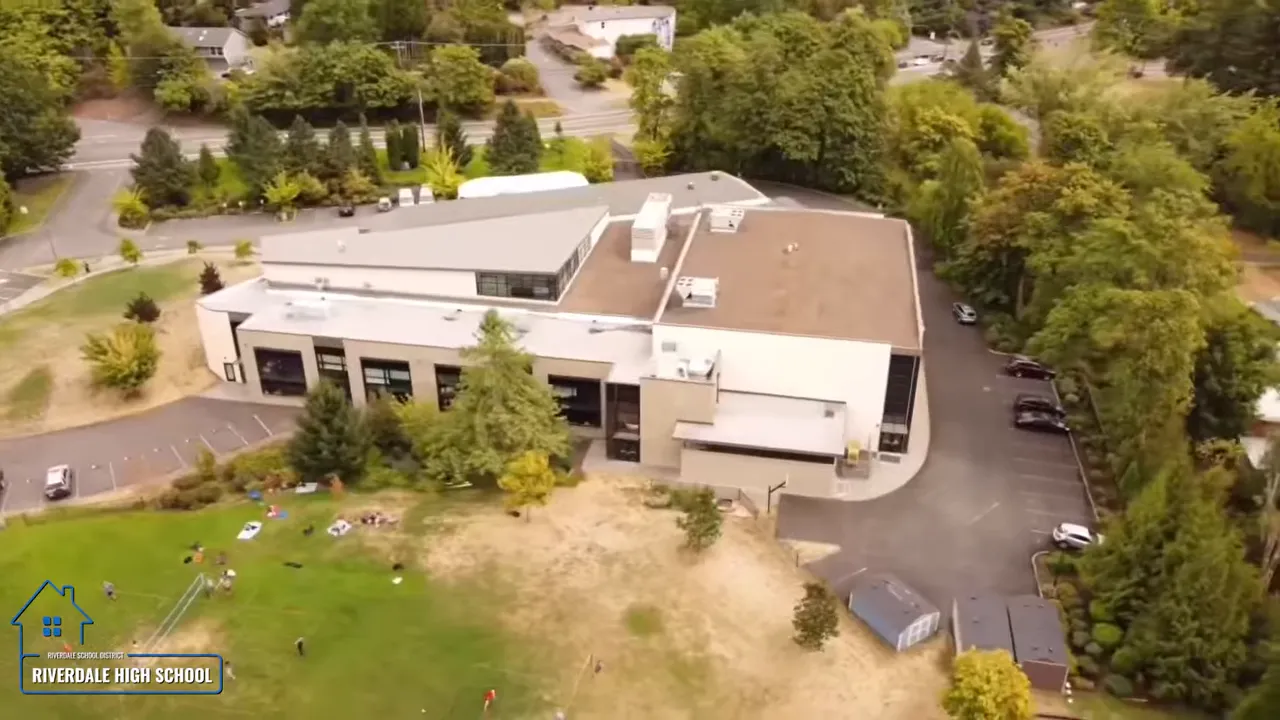
- Access to the highly regarded Riverdale School District
Dunthorpe is ideal for the buyer who wants to be ten minutes from the city but not see a neighbor from the breakfast table.
That said, buying here requires a very disciplined due diligence process. Many properties are older estates, and the dream can come with hidden maintenance needs if you are not careful. Structural integrity, systems, updates, and long-term ownership costs all deserve close attention.
West Linn: Space, Views, and Modern Suburban Luxury
For buyers who love privacy and space but want something a bit more modern than Dunthorpe, West Linn deserves serious attention.
Located on the southern edge of the Portland metro, across the river from Oregon City, West Linn offers an easy route into downtown via I-205 or Highway 43. It is close enough for city obligations, but it feels very much rooted in its own landscape.
West Linn is often called the city of hills, trees, and rivers, and that geography shapes everything about living here. The overall median home price sits around $880,000, but the luxury tier operates in a very different bracket.
Stafford: close-in countryside
If you want the pinnacle of West Linn luxury, the Stafford area is the conversation.
This is where multi-acre estates, large custom homes, and sweeping Mount Hood views start to define the market. It is also home to the Oregon Golf Club. Spending $1.5 million to $3 million or more here makes sense for buyers seeking a level of privacy that is increasingly hard to replicate.
One of the biggest surprises about Stafford is how convenient it is. You can feel surrounded by serene farmland and still be just minutes from practical daily amenities like high-end grocery stores and Costco.
Barrington Heights: prestige with a neighborhood feel
Not everyone wants raw acreage. Some buyers want prestige in a more cohesive neighborhood setting. That is where Barrington Heights stands out.
Built largely in the 1990s, many of these homes are custom and carry a scale and grandeur that newer developments sometimes miss. For families wanting an elevated community feel, this is one of the most coveted addresses in West Linn.
For many households comparing the best areas to buy in Portland, West Linn becomes the answer when they want more land, a suburban environment, and luxury that still feels practical.
Southwest Portland: Forest Living Close to the Core
If your goal is to stay in the city but feel like you live in a forest retreat, Southwest Portland is your lane.
Specifically, the Southwest Hills offer one of the most compelling combinations in the region: immediate access to the urban core with a private, wooded, elevated setting. The area sits directly south and west of downtown, bordered by the Willamette River and the West Hills.
The luxury proposition here is not just the home. It is the vantage point.
Median luxury home prices are around $1.2 million, but premier estates with panoramic city-light views and Cascade views can go significantly higher. This is a quieter and more residential version of luxury than Northwest Portland. There is less bustle, more privacy, and streets framed by old-growth trees.
It is especially compelling for buyers who want quick access to places like OHSU or Nike while keeping their day-to-day home life tucked away.
Due diligence matters in the hills
In Southwest Portland, land is both the value driver and the risk factor. Buyers need to look carefully at:
- Slope and stability
- Drainage
- Site access
- Long-term maintenance implications
With hillside properties, we do not just evaluate the floor plan. We evaluate the lot itself. That can make all the difference.
Eastmoreland: Timeless Eastside Prestige
For buyers who want old-world Portland, Eastmoreland is the classic answer.
Located in Southeast Portland about five miles south of downtown, just north of Sellwood and near Reed College, Eastmoreland offers a traditional neighborhood feel with easy access to some of the Eastside’s most appealing amenities.
This neighborhood was shaped by early 20th-century City Beautiful planning principles, and you can feel it. Wide winding boulevards, a dense canopy of mature trees, and some of the most beautiful architecture in the Pacific Northwest all give Eastmoreland an established, rooted elegance.
What defines Eastmoreland
- 1920s Tudors
- Grand colonials
- English cottages
- Strong architectural identity
- Strictly residential atmosphere
In 2026, Eastmoreland remains stable because these homes function as legacy assets. Owners often stay five, ten, even twenty years. There are no commercial strips inside the neighborhood, which creates a peaceful, almost gated feel without actual gates.
Among the best areas to buy in Portland, Eastmoreland stands apart for buyers who care deeply about craftsmanship, permanence, and Eastside character.
Forest Heights: Turnkey Luxury in a Master-Planned Setting
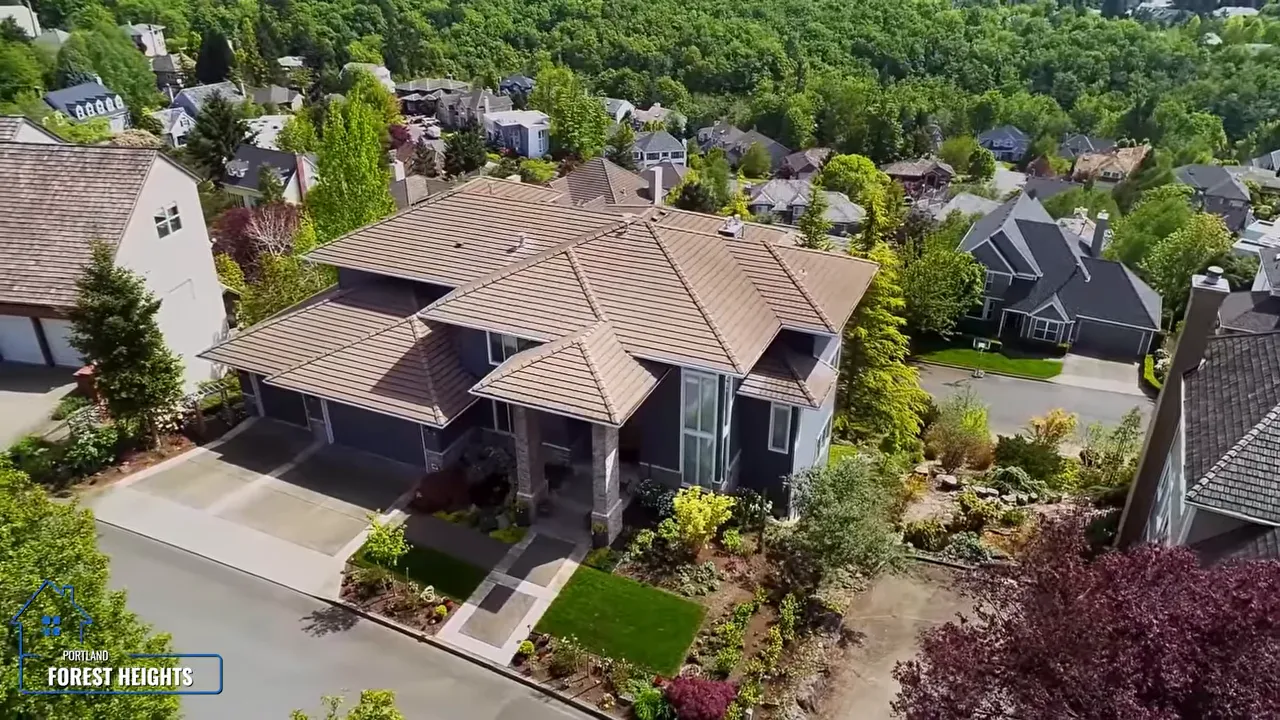
If your priority is newer, more turnkey luxury with high standards and nature integrated into daily life, Forest Heights is probably on your shortlist.
Located in the Northwest Hills about 15 to 20 minutes from downtown, Forest Heights feels like a world above the city. It sits right near the city limits, giving buyers a blend of Portland prestige and practical proximity to Washington County and the tech corridor.
Developed largely in the 1990s and 2000s as a master-planned community, Forest Heights appeals to buyers who want what many older neighborhoods cannot always offer: functional grandeur.
- Open floor plans
- Grand entries
- Soaring ceilings
- Layouts designed for modern living
The median list price sits just over $900,000, while premier custom homes with major valley views often run between $1.5 million and $2.5 million.
Why the HOA matters here
In many neighborhoods, an HOA is just another bill. In Forest Heights, it is more of a lifestyle asset. The association manages more than six miles of private trails and around 200 acres of protected green space. That helps keep the community clean, organized, and visually consistent.
This is one reason Forest Heights remains a favorite among executives tied to Intel, Nike, and the broader Silicon Forest economy. There is even a neighborhood shuttle to Sunset Transit Center, which adds another layer of convenience.
The hidden variables that matter
Because Forest Heights is built into a ridge, small lot differences can have a big impact on daily life. Buyers need to pay attention to:
- Sun exposure
- Whether the lot has usable yard space
- Stair access versus easier entry
- How the home sits in relation to views and terrain
When buyers compare the best areas to buy in Portland for a modern, efficient luxury lifestyle, Forest Heights often checks a lot of boxes.
Ready to find the Portland luxury “lane” that fits your lifestyle? Call or text 503-804-1466 today to book a quick consult. We’ll help you narrow the best areas, spot the key due-diligence details, and move with confidence.
How to Choose Among the Best Areas to Buy in Portland
The right answer depends on the life you want to live once the keys are in your hand.
Here is the simplest way to narrow the field:
- Choose Lake Oswego if you want polished suburbia, elite schools, and lake-centered prestige.
- Choose Northwest Portland if you want history, design, and a choice between walkability and elevated city views.
- Choose Dunthorpe if privacy, acreage, and legacy estate ownership are the priority.
- Choose West Linn if you want space, convenience, and a more modern luxury suburban experience.
- Choose Southwest Portland if you want to stay close to the city but feel hidden in the trees.
- Choose Eastmoreland if classic architecture and timeless Eastside prestige speak to you.
- Choose Forest Heights if you want a newer turnkey home, managed community standards, and easy access to the tech corridor.
That is what makes these the best areas to buy in Portland. Each one is strong, but each one is strong for a different reason.
The biggest mistakes happen when buyers compare neighborhoods only by price per square foot or by how pretty the photos look online. Luxury buying in Portland requires a more strategic approach. Access rights, lot usability, topography, age of systems, neighborhood rhythm, and inventory patterns all matter.
Buy the house, yes — but more importantly, buy the right lane.
View Homes for Sale in Portland
FAQ
What are the best areas to buy in Portland for luxury buyers?
The strongest luxury areas highlighted here are Lake Oswego, Northwest Portland, Dunthorpe, West Linn, Southwest Portland, Eastmoreland, and Forest Heights. Each serves a different lifestyle, from lake living and walkability to acreage, privacy, historic architecture, and turnkey modern homes.
Which of the best areas to buy in Portland is best for families?
Lake Oswego and West Linn stand out for many families because of their community feel, strong school reputations, and suburban lifestyle. Dunthorpe is also highly attractive for families who want privacy and access to the Riverdale School District.
Which neighborhood is best for privacy and large estate properties?
Dunthorpe is Portland’s clearest estate lane. It is known for expansive lots, gated homes, legacy properties, and a quiet wooded setting very close to the urban core.
Where should we look for a more walkable luxury lifestyle?
First Addition in Lake Oswego and the Alphabet District or Nob Hill in Northwest Portland are the strongest choices for buyers who want walkability, shops, restaurants, and a more active street-level daily routine.
Which area is best for newer luxury homes in Portland?
Forest Heights is one of the top options for newer, turnkey luxury homes with modern layouts. Parts of Lake Oswego also attract buyers looking for high-end new construction in a prestigious zip code.
What should buyers pay close attention to besides the house itself?
It depends on the neighborhood. In Lake Oswego, lake easements and access rights matter. In hillside neighborhoods like Southwest Portland and Forest Heights, slope, drainage, lot usability, and access can be critical. In Dunthorpe and Eastmoreland, the age and condition of older estates deserve careful review.
Are the best areas to buy in Portland all in the same price range?
No. These neighborhoods vary widely. Lake Oswego has a median list price around $1.79 million, Dunthorpe around $2.3 million in median sales price, Forest Heights just over $900,000 in median list price, and luxury tiers in each area can rise much higher depending on views, land, access, and home quality.
READ MORE: Wealthiest Neighborhoods in Portland Oregon: Where Old Money Actually Lives