
Discover Murrayhill, Beaverton: Portland's OG Planned Community

Murrayhill is one of those Beaverton neighborhoods that just gets so many things right. You're far enough from the highways that you'll never hear them, but close enough that your commute to Nike or Intel is easy. You've got shopping, dining, parks, and trails all within a few minutes. And the yards, 7,000 to 9,000 square feet is pretty normal here, feel like a throwback to when builders actually had room to work with.

Murrayhill is one of Portland's OG planned communities, built in the early to mid-1990s and into the early 2000s. About 1,400 homes total, and they were designed with intention: mature landscaping, preserved green spaces, brick and real cedar siding, and amenities like pools and tennis courts that you just don't see in new construction unless it's 55+. This is quintessential Northwest suburban living, and people know the name.

Prices run from the high $700s to the $900s, with some homes over $1 million depending on size and updates. There are two HOAs, one for the community, one for the neighborhood, and you're paying for those pools, trails, and immaculate common areas. If you're relocating to the Portland area and you want a neighborhood that feels established, walkable in parts, and close to everything without being on top of the freeway, Murrayhill should be on your list.

Table of Contents

Murrayhill: Beaverton's Original Planned Community

Murrayhill proper sits in the heart of Beaverton, and when you say the name to locals, they know exactly what you're talking about. This is one of those neighborhoods with a reputation: mature trees, larger lots, and a level of pride of ownership that's hard to beat. The core area has about 1,400 homes, and the outlying sections bleed into Progress Ridge and Sexton Mountain, but the heart of Murrayhill is what we're focusing on here.

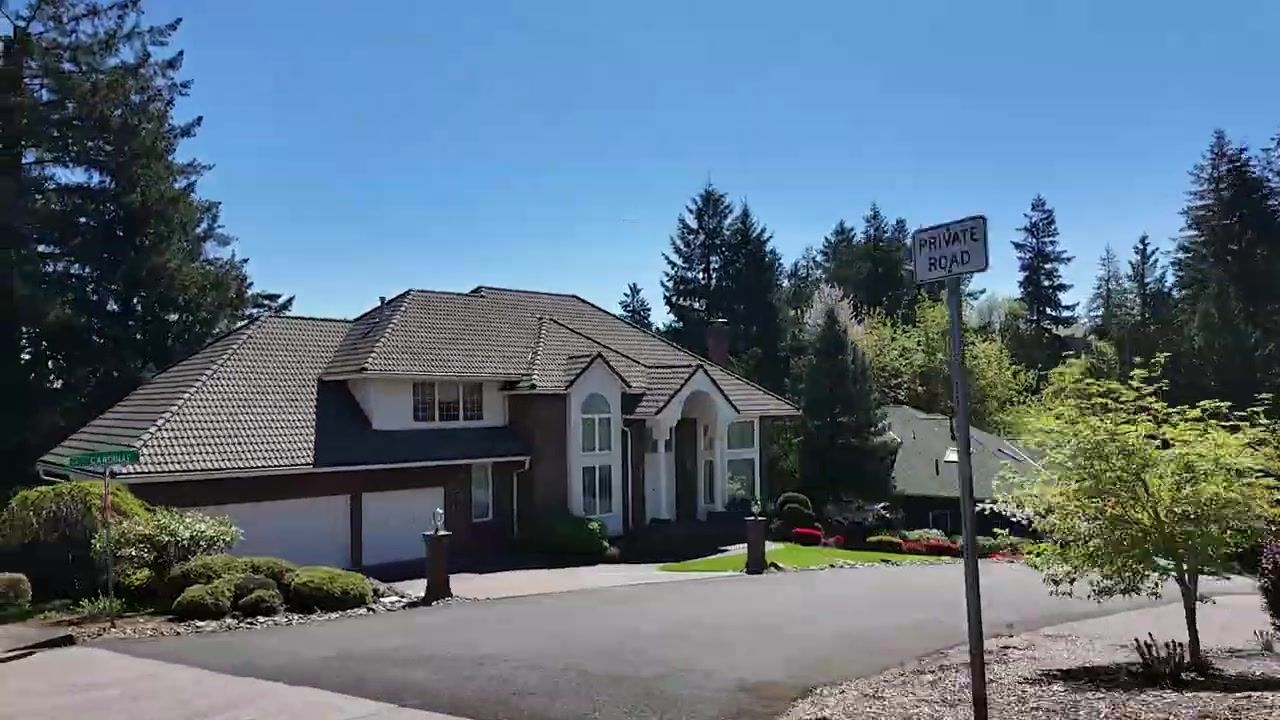
Homes were built in the early to mid-1990s, with some of the outlying areas going up into the early 2000s. Back then, builders had more land to work with, so you're looking at 7,000 to 9,000 square foot lots, something you just don't see in new construction anymore. The landscaping is mature, with big trees lining the streets, and the whole neighborhood feels like the Northwest. You've got brick facades, real cedar siding (which isn't even used in new builds anymore because it's too expensive), and architectural composite roofs that have held up beautifully.

Prices in the core area typically run from the high $700s to the $900s, and you'll find some homes over $1 million depending on how updated they are and how big. These aren't cookie-cutter houses. You're getting 3-car garages, nice-sized yards, and that happy medium where the home feels elegant without being obnoxious. The construction quality is solid, these were built back when builders were putting real thought and real materials into homes.

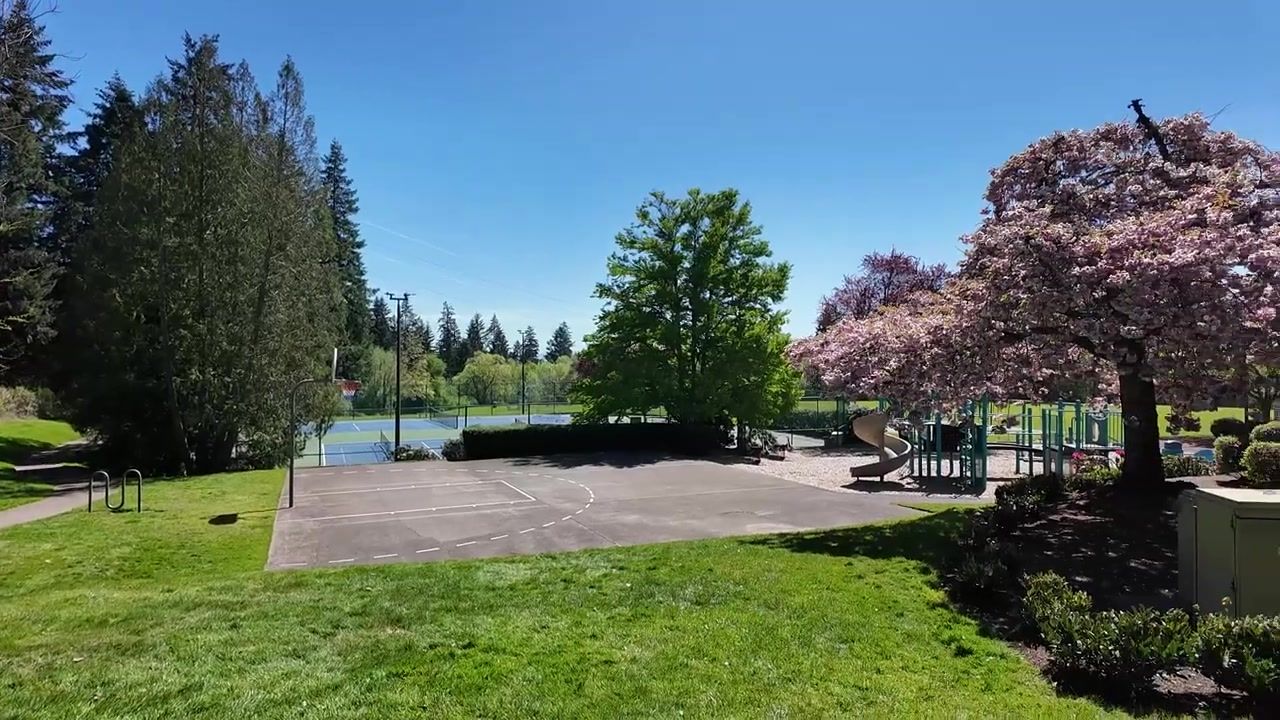
There are two HOAs here, which some people balk at, but this is where HOAs get it right. One covers the community amenities, and one covers the neighborhood. You're paying for pools, tennis courts, basketball courts, pickleball courts, a playground, walking trails, and a clubhouse. And you're paying for those common areas to look as good as they do. Every yard is kept, every street feels cared for, and the whole neighborhood has this sense of being preserved.

Speaking of amenities, it's rare to find a community in the Portland metro area that offers pools and a clubhouse unless it's 55+. Most new construction planned communities these days don't have community centers or pools, indoor or outdoor. Murrayhill has both, and they're beautifully maintained. The clubhouse sits in the middle of the neighborhood, surrounded by landscaping, and the pools and courts are busy but not packed. They even converted some of the old tennis courts to pickleball because that's all the rage right now.

The neighborhood itself is flat, which is great if you're into biking or walking. Murray Boulevard is a big hill, but once you're inside the core area, the terrain is manageable. You've got tree-lined streets, people out running and walking their dogs, and a general vibe that this is a place where people actually live and enjoy their homes. You're also close to the Fanno Creek Trail System, so if you want to get out and explore beyond the neighborhood, you've got options.

Now, I wouldn't say Murrayhill is fully walkable in the way that, say, downtown Lake Oswego is walkable. But you've got everything you need within a few minutes by car, and parts of the neighborhood are absolutely walkable to the shopping centers. You're about 10 to 15 minutes from Lake Oswego, and you're 3 to 4 miles from the highways, so your commute to Nike, Intel, or anywhere else on the west side is easy. You're not right on top of the freeway, but you've got great access.

One thing to keep in mind: these homes are 25+ years old, so some of them are going to need updating. You might be looking at older kitchens, bathrooms, or systems. But here's the thing, you cannot beat the yard sizes, the mature landscaping, or the lot sizes that you get in a neighborhood like this. In a world where density is everything and new construction is all about maximizing every square foot, these older neighborhoods keep their value because they offer things you just can't replicate anymore.

What the HOA Covers in Murrayhill

The two HOAs here cover different things. The community HOA maintains the clubhouse, pools, tennis courts, basketball courts, pickleball courts, playground, and walking trails. The neighborhood HOA takes care of the common areas, landscaping, and general upkeep. You're paying for both, but you're also getting a neighborhood that looks this good and amenities that are actually used and maintained.

If you're someone who hates HOAs on principle, Murrayhill might not be for you. But if you appreciate what a well-run HOA can do, keeping property values up, maintaining shared spaces, and ensuring everyone's yard looks good, then this is a great example of how it's supposed to work.

Shopping and Dining Near Murrayhill

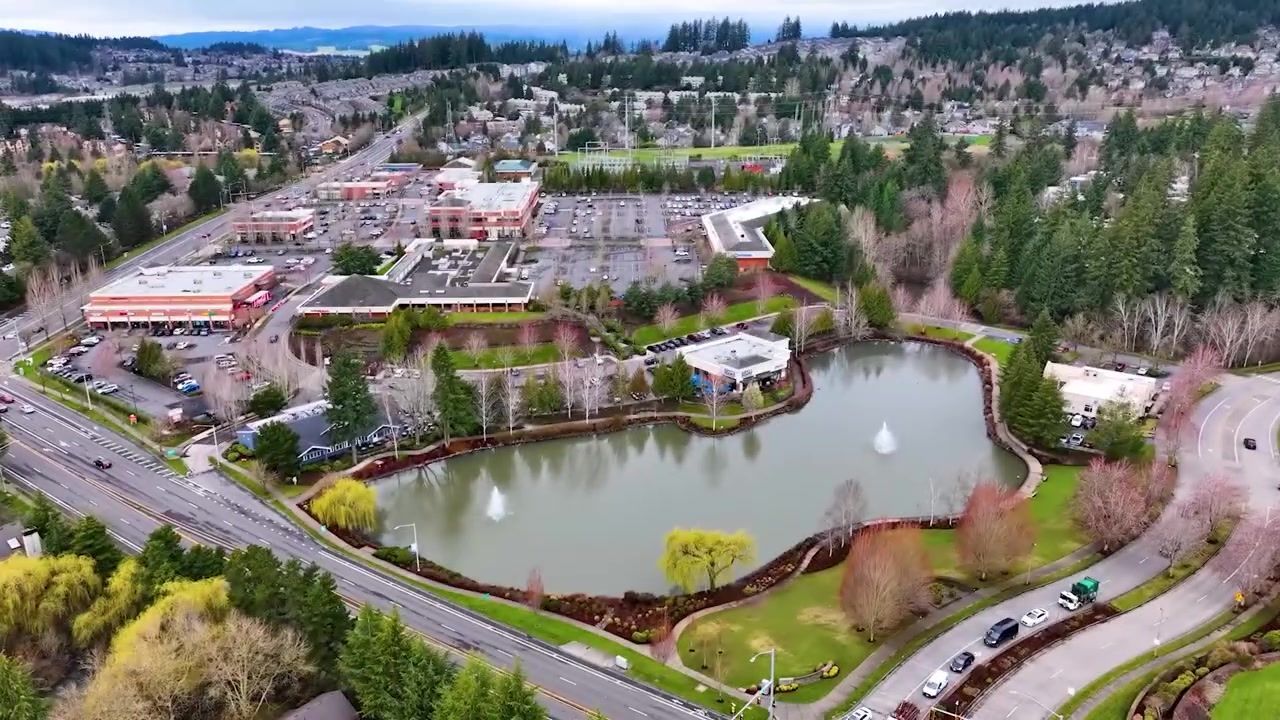
One of the best things about Murrayhill is that you've got shopping and dining right at your fingertips. There are two main shopping centers within the neighborhood itself, and Progress Ridge is just a few minutes away. You're not going to run out of options.

The first shopping center sits right on the corner of Scholls Ferry and Murrayhill. You've got a Starbucks (not a drive-through, but always busy), Subway, a Vision Center, chiropractors, and the Beaverton Library. Across the street is a 24-hour Walgreens, which is convenient but also one of the busiest Walgreens I've ever seen. I don't recommend it if you're in a hurry, but it's there if you need it.

You've also got salons, a StretchLab, Chipotle, Jamba Juice, Five Guys, Pizzicato, and a 24 Hour Fitness. There's an OHSU clinic, an orthopedic place, and a gas station. It's one of those shopping centers where you can knock out errands, grab lunch, and hit the gym all in one trip.

The second shopping center is Murrayhill Marketplace, and Safeway is the anchor grocery store. You've got Planet Fitness, Insomnia Coffee, a nail salon, Joe Burger's, another sushi place, Nectar Juice Bar, H&R Block, Papa Murphy's Pizza, a dental office, and White Oak Tap House. There's also an OnPoint Community Credit Union, a Wells Fargo, and a gas station attached to the Safeway if you've got your Safeway points.

This shopping center is technically right in the Murrayhill neighborhood, so you can walk here from a lot of the homes. It's not downtown-Portland walkable, but it's close enough that you can grab a coffee, meet a friend, or run to the bank without getting in your car if you don't want to. And that's something we always talk about, walkability matters, but so does having everything you need within a few minutes.

Progress Ridge is the third big shopping area nearby, and we've done a whole video on that, so I won't go into detail here. But it's close, and it adds even more restaurants, shops, and services to what's already available in Murrayhill.

What Makes Murrayhill Different from New Construction

When you compare Murrayhill to new construction planned communities, the differences are pretty stark. New construction these days is all about density. Builders are trying to fit as many homes as possible onto the land they have, so you're getting smaller lots, less green space, and fewer mature trees. That's just the reality of the market right now, land is expensive, and builders have to maximize it.

Murrayhill was built back when land wasn't as constrained. The developers had the ability to preserve green spaces, plant trees, and design the neighborhood around nature instead of just bulldozing everything and starting from scratch. You can see it when you drive through, there are undeveloped areas that were intentionally left alone, and the whole neighborhood feels like it was designed to blend into the landscape instead of dominating it.

The lot sizes are another big difference. In new construction, you're lucky to get a 5,000 square foot lot. In Murrayhill, 7,000 to 9,000 square feet is normal. That means bigger yards, more space between you and your neighbors, and room for kids, dogs, or just a garden. It's one of those things that you can't replicate in a new build unless you're spending a lot more money.

The construction quality is also different. These homes were built with real cedar siding and brick, materials that aren't even used in new construction anymore because they're too expensive. The roofs are architectural composite, and a lot of them have been replaced with brand-new ones that look stunning. The homes feel solid, and they've held up well over the past 25+ years.

Now, that doesn't mean Murrayhill is perfect. These homes are older, so you might need to update kitchens, bathrooms, or systems. But the bones are good, and the things you can't change, lot size, mature landscaping, location, are all in your favor. In a market where new construction is getting smaller and more expensive, older neighborhoods like Murrayhill keep their value because they offer things you just can't get anymore.

Another thing that sets Murrayhill apart is the amenities. Most new construction planned communities in Portland don't offer pools or clubhouses unless they're 55+. Murrayhill has both, and they're open to everyone. That's rare, and it's one of the reasons people are willing to pay two HOAs to live here.

Conclusion

Murrayhill is one of those neighborhoods that checks a lot of boxes. You've got larger lots, mature landscaping, quality construction, and amenities that are hard to find in the Portland metro area. You're close to shopping, dining, and trails, and your commute to Nike, Intel, or Lake Oswego is easy. The neighborhood feels established, the pride of ownership is high, and the HOAs actually do their job.

Prices run from the high $700s to the $900s, with some homes over $1 million. You're paying for two HOAs, but you're also getting pools, tennis courts, pickleball courts, a clubhouse, and common areas that look immaculate. If you're relocating to the Portland area and you want a neighborhood that feels like the Northwest without the density of new construction, Murrayhill is worth a look.

If you're thinking about making a move to the Greater Portland metro area and you want more information on Murrayhill or any of our other neighborhoods, don't hesitate to reach out. Call us at  503-804-1466 and talk through what makes sense for you.

FAQ

What is the price range for homes in Murrayhill?

Homes in Murrayhill typically run from the high $700s to the $900s, with some going over $1 million depending on size and how updated they are. The core area of Murrayhill tends to be on the higher end of that range.

Are there HOA fees in Murrayhill?

Yes, there are two HOAs in Murrayhill. One covers the community amenities like the pools, clubhouse, tennis courts, and trails. The other covers the neighborhood common areas and landscaping. You're paying for both, but you're also getting well-maintained amenities and a neighborhood that looks great.

Is Murrayhill walkable?

Parts of Murrayhill are walkable, especially to the shopping centers within the neighborhood. You can walk to Safeway, coffee shops, and some restaurants from a lot of the homes. But I wouldn't say it's fully walkable in the way that downtown Portland or Lake Oswego is. You've got everything you need within a few minutes by car, though.

What amenities does Murrayhill offer?

Murrayhill has a clubhouse, pools, tennis courts, basketball courts, pickleball courts, a playground, and walking trails. It's rare to find a community in the Portland metro area with this many amenities that isn't 55+. The amenities are well-maintained and actually get used.

How old are the homes in Murrayhill?

Most homes in the core area of Murrayhill were built in the early to mid-1990s, with some of the outlying areas going up into the early 2000s. That means the homes are 25+ years old, so you might need to do some updating, but the construction quality is solid and the lot sizes are larger than what you'd get in new construction.

How far is Murrayhill from Lake Oswego or major employers like Nike and Intel?

Murrayhill is about 10 to 15 minutes from Lake Oswego and close to Nike and Intel. You're 3 to 4 miles from the highways, so your commute to anywhere on the west side is easy. You're far enough from the freeway that you won't hear it, but close enough that access is convenient.

Portland Life

Stewart Group

Moving To Portland?

Portland Life | Stewart Group - Relocation Guide

Watch Our Portland Videos

Three panels depicting Portland's skyline in 2026, 2028, and 2030 with construction and development activities.
By Anne Stewart • November 6, 2026
Discover 11 majordevelopments transforming Portland Metro through 2030 and what they mean for buyers and sellers.

Scenic suburban street with houses and vibrant landscaping, overlooking a lake and mountains in the background.
By Anne Stewart • October 30, 2026
Discover Portland suburbs perfect for retirement: Sherwood, Tigard, Claremont, Raleigh Hills, Lake Oswego, and Oregon City. Compare amenities and lifestyle fit.

A woman with a surprised expression stands in front of a colorful heat map of Portland's skyline.
By Anne Stewart • October 23, 2026
Explore the 2026 Portland real estate market, including who has more leverage, where buyers may negotiate, and why Lake Oswego remains competitive.
according to the Altos Report, the average home is sitting on the market 111 days in that area
By Anne Stewart • October 16, 2026
Why certain Portland Westside homes sit 80-111 days while others sell fast. Builder incentives, aging inventory, and what it means for buyers and sellers.
If you want a beautifully updated remodeled home, you're often relying on someone else having already done the
By Anne Stewart • October 9, 2026
Lake Oswego, West Linn, Happy Valley, Oregon City, Sherwood, and Tualatin, where Portland relocating buyers face the biggest surprises. Real talk from 25+ years selling here.

There's a lot of variation here, but that is what makes this area extra special.
By Anne Stewart • October 2, 2026
Tigard's median home price is $300K less than Lake Oswego with the same commute. Explore Bull Mountain, River Terrace, and 3 more neighborhoods buyers overlook.

King City back in the '50s and '60s was notorious for starting as a 55 or older community.
By Anne Stewart • September 25, 2026
Explore Washington County's best neighborhoods including Tigard, Sherwood, Beaverton, SW Portland, and Tualatin. We break down prices, schools, and commutes.

What Actually Flipped in Portland's Market video still
By Anne Stewart • September 18, 2026
Portland's real estate market has shifted. Anne Stewart breaks down what the flip means for buyers, sellers, and investors navigating today's conditions.

4 Best Neighborhoods in Portland, OR: A Guide for Homebuyers
By Anne Stewart • September 11, 2026
We drove through Southwest Portland neighborhoods locals love. See what these areas offer, where they’re located, and which county property tax bill you’ll pay.
Woman in red shirt beside red “KILLING PORTLAND” text over cityscape model
By Anne Stewart • August 28, 2026
A new data center is rising in Hillsboro -here’s what it could mean for Portland-area home values, neighborhood livability, noise/traffic, and power bills.

Show More