
Portland's Housing Market Just Flipped: What Buyers and Sellers Need to Know Right Now
Something changed in Portland's housing market, and if you're thinking about buying or selling here, you need to understand what just happened. I'm Anne Stewart, and after 20+ years selling homes across the westside suburbs, Lake Oswego, West Linn, Tigard, Sherwood, Beaverton, Tualatin, I can tell you when the market shifts like this, it creates both opportunity and confusion. The dynamics that controlled the last few years are no longer in play, and that flip affects your strategy whether you're relocating here, moving up, or finally ready to list.
Portland isn't Seattle. It isn't San Francisco. We move differently here, and right now we're in a transition that a lot of buyers and sellers aren't seeing clearly yet. The assumptions you made six months ago about pricing, competition, and timing? Some of those just stopped being true. Let me walk you through what flipped, why it matters, and what it means for your next move.
This isn't about predicting the future or waiting for the perfect moment. It's about understanding the market you're actually in right now so you can make a decision that works for you.
Table of Contents
What Actually Flipped in Portland's Market
The Portland housing market just moved from a seller-driven frenzy to something more balanced, and in some pockets, it's tipping toward buyers for the first time in years. That doesn't mean prices crashed or inventory exploded overnight. It means the leverage shifted. Sellers who could name their price and pick from multiple offers a year ago are now sitting longer, negotiating more, and in some cases, reducing their asking price to get a deal done.
Interest rates played a role here, but it's not the whole story. Rates went up, yes, and that cooled buyer urgency. But Portland also saw a wave of new construction and resale inventory hit the market at the same time affordability was already stretched. Buyers who were willing to waive inspections and go $50,000 over asking in 2021 and 2022 are now taking their time, writing contingencies back into offers, and walking away if the home doesn't appraise.
The psychology flipped too. Buyers aren't scared they'll miss out forever anymore. They're asking for repairs. They're negotiating closing costs. They're waiting to see if a better option comes along next week. That's a different market, and it requires a different approach from both sides of the transaction.
Here's the thing: this isn't a crash. Portland's fundamentals are still strong. We have job growth, in-migration from higher-cost markets, and a desirable quality of life that keeps people moving here. But the desperation is gone, and with it, the automatic bidding wars. If you're making a move right now, you need to understand that the rules just changed.
How the Shift Affects Buyers Right Now
If you're buying in Portland right now, you have more room to negotiate than you've had in years. That doesn't mean every home is a deal or that sellers are giving houses away. It means you can write an offer with an inspection contingency and not automatically lose to someone who waived everything. You can ask for a credit toward closing costs. You can take a few days to think about it instead of deciding in two hours.
Inventory is still tight in the most desirable areas, Lake Oswego, parts of West Linn, certain pockets of Beaverton, but it's not the desert it was. Homes are sitting on the market longer, which gives you time to do your due diligence. You can tour a property, sleep on it, run the numbers with your lender, and come back with a thoughtful offer. In the peak market, that home would've been under contract before you finished the tour.
The trade-off is that interest rates are higher than they were a few years ago, so your monthly payment is going to be higher even if the purchase price is the same or slightly lower. You need to run the real numbers with a local lender who understands Portland's market and can structure a loan that works for your situation. Don't assume you're priced out just because rates went up. There are still strategies, buying down the rate, adjusting your down payment, looking at different loan products, that can make the math work.
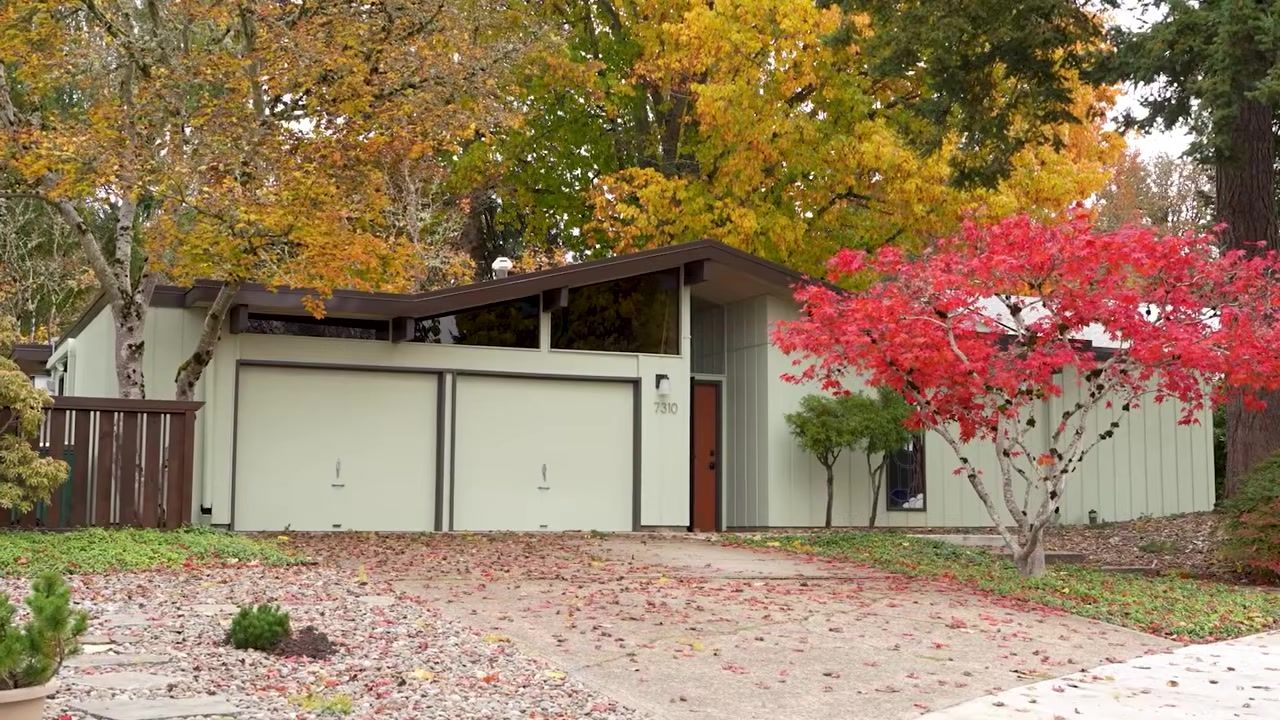
Another shift: sellers are more willing to make repairs or offer credits now. In the hot market, if you asked for anything, they'd just move to the next offer. Now, if the inspection turns up issues, you have leverage to negotiate. That's a real advantage, especially if you're buying an older home in one of Portland's established neighborhoods where deferred maintenance is common.
The key is to move with intention, not desperation. You don't need to jump on the first house you see, but you also can't wait forever hoping for a crash that probably isn't coming. Work with an agent who knows the westside suburbs, understands what homes are actually selling for (not just what they're listed at), and can help you write a competitive offer that still protects you.
What Sellers Need to Adjust in This Market
If you're selling in Portland right now, the biggest mistake you can make is pricing your home like it's still 2022. I'm seeing listings sit because sellers remember what their neighbor got two years ago and think they'll get the same or better. That's not the market we're in anymore. Buyers have options now, and if your home is overpriced, they'll just move on to the next one.
Pricing right from the start is critical. You want to attract multiple showings in the first two weeks, ideally generate some competition, and get an offer that's close to asking or at asking. If you price too high, you sit. And once you've been on the market for 30 or 45 days, buyers start wondering what's wrong with the house. Then you're chasing the market down with price reductions, and you end up selling for less than if you'd priced it correctly in the first place.
Presentation matters more now too. In the hot market, homes sold no matter what they looked like because inventory was so low. Now, buyers are comparing your home to others, and if yours has outdated finishes, deferred maintenance, or bad photos, they're going to pick the one that shows better. You don't need to do a full remodel, but you do need to make sure the home is clean, decluttered, and photographed well. First impressions online are everything.
Be prepared to negotiate. Buyers are asking for repairs, credits, and concessions, and if you shut that down immediately, you risk losing a deal. That doesn't mean you have to say yes to everything, but you need to be realistic about what's reasonable. If the inspection turns up a roof issue or an HVAC problem, you're going to have to address it one way or another, either by fixing it, offering a credit, or dropping your price. Ignoring it won't make it go away.
Timing still matters. Spring is traditionally the strongest season in Portland, but we're also seeing good activity in fall when there's less competition from other sellers. If you list in the dead of winter or right before the holidays, expect a slower process. Work with an agent who can read the local market, not just pull comps from Zillow, and who will tell you the truth about what your home is worth and what it needs to sell.
Lake Oswego, West Linn, and the Westside Suburbs: Where We're Seeing the Change
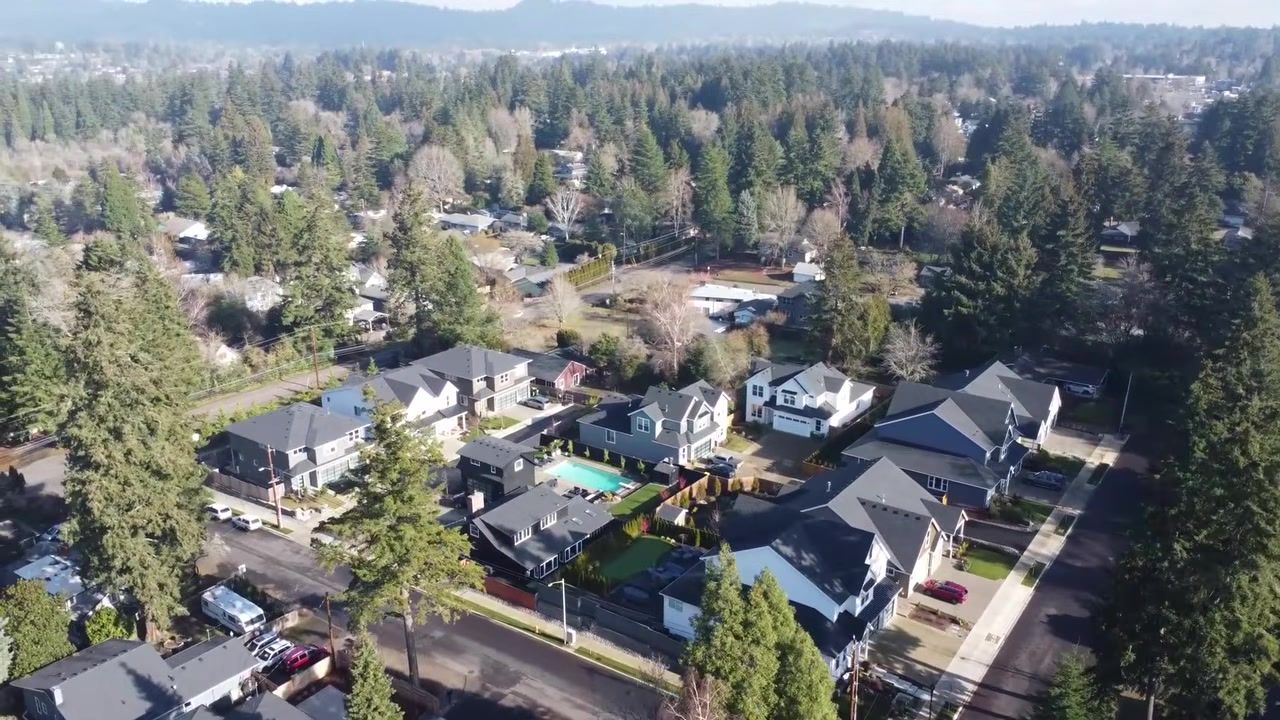
The westside suburbs are where I spend most of my time, and the market shift is playing out differently depending on where you are. Lake Oswego is still holding strong because it's Lake Oswego, local schools, walkable downtown, proximity to Portland without being in Portland. But even here, homes that are overpriced or need work are sitting longer than they used to. Buyers in this price range are sophisticated, and they're not going to overpay just because it's Lake Oswego.
West Linn is seeing more inventory than it has in a while, especially in the higher price brackets. The challenge here is that a lot of the homes are older, and buyers are pickier about condition now. If your home has original everything from the '80s, you're competing against newer builds in Sherwood and Tualatin that offer modern finishes and lower maintenance. You can still sell, but you need to price for the condition and the competition.
Tigard and Tualatin are interesting because they're attracting a lot of relocation buyers who want local schools and newer construction without paying Lake Oswego prices. Inventory is tighter here in the mid-range, and well-priced homes are still moving quickly. The trade-off is that some parts of Tigard feel more suburban and less walkable, so if you're relocating from a city and you want that urban feel, you might be disappointed.
Beaverton is a mixed bag. You have pockets that are highly desirable, close to Nike, local schools, newer developments, and then you have older areas that need updating. The market here is very price-sensitive. If you're priced right, you'll get activity. If you're not, you'll sit.
Sherwood is still popular with families because of the schools and the newer construction, but it's farther out, and the commute to Portland can be rough if you're working downtown. Buyers need to factor that in, especially if they're relocating and don't know the traffic patterns yet.
The common thread across all these areas is that the automatic bidding wars are gone. You need to price right, present well, and be realistic about what the market will bear. The westside suburbs are still desirable, but desirable doesn't mean you can overprice and expect buyers to line up.
Should You Wait or Move Now?
This is the question I get all the time, and the honest answer is: it depends on your situation, not on trying to time the market perfectly. If you're relocating to Portland for a job and you need a place to live, waiting six months to see if prices drop another 2% doesn't make sense. You're paying rent, you're not building equity, and you're delaying your life for a maybe.
If you're selling because you're moving out of state or upsizing and you've found the right home, then sell. Don't sit around waiting for the market to flip back to 2022 conditions. That market is gone, and trying to time the peak is a losing game. Price your home right, market it well, and move on.
For buyers, the question is whether you can afford the payment at today's rates and whether the home works for your life. If the answer is yes, then buy. You can always refinance later if rates drop. What you can't do is go back in time and buy at a lower price if the market tightens up again in six months.
The Portland market is more balanced now, and that's actually a good thing for both buyers and sellers who are serious about making a move. You have time to think, room to negotiate, and the ability to make a decision based on your needs instead of panic. That's a healthier market, even if it's not as exciting as the frenzy was.
If you're thinking about buying or selling in Portland, let's talk. I've been doing this for 20+ years, I know the westside suburbs inside and out, and I can help you navigate this market with a clear strategy. Whether you're relocating here, moving up, or finally ready to sell, I'll make sure you understand what's happening and what your options are. Reach out and let's set up a time to talk through your situation.
Frequently Asked Questions
Is Portland's housing market crashing?
No. Portland's market has shifted from a seller-driven frenzy to a more balanced market, but that's not a crash. Prices have stabilized in most areas, and in some pockets they've come down slightly, but we're not seeing the kind of collapse that happened in 2008. Inventory is still relatively tight, and demand is still there, especially from relocation buyers. The difference is that buyers have more negotiating power now and homes are sitting longer if they're overpriced.
Are interest rates going to come back down?
No one knows for sure, and trying to time interest rates is as hard as trying to time the market. Rates could come down if inflation cools and the Fed adjusts policy, but they could also stay elevated for a while. What I tell buyers is to focus on whether the home and the payment work for you right now, and if rates drop later, you can refinance. Don't sit on the sidelines waiting for a perfect rate that might not come.
Should I wait to sell until the market heats up again?
If you need to sell, because you're relocating, upsizing, downsizing, or your life situation changed, then sell now. Waiting for the market to flip back to peak conditions could mean waiting years, and in the meantime, you're stuck in a home that doesn't work for you. Price your home right, present it well, and you can still get a good result in this market. The key is working with an agent who understands current conditions and can position your home competitively.
What's the best area to buy in Portland right now?
It depends on what you need. If you want local schools and a walkable downtown, Lake Oswego is still the gold standard, but you'll pay for it. If you want newer construction and local schools without Lake Oswego prices, look at Sherwood or Tualatin. If you want to be closer to Portland and don't mind an older home, West Linn and parts of Beaverton offer good value. The best area is the one that fits your commute, your budget, and your lifestyle. Let's talk through your priorities and I can help you narrow it down.
How long are homes sitting on the market in Portland?
It varies by area and price point, but in general, homes are sitting longer than they were a year or two ago. In the hot market, a well-priced home might go under contract in a weekend. Now, it's more common to see homes sit for two to four weeks, and if they're overpriced, they can sit for months. The key is pricing right from the start so you attract activity in the first two weeks when buyer interest is highest.
Can I still get a good deal in Portland's market?
Yes, but you need to be strategic. Good deals come from homes that have been on the market too long, sellers who are motivated, or properties that need some work but have good bones. You're not going to find a steal in Lake Oswego or the most desirable parts of West Linn, but there are opportunities in Tigard, Beaverton, and other areas if you're willing to look beyond the obvious choices. Work with an agent who knows how to spot value and negotiate effectively, and you can still find a home that works for your budget.