The Future of Portland, Oregon: 11 Major Projects to Watch by 2030
If you think Portland is standing still, you might want to look again. Behind the headlines about challenges, something pretty incredible is happening across the metro: billions of dollars are being invested in projects that could completely transform the communities we know today. I'm talking about 275 acres of waterfront redevelopment in West Linn, 1,400 acres of new neighborhoods in South Hillsboro, and a $3.1 billion commitment to healthcare that's already changing how people think about living here.
I'm Anne Stewart. I was born and raised in Portland and have been selling real estate here for over 25 years. I've watched Hillsboro change from a sleepy suburb into a tech hub, seen Lake Oswego's downtown evolve, and helped hundreds of families navigate what these shifts mean when you're actually buying or selling a home. In this article. I'm counting down 11 of the biggest developments shaping Portland's future through 2030 and beyond, from long-term waterfront visions to neighborhoods that are already competing with your resale listing right now.
Some of these projects are still in the planning stages and won't touch a shovel for years. Others are under construction as I do this video, with completion dates in 2027 and 2028. A few are already open and directly impacting where people choose to live and what homes sell for. Whether you're relocating here from out of state or you already own a home in Beaverton, West Linn, or Sherwood, these developments matter, not just because they're big, but because they change commute patterns, school boundaries, retail access, and long-term property value in ways you won't feel until it's too late to adjust.
Table of Contents
- West Linn Waterfront Redevelopment
- Lake Oswego North Anchor
- Lake Oswego Foothills District
- Celebrity Chefs and Portland's Food Scene
- Broadway Corridor Redevelopment
- James Beard Public Market
- Sherwood West Expansion
- Lloyd Center Redevelopment
- OMSI District
- Healthcare Investment
- South Hillsboro Development
- Which Development Matters Most for Your Move?
- Final Thoughts
West Linn Waterfront Redevelopment
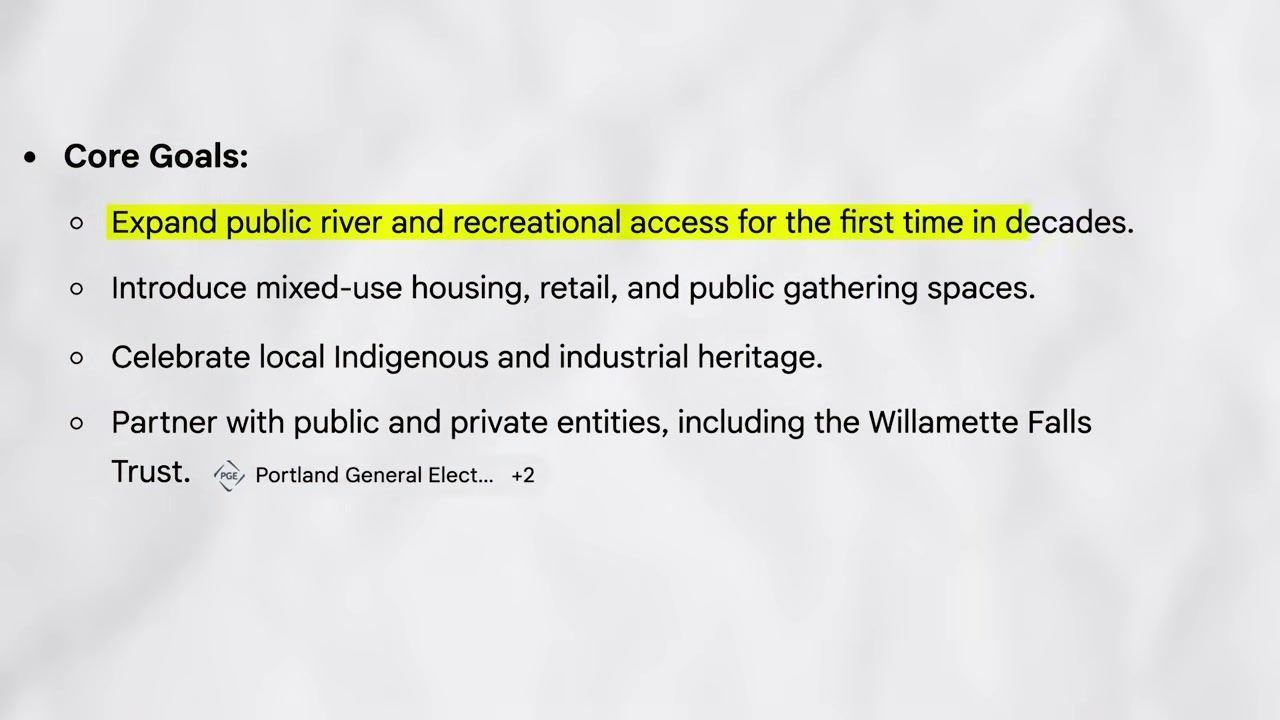
The West Linn Waterfront Redevelopment is a roughly 275-acre waterfront planning area along the Willamette River. The vision is to improve river access, add recreation and public spaces, and redevelop former industrial waterfront properties into mixed-use housing and amenities. This one is a long-term play, still in the implementation and planning stages, but here's why it earns a spot on the list anyway.
West Linn already has one of the strongest fundamentals on the west side: river proximity, the historic Willamette District, and some of the best school attendance boundaries in the state. Now add 275 acres of improved waterfront to that picture, and West Linn's long-term value story gets wildly stronger. For a buyer who's looking 5, 8, 10 or more years out, this is a quiet story worth paying attention to.
I'm not saying you'll see bulldozers and ribbon cuttings next year. The waterfront redevelopment is still working through long-term implementation, and that means years of planning, infrastructure decisions, and phased construction. But if you're the kind of buyer who thinks about where a community will be in a decade, not just where it is today, West Linn's waterfront transformation is one of those rare opportunities to get in early on a place that already has everything else going for it. The fundamentals are there. The river is there. The schools are there. Now the city is working to connect all of it in a way that makes the waterfront an actual part of daily life, not just a view you drive past.
For sellers, this is a different conversation. If you own a home in West Linn right now, the waterfront redevelopment isn't going to move your listing next month. But it does give you a story to tell about long-term value and what this community is becoming. Buyers who are serious about West Linn, especially relocators who are comparing it to Lake Oswego or West Linn to other river towns, want to know what's coming, not just what's here. The waterfront redevelopment is part of that answer.
Lake Oswego North Anchor
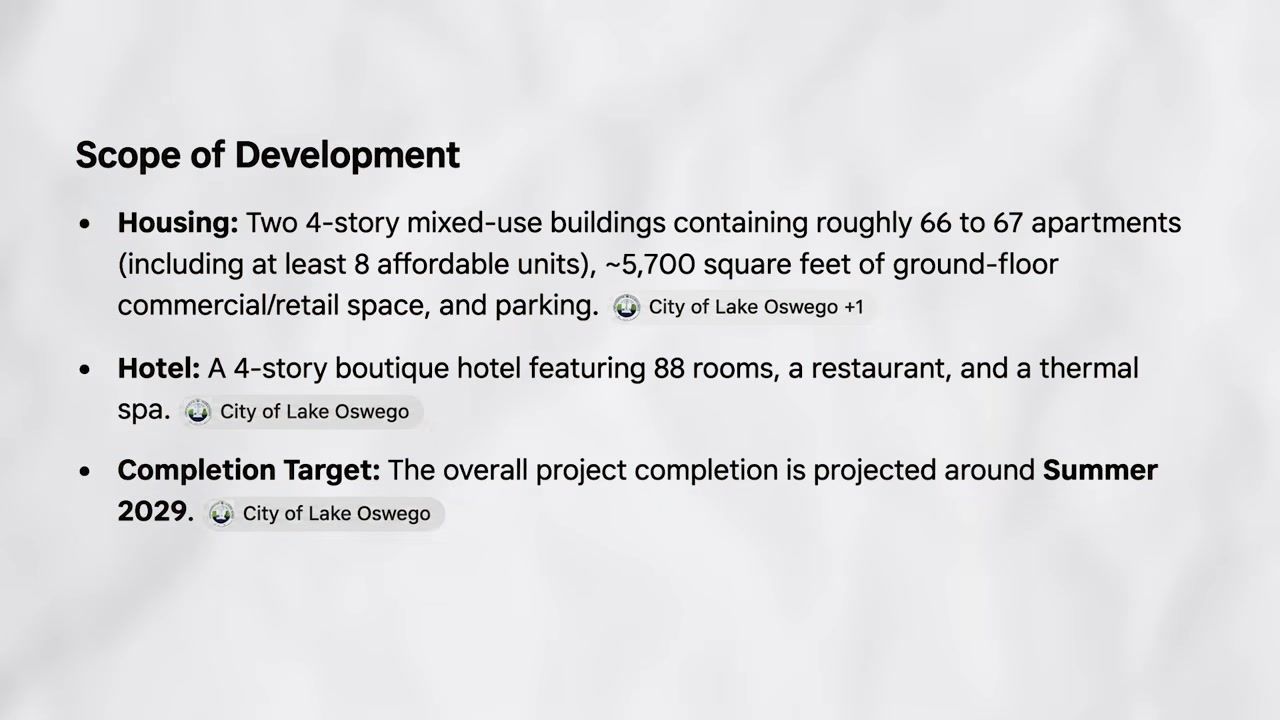
The Lake Oswego North Anchor development is a downtown redevelopment near State Street and B Avenue. Plans currently include 66 apartments and approximately 5,700 square feet of commercial space, plus a separate proposal for an 88-room boutique hotel and spa. Demolition should happen this year, but completion is targeted for 2029.
Why does this matter? Downtown Lake Oswego is already one of the most walkable, well-maintained town centers in the metro. The North Anchor project adds a hotel, more residential density right at the core, and new ground-floor commercial, which deepens the downtown experience that makes Lake Oswego what it is. You're not just adding apartments. You're adding people who walk to dinner, shop locally, and keep the downtown energy going year-round instead of just on weekends.
For buyers, the North Anchor development signals that Lake Oswego's downtown isn't resting on its reputation. It's evolving. If you're relocating here and you want a walkable, full-service town center that feels more like a small city than a strip mall, Lake Oswego is already one of the best options on the west side. The North Anchor project makes that even stronger. For sellers, this is a selling point when you're competing with newer construction in Tigard or Sherwood. Lake Oswego has something those places are still building toward: a real downtown that people actually use.
Lake Oswego Foothills District
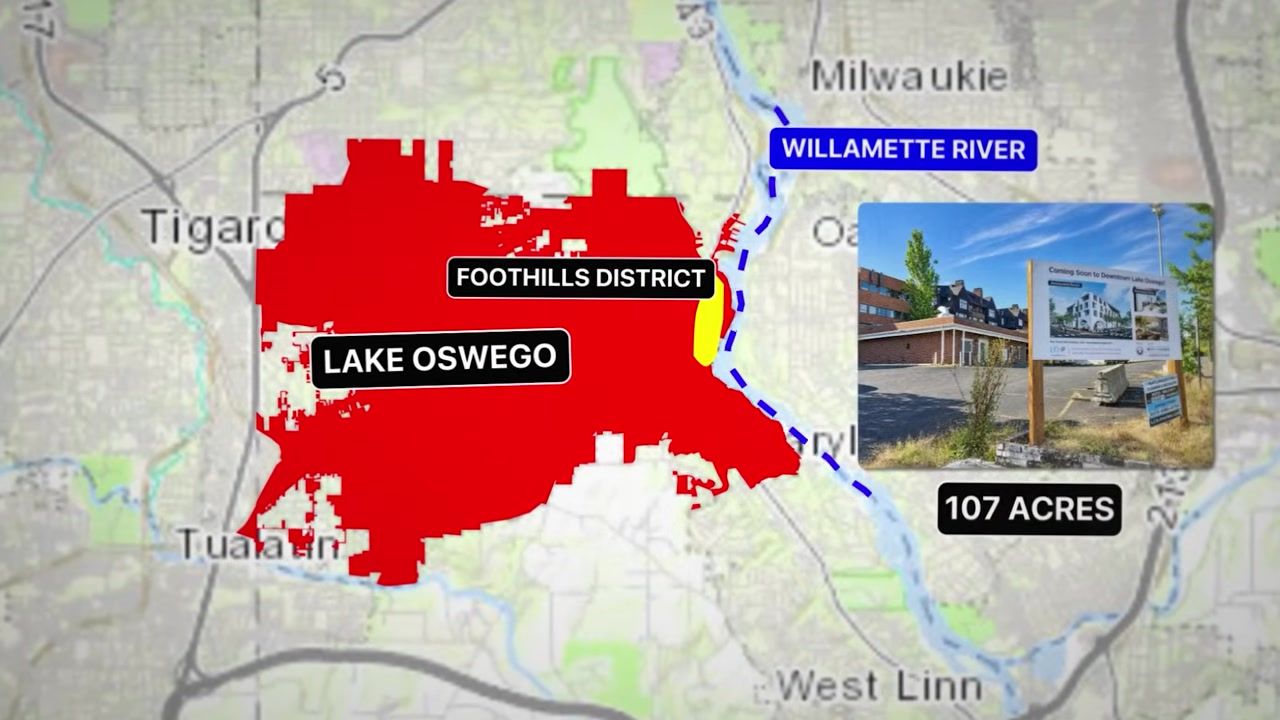
Imagine taking everything people already love about downtown Lake Oswego and extending that experience all the way down to the Willamette River. That's exactly what the city is exploring with the Foothills District. We're talking about roughly 107 acres between downtown Lake Oswego and the river. Parts of this area have historically been industrial, and even though the river is just a short distance from downtown, the two have never felt connected the way they could be.
The vision includes new public gathering spaces, restaurants and retail, a mix of housing options, and better pedestrian connections that would make it so much easier to walk from downtown Lake Oswego right to the waterfront. That could be a pretty incredible addition to an already desirable community. Right now, you can be in downtown Lake Oswego and not even realize the river is a few blocks away. The Foothills District would change that.
As of October 2026, the city has been refining its plan, looking at everything from the street layout and public spaces to where retail and future housing would go. I want to be clear: this is still in the planning stages. We're not talking about bulldozers showing up tomorrow or a completed waterfront district in the next couple of years. This project has the potential to take one of the most underutilized areas near downtown and turn it into something that adds a special essence to an already great community.
For buyers, the Foothills District is a long-term bet on Lake Oswego becoming even more walkable and connected to the river. If you're the kind of buyer who values walkability, waterfront access, and a town center that feels alive, Lake Oswego is already one of the best places in the metro to find that. The Foothills District would make it even better. For sellers, this is another piece of the Lake Oswego story that separates it from other west side suburbs. You're not just selling a house in a nice town. You're selling a house in a town that's actively planning to become more connected, more walkable, and more centered around the river.
Celebrity Chefs and Portland's Food Scene

If there's one thing Portland has always been known for, it's our food scene. We have incredible restaurants, food carts, local farms, wineries, and some seriously talented chefs. And now some pretty big names in the culinary world are choosing Portland for their next restaurants. I'm talking celebrity chefs from Top Chef, James Beard Award winners, and restaurateurs who've opened restaurants around the world.
Let's start with celebrity chef Brian Malarkey, a 2-time Top Chef finalist who has opened 27 restaurants. He just opened the Malarkey, a massive 10,000-square-foot steak and seafood restaurant in Portland's Pearl District. Malarkey isn't the only one. Michael Mina, an internationally recognized chef with more than 30 restaurants around the world, is bringing his Italian-inspired restaurant to the historic Heathman Hotel in downtown Portland with an opening targeted for late October 2026. And Jinju Patisserie, the James Beard Award-winning bakery famous for its beautiful pastries, croissants, and chocolates, has been preparing to reopen in a new location on North Williams Avenue.
Whether you're into upscale steakhouse, authentic Italian food, or just a really good croissant, Portland's food scene is giving us plenty to be excited about. For relocators, this matters. When you're comparing Portland to other cities, you want to know that the food scene is still thriving, that chefs are still investing here, and that downtown still has energy. These restaurant openings are proof that Portland's reputation as a food city isn't just history, it's still happening right now.
Broadway Corridor Redevelopment
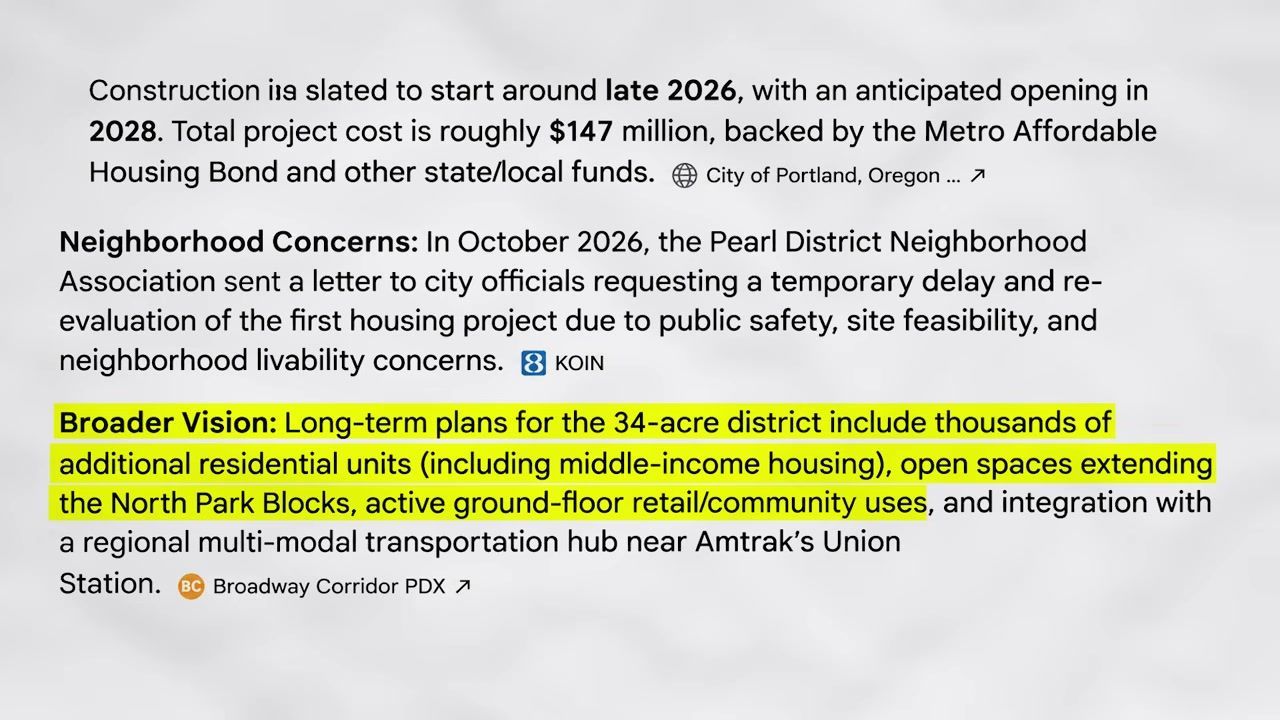
The Broadway Corridor Redevelopment is a multi-decade transformation of the former U.S. Postal Service property near the Pearl District and downtown Portland. We're talking new housing, new streets, new infrastructure, and future commercial development on a site that sat underutilized for years. A 230-unit affordable housing project began construction this year in 2026, with residential completion targeted for 2028.
Here's why this matters even if you're not shopping downtown. The Pearl District is one of the pieces of Central Portland that still has retail energy and residential demand. Broadway Corridor extends and reconnects that fabric to the rest of downtown. For the Portland Metro as a whole, a healthier Central Portland is a healthier Metro, and that reaches all the way out to Lake Oswego, West Linn, Sherwood, through the commute, through regional perception, through whether people feel good about living in the Portland area at all.
Downtown Portland has taken a real hit since 2020. We all know that. Broadway Corridor is one of the biggest signals that Central City reinvestment is happening. It's not just talk. Construction is underway. Housing is being built. The Pearl District still works, and Broadway Corridor is proof that developers and the city believe in extending that success deeper into downtown.
For buyers, this is a regional story. You might never live downtown, but when you're relocating here from out of state, you want to know that Portland's core is moving in a positive direction. Broadway Corridor is part of that answer. For sellers, a healthier downtown helps the entire metro. When people feel good about Portland, they feel better about buying in Beaverton, Hillsboro, and the west side suburbs. It all connects.
James Beard Public Market
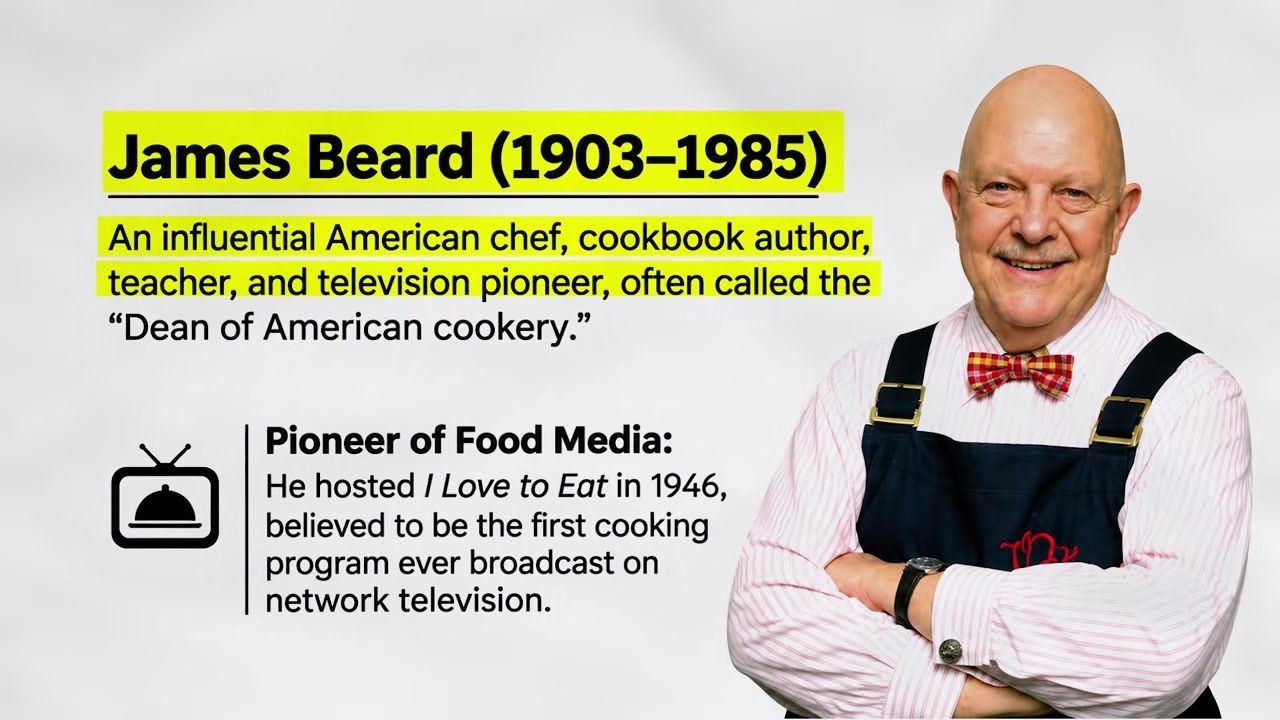
The James Beard Public Market is one I'm super excited about because if there's one thing we're known for here in Portland, it's our food. This project has been talked about for over 20 years, and guess what? It's finally happening. For those of you who don't know who James Beard was, he was born right here in Portland in 1903 and became one of the most influential figures in American cooking. He was often referred to as the Dean of American Cookery.
The James Beard Public Market is being built right in the heart of downtown. We're talking approximately 38,000 square feet of space featuring more than 40 locally owned food businesses. The plans also include a restaurant, a teaching kitchen where people can learn about food and cooking, a cookbook store, gathering spaces, and even a rooftop garden and bar. Construction is already underway, and the market is currently targeting a spring 2027 opening.
I want to emphasize that this is the target opening date. Projects like this can experience delays, and this one certainly has had that over the years. But here's why I think this is such a big deal: Portland has always had an incredible food scene, but what's been missing is a permanent public market that brings all of this into one central destination. We've had food carts, we've had Saturday Market, we've had incredible restaurants scattered across neighborhoods. But we haven't had a year-round, permanent public market that celebrates Portland's food culture in one place.
If you are planning to move to Portland, the James Beard Public Market is another reason to feel good about Portland. It's a signal that the city is investing in downtown, that local food businesses are thriving, and that Portland's identity as a food city is being celebrated in a permanent, visible way. For buyers and sellers across the metro, this is part of the larger story about downtown's recovery and Portland's long-term appeal.
Sherwood West Expansion
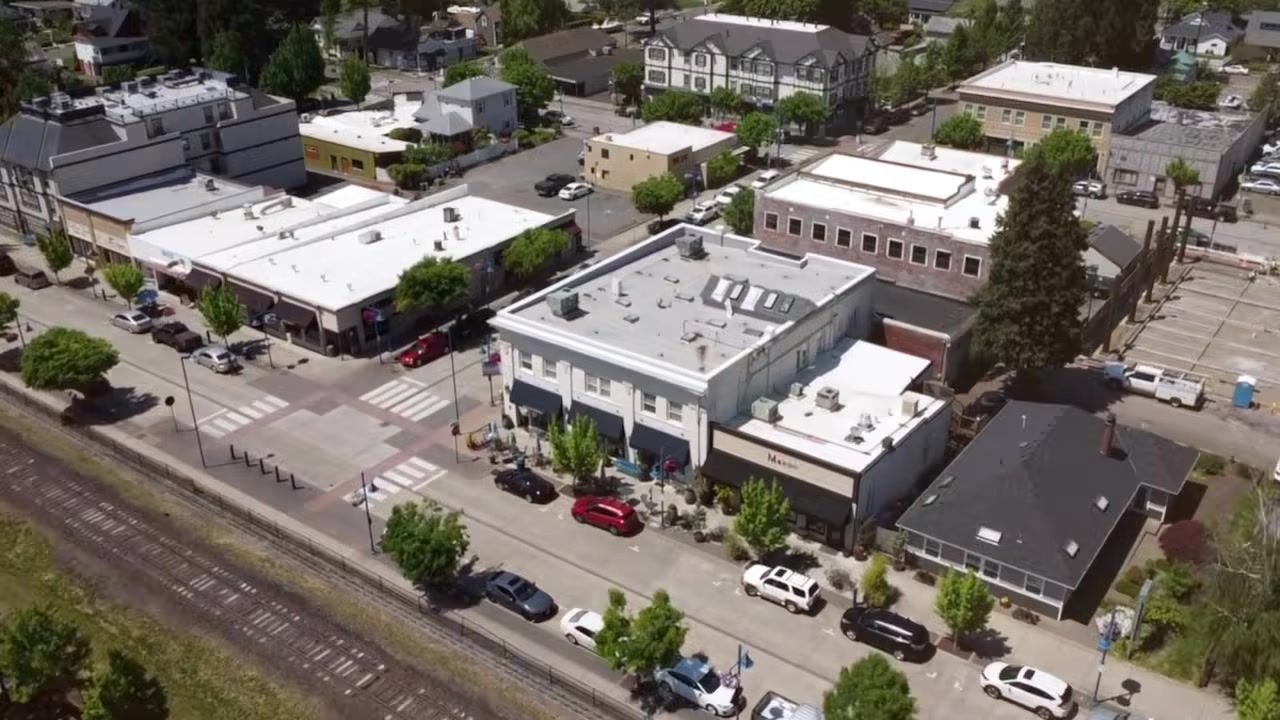
Sherwood West is one of the largest planned land expansions on Portland's west side. If you haven't been out to Sherwood in a while, you might be surprised by how much this area has changed over the years. Sherwood is certainly not that sleepy little town anymore. It's become one of the most recognizable suburban communities on the west side with its charming old town, strong sense of community, newer developments, and access to wine country.
Now Sherwood is preparing for another major chapter. It's called Sherwood West, and we're talking about approximately 1,291 acres of land on the western edge of the city. The vision includes thousands of potential new homes, parks, schools, commercial areas, and new roads and infrastructure. But here's something I found especially interesting: the plan also set aside land for businesses and employment with the potential to accommodate as many as 4,500 jobs over time. There's even a hospitality district envisioned with restaurants, wine tasting rooms, small shops, and potentially lodging.
Metro approved the expansion of the urban growth boundary in 2024, and that decision received state-level approval in 2026. But there is a lot of work ahead, including retail land use planning, infrastructure, and bringing individual properties into the city. No, we're not going to see 1,291 acres of new neighborhoods suddenly pop up in the next 2 years. This is a development that will unfold over many years.
Here's what I think makes this particularly interesting from a real estate perspective. Sherwood has traditionally offered something a little different from the closer-in Portland suburbs. You can find new 2-story homes, single levels, established neighborhoods, and even acreage properties all within the same community. But as Sherwood West develops, we're potentially talking about a much larger selection of housing, more businesses, and an entirely new section of town. The Sherwood we know today could look absolutely different in 10 or 15 years from now.
For buyers, Sherwood West is a long-term story. If you're looking at Sherwood right now, you're buying into a community that's about to get a lot bigger and a lot more developed. That could mean more amenities, more shopping, more restaurants, and more housing options. It could also mean more traffic, more construction, and a community that feels different from the Sherwood you toured last year. For sellers, Sherwood West is a double-edged sword. On one hand, it's a sign that Sherwood is growing and investing in its future. On the other hand, thousands of new homes means more competition for resale listings. If you're selling in Sherwood, you need to understand what buyers can get in a brand new neighborhood versus what you're offering in an established one.
Lloyd Center Redevelopment
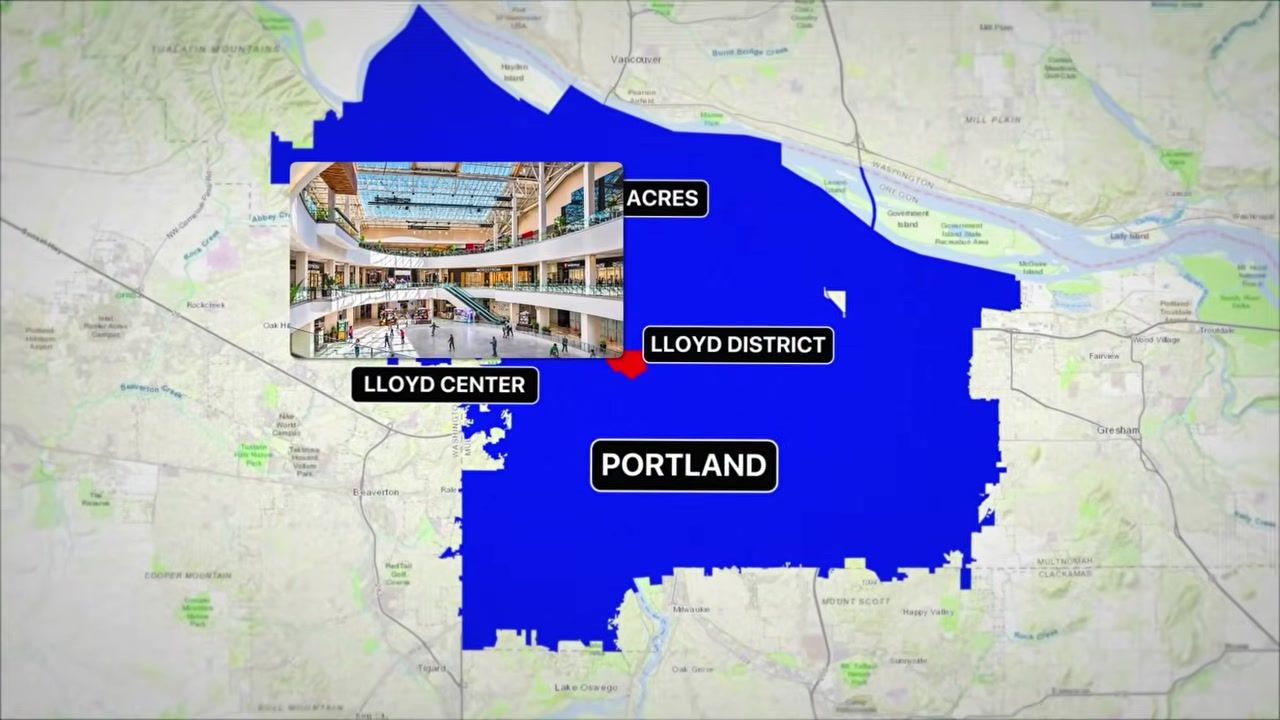
After 66 years, the Lloyd Center officially closed its doors on August 8th, 2026. And what's planned to replace it is pretty significant. We're talking approximately 27 acres in the heart of Portland's Lloyd District with plans to transform what was once a traditional shopping mall into an entirely new mixed-use neighborhood. The master plan allows for approximately 7 million square feet of development across 14 different areas. Think housing, restaurants, retail businesses, public gathering spaces, and new streets that would connect this property to the surrounding neighborhoods. The vision is to create an actual neighborhood where people can live, work, shop, and spend time.
Here's why I think this project matters, even if you're buying or selling a home in the suburbs. When people relocate to Portland, they're not just evaluating one neighborhood. They're evaluating the entire metro area. They want to know what's happening downtown, whether businesses are investing here, what the shopping and entertainment options are, and whether Portland is moving in a positive direction. The Lloyd Center redevelopment is one of those projects that signals Portland is serious about reinventing itself.
For 66 years, the Lloyd Center was a landmark. It was where you went to shop, where you took your kids at Christmas, where you met friends for lunch. Watching it close was hard for a lot of people. But the redevelopment plan is a chance to turn that 27 acres into something that actually works for how people live today. Nobody wants another dying mall. What people do want is housing, walkable retail, public spaces, and neighborhoods that feel connected to the rest of the city. That's what the Lloyd Center redevelopment is aiming for.
OMSI District
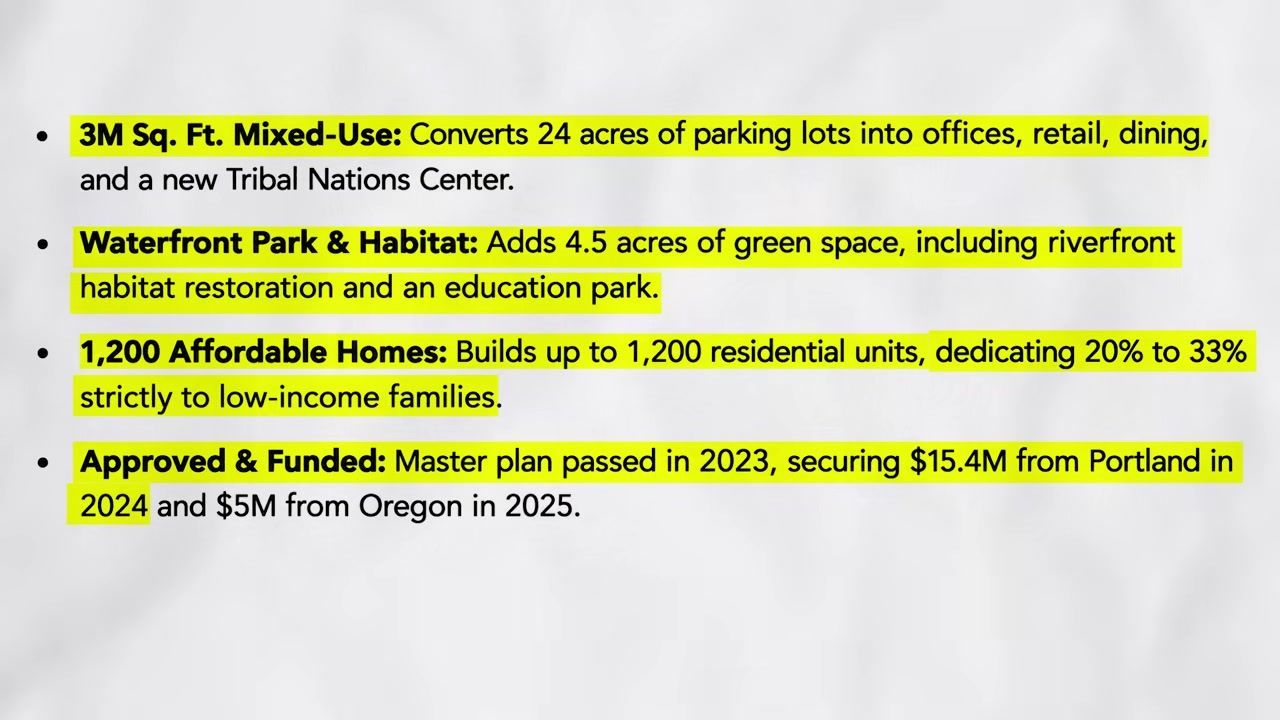
Now we're on to Portland's east side waterfront, and this one's pretty incredible. If you've lived in Portland for any length of time, chances are you've been to OMSI. We're talking about transforming approximately 24 acres of Portland's east side waterfront into an entirely new mixed-use neighborhood. The location is pretty hard to beat, right along the Willamette River, directly across from downtown Portland, with access to the Tilikum Crossing Bridge.
The vision includes approximately 1,200 new homes, up to 3 million square feet of mixed-use development, restaurants, retail, public gathering spaces, and a brand new waterfront education park. The plan calls for more than 4 acres of new parks and green spaces, including restoration of portions of the riverfront habitat. So instead of looking at parking lots and underutilized industrial land, the idea is to create a neighborhood that actually connects people to the river.
There's a significant housing component. Of the approximately 1,200 planned homes, the project includes a commitment to affordable housing with a goal of making a meaningful portion accessible to lower-income households. The master plan received approval back in 2023. In 2024, the Portland City Council approved more than $15 million in public infrastructure investment to help move this project forward. In 2025, Oregon lawmakers approved another $5 million for roads and utilities.
This is a massive project that's going to be built in phases over the years. But when people ask me what's happening in Portland, this is exactly the kind of project I want them to know about. The OMSI District takes land that's been sitting underutilized for decades and turns it into a neighborhood that connects people to the river, adds housing, and creates public spaces that everyone can use. For relocators, this is proof that Portland is investing in its waterfront and its future. For buyers and sellers across the metro, a healthier east side waterfront helps the entire region.
Healthcare Investment
This one is big. And when I say big, I mean billions of dollars big. We're talking about $3.1 billion being committed to healthcare right here in Portland. The money is coming from just one family: Nike co-founder Phil Knight and his wife Penny Knight. We're talking about 2 separate historic gifts to 2 different hospital systems, and the scale of this is pretty incredible.
Let's start with OHSU. In August of 2025, Phil and Penny announced a staggering $2 billion commitment to OHSU's Knight Cancer Institute. According to OHSU, this is the largest single donation ever announced to an American university, college, or academic health center. The goal is to completely transform how cancer is researched, diagnosed, and treated. We're talking about accelerating cancer research, developing more targeted treatments, improving early detection, expanding access to clinical trials, and providing more comprehensive support for patients and their families.
There's already some real progress happening. In April of 2026, OHSU opened the new Vista Pavilion, a $650 million cancer care facility with 128 beds and approximately 530,000 square feet. It's the largest adult cancer care facility in the Pacific Northwest. OHSU has already established a new organization called the Knight Cancer Group, led by internationally recognized cancer researcher Dr. Brian Drucker.
But the Knights didn't stop at OHSU. In September of 2026, Phil and Penny Knight announced another extraordinary gift, this time $1.1 billion to Providence St. Vincent Medical Center and Providence Heart Institute. A major part of that investment will go towards building Oregon's first hospital dedicated specifically to women's health right here in the Portland metro on the Providence St. Vincent's campus.
Here's why I wanted to include this in this blog about Portland's biggest developments. When people think about what makes a city desirable, they naturally think about housing, schools, restaurants, parks, and shopping. Those absolutely matter. But something else that absolutely matters, especially for next chapter buyers or people relocating here from other states, is access to high-quality healthcare. If you're moving here from California, Texas, or the East Coast, you want to know that Portland has world-class hospitals, cutting-edge cancer care, and specialized facilities that you won't find in smaller cities. The $3.1 billion commitment from Phil and Penny Knight puts Portland on the map as a healthcare destination, not just a place with good hospitals.
South Hillsboro Development
We've made it to number 1, and this one's especially interesting because I've spent over 25 years helping people buy and sell homes throughout Portland, and let me tell you, I've watched Hillsboro change a lot over the years. We're talking approximately 1,400 acres being transformed into what is essentially an entirely new community. The overall South Hillsboro plan includes more than 285 acres of parks and open space, approximately 15 miles of trails, and 2 planned mixed-use centers where residents can eventually shop, eat, and gather without having to drive across town.
Here's a detail I really like: the city's goal is to have every resident living within a quarter mile of a park, trail, or recreation facility. Reeds Crossing is probably the most recognizable name, but it's just one part of the larger South Hillsboro expansion. Other neighborhoods including Butternut Creek and Rosedale Parks are also part of the overall development, and the growth isn't stopping in 2027 or 2028. This is a project that's going to evolve for years.
Why did I put South Hillsboro as number 1? Because of all the developments we've talked about today, this one is already having a direct impact on where people live, what types of homes they can buy, and how the west side housing market is changing rapidly. For buyers, South Hillsboro offers something we simply don't have unlimited amounts of in the Portland metro: a large selection of newer homes in a thoughtfully planned community.
But here's the part I want sellers to pay attention to: new construction competition. And sometimes it's pretty serious competition. If you're selling a 20 or 30-year-old home in the Hillsboro, Beaverton, or Aloha areas, you need to understand what buyers can purchase in a brand new neighborhood nearby because some of the builders are offering some pretty incredible incentives, closing cost contributions, or mortgage rate buydowns. That doesn't mean an older home can't compete, we have a lot of buyers who don't want new construction, but it does mean that you have to take into consideration new construction around you and what's happening.
For buyers, South Hillsboro is a chance to get into a brand new home in a community that's designed from the ground up with parks, trails, and walkability in mind. You're not retrofitting an old neighborhood. You're buying into a plan that was designed for how people live today. For sellers in nearby areas, South Hillsboro is a wake-up call. You're not just competing with other resale homes anymore. You're competing with builders who have inventory, incentives, and the ability to offer exactly what buyers want right now.
Which Development Matters Most for Your Move?
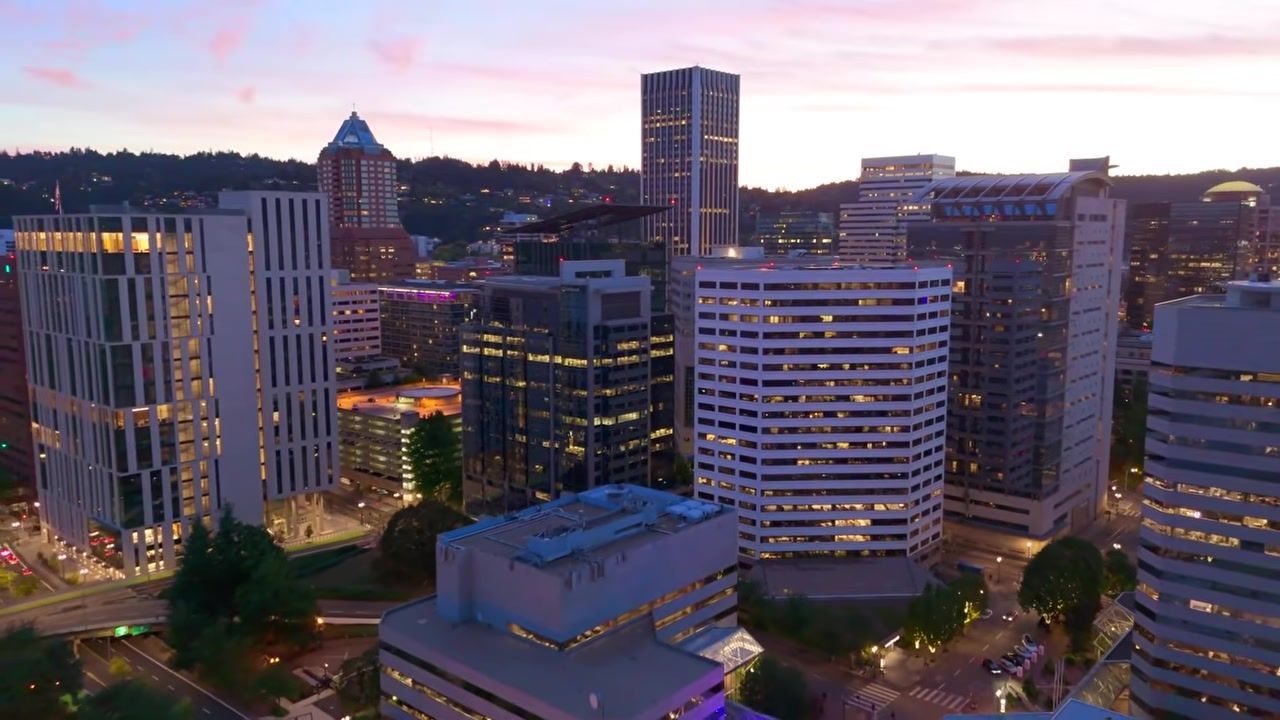
Eleven major developments, billions in investment, and some pretty incredible changes coming across the Portland area. So which one matters most? That depends on what you're looking for and where you are in your real estate journey.
If you're a long-term investor or a buyer who thinks 5 to 10 years out, West Linn Waterfront Redevelopment and Sherwood West are the quiet stories worth paying attention to. Both are still in the planning stages, but both have the potential to completely transform communities that already have strong fundamentals. If you're the kind of buyer who wants to get in early on a place that's about to become something bigger, those are the projects to watch.
If you value walkability, downtown energy, and waterfront access, Foothills District and Lake Oswego North Anchor are the developments that deepen what Lake Oswego already does well. You're not betting on a future vision. You're buying into a community that's already walkable, already has a strong downtown, and is actively working to make that even better.
If you're relocating here and you want to know that Portland's core is healthy and investing in itself, Broadway Corridor Redevelopment , James Beard Public Market , Lloyd Center Redevelopment , and OMSI District are the projects that signal Portland is serious about reinventing its downtown and waterfront. These aren't just real estate projects. They're statements about Portland's future and whether the city is moving in a positive direction.
If you're a buyer who wants a brand new home in a thoughtfully planned community, South Hillsboro is the development that's already impacting where people live and what homes sell for. It's not a future vision. It's happening right now, and it's creating serious competition for resale homes in Hillsboro, Beaverton, and Aloha.
And if you're a next chapter buyer or someone relocating here who cares about access to world-class healthcare, the $3.1 billion investment from Phil and Penny Knight is the story that separates Portland from smaller cities and puts it on the map as a healthcare destination.
Final Thoughts
Portland isn't standing still. We've got entire new communities being built, major investments in healthcare, new shopping and entertainment destinations, and some pretty ambitious plans to transform areas that haven't seen this kind of attention in decades. But here's what I know after being in Portland my entire life: where you buy matters, what you pay for matters, and understanding what's happening around the properties matters just as much.
Buying a home isn't just about the house itself. It's about the neighborhood, the lifestyle, the schools, the commute, and what the community might look like 5 or 10 years down the road. Here's the hardest part about getting any of this wrong: you do not feel the cost of a bad agent or missing the context on a project like this until it's already too late to fix it. By the time you realize it, the money's gone, it's too much chaos to try to pack up your house again and rebuy. Nobody wants to go through that.
If you're thinking about moving to the Portland area, I want to invite you to reach out. Yes, we're real people behind the scenes here. None of this is foreign to us. This is what we do, and we do it at a pretty high level. Whether you're relocating from out of state, selling a home in Hillsboro and trying to figure out how to compete with South Hillsboro, or buying in Lake Oswego and wondering what the Foothills District means for long-term value, we can walk you through it. Call us at 503-804-1466. We would love the opportunity to help you make the transition and the move as smoothly as possible.
FAQ
When will the West Linn Waterfront Redevelopment be completed?
The West Linn Waterfront Redevelopment is still in the long-term planning and implementation stages, so there's no specific completion date yet. This is a 275-acre project that will unfold over many years, not a 2 or 3-year timeline. If you're considering West Linn, think of this as a 5 to 10+ year investment horizon.
Is South Hillsboro only new construction, or can I find resale homes there?
Right now, South Hillsboro is almost entirely new construction. Neighborhoods like Reeds Crossing, Butternut Creek, and Rosedale Parks are still being built out, so you're looking at brand new homes from builders. Over time, as the community matures, you'll start to see resale inventory, but that's years away.
How does the Broadway Corridor Redevelopment affect buyers in the suburbs?
A healthier Central Portland benefits the entire metro. When downtown is investing in itself, it improves regional perception, commute appeal, and the overall desirability of living in the Portland area. Even if you're buying in Beaverton or West Linn, a thriving downtown makes the whole region more attractive to relocators and employers.
What's the difference between the Foothills District and Lake Oswego North Anchor?
The Foothills District is a much larger project, approximately 107 acres between downtown Lake Oswego and the Willamette River, still in the planning stages. Lake Oswego North Anchor is a smaller downtown redevelopment near State Street and B Avenue with 66 apartments, commercial space, and a proposed hotel, with completion targeted for 2029. Both enhance Lake Oswego's walkability and downtown appeal, but Foothills is the bigger, longer-term vision.
Are builders in South Hillsboro offering incentives right now?
Yes, as of the time I'm doing this video, many builders in South Hillsboro are offering incentives like closing cost contributions and mortgage rate buydowns. This creates serious competition for resale homes in nearby areas like Hillsboro, Beaverton, and Aloha. If you're selling a 20 or 30-year-old home in those areas, you need to understand what buyers can get brand new and price accordingly.
Why does the $3.1 billion healthcare investment matter for real estate?
Access to world-class healthcare is a major factor for relocators, especially next chapter buyers and families moving from other states. The $3.1 billion commitment from Phil and Penny Knight to OHSU and Providence puts Portland on the map as a healthcare destination with cutting-edge cancer care, specialized facilities, and Oregon's first hospital dedicated to women's health. That makes Portland more attractive to buyers who are comparing it to other cities.