Portland Westside Housing Market: Why Some Homes Take 100+ Days to Sell
You're not imagining it. Homes in certain Portland Westside neighborhoods are sitting on the market for months, 82 days, 97 days, even 111 days in some areas, while other pockets still move in a week. I see it every day. My team and I are in the field showing homes, listing properties, negotiating contracts, and watching how buyers respond when interest rates sit in the low 7s and builder incentives flood the market. The pressure is real, and it's not hitting every neighborhood the same way.
This isn't about picking on any particular suburb. It's about the data and what's actually happening right now. When rates climb, buyers get pickier. The monthly payment matters more than the address. Things they overlooked in 2021, a dated kitchen, a cookie-cutter floor plan, a 35-minute commute, become reasons to walk away. Portland has its challenges, but much of the market has shown resilience. The Westside, though, is a patchwork. Some areas are thriving. Others are adjusting hard.
In this article, we're breaking down five Westside markets where inventory is sitting longer than sellers expected: Forest Grove and Cornelius, Tigard, Beaverton, Forest Heights, and Wilsonville. We'll look at why homes are stalling, what buyers are comparing, and what all of this means if you're thinking about buying or selling. Let's get into it.
Table of Contents
- Forest Grove and Cornelius: The Most Negotiable New Construction Market in the Metro
- Tigard: When Big Homes on Small Lots Compete with Builder Incentives
- Beaverton: Multiple Markets Within One City
- Forest Heights: Million-Dollar Homes Taking Multiple Price Cuts
- Wilsonville: The Deep Suburbs Where Geography Matters Most
- Which Westside Area Offers the Strongest Buyer Leverage Right Now
- Conclusion: Price It Right or Chase the Market Down
Forest Grove and Cornelius: The Most Negotiable New Construction Market in the Metro
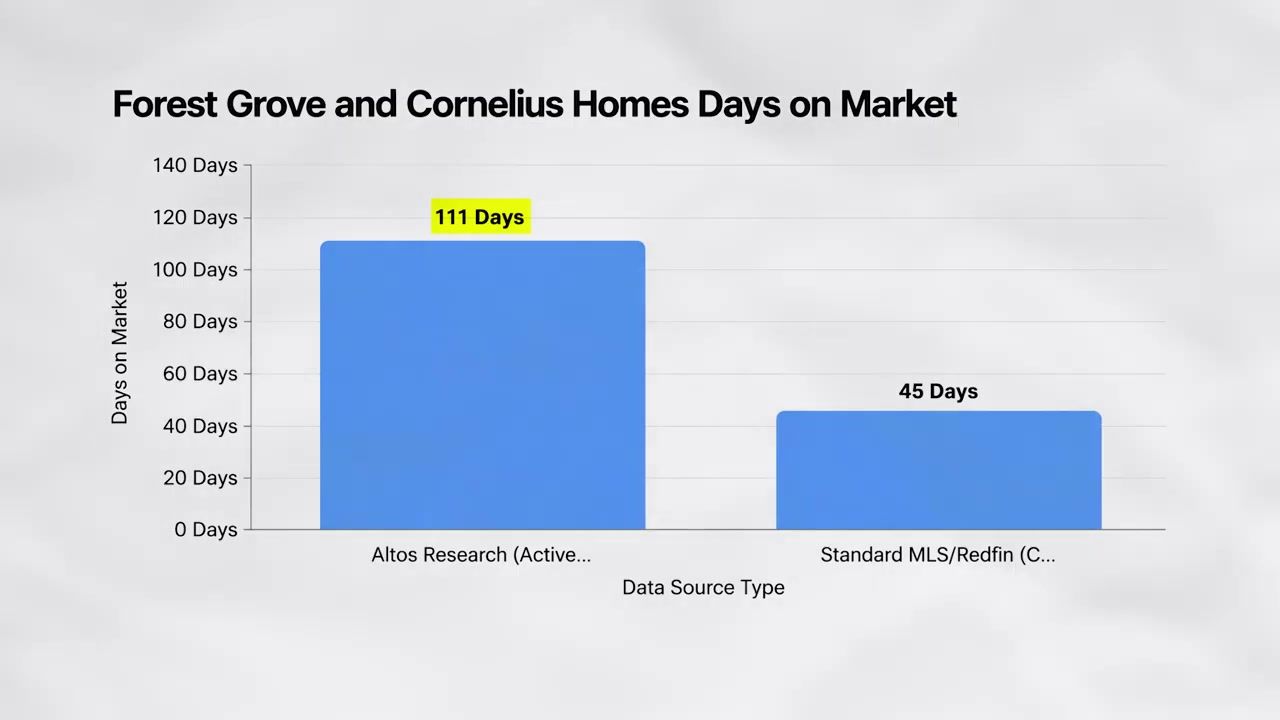
Forest Grove and Cornelius boomed with new construction over the last few years. Builders could buy cheap land out there, build at very reasonable prices, and offer features like 3-car garages that you won't find closer in without paying a premium. Then interest rates climbed. Prices out there have been getting hit very, very hard.
According to the Altos Report, the average home in Forest Grove and Cornelius is sitting on the market 111 days right now. Over half of the houses in these two areas have had price reductions week over week. Builders are running out of runway on inventory that's been on the books for a long time, and clearing the deck of finished inventory matters more to them than the number on the contract. That's creating one of the most negotiable new construction markets in the entire metro.
If you're a buyer and you're open to being 20 to 35 minutes further out from the tech corridor, this is where you can get a lot for your money. Builders are handing out incentives to move finished homes. You're looking at 3-car garages, newer construction, and strong negotiating position. The trade-off is the commute. If you work in Beaverton or Hillsboro, that drive adds up fast, and when rates are high, buyers pull back closer to the metro.
If you're a seller of a resale home in Forest Grove or Cornelius, here's the honest part: you are competing directly with builders who are offering rate buydowns, closing cost assistance, and outright price reductions. Your list price has to reflect that. If you try to price it like it's 2021, you are going to sit, and sitting can be dangerous. Once you've been on the market for 30 or 45 days, buyers start to wonder what's wrong. Then you're chasing the market down with price reduction after price reduction, and you end up selling for less than if you'd priced it correctly in the first place.
Why This Area Is Struggling
The commute is the biggest factor. When the market was hot and rates were low, buyers stretched out here. They could afford the monthly payment, and the extra square footage and garage space made the drive worth it. But when rates climb to the low 7s, that same buyer pulls back closer in. The monthly payment on a $500,000 home at 7% is a lot different than it was at 3.5%. Suddenly, being 35 minutes from work doesn't feel like a trade-off, it feels like a compromise.
The other issue is inventory. There's a lot of it, and much of it looks similar. When buyers have choices and they're being careful with their money, they start comparing everything. If one builder is offering $15,000 in closing costs and another is offering a rate buydown, the resale home down the street has to compete on price or condition. That's just the reality right now.
Tigard: When Big Homes on Small Lots Compete with Builder Incentives
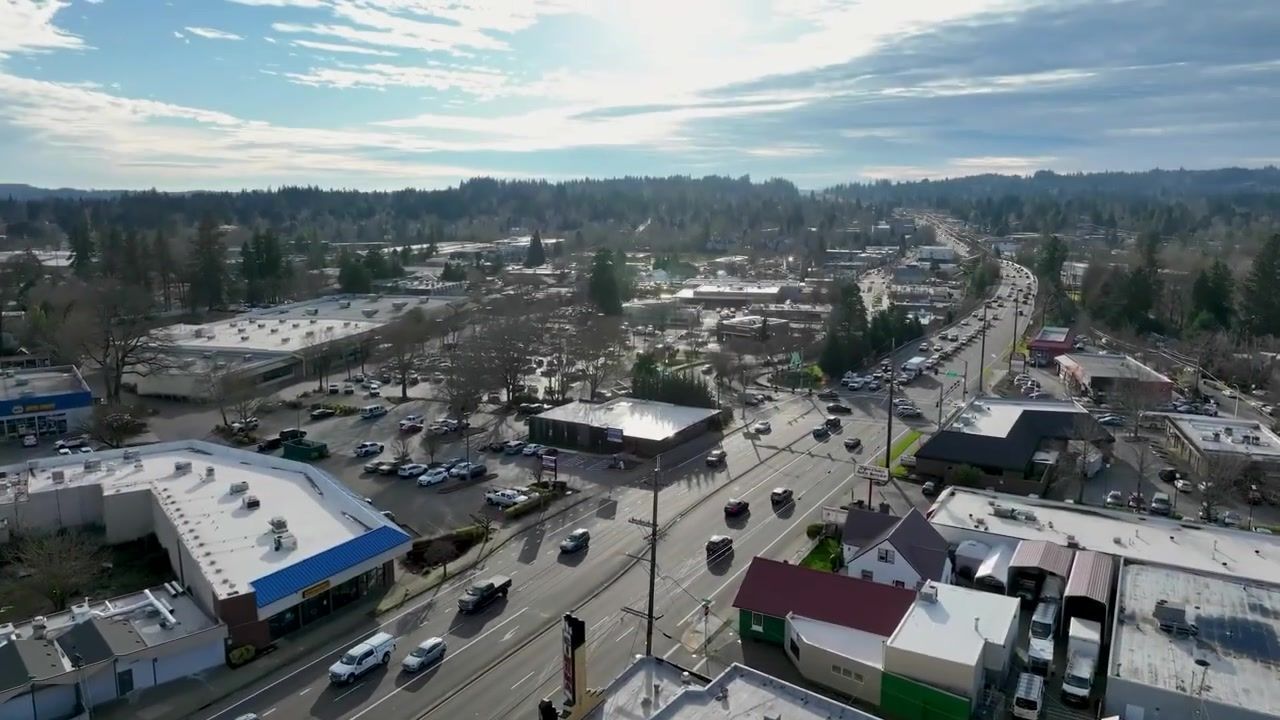
Tigard is a fantastic location. You're close to Portland, you've got access to Highway 217 and I-5, great shopping, established neighborhoods, and a wide variety of housing options. But something interesting is happening in Tigard's housing market right now. According to the latest Altos Research, the average days on market in Tigard is sitting at 97 days. 63% of the homes tracked in Tigard had experienced a price reduction. That is a significant amount of inventory adjusting to what buyers are willing to pay.
So what is going on here? I have two theories. Number one: new construction. Tigard has a pretty interesting mix of housing. You've got established neighborhoods that have been around forever. You've got homes that were built in the '90s, early 2000s, mid-2000s, and then you've got quite a handful of newer construction options competing for those same buyers. And here's where things get tricky for resale sellers in this area. Builders are offering incredible incentives, interest rate buydowns, closing cost assistance, and in some cases outright price reductions. When a builder starts adjusting prices or offering thousands of dollars in incentives, that puts pressure on the resale market right around it because buyers are comparing absolutely everything.
Here's my second theory. Tigard has a particular type of housing inventory that I believe is feeling this market shift more than others. Throughout parts of Tigard, you've got a lot of homes that were built in the '90s and early 2000s, and during that time, the trend was to build big homes. But many of those homes were built either on really small lots, or they were built and they had a lot of intricacies to them. Maybe the floor plan doesn't flow. Maybe the lot feels tight. Maybe the finishes are dated. When buyers have options, they start getting a whole lot pickier about what they're willing to compromise on, and that's exactly what we're seeing.
What Today's Buyers Want
Today's buyers aren't necessarily shopping for the most square footage. They're shopping for the most complete package their money can buy them. They want the functional floor plan, the updated kitchen, the usable outdoor space, and the location that makes their daily life easier. If your home checks most of those boxes, you're in good shape. If it doesn't, you're competing against homes that do, and against builders who are offering brand-new construction with incentives.
Here's the positive side of this whole story. I still think Tigard has a tremendous amount going for it. Its location hasn't changed, its established neighborhoods haven't changed, and the convenience of living here is still a major draw. In fact, for buyers who are willing to do some updating, this could create some real interesting opportunities for you. And for sellers, this doesn't mean your home isn't desirable. It means you need to understand what you're competing against. If your home is beautifully updated, has a functional floor plan, and offers something buyers can't easily find in new construction, you have a real advantage here. And I do mean that.
The market isn't necessarily rejecting Tigard. It's becoming more selective about the homes within Tigard. And I think that's the important distinction, because 97 days on market and a high percentage of price reductions tells us that sellers are having to work harder to find the right buyer at the right price.
Beaverton: Multiple Markets Within One City
Beaverton has historically been one of the most desirable and accessible places to live on the Portland Westside. You've got major employers, established neighborhoods, shopping, restaurants, parks, pretty much everything at easy access. You're close to the tech corridor, if not in it, which makes it really desirable for a lot of buyers. But here's what's happening in the housing market there right now. The average days on market in Beaverton is sitting at 82 days. That's nearly three months.
So what is going on? Beaverton isn't really one housing market. It is a multitude of housing markets within the same city. After all, it is one of our biggest cities on the Westside. You've got new construction homes, you've got legacy homes that are built in the '70s, '80s, and '90s, maybe they're updated, maybe they're not. You've got older neighborhoods, you've got newer neighborhoods. You've got a myriad of neighborhoods, but what I find with Beaverton is a lot of people tend to trend towards some of the same neighborhoods in certain price points they're after, and therefore it makes certain neighborhoods sit on market longer if they're maybe more cookie-cutter or they don't have as much to offer or they're not in the right location or a lot of the neighborhood has rentals in it or they need more updating and improvement.
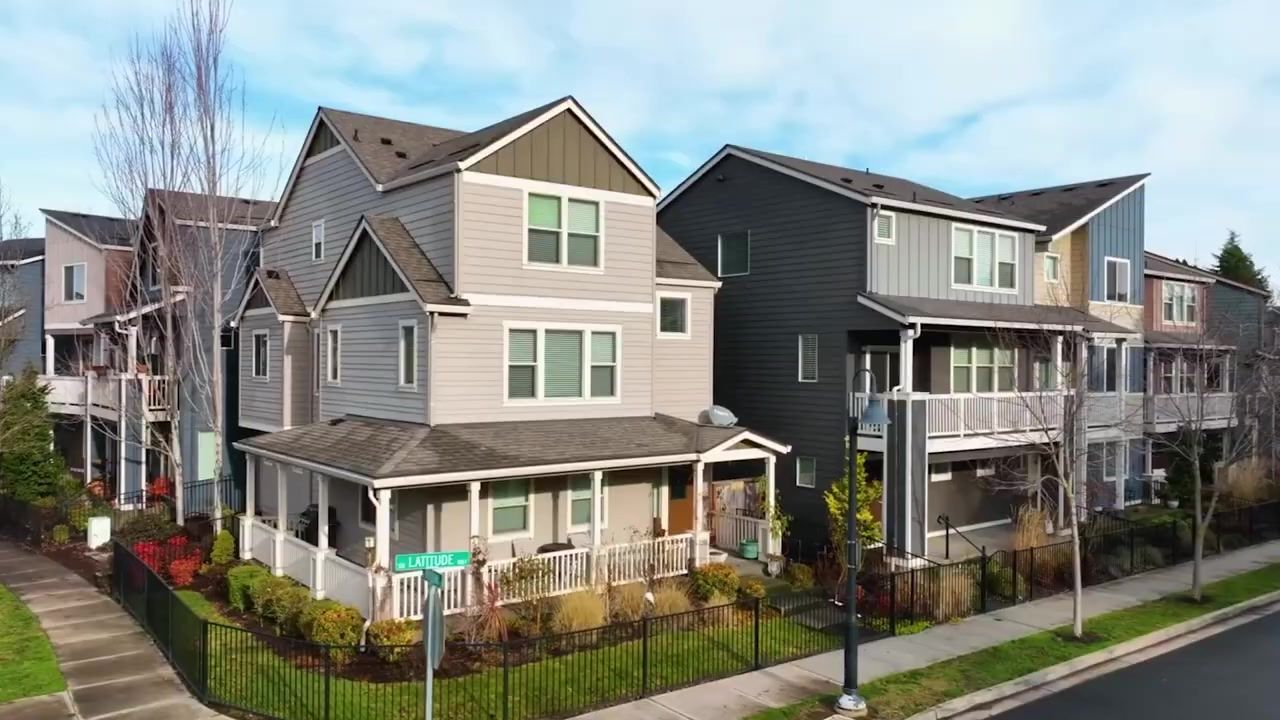
You have everything from million-dollar homes down to affordable options and almost everything in between. That range creates a lot of choice for buyers, but it also means sellers have to be realistic about where their home fits in the pecking order.
Why Older Inventory Is Sitting Longer
Beaverton has a lot of older housing stock. Homes from the '70s, '80s, and '90s are common, and depending on how well they've been maintained and updated, buyers may be looking at some pretty significant expenses to improve them. When you're already stretching to afford a home in Beaverton, those additional expenses can become a major consideration. Especially when you have choices.
The other thing I think is really important to know about Beaverton is that a lot of homeowners are sitting on equity and low interest rates they got during COVID. They're not planning on making any major moves right now. That means inventory is tighter in some pockets, but the homes that are listed have to compete harder. People moving into the area, the buyer energy and the buyer traffic has changed. As we see interest rates kind of climbing and bumping around that 7%, that energy around that buyer pool tends to get dragged down a bit.
It's going to come down to price and condition. Those areas that are older, which Beaverton has a lot of, are going to sit on the market for longer time frames. Bottom line: a lot of buyers in Beaverton have a lot to choose from, and things are just quite frankly taking longer to sell.
What Sellers Need to Know
Don't assume because your home is in Beaverton buyers are automatically going to line up to purchase it. The address is going to get attention and the location potentially, but the price and condition here are what really, really matter in getting buyers prompted to write offers. Beaverton is not losing its desirability, but the market is forcing sellers to be much more realistic about what buyers are willing to consider and pay for.
If you own a home in Beaverton, or any of the areas we're talking about today, and you guess or don't have a strategy going in on the process of selling your home, it will cost you thousands of dollars and likely take up a lot more time than you ever thought possible. That's what we do every day. We help sellers understand the market at the neighborhood level, price it right the first time, and position the home so it stands out. All of our information is listed below if you want to have that conversation.
Forest Heights: Million-Dollar Homes Taking Multiple Price Cuts
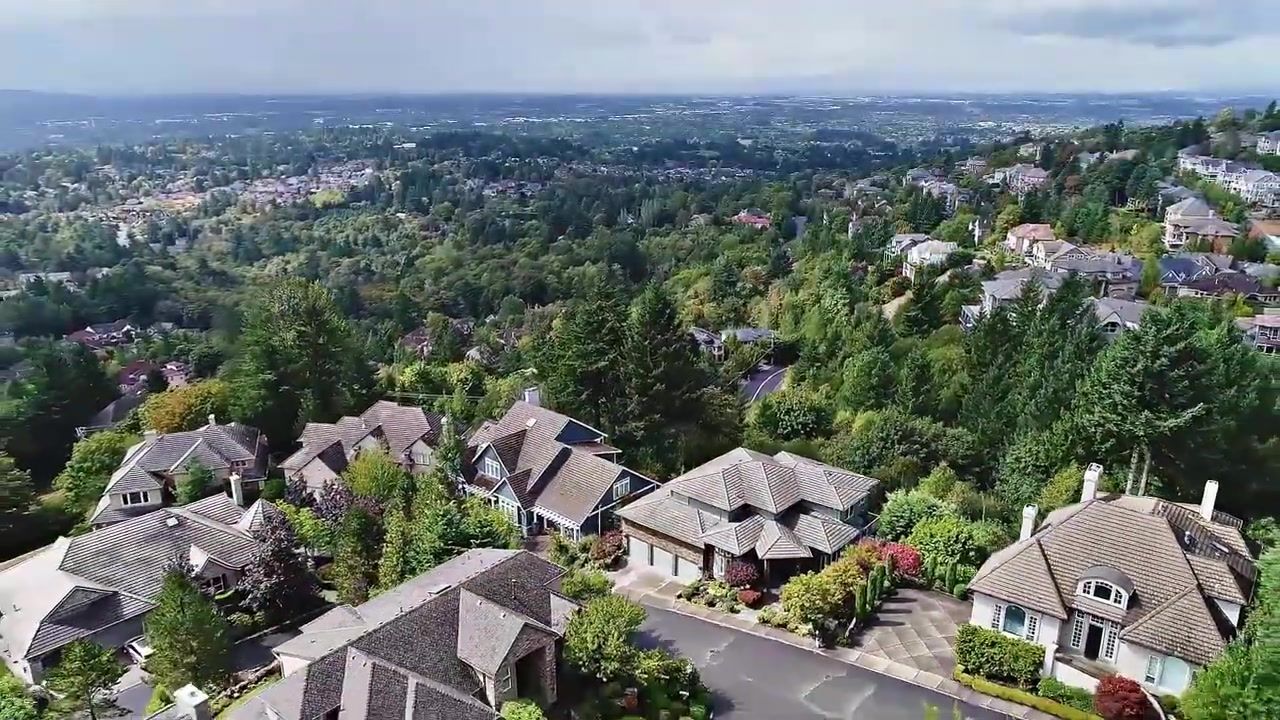
If you thought Beaverton sitting at 82 days on market was surprising, this next area is the one I've been watching very closely. Quite frankly, it's one of the pockets that surprised me the most over the last 12+ months, and it's Forest Heights. It's tucked up in Portland's West Hills just above Highway 26. Historically, this has been one of the more desirable higher-end luxury neighborhoods in the Portland metro. We are talking big, beautiful homes, established neighborhoods, mature trees, and a fantastic location.
But something interesting is happening up there right now. We're seeing properties with multiple price reductions. Some of these homes originally hit the market at or around $1 million to $1.4 million, and some are ultimately closing considerably less than that. In certain cases, sellers are making one price adjustment after another to get buyers through the door. And I have a couple of theories as to why.
The Buyer Pool Has Changed
Number one: the buyer pool has changed. Forest Heights has historically attracted a lot of buyers working in the technology and corporate sectors. If you're considering purchasing a $1.2, $1.3, $1.4 million house, which is pretty common up in that area, that's a pretty significant financial commitment. If there's uncertainty surrounding your industry or your employer, or you're kind of hesitant because you want to see how the next year or two goes, you might decide you're just not going to pull the trigger right now unless you're getting a pretty good deal. Or you might look at a lower price point. And when enough buyers start making those decisions, it can have a noticeable impact on the neighborhood that historically attracted that particular buyer demographic.
The Homes Are Aging
Here's another factor. Number two: the homes themselves are actually getting older. A lot of Forest Heights was developed in the '90s and early 2000s, and during that time, builders were constructing some really big, beautiful homes. But many of them are still 1998 or 2002. A lot of things are approaching their 30-year mark, and depending on how well it's been maintained and updated, buyers may be looking at some pretty significant expenses to improve these houses. And when you're already spending a million-plus on a home, those additional expenses can become a major consideration. Especially when you have choices.
Here's what I think is happening: buyers are comparing what a million dollars buys them in Forest Heights versus what the same million dollars buys them somewhere else. And that's where some Forest Heights sellers are running into trouble. They're looking at what their neighbors sold for a few years ago, and they're looking at what they originally paid for the house, or maybe they even dumped some money into it and didn't improve it. And now they're looking at the size of their home and the prestige of the neighborhood, and they're assuming buyers will place the same value that they do on it.
What Makes Forest Heights Special
I want to give Forest Heights some credit because there are things about this neighborhood that you simply cannot replicate. It's got incredible mature landscaping. They do a beautiful job maintaining this neighborhood, and the proximity is pretty fabulous. You're really minutes and moments to downtown Portland, Highway 26. And I think that the lesson we're seeing play out in Forest Heights right now is that buyers are being cautious and careful.
For sellers, this means you really need to understand your competition. If your home hasn't been updated in 20 years, you cannot necessarily price it along some of the renovated properties and expect the buyer to make up the difference. And if you've already been sitting on the market for several months, making small price reductions every few weeks may not be enough to change the conversation. Sometimes the market is telling you something and you have to be willing to listen to it.
For buyers, this is where things could get really interesting. If you've always loved Forest Heights but felt priced out of the neighborhood, this is an area worth taking a look at. You still need to understand what the house is offering based on what the market is doing, but the opportunity in general to negotiate may look very different today than it did just a few years ago.
Here's what I want you to take away from Forest Heights: the neighborhood hasn't lost the things that made it desirable, but the price buyers are willing to pay for certain homes within that neighborhood may have changed. And those are two very different things, because in real estate, location always matters. Forest Heights is a perfect example of why understanding the market at the neighborhood level matters so very much.
Wilsonville: The Deep Suburbs Where Geography Matters Most
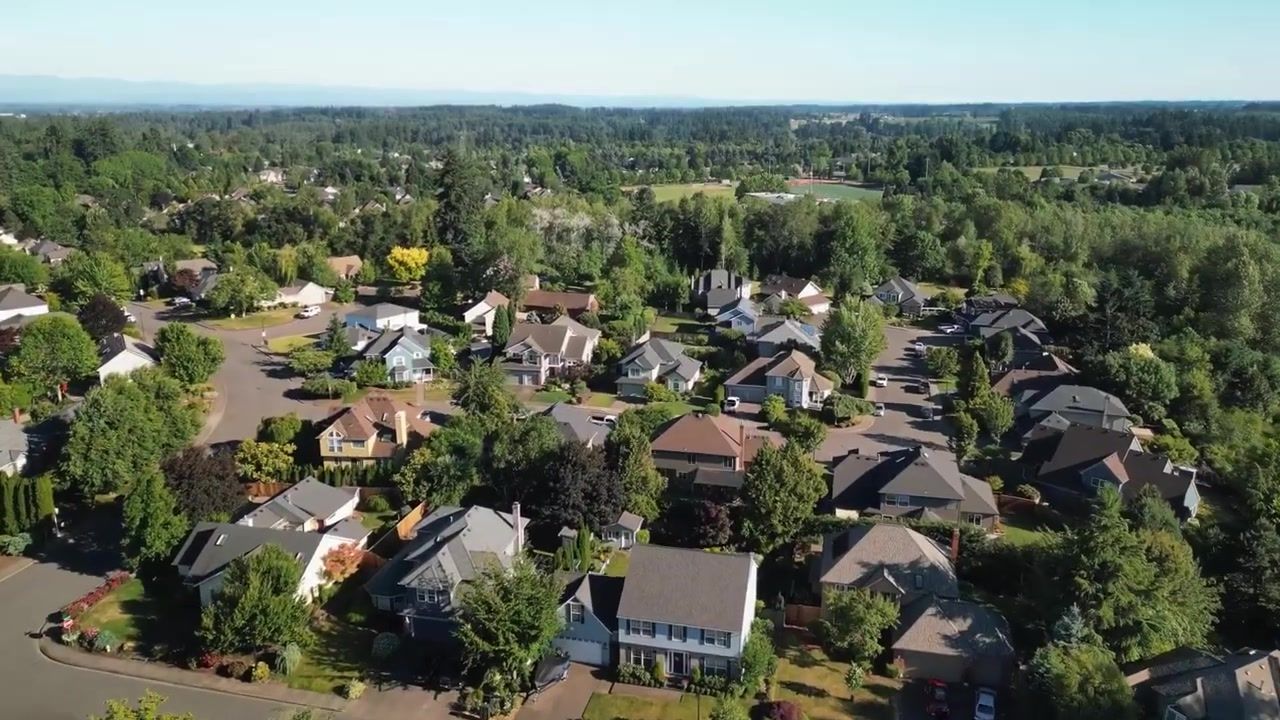
105 days, that is the average time a home is taking to sell in Wilsonville right now. And here's the other number that tells you where the market really is: 54% of active Wilsonville listings already had a price reduction week over week. So if you're a seller in Wilsonville, that means the person down the street from you has already blinked.
So what happened? Wilsonville is a great community. There is a lot to like about it, and that is not the issue. And for buyers who care about schools specifically, that's something you'll want to research. It's very much tied to a great school district known as West Linn. But here's the honest truth: Wilsonville sits further away from the metro. You're down I-5 heading towards Salem. It's what I call the deep suburbs, and that geography is exactly what makes it more vulnerable to market shifts.
When the market is hot and rates are low, that's a completely fine trade for a lot of buyers. Buyers stretch out and that's when Wilsonville wins. But when rates start climbing and the market gets tougher, those same buyers pull back closer in.
Two Types of Inventory
Wilsonville is essentially two products in my opinion. You've got the older homes built in the '90s and they need updates, or you've got kind of that newer construction type property. When 40 houses in one neighborhood share the same three floor plans, buyers who are being picky right now have a much harder time falling in love with any one of them, and it kind of becomes a shopping list, not a decision. That cookie-cutter feel makes it hard for buyers to get emotionally attached, and when they're not emotionally attached, they're comparing price and incentives.
If you own a home in Wilsonville, this is not a market where you can list at last year's number and hope that you get what you get. You are competing against a lot of inventory that is similar to yours. Your first list price has to acknowledge that, or you're going to be sitting for a while unless you have a compelling enough reason to get your asking price.
The Buyer Opportunity
If you're a buyer and Wilsonville is on your list, this is one of the strongest negotiating positions on any home in the metro right now. This is where you have that ability as a buyer to kind of come in and start talking to the seller. You can write an offer with an inspection contingency. You can ask for repairs. You can ask for rate buydowns at times. You can ask for update credits. And you know, the sellers are usually being a lot more open to these things. They're not giving away their houses, so don't expect that. But it is important to know that this is an opportunity that I've not seen in a long, long time.
Which Westside Area Offers the Strongest Buyer Leverage Right Now
So what do you actually do in a market where Forest Grove builders are telling you to write them anything, or a Forest Heights market where premium homes are stacking price reductions? The answer depends on whether you're buying or selling, and what you're willing to trade off.
If you're selling, price it right the first time. That's the whole strategy. If you price too high or leave too much room for negotiations, you could sit and sit. And once you've been on the market for 30 or 45 days, buyers start to wonder what's wrong. Then you're chasing the market down with price reduction after price reduction, and you end up selling for less than if you'd priced it correctly in the first place.
If you're buying in one of these areas, you have more room to negotiate than you've had in years. You can write an offer with an inspection contingency. You can ask for repairs. You can ask for rate buydowns. You can ask for update credits. And sellers are usually being a lot more open to these things. Areas like Forest Grove where they're telling you to write anything, that's an opportunity that I've not seen in a long, long time.
Trade-Offs to Consider
Choose Forest Grove or Cornelius if you want the most negotiable new construction market in the metro, you're open to a longer commute, and you value space and features like a 3-car garage over proximity to the tech corridor.
Choose Tigard if you want established neighborhoods, great shopping, and access to Portland, but you're willing to be selective about the home itself. Updated homes with functional floor plans will move. Dated homes on small lots will sit.
Choose Beaverton if you want to be close to the tech corridor and you have a clear sense of what you're looking for. Beaverton is not one market, it's many markets within one city. Price and condition matter more than the address.
Choose Forest Heights if you've always wanted to live in the West Hills and you're willing to negotiate or take on updates. The location cannot be replicated, but the buyer pool has changed and sellers are adjusting.
Choose Wilsonville if you care about schools and you're open to being further from the metro. This is one of the strongest buyer negotiating positions in the metro right now, but geography matters when rates are high.
Conclusion: Price It Right or Chase the Market Down
There's no such thing as one general Portland market. There are streets, there are neighborhoods, there are price bands, there's style of homes, there's the distance you are from the Portland metro, and then there's of course your house specifically. Maybe its condition has challenges, maybe it's impeccable, and that matters. And that's the thing that costs people money, they list knowing very little data, very little information about the general market, their area, and specifically their house. And then months later, they're dropping the price and netting less than they ever thought they would have to.
The same mistake happens to you too if you're a buyer. You're flying into town one weekend, you're looking at a handful of homes, and you make a decision not knowing the full picture. You just have to reach out to us. We will get to your specific situation very quickly, and we do consultations on Zoom every week, especially for out-of-towners who need access to a strategy without having to physically be here.
If you're thinking about buying or selling on Portland's Westside, let's talk. I'm Anne Stewart, and my team and I are in the field every day watching what's actually happening in these neighborhoods. We'll help you price it right, position it right, and negotiate from a place of knowledge, not guesswork. Reach out. Let's get you where you need to go.
FAQ
How long are homes sitting on the market in Forest Grove and Cornelius?
The average is 111 days right now, and over half of the homes in these areas have had price reductions. Builders are clearing finished inventory with incentives, which makes this one of the most negotiable new construction markets in the metro. If you're open to the commute, you can get a lot for your money.
Why are Tigard homes taking so long to sell?
Tigard homes are averaging 97 days on market, and 63% have had price reductions. A lot of homes were built in the '90s and early 2000s, big homes on small lots with dated finishes. Buyers today want the complete package, not just square footage, and they're comparing resale homes to new construction with builder incentives.
Is Beaverton still a good place to buy?
Absolutely. Beaverton is still one of the most desirable and accessible places on the Westside. The average days on market is 82 days, which tells you the market is more selective, but it's not rejecting Beaverton. Price and condition matter more than the address. If your home is updated and well-positioned, it will move.
What's happening in Forest Heights?
Forest Heights is seeing properties with multiple price reductions. Some homes originally listed at $1 million to $1.4 million are closing considerably less. The buyer pool has changed, tech and corporate buyers are hesitant, and many homes are approaching 30 years old and need updates. The location is still incredible, but buyers are comparing value across the metro.
Why is Wilsonville inventory sitting so long?
Wilsonville is averaging 105 days on market, and 54% of listings have had price reductions. It's further from the metro, and when rates climb, buyers pull back closer in. The other issue is that many neighborhoods share the same floor plans, which makes it hard for buyers to fall in love. But for buyers, this is one of the strongest negotiating positions in the metro right now.
Should I wait for rates to drop before buying?
You can wait, but you'll be competing with more buyers when rates drop. Right now, you have negotiating power. You can ask for inspection contingencies, repairs, rate buydowns, and update credits. In areas like Forest Grove and Wilsonville, sellers are being a lot more open to these things than they've been in years.