A huge, windowless building is going up in Hillsboro. It hums around the clock, uses an extraordinary amount of electricity, and may use significant water depending on how it is cooled. Naturally, that has sparked a lot of questions about Portland real estate: Will a nearby data center hurt home values? Will it raise our power bills? And what does it mean for neighborhoods already competing for housing and infrastructure?
We do not need to panic, but we do need to pay attention. The honest answer is more nuanced than the usual social-media hot take. Data centers do not automatically cause a property-value collapse, but the impact on any individual home can be very real when the facility is close enough to see, hear, or feel.
Key Takeaways
- Data centers support internet, cloud services, banking, streaming, and growing AI demand.
- Available research does not show an automatic home-value collapse near data centers, but property-specific impacts matter.
- Fence-line noise, construction, visibility, traffic, and transmission lines can affect a nearby home's marketability.
- Oregon created separate large-user electricity rates to help keep data center infrastructure costs from shifting to households.
Table of Contents
- What a Data Center Actually Is
- Why Oregon and Hillsboro Are Major Data Center Hubs
- Do Data Centers Lower Home Values?
- Where Data Centers Can Hurt Nearby Homes
- Data Centers and Your Power Bill
- Land, Water, and Local Pushback
- Practical Advice for Portland Real Estate Buyers and Sellers
What a Data Center Actually Is
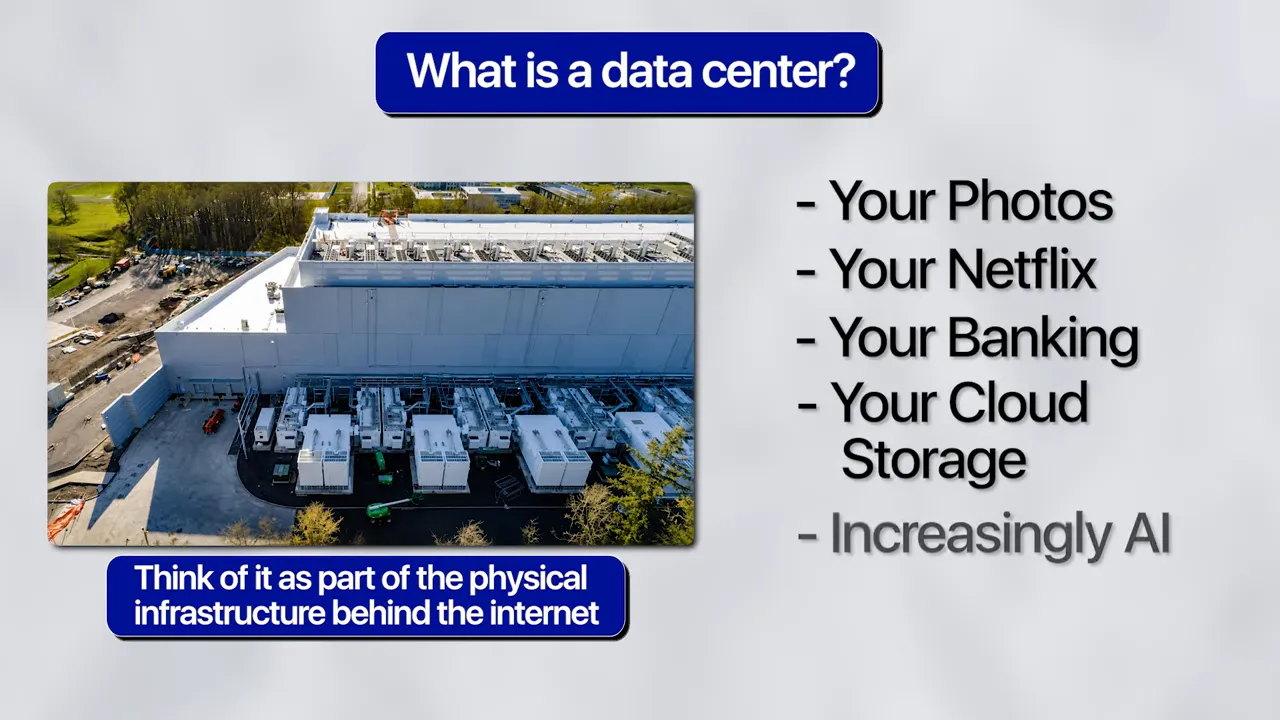
A data center is essentially a very large building packed with computer servers. It is part of the physical infrastructure that keeps modern life moving. Our online photos, streaming services, banking, cloud storage, and increasingly artificial intelligence all depend on servers doing work somewhere.
Every time we ask an AI tool a question, data center equipment is doing the computing behind the scenes. That demand is growing rapidly. In 2023, data centers accounted for roughly 4.4% of all electricity used in the United States. The Department of Energy projects that share could rise to between 6.7% and 12% by 2028, with AI as a major driver.
This growth is why data centers have become a Portland real estate conversation rather than just a technology-industry story. These buildings need land, massive electrical capacity, fiber connections, cooling systems, and a local government willing to permit them.
Why Oregon and Hillsboro Are Major Data Center Hubs
Oregon checks a lot of boxes for this industry. We have no sales tax, relatively abundant Northwest power, a cool climate, and extensive fiber infrastructure. Those ingredients make the state attractive for facilities that need to run continuously and move enormous amounts of data.
Hillsboro sits right in the middle of this growth. It is one of Oregon's largest data center clusters, and it has another major advantage: several trans-Pacific undersea internet cables come ashore on the Oregon Coast and connect into Hillsboro's fiber and data-center network.
That connection matters. Hillsboro is not randomly getting large industrial buildings. It is positioned within a broader network that makes it valuable to companies operating cloud services, internet infrastructure, and AI systems. For Portland real estate, that means these facilities are likely to remain part of the regional land-use discussion.
Do Data Centers Lower Home Values?
Here is the part where we should not let fear outrun the facts. The evidence available does not support a blanket statement that a data center near a home automatically tanks its value.
A 2025 George Mason University study examined thousands of home sales in Virginia, the country's largest data center market. In that study, homes closer to data centers did not sell for less. They actually tended to sell for more.
Another analysis examined 100 homes surrounded by five data centers in Indiana over five years. Those homes appreciated by 41%, compared with 42% for the surrounding market. That is effectively a wash, not a collapse.
But this does not mean data centers boost Portland real estate values. Newer research has associated data center development with slower home-price growth in some situations. The key point is that averages are not the same thing as a property's actual experience.
For Portland real estate, the relevant question is not simply, “Is there a data center in this zip code?” It is, “How does this particular facility affect this particular house?”
The Property-Specific Factors That Matter
- Distance: A home several blocks away is a completely different scenario from a home directly on the fence line.
- Visibility: A large industrial structure in a backyard sightline can affect a buyer's perception, even when broader market statistics look stable.
- Noise: Cooling and mechanical equipment can create a continuous hum.
- Transmission infrastructure: New or highly visible electrical lines are not a feature most buyers are excited to inherit.
- Traffic and prior use: Construction traffic, service activity, and what occupied the land before development all affect how a change is received.
This is why Portland real estate is always local. A neighborhood-level statistic cannot tell us whether a bedroom has a view of a giant facility, whether a patio catches a mechanical hum, or whether an empty field next door is becoming an active construction site.
Where Data Centers Can Hurt Nearby Homes
The Fence Line Problem
The highest-risk situation is the fence line. If the data center is directly behind a house, visible from the backyard, or close enough that equipment can be heard, that is a different conversation than simply sharing a zip code.
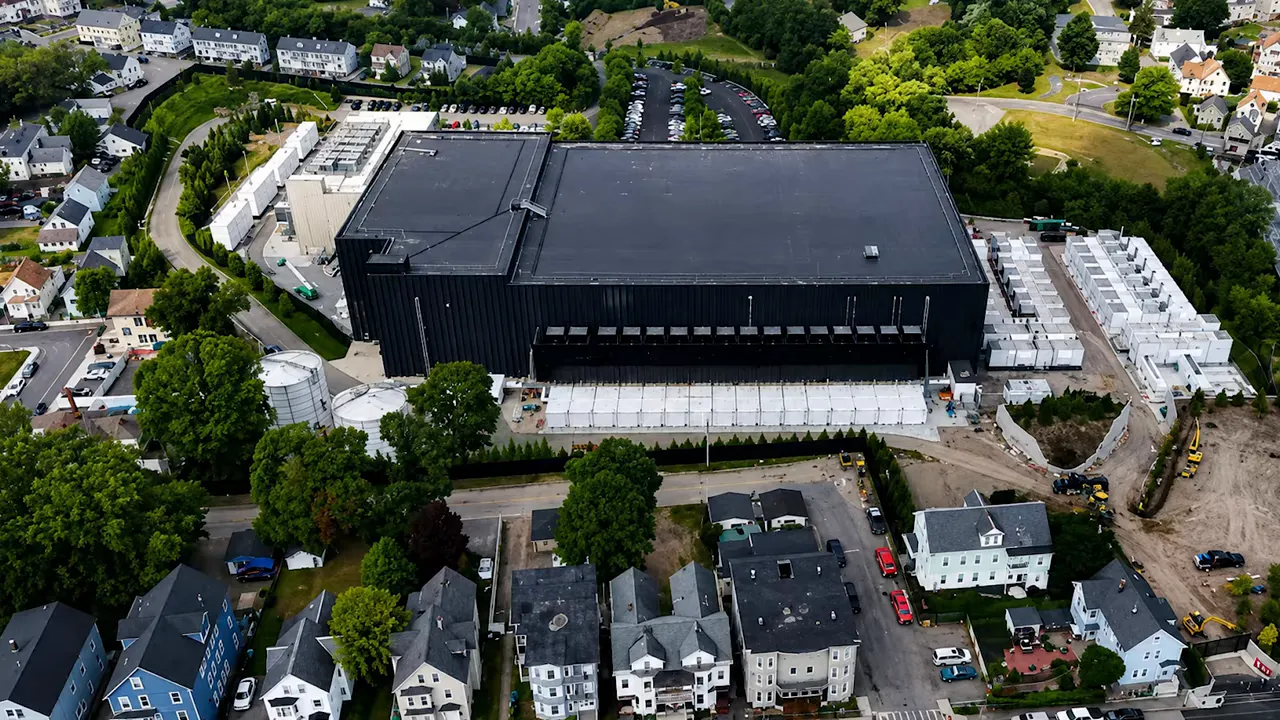
Data centers can create a continuous, 24-hour hum. Neighbors in Michigan and Wisconsin have filed lawsuits alleging excessive nonstop noise. One Michigan resident compared it to having a vacuum cleaner running in the living room that never shuts off. In the Michigan case referenced, the operator even offered to buy some affected homes.
That does not mean every nearby property faces that outcome. It means we should never use broad Portland real estate averages to dismiss a real, property-level nuisance.
Construction Is a Real, Temporary Cost
These are massive projects. A large data center can require more than a year of construction, and some campuses are built in phases over several years. That can mean trucks, dust, equipment, road activity, and persistent construction noise.
Construction is temporary, but that does not make it irrelevant if we are selling a home while it is happening next door. Buyers notice what is immediately outside the property. In Portland real estate, timing matters. A home might be perfectly positioned after construction is complete, yet harder to market during the loudest and messiest stage.
Data Centers and Your Power Bill
The more widespread concern may be electricity. Data centers are exceptionally power-hungry, and new demand requires utilities to build more generation, more transmission, and more infrastructure.
Oregon addressed the risk of pushing those costs onto households and small businesses through the 2025 Power Act. The state created a separate rate class for very large electricity users. The underlying idea is refreshingly straightforward: growth should pay for growth.
In July 2026, regulators approved a significant change for PGE. Electricity rates for large data center customers increased by an average of 29%, while residential rates dropped by 1.3%. If data center demand drives billions of dollars in electrical infrastructure costs, those large users should pay a fair share rather than transferring the bill to ordinary customers.
That said, we should not blame every power-bill increase on data centers. PGE customers have already experienced substantial rate increases in recent years, and other costs matter too:
- Wildfire protection
- Higher power costs
- General infrastructure upgrades
- Other utility expenses
Still, data centers add huge new demand to the grid. Electricity affordability affects every household, which makes utility policy relevant to Portland real estate well beyond neighborhoods adjacent to a facility.
Land, Water, and Local Pushback
Data center developers can pay enormous premiums for sites with access to electrical capacity and fiber. The problem is that those are the same limited resources our growing metro area needs for housing and other development.
These facilities consume developable land and a tremendous amount of power. Depending on the cooling method, some can also require significant water. In a region already struggling to build enough homes, it is reasonable to ask whether land and infrastructure capacity are being allocated in the best way for long-term Portland real estate health.
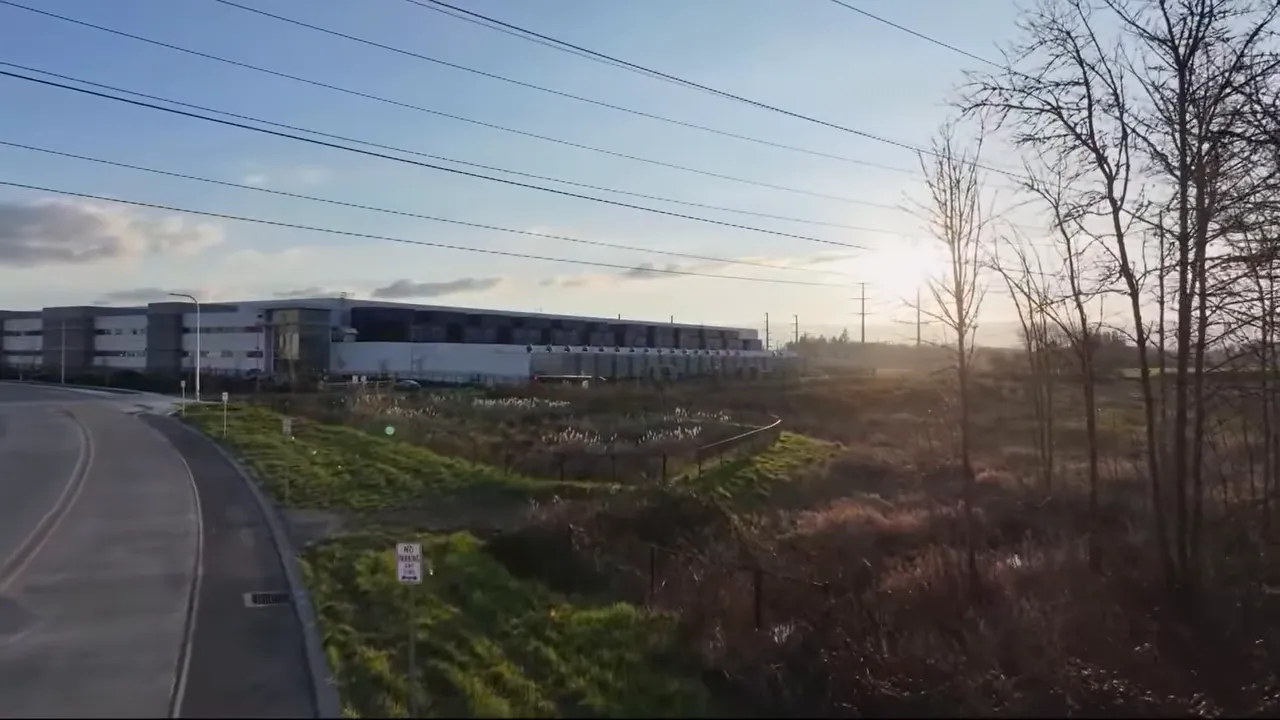
The local pushback is real. In 2026, Oregon enacted a temporary moratorium on new data center applications for enterprise-zone tax breaks. A lawsuit is challenging certain data center tax-abatement agreements approved in Hillsboro.
Then Hillsboro took its own step. On July 27, 2026, the city enacted a 120-day moratorium on new data center applications while considering changes to the rules governing where and how these facilities can be built. That does not mean data center development is over. It means the conversation is changing quickly, and local governments are taking a closer look at the tradeoffs.
Practical Advice for Portland Real Estate Buyers and Sellers
We should not cross a great house off the list just because there is a data center somewhere in the zip code. The evidence suggests that, for many homes, it will probably be fine.
But “probably fine” is not a substitute for due diligence. When buying Portland real estate near a data center or a likely development site, make this part of the homework:
- Visit the property at night, when neighborhood noise is easier to assess.
- Stop, listen, and pay attention to whether there is a mechanical hum.
- Check county maps for proposals on nearby empty lots and fields.
- Look for transmission infrastructure and consider likely future sightlines.
- Talk with nearby neighbors about noise, construction activity, and traffic.
- Consider whether the home is directly affected or simply located in a community with data centers.
If we are selling Portland real estate near one, disclosure and smart positioning matter. Be direct about the nearby facility where appropriate, emphasize the property's genuine strengths, and price based on the actual buyer experience. A seller cannot talk away a backyard view or noise concern, but a well-priced home with a strong location can still compete.
The bottom line is simple: a data center in the area is not an automatic reason to panic. A data center directly behind the house, however, deserves a much closer look. The best decisions come from checking the exact location, understanding what is proposed nearby, and evaluating the property as it actually lives day and night.
Thinking About Buying Portland Real Estate?
If you’re considering buying a home in Portland or the surrounding area, call me at 503-804-1466 - I can help you compare your options, understand the market, and find a home that fits your budget and lifestyle.
Frequently Asked Questions About Data Centers and Portland Real Estate
Do data centers automatically lower Portland real estate values?
No. The available studies discussed do not show an automatic decline in nearby home values. However, the impact depends heavily on the specific property's distance from the facility, noise exposure, visibility, traffic, and surrounding infrastructure.
What should we check before buying near a data center?
Visit at night, listen for mechanical noise, check county maps for proposed development, inspect nearby transmission infrastructure, and speak with neighbors about construction, traffic, and daily conditions.
Why are so many data centers being built in Hillsboro?
Hillsboro benefits from Oregon's lack of sales tax, cool climate, access to Northwest power, extensive fiber infrastructure, and connections to trans-Pacific undersea internet cables landing on the Oregon Coast.
Are data centers the only reason electric bills have increased?
No. Electricity costs are also affected by wildfire protection, higher power costs, infrastructure upgrades, and other expenses. Data centers do add major demand to the grid, which is why Oregon established a separate rate class for very large users.