Inside Lake Oswego: Why Portland's Most Sought-After Suburb Commands Premium Prices
The first thing you notice when you cross into Lake Oswego is how the trees close in overhead and the traffic noise drops away. You are still only fifteen minutes from downtown Portland, but the density and grit of the city feel like another world. This is not Beaverton's sprawl or West Linn's newer construction energy. Lake Oswego has been the address people whisper about for decades, the place where old Portland money settled and where tech executives from Intel and Nike still buy when they want privacy, walkability, and a name that carries weight.
I have been selling homes on Portland's westside for over twenty years, and Lake Oswego remains the market that surprises buyers the most. They expect it to be stuffy or boring. What they find instead is a genuine downtown you can walk, a lake you can actually use, trails that connect neighborhoods, and a school district that consistently ranks among the state's best. The premium is real, homes here start higher and hold value longer than almost anywhere else in the metro, but so are the reasons people pay it.
This is the full tour: what daily life actually looks like here, where buyers find their entry point, how you get around, the local spots that matter, what the community feels like from the inside, and why demand has not let up even when the broader Portland market has cooled. If you have been curious about Lake Oswego but were not sure it was worth the hype, let's walk through it together.
Table of Contents
Daily Life in Lake Oswego
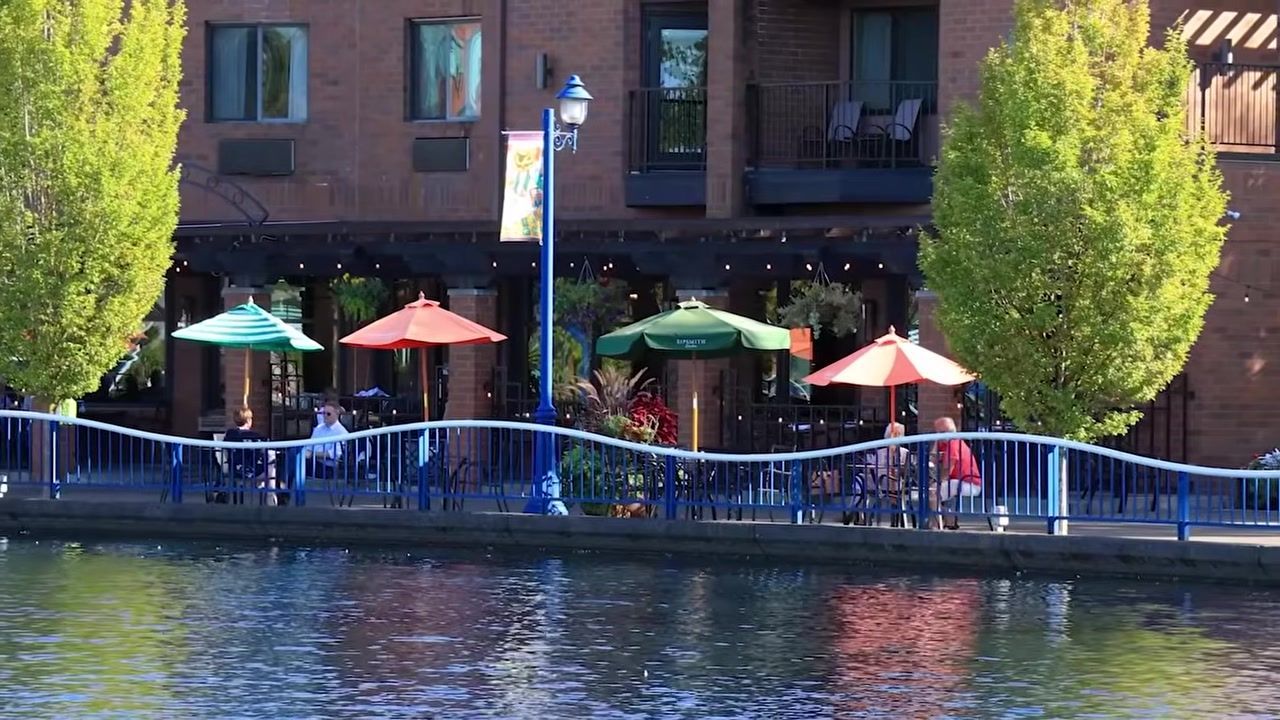
Lake Oswego is not a bedroom community where everyone disappears at dawn and comes home after dark. People live here because they can walk to coffee, meet friends for lunch downtown, and still be home in time to pick up kids from school or hit the trails before dinner. The downtown sits compact and walkable along A Avenue and State Street, with local restaurants, boutiques, a farmers market on Saturdays, and enough third places that you start recognizing faces within a few months.
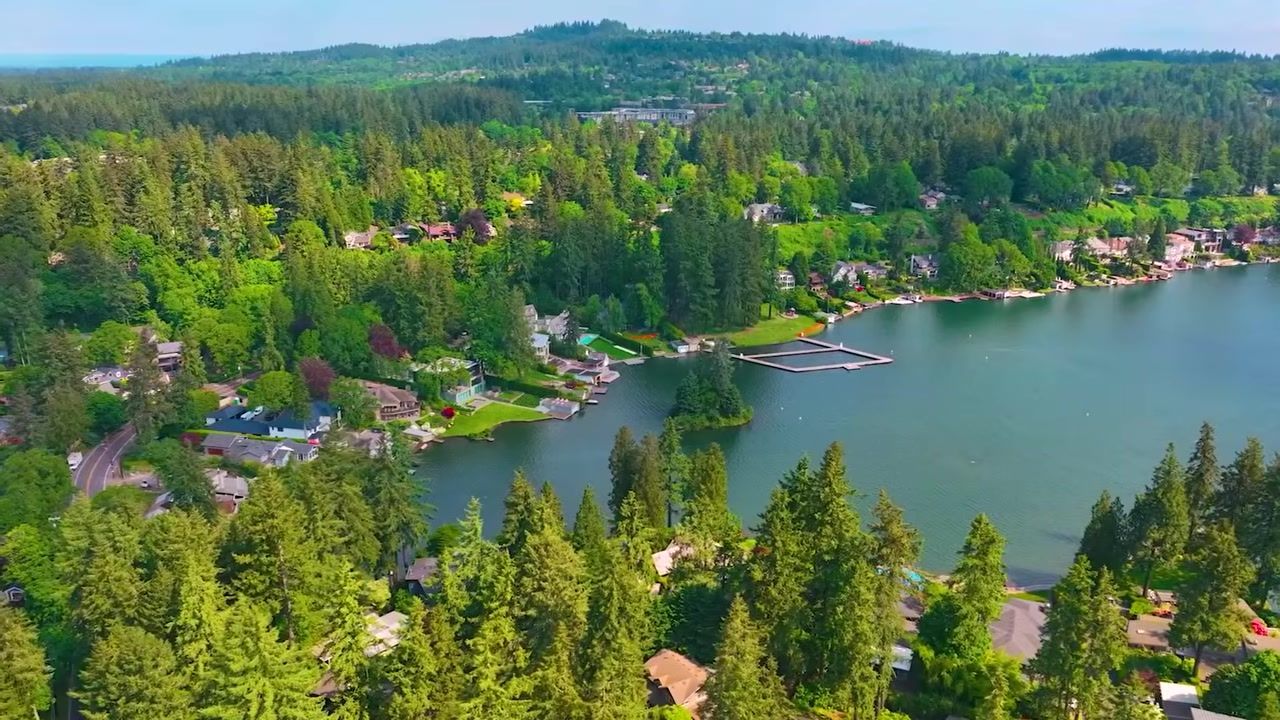
The lake itself, Oswego Lake, is private, which catches newcomers off guard. If you own property with lake rights, you get access to the parks, boat launches, and swim areas managed by the Lake Oswego Corporation. If you do not, you are on the outside looking in. That exclusivity is part of the appeal for some buyers and a dealbreaker for others. The good news is that the city has plenty of public parks, including George Rogers Park along the Willamette River and Luscher Farm, where you can walk trails, play sports, or just let the dog run.
Schools are a huge part of daily life here. Lake Oswego School District consistently ranks at the top in Oregon, and families relocating from out of state often choose this area specifically for the schools. You will see kids biking to school, parents volunteering in classrooms, and a level of community investment in education that shows up in test scores and extracurriculars. If schools are a priority, verify current ratings and boundaries with the district, but the reputation is well earned.
Entry Points for Buyers
Lake Oswego has a reputation for being expensive, and it is, but there are entry points if you know where to look. The challenge is that inventory stays tight. Homes do not sit on the market long here, and when a well-priced listing hits, you are competing with multiple offers even in a slower market.
Condos and townhomes offer the most accessible entry, especially for buyers coming from higher-cost markets like California or Seattle. You can find condos in the low to mid $400s, often in complexes near downtown or along the lake. These are not sprawling units, but they get you into the zip code, the school district, and the lifestyle without the seven-figure price tag. Townhomes typically start in the $500s and go up from there, depending on age, location, and finishes.
Single-family homes are where the premium really shows. Starter homes, and I use that term loosely, begin around $600,000 to $700,000 for older ranches or smaller lots on the edges of the city. Move closer to downtown, the lake, or into neighborhoods with newer construction, and you are looking at $1 million plus without blinking. Luxury properties, especially those with lake rights or significant acreage, can easily push $2 million to $5 million or more.
The key is knowing what you are willing to trade off. If you want walkability and lake access, you pay for it. If you are okay being a bit farther out, closer to West Linn or Tigard borders, you can find more house for the money. But even those edge properties hold value because of the Lake Oswego address and school district.
Getting Around Town
Lake Oswego is not a grid. The streets curve and wind, following the topography of the hills and the lake. That makes for beautiful drives and a sense of seclusion, but it also means you need to know your routes. There is no cutting through quickly here. You learn the main arteries, Highway 43 along the river, Boones Ferry Road heading south, Kruse Way for office parks, and you accept that getting anywhere involves a few turns.
Walkability depends entirely on where you live. Downtown Lake Oswego is genuinely walkable. You can park once and hit multiple errands, grab lunch, and browse shops without getting back in the car. Neighborhoods closer to downtown, like First Addition or Forest Hills, also offer decent walkability to parks and schools. But if you are up in the hills or out near Palisades, you are driving everywhere.
Public transit exists but is not robust. TriMet bus lines run through the area, and the Portland Streetcar has a line that connects Lake Oswego to South Waterfront and downtown Portland, but most residents drive. Commuting to downtown Portland takes about twenty to thirty minutes depending on traffic and where in Lake Oswego you start. Commuting to Beaverton, Tigard, or the westside tech campuses is even easier, often under twenty minutes.
Biking is popular here, both for recreation and transportation. The city has invested in bike lanes and multi-use paths, and you will see serious cyclists on the roads, especially along Stafford Road and into West Linn. Families bike to school and parks regularly, which adds to the active, outdoorsy vibe.
Local Spots Worth Knowing
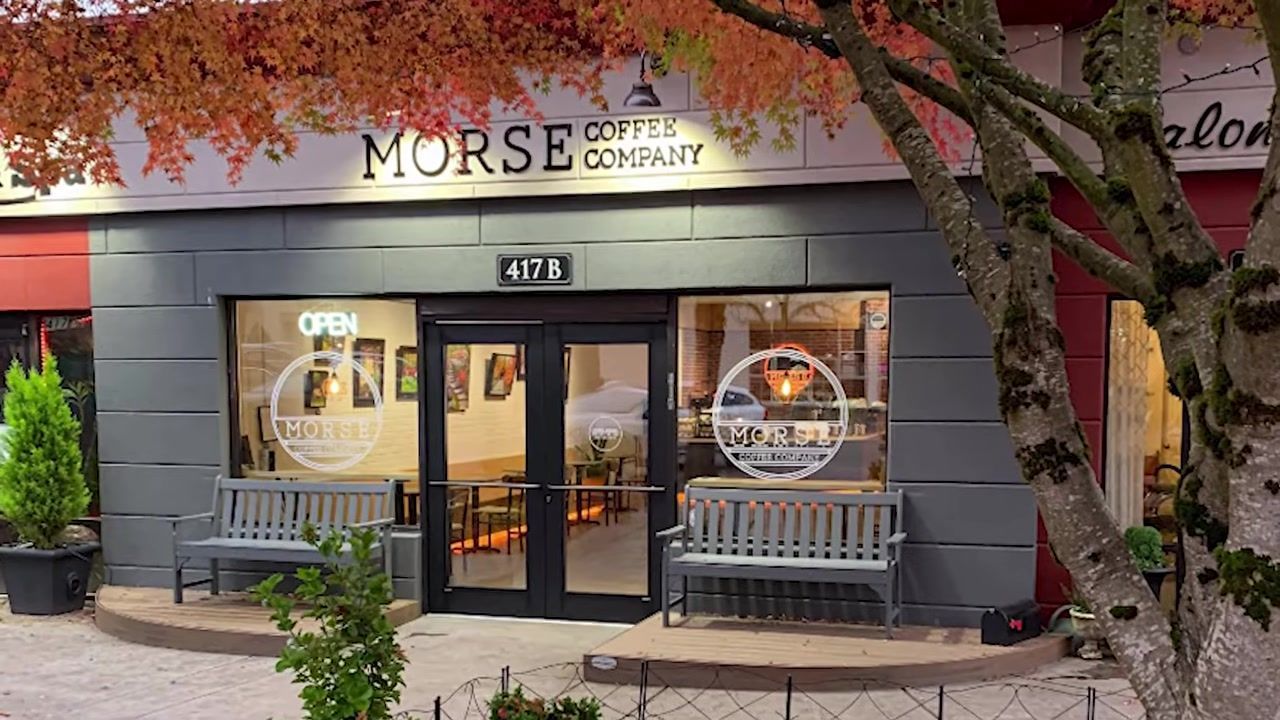
Lake Oswego's downtown is small but functional. You have Starbucks and local coffee shops, a handful of solid restaurants ranging from casual to upscale, and boutique retail that skews toward home goods and women's clothing. It is not trendy in the Portland sense, you will not find food carts or dive bars, but it is polished and convenient.
For groceries, you have New Seasons, Whole Foods, and Trader Joe's all within a few miles. New Seasons on Boones Ferry is the local favorite, with a strong deli and prepared foods section that makes weeknight dinners easier. Whole Foods is just over the border in Tigard, and Trader Joe's is nearby as well.
Restaurants worth knowing include Five Spice for Thai, Nicoletta's Table for Italian, and Babica Hen for brunch. If you want a nicer dinner out, Tucci is a longtime staple. For quick bites, there are pizza places, sandwich shops, and a few chains mixed in. You are not going to find the food scene you get in inner Portland, but you are also not driving thirty minutes for a decent meal.
Parks and outdoor spaces are where Lake Oswego really shines. George Rogers Park along the Willamette has trails, picnic areas, and access to the river. Luscher Farm offers open fields, a community garden, and a dog park. Tryon Creek State Natural Area is technically in Portland but borders Lake Oswego, giving you miles of forested trails just minutes from home. If you have lake rights, the private parks and swim areas are a summer staple.
The Community Feel
Lake Oswego has a reputation for being wealthy and insular, and there is some truth to that. This is not a place where people move for grit or edge. It is quiet, safe, and residential. You will see a lot of Subarus and Teslas, a lot of Patagonia vests, and a lot of buyers who have been here for years. The schools and the lake create a sense of continuity, kids grow up together, parents volunteer together, and there is a shared investment in keeping the community the way it is.
That said, it is not as stuffy as the stereotype suggests. There are young families, tech workers, retirees, and empty nesters all mixed in. The farmers market on Saturdays draws a genuine cross-section of the community, and the parks and trails are busy with people of all ages. It is not diverse in the way inner Portland is, but it is not a gated enclave either.
The Lake Oswego Corporation, which manages the lake and its amenities, is a unique piece of the community fabric. If you own property with lake rights, you are a member, and you get access to the parks, boat launches, and social events. If you do not, you are not. That creates a bit of an insider-outsider dynamic, but it also means the lake stays clean, quiet, and well-maintained.
A Different Side of the Area
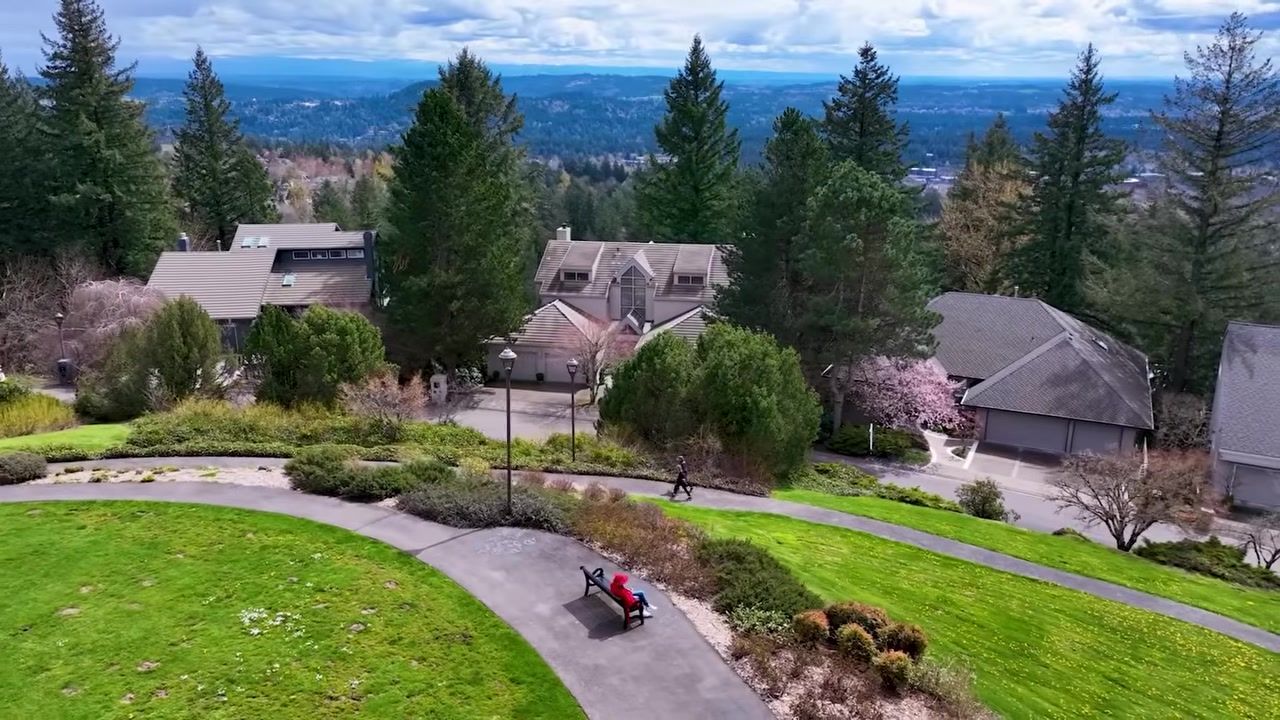
Lake Oswego is not monolithic. The neighborhoods vary widely in character, price, and lifestyle. First Addition, the oldest part of town near downtown, has charming older homes, tree-lined streets, and walkability. Palisades and Westlake are newer, more suburban, with larger homes and a quieter, more spread-out feel. Mountain Park is its own world, gated, exclusive, and expensive, with homes that back up to forest and trails.
The lake neighborhoods, Lakewood, Blue Heron, and others with lake rights, command the highest premiums. You are paying for access, views, and the cachet of being on the lake. These homes rarely hit the market, and when they do, they move fast.
There is also a side of Lake Oswego that borders West Linn and Tigard, where the lines blur a bit. You still get the Lake Oswego address and schools, but the feel is a bit less polished, a bit more suburban. These areas offer better value for buyers who want the school district without paying peak prices.
One thing that surprises people is how much nature you get here. Despite being close to Portland, Lake Oswego feels wooded and green. Deer wander through yards, trails wind through neighborhoods, and you can hear birds instead of traffic. That sense of retreat is a big part of the appeal.
What's Driving Demand
Lake Oswego has always been desirable, but demand has stayed strong even as other Portland-area markets have softened. Part of that is the schools, families will pay a premium to get into a top-rated district. Part of it is the location, close to Portland, close to the westside job centers, but removed from the density and challenges of the city.
The lake itself is a draw, even for buyers who do not end up with lake rights. The idea of living near water, in a community that has protected and maintained that resource for decades, appeals to people looking for stability and long-term value. Lake Oswego has a track record of holding its value through market cycles, which makes it attractive to investors and relocating buyers alike.
Remote work has also played a role. Buyers who no longer need to commute daily are willing to pay more for a home in a place that feels like a retreat. Lake Oswego offers that without requiring you to move to the coast or the mountains. You get the trees, the trails, and the quiet, but you are still fifteen minutes from downtown Portland when you need it.
Finally, there is the intangible factor: the name. Lake Oswego has brand equity. It signals a certain level of success, stability, and taste. That matters to some buyers more than others, but it is part of what keeps demand high and inventory low.
Which Lake Oswego Lifestyle Fits You
Lake Oswego is not one-size-fits-all. Here is how to think about whether it fits your needs:
- Choose Lake Oswego if you want local schools, walkable downtown access, and a community that feels established and stable. You are okay paying a premium for location and reputation, and you value proximity to Portland without living in the city.
- Consider the lake neighborhoods if you want private lake access and are willing to pay significantly more for it. These homes rarely come on the market, and competition is fierce.
- Look at condos and townhomes if you want the Lake Oswego address and schools but need a lower entry point. You will sacrifice space and privacy, but you get the lifestyle and the school district.
- Explore the edges near West Linn or Tigard if you want more house for the money and are okay being less central. You still get the schools and the address, but you lose some of the walkability and lake proximity.
- Skip Lake Oswego if you want urban energy, nightlife, or a more diverse community. This is a quiet, residential suburb, and it does not pretend to be anything else.
Conclusion
Lake Oswego earns its reputation. It is expensive, yes, but it delivers on the promises: top schools, walkable downtown, access to nature, and a community that has maintained its character for decades. The premium you pay here is not just for the address, it is for the lifestyle, the stability, and the long-term value.
If you are relocating to Portland and Lake Oswego keeps coming up in your search, it is worth seeing in person. The feel of the place, the way the neighborhoods flow, and the sense of being close to everything but removed from the chaos, those are things you cannot fully capture in photos or data. I have been helping buyers navigate this market for over twenty years, and I can tell you that the right home in Lake Oswego is worth the wait and the competition.
Let's talk about what you are looking for and whether Lake Oswego fits your needs. I can walk you through inventory, pricing, and the neighborhoods that match your lifestyle. Reach out, and we will set up a time to explore together.
Frequently Asked Questions About Lake Oswego
What is the average home price in Lake Oswego?
Home prices in Lake Oswego vary widely depending on neighborhood, size, and amenities. Condos and townhomes start in the low to mid $400s, while single-family homes typically begin around $600,000 to $700,000 and can exceed $2 million to $5 million for luxury properties with lake access or significant acreage. The market stays competitive, and well-priced homes move quickly.
Do I need lake rights to enjoy Lake Oswego?
No. While lake rights grant access to private parks, boat launches, and swim areas managed by the Lake Oswego Corporation, the city offers plenty of public parks and trails. George Rogers Park, Luscher Farm, and Tryon Creek State Natural Area provide outdoor recreation without requiring lake access. Many residents enjoy the community without owning lake rights.
How are the schools in Lake Oswego?
Lake Oswego School District consistently ranks among the top in Oregon. Families relocating for schools often choose this area specifically for the district's reputation, test scores, and extracurricular offerings. Verify current ratings and school boundaries directly with the district, as information changes.
Is Lake Oswego walkable?
Downtown Lake Oswego is genuinely walkable, with restaurants, shops, and services concentrated along A Avenue and State Street. Neighborhoods closer to downtown also offer walkability to parks and schools. However, if you live in the hills or farther out, you will need a car for most errands. Walkability depends entirely on which part of Lake Oswego you choose.
How long is the commute to downtown Portland?
The commute from Lake Oswego to downtown Portland typically takes twenty to thirty minutes, depending on traffic and your starting point. Commuting to Beaverton, Tigard, or westside tech campuses is often under twenty minutes. Highway 43 and Boones Ferry Road are the main routes, and traffic can slow during peak hours.
What makes Lake Oswego worth the premium?
Buyers pay more for Lake Oswego because of the combination of local schools, walkable downtown, proximity to Portland, access to nature, and long-term value stability. The community has maintained its character for decades, and homes here hold value through market cycles. The premium reflects not just the address but the lifestyle and stability that come with it.