Moving to Portland? Here's What the Locals HATE (and Love)

You've read the blogs. You've seen the headlines. But what's it actually like to live in Portland, Oregon, day in and day out? I went out and asked real people, folks who live here right now, what they love, what drives them crazy, and what they wish they'd known before relocating. Some of them have been here for decades. Others just moved. And what they told me was honest, specific, and sometimes surprising.

If you're thinking about moving to Portland, you need to hear this. Because the people who actually live here don't sugarcoat it. They'll tell you about the walkable neighborhoods and the polite drivers in Tigard. They'll also tell you about the confusing roads, the gray winters, and why so many of them avoid downtown now. This is the unfiltered truth from locals who know what it's really like to call the Portland metro area home.

Table of Contents

What Locals Love About Living in Portland

The first thing people told me? Walkability . One woman who lives in the city said she loves having a walkable community where she can build connections with like-minded people. That sense of neighborhood, where you can walk to coffee, walk to dinner, walk to a park, came up over and over. People here value that proximity.

Then there's the access to everything else. Mountains, ocean, wine country, recreation areas, it's all within two hours. One local told me he loves the hunting, fishing, and crabbing. Another said she rarely goes to downtown Portland anymore because she's closer to wine country on the Westside, and that's where she spends her time now. The beauty of Oregon and how much you can do here is a huge draw.

Friendliness is real. One guy in Tigard joked that Tigard drivers are the most polite drivers in the world, to a fault. People laughed, but they agreed. Portlanders and people in the suburbs are genuinely friendly. You can find something to do any day of the week, whether it's a cool bar, a park, or a community event. And if you live on the Westside near places like Beaverton or Hillsboro , you've got Intel nearby, Progress Ridge for shopping and restaurants, and everything you need without fighting traffic into the city.

The library system in Washington County came up as a surprise favorite. One local volunteers at the Brookwood library and said the programming, the staff, and the resources are phenomenal. It's one of those quality-of-life things you don't think about until you live here.

Why So Many People Avoid Downtown Now

This was the biggest theme I heard, and people didn't hold back. A couple who used to spend time downtown in the '90s, going to the opera, plays, concerts, walking the waterfront, said they don't go anymore. They used to love it. Now they just stay in their area.

Why? Crime, homelessness, drugs, trash, needles on the sidewalk, human feces, tents everywhere. One person in North Portland said it bluntly: you can't walk down the street and feel as safe as you could even in 2019. Another said the city could do more cleanup efforts and wished there were more volunteer programs like there used to be before COVID.

People who live on the Westside told me they rarely go downtown now. They have everything they need, restaurants, shopping, entertainment, right where they are. Progress Ridge in Beaverton, for example, has New Seasons, Whole Foods, Ace Hardware, and a bunch of restaurants that weren't there 10 or 15 years ago. It's become its own hub, and people don't feel the need to drive into the city anymore.

If you're relocating here and you're picturing yourself spending weekends in downtown Portland, talk to locals first. The reality right now is that a lot of people who live here have stopped going.

Portland's Confusing Road Layout

This one made people laugh, but it's a real frustration. Portland roads curve around in bizarre ways. There's no grid. There's no rhyme or reason. One couple said you could be on a road where the sign to your left says 209th and the sign to your right says 54th. It makes no sense.

Everyone I talked to said you just have to use Google Maps. Even people who've lived here for years still get turned around. If you're moving here from a city with a logical grid system, prepare yourself. You're going to get lost. A lot.

The Gray Weather and How to Survive It

The weather came up in almost every conversation, and people were split. Some love the four seasons. Others said the gray winters are heavy and hard, especially if you're not used to it.

One local who relocated from Florida said the key is to have hobbies for every season. In the summer, you're outside all the time. In the winter, you need things to do, skiing, going to the coast, indoor activities, because the rain and the gray can get to you. Another person said to get a happy lamp for your first winter. The gray is real, and it can make you crazy if you're not prepared.

But here's the thing: the rain is why everything is so green. People who love it here love the greenery, the mild winters, and the fact that you can still get outside even when it's raining. You're not stuck indoors for months like you would be in a place with harsh winters. You just need the right gear and the right mindset.

Advice for Anyone Moving to Portland

I asked people what they'd tell someone thinking about relocating here. Here's what they said:

  • Keep an open mind. Portland has the same problems most cities have, but the people here are good people.
  • Be prepared for the gray. If you're coming from a sunny place, the weather will be an adjustment. Get a happy lamp. Find winter hobbies.
  • Think about your commute. If you're living on the Westside and commuting east or to Vancouver, the traffic will wreck you. One local said if you have to commute across town, don't live on the Westside. Traffic is a real problem.
  • Stay out of Multnomah County if you want to avoid the city issues. People who live in Washington County, places like Beaverton, Tigard, Hillsboro, said they love having everything they need without dealing with downtown.
  • City life is different from the suburbs. If you're moving from the suburbs into the city, expect a different pace, different safety considerations, and a different vibe. One person said her sister just moved here, and she told her to be prepared for that shift.

The library system, the accessibility of stores and amenities, the police response time, those were all things people appreciated. One local said when you call the police in their area, they show up. That sense of safety and community matters.

Final Thoughts from the Streets

People love living here. That was clear. They love the access to nature, the friendliness, the walkability, the variety of things to do. But they're also honest about the downsides: the confusing roads, the traffic, the gray winters, and the fact that downtown Portland isn't what it used to be.

If you're thinking about relocating to Portland, the Westside is where a lot of people are choosing to live. You get the amenities, the safety, the community feel, and you're still close to wine country, the mountains, and the coast. You just have to be okay with the rain and the fact that you might not spend much time in the city itself.

The people I talked to have been here for 25 years, or they just moved last year, and they all said the same thing: Portland is a good place to live if you know what you're getting into. Come with realistic expectations, find your community, and get ready to use Google Maps a lot.

If you're thinking about making a move to Portland now or in the future, let's talk. I'll walk you through what it's really like to live here, what neighborhoods make sense for your lifestyle, and how to make a smooth transition to the Portland metro area. Feel free to reach out at  503-804-1466

FAQ

What do locals love most about living in Portland?

Walkability, access to nature, friendly people, and proximity to mountains, ocean, and wine country. People also love the library system in Washington County and the fact that you can find something to do any day of the week.

Why do so many people avoid downtown Portland now?

Crime, homelessness, trash, and safety concerns have changed how people feel about downtown. Many locals who used to spend time there in the '90s and early 2000s now stay in their suburban hubs on the Westside.

Is Portland's road layout really that confusing?

Yes. There's no grid, roads curve in strange ways, and street numbers don't follow a logical pattern. Even longtime residents rely on Google Maps to get around.

How bad is the gray weather in Portland?

The winters are gray and rainy, and it can be heavy if you're not used to it. Locals recommend getting a happy lamp, finding winter hobbies, and embracing the fact that the rain is what makes everything so green.

What's the best advice for someone moving to Portland?

Keep an open mind, be prepared for the weather, think carefully about your commute, and consider living on the Westside in places like Beaverton, Tigard, or Hillsboro if you want access to amenities without dealing with downtown issues.

Is traffic really that bad in Portland?

Yes, especially if you're commuting across town or to Vancouver. If you live on the Westside and work on the east side, expect a rough commute. Plan your home location around where you'll be working.

Portland Life

Stewart Group

Moving To Portland?

Portland Life | Stewart Group - Relocation Guide

Watch Our Portland Videos

Three panels depicting Portland's skyline in 2026, 2028, and 2030 with construction and development activities.
By Anne Stewart • November 6, 2026
Discover 11 majordevelopments transforming Portland Metro through 2030 and what they mean for buyers and sellers.
Scenic suburban street with houses and vibrant landscaping, overlooking a lake and mountains in the background.
By Anne Stewart • October 30, 2026
Discover Portland suburbs perfect for retirement: Sherwood, Tigard, Claremont, Raleigh Hills, Lake Oswego, and Oregon City. Compare amenities and lifestyle fit.
A woman with a surprised expression stands in front of a colorful heat map of Portland's skyline.
By Anne Stewart • October 23, 2026
Explore the 2026 Portland real estate market, including who has more leverage, where buyers may negotiate, and why Lake Oswego remains competitive.
according to the Altos Report, the average home is sitting on the market 111 days in that area
By Anne Stewart • October 16, 2026
Why certain Portland Westside homes sit 80-111 days while others sell fast. Builder incentives, aging inventory, and what it means for buyers and sellers.
If you want a beautifully updated remodeled home, you're often relying on someone else having already done the
By Anne Stewart • October 9, 2026
Lake Oswego, West Linn, Happy Valley, Oregon City, Sherwood, and Tualatin, where Portland relocating buyers face the biggest surprises. Real talk from 25+ years selling here.

There's a lot of variation here, but that is what makes this area extra special.
By Anne Stewart • October 2, 2026
Tigard's median home price is $300K less than Lake Oswego with the same commute. Explore Bull Mountain, River Terrace, and 3 more neighborhoods buyers overlook.
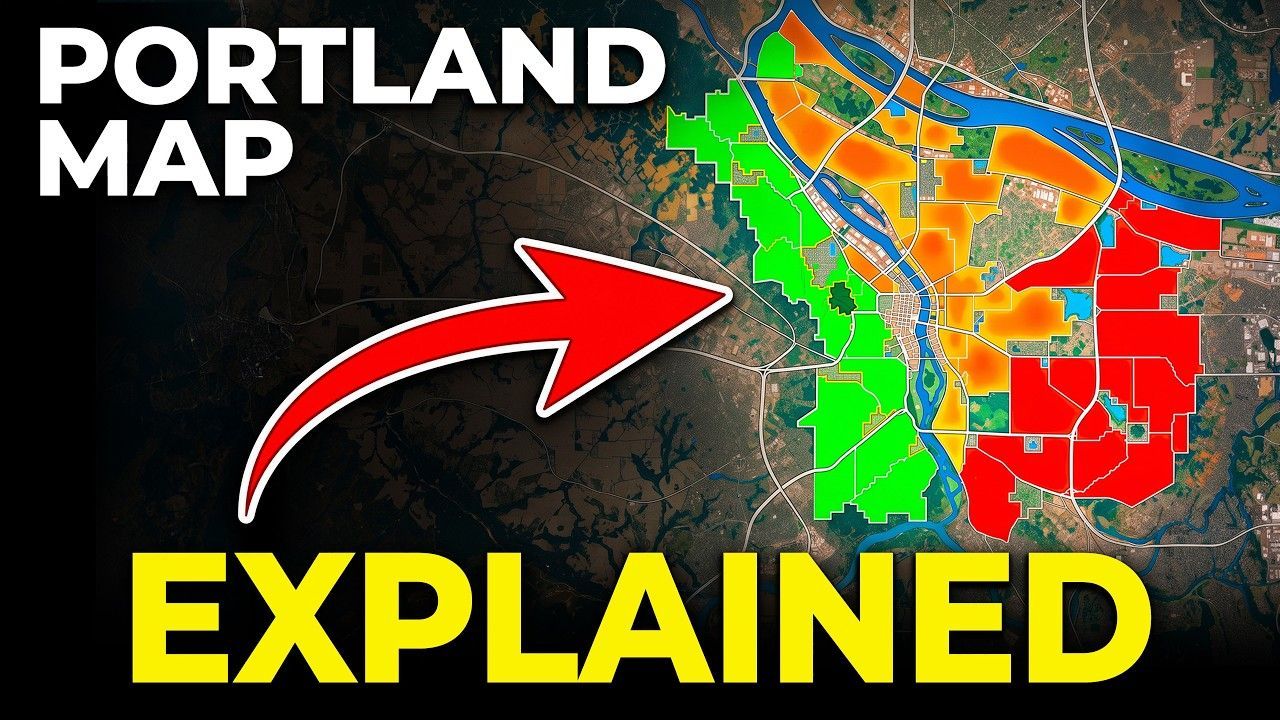
King City back in the '50s and '60s was notorious for starting as a 55 or older community.
By Anne Stewart • September 25, 2026
Explore Washington County's best neighborhoods including Tigard, Sherwood, Beaverton, SW Portland, and Tualatin. We break down prices, schools, and commutes.
What Actually Flipped in Portland's Market video still
By Anne Stewart • September 18, 2026
Portland's real estate market has shifted. Anne Stewart breaks down what the flip means for buyers, sellers, and investors navigating today's conditions.
4 Best Neighborhoods in Portland, OR: A Guide for Homebuyers
By Anne Stewart • September 11, 2026
We drove through Southwest Portland neighborhoods locals love. See what these areas offer, where they’re located, and which county property tax bill you’ll pay.
Woman in red shirt beside red “KILLING PORTLAND” text over cityscape model
By Anne Stewart • August 28, 2026
A new data center is rising in Hillsboro -here’s what it could mean for Portland-area home values, neighborhood livability, noise/traffic, and power bills.

Show More