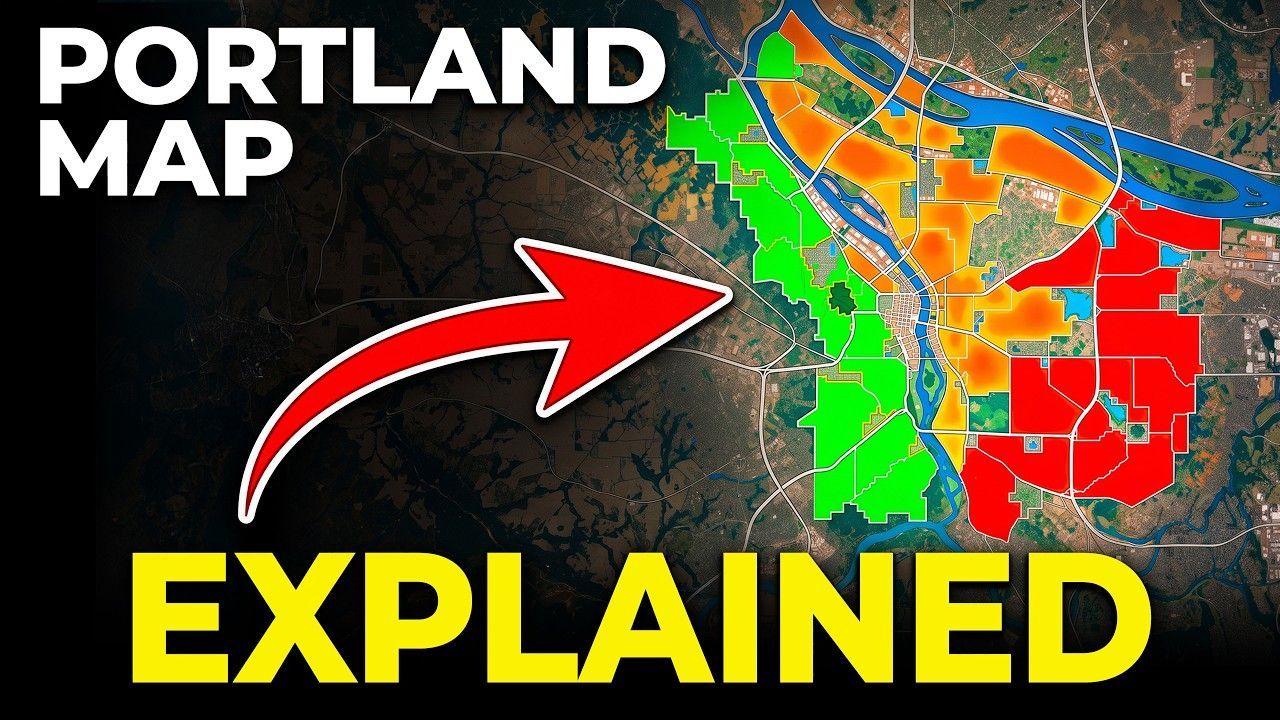
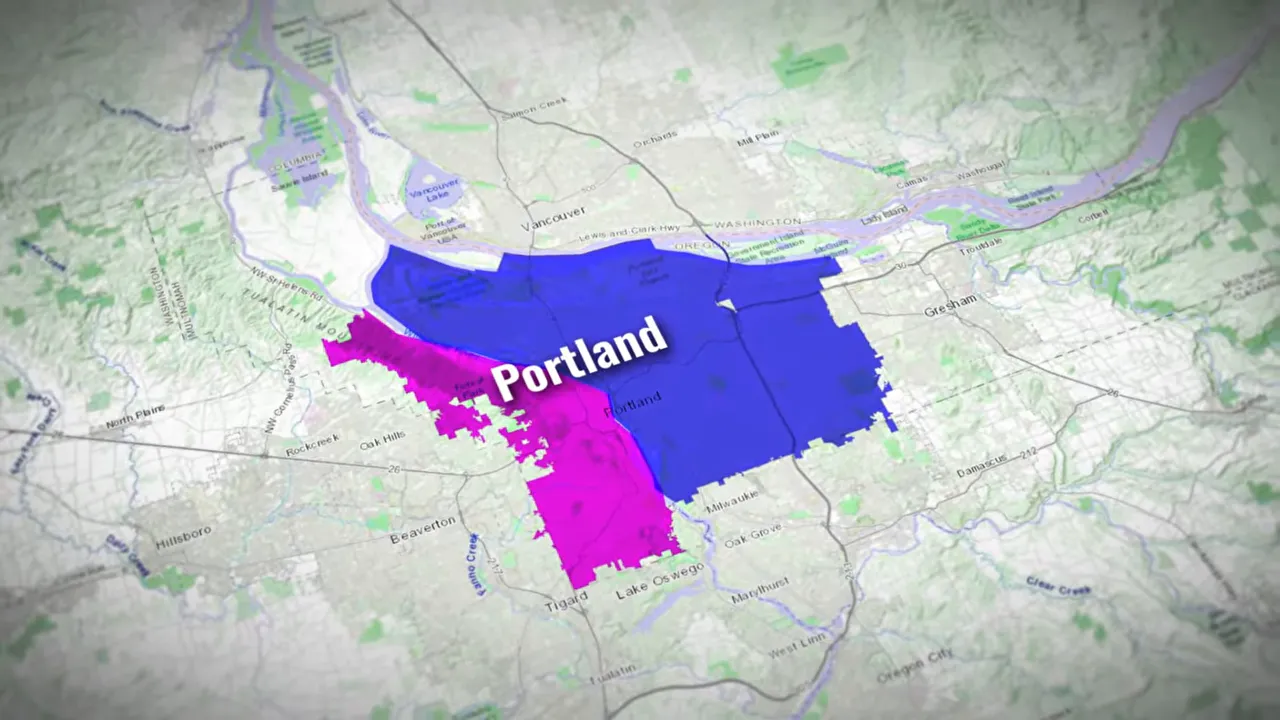
The East Portland vs West Portland debate gets people fired up fast. Pick a side of the river and somebody is usually ready to explain why the other side is missing out. Here is the honest answer: both sides are right, and both sides can be wrong for you.
East Portland vs West Portland is not simply a choice between two areas on a map. It is a choice between two very different day-to-day lifestyles that happen to share the Portland name. If you are moving to Portland, this decision matters because the wrong fit can leave you wondering, a couple of years later, why you moved where you did.
There are countless neighborhood personalities on each side, so no one label covers everything. Still, the major differences are clear enough to help narrow the search: housing, daily routines, weekend access, and the overall vibe. The key is figuring out which details matter most in your normal life.
Key Takeaways
- West side living generally offers more suburban housing options, garages, driving convenience, and access toward wine country and the coast.
- Inner east side living is known for historic homes, walkability, neighborhood commercial streets, and access toward Mount Hood and the Gorge.
- The smartest way to choose is to picture an ordinary Tuesday morning, not an idealized weekend.
- Neither side is better overall. The right choice depends on the routine and environment that fit your life.
Table of Contents
- East Portland Vs West Portland Starts With Lifestyle
- Housing Choices In East Portland Vs West Portland
- Daily Life And Walkability Matter More Than You Think
- Choose Your Weekend Playground
- The Vibe: Quietly Polished Or Creatively Eclectic
- Pick Your Tuesday Morning, Not Your Fantasy Weekend
- Make The East Portland Vs West Portland Choice With Confidence
East Portland Vs West Portland Starts With Lifestyle
When comparing East Portland vs West Portland, skip the idea that one is universally better. Think of them as two flavors of the same city.
The west side generally leans more suburban, polished, and established. It is where many people look for more room, familiar conveniences, quieter streets, and a life that is easier to organize around driving. Communities commonly associated with this side include Beaverton, Tigard, and West Linn.
The inner east side is where people often go looking for classic Portland character. It can feel more urban, more walkable, more eclectic, and more connected to neighborhood commercial streets. The east side has its own range of environments, but the focus here is the inner east side rather than farther-out suburban areas such as Happy Valley.
That distinction matters. A home can look amazing online and still be in a setting that does not match how you want to spend an ordinary Tuesday morning. The house is only part of the move. The rhythm around it is the bigger question.
Housing Choices In East Portland Vs West Portland
The first major difference in East Portland vs West Portland is the housing itself. These are not identical housing markets with different bridge crossings. The homes often tell you immediately what kind of lifestyle the neighborhood supports.
West Side Homes: Space, Garages, And Newer Construction
The west side is a strong fit for people who want either bigger lots or newer construction on smaller lots. Housing can range from 1960s through 2000s-era homes, with ranch styles, cul-de-sacs, and a distinctly suburban feel.
In many west side neighborhoods, practical home features are part of the appeal:
- Two-car garages are common.
- Driveways and vehicle storage are more expected than exceptional.
- Ranch-style homes and cul-de-sac settings are easier to find.
- Daily errands tend to be organized around convenient drives.
- There is often more of the traditional suburb experience than an urban one.
This is the side for someone who likes elbow room, wants the garage to actually hold cars, and would rather make a quick drive to coffee, groceries, or the home-improvement store than compete for a street parking spot.
East Side Homes: Character You Cannot Rebuild
The east side is the charm play. In an East Portland vs West Portland housing comparison, this is where the classic Portland home styles really show up: century-old Craftsman homes, Old Portland foursquares, bungalows, tree-lined streets, front porches, original trim, hardwood floors, leaded glass, and pocket doors.
Neighborhoods such as Alameda, Alberta, and Laurelhurst are examples of areas associated with this historic character. These homes have personality in ways that are hard to duplicate with new construction. There is a reason people picture this kind of architecture when they think of that classic Portlandia-style home.
Of course, charm has trade-offs. The garage may be more like a shed. The kitchen may be smaller than you would choose in a newer suburban house. Storage, parking, and layout can require more flexibility. But for people who want original details and an established neighborhood feel, those compromises are often exactly what make the home worth it.
The housing question is simple: Do you want practical space and newer options, or do you want architectural charm and a home with an unmistakable sense of history?
Daily Life And Walkability Matter More Than You Think
The next difference in East Portland vs West Portland is how life actually works on a normal day. Not the dream Saturday. Not the perfect sunny weekend. The regular grocery run, rainy morning, dog walk, coffee stop, gym trip, and commute.
West Side Daily Life Is Built Around Driving
On the west side, a car is generally part of the lifestyle. Coffee is a quick drive. Groceries are a quick drive. The gym, salon, and other everyday services are usually easy to reach, but driving is how you get there.
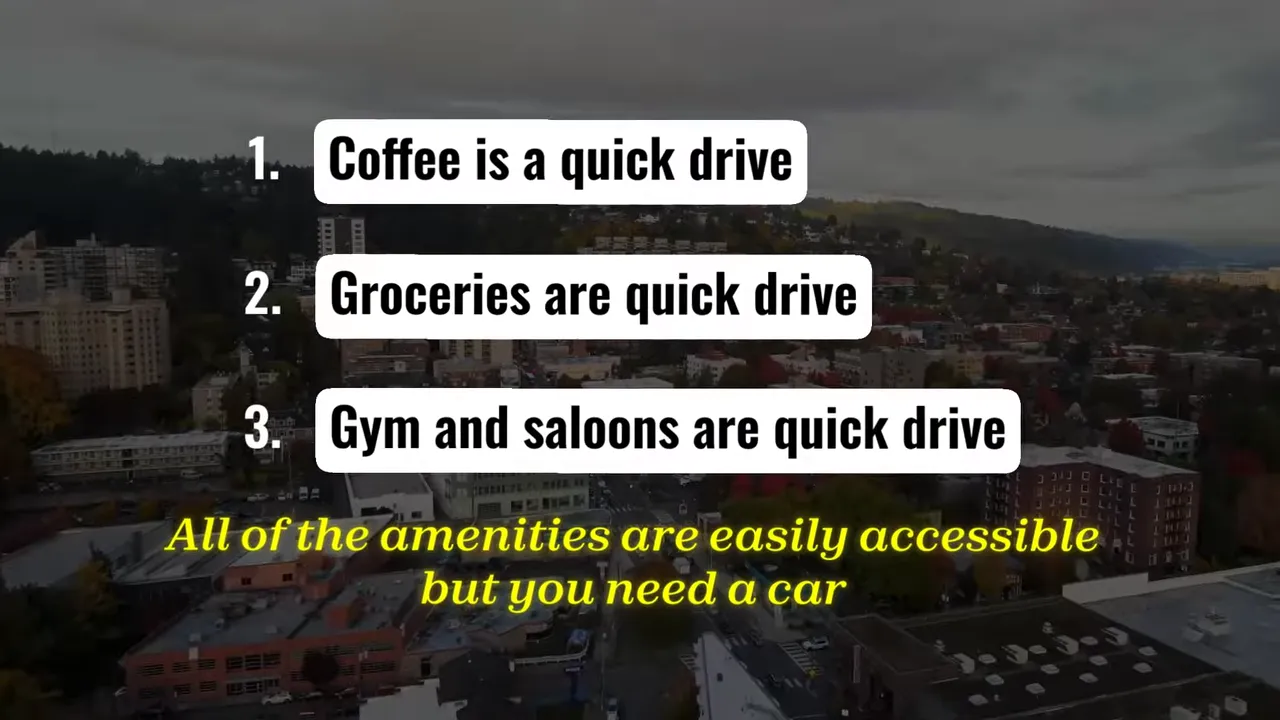
That is not automatically a downside. For plenty of people, it is a feature. A garage is especially nice on a rainy Oregon morning, and the ability to drive directly from home to errands can make daily life feel convenient and predictable. If car dependence does not bother you, the west side can feel wonderfully easy.
East Side Daily Life Brings More Walkability
The east side is better known for walkability. You may be only a few blocks from coffee, food carts, farmers markets, and neighborhood main streets. It is not perfect walkability in every location, but the pattern is much more common.
This is where daily routines can feel more connected to the neighborhood. You might know the barista, recognize people on the street, walk the dog past familiar porches, and have the city feel close at hand. For many people moving to Portland, that is the version of Portland they are hoping to find.
The trade-off is parking. On the east side, parking can become a lifestyle skill, and you will probably develop a strong opinion about it. The question is whether parking feels like an annoying sacrifice or a totally worthwhile exchange for being able to walk out the front door and reach the things you use most.
Choose Your Weekend Playground
East Portland vs West Portland also changes what sits closer to your favorite weekend escape. Neither side has a monopoly on Oregon beauty. It simply comes down to which direction you are more excited to go when you have free time.
West Side Access: Wine Country, Coast, And Local Trails
The west side puts you closer to vineyards, with more than a hundred in the area, along with the Coastal Range and the Oregon coast. From the west side, the coast can be roughly 90 minutes away. Many neighborhoods also have parks, dog parks, walking trails, and trail systems woven into the community.
If your ideal weekend includes wine country, coastal drives, neighborhood parks, or getting outside without heading far across town, the west side has a real advantage. It supports a calmer kind of outdoor access that fits naturally with its suburban setting.
East Side Access: Mount Hood, The Gorge, And City Parks
The east side gets the edge for people who want to head toward Mount Hood, the Columbia River Gorge, hiking, and skiing. A shorter drive in that direction can make a meaningful difference when you are trying to get outside for a hike or a day on the mountain.

You also have Mount Tabor and Powell Butte within city limits. These provide views and places to work out without leaving Portland. And yes, some Portlanders may count walking to coffee as an outdoor activity, so the east side gets an extra point for that one too.
For this part of East Portland vs West Portland, ask yourself a direct question: do your weekends look more like Coastal Range scenery and wine tasting, or Mount Hood and Gorge hikes? Both answers are correct. You just need to know which answer is yours.
The Vibe: Quietly Polished Or Creatively Eclectic
The word “vibe” gets overused in Portland, but honestly, there is not a better word for this part of the East Portland vs West Portland choice. Neighborhood culture is not a minor detail here. It changes from area to area in a very real way.
West Side Vibe
The west side generally feels polished, quieter, and established. Daily life tends to move at a slower pace. Community fabric can be strong, and people know their neighbors. It is the version of Portland where you can often hear yourself think.
That makes it a strong choice for people who value calmer surroundings, a steadier pace, and a neighborhood feel that is less about constant activity and more about comfort, space, and routine.
East Side Vibe
The east side is creative, eclectic, and louder in the best possible way. Its neighborhoods have distinct personalities. Alberta Arts has art in its identity. Sellwood is known for antiques. Division brings food. Mississippi brings music.
There is a feeling on the east side that you never quite know who you will run into at the coffee shop, but it is likely to be interesting. If you want neighborhood variety, local commercial streets, food, music, art, and a little more energy in your routine, this side has a powerful pull.
Again, East Portland vs West Portland is not about declaring a winner. These are different lifestyles. The best choice is the one that feels like home when life is ordinary.
Pick Your Tuesday Morning, Not Your Fantasy Weekend
Here is the one question that can settle the East Portland vs West Portland decision: Where do you want to be on a regular Tuesday morning?
Do not choose based only on the fantasy version of yourself. Everybody loves the idea of wine tasting, mountain hikes, and coast trips. But Tuesday morning arrives over and over again. The neighborhood either works for that life or it does not.
You May Be A West Side Person If You Want
- A quiet coffee at the kitchen counter.
- A peaceful commute.
- Elbow room and space to breathe before the day begins.
- A calm setting where the weekend trip to wine country is a bonus.
That is a west side kind of Tuesday. It is less about being isolated and more about wanting breathing room, a reliable routine, and a quieter launch into the day.
You May Be An East Side Person If You Want
- To walk out your front door for coffee a few blocks away.
- To see neighbors waking up and dogs out on the sidewalk.
- To hear the city start moving around you.
- To walk to transportation, with Mount Hood and the Gorge as weekend bonuses.
That is an east side kind of Tuesday. You may trade some garage space and easy parking for neighborhood energy, walkable streets, and the sense that the city is right outside your door.
Make The East Portland Vs West Portland Choice With Confidence
When you are moving to Portland, do not let one pretty house or one great Saturday itinerary make the entire decision. Think about the full package: the home, the parking, the errands, the commute, the coffee routine, the dog walks, the weekend direction, and the pace you want around you.
East Portland vs West Portland comes down to fit. The west side may be right if you want more suburban convenience, driveable errands, garages, space, and westward access to vineyards and the coast. The east side may be right if you want historic homes, walkability, neighborhood main streets, creative energy, and easier access toward Mount Hood and the Gorge.
Neither side is wrong. But choosing the wrong side for your actual life can cost you years in a home or neighborhood that never quite feels right. Pick for Tuesday. The weekends will take care of themselves.
Moving to Portland? Book a Strategy Call
Not sure whether East Portland or West Portland is the better fit for your lifestyle? Book a strategy call and let’s talk through your priorities, commute, budget, and the type of neighborhood that makes sense for your everyday life.
Frequently Asked Questions About East Portland Vs West Portland
Is East Portland or West Portland better for moving to Portland?
Neither is automatically better. The west side often suits people who prefer suburban space, garages, driving convenience, and a quieter pace. The inner east side often suits people who prioritize historic character, walkability, neighborhood energy, and access toward Mount Hood and the Gorge.
Which side of Portland has more walkable neighborhoods?
The inner east side is generally more known for walkability. Depending on the exact neighborhood, coffee shops, food carts, farmers markets, local businesses, and transportation may be only a few blocks away.
Which side has more historic Portland homes?
The east side is more associated with classic Portland housing such as century-old Craftsman homes, Old Portland foursquares, bungalows, original woodwork, hardwoods, leaded glass, and front porches.
What is the best question to ask before choosing a side of Portland?
Picture a normal Tuesday morning. If you want quiet, space, a kitchen-counter coffee, and a peaceful drive, the west side may fit. If you want to step outside, walk to coffee, see neighbors, and feel the city moving around you, the east side may be a better match.