When we talk about the best places to live in Portland, Oregon, the east side deserves a greatest-hits album all its own. This is where walkable streets, independent businesses, murals, neighborhood theaters, food carts, coffee shops, and absolutely ridiculous restaurant density all come together.
These four eastside neighborhoods are especially compelling for anyone who wants daily life to feel connected. We are talking about places where grabbing coffee, meeting friends for dinner, picking up pastries, browsing a vintage shop, or catching a movie can all happen close to home. The tradeoff is real: demand is high, housing can be competitive, and off-street parking is often prized. But for the right lifestyle, these are some of the best places to live in Portland, Oregon.
Table of Contents
- 1. Alberta Arts District: The Full Portland Experience
- 2. Clinton Division: Walkable, Food-Focused, and Close In
- 3. East 28th Restaurant Row: A Compact Food Destination
- 4. Hawthorne District: Old-School Portland With Everything Nearby
- Choosing Among the Best Places to Live in Portland, Oregon
1. Alberta Arts District: The Full Portland Experience
Alberta Arts District is one of those places that immediately feels like Portland. It is artsy in the real sense, not just because the word “arts” is in the name. Alberta Street runs for roughly 20 blocks through northeast Portland, lined with independent restaurants, coffee shops, food-cart pods, galleries, vintage stores, bookstores, bike shops, yoga studios, and murals.
The district sits near Sabin and Vernon and bumps up against Concordia. From here, downtown Portland and Portland International Airport are each roughly 15 minutes away, and access to I-5 and I-84 is convenient. That location is a big reason Alberta continues to land on conversations about the best places to live in Portland, Oregon.
What makes Alberta special is that it never feels like it was assembled by a developer trying to create a vibe. The businesses are independently owned and operated, and the street has its own rhythm. There are several food-cart pods with communal seating, murals covering building walls, and local spots everywhere you turn.
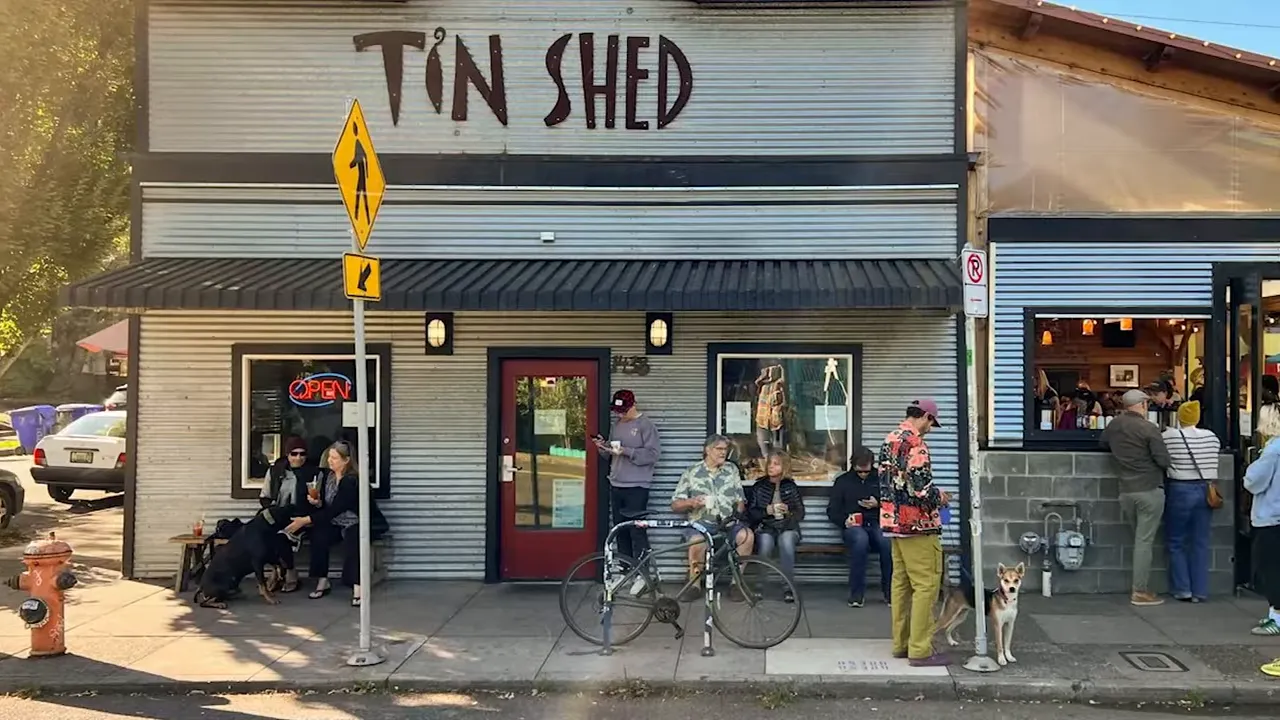
Food is a major draw here. Tin Shed is a longtime breakfast staple, and even on a weekday there can be a line. Case Study Coffee sits next door with indoor, outdoor, and covered seating. Along the strip, we find vegan and vegetarian choices, bakeries, bubble tea, tacos, Indian small plates at Bollywood Theater, ice cream at Salt & Straw, biscuits at Pine State Biscuits, Japanese food, Thai food, and plenty more.
Alberta is particularly easy to love if food is a central part of your lifestyle. It also works well for people with vegetarian or vegan diets because the neighborhood has so many dedicated options and flexible menus. We have known people who spent just a few days in the area and made it through more than two dozen local food establishments. It really is that dense.
Real estate and everyday considerations in Alberta
Living near Alberta Arts comes at a premium because people want to be able to walk to the places Portland is known for. Housing includes older Portland homes, Craftsman bungalows, four-square styles, one and two-story homes, condos, townhomes, and multiplexes. Many older homes have been restored and modernized while keeping their historic character.
Parking is the big practical consideration. Street parking is common, garages are not guaranteed, and a private driveway can add meaningful value. In one recent example, a renovated home close to Alberta received 10 offers and sold for just under $850,000. A home with its own off-street space is a very desirable find here.
For people looking for the best places to live in Portland, Oregon with maximum personality, Alberta Arts District is hard to beat. Just make sure the home itself fits your parking needs before falling in love with the walkability.
2. Clinton Division: Walkable, Food-Focused, and Close In
The Clinton Division area in southeast Portland is another powerhouse among the best places to live in Portland, Oregon. Division is the main east-west route here, and the restaurant density is honestly wild. This is a neighborhood where a short walk can take us from coffee and vintage shopping to tacos, pastries, pizza, ice cream, cocktails, art studios, and dinner.
Clinton Division is just south of Hawthorne and near Ladd’s Addition. Downtown is about 10 to 15 minutes away, while the airport is roughly 15 to 20 minutes away. Division itself is a main thoroughfare, so it is a road that many people will use anyway. The difference is that here, it is worth treating the street as a destination.
Stumptown Coffee Roasters is one of the standout stops, because we cannot talk about Portland coffee without mentioning Stumptown. But it is only one option in a corridor that feels packed from one block to the next. We also have independent shops, resale clothing, a neighborhood hardware store, tattoo shops, galleries, cafes, dessert spots, and outdoor dining tucked throughout the area.
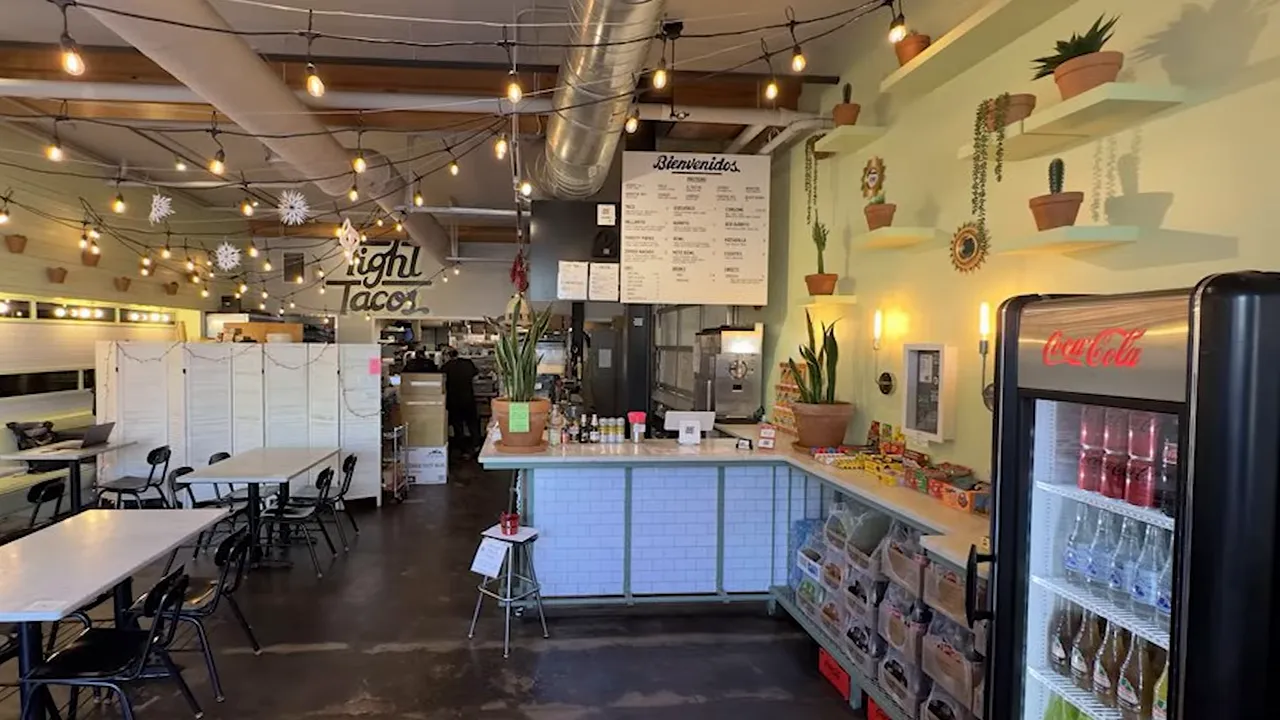
Some of the local favorites include Little Big Burger, Harlow Cafe, Loretta Jean’s for pie and desserts, Salt & Straw, St. Honoré, Blue Star Donuts, Insomnia Cookies, Thai Tacos, and Maglia Rosa. Not every restaurant keeps all-day hours, so it is worth remembering that some dinner spots open later in the day.
A more budget-friendly walkable option
Compared with some other walkable eastside pockets, Clinton Division can offer a more approachable entry point. Smaller two or three-bedroom bungalows have appeared in the $600,000 range, with some options in the high $500,000s depending on condition and exact location. There are also homes above $1 million, so this is not a one-price-fits-all neighborhood.
Renters have options too. New apartment buildings and mixed-use developments have been built along Division, often placing residences directly above or near restaurants and shops. Those apartments tend to rent quickly because being able to walk out the door for a meal or coffee is exactly what draws people here.
For anyone comparing the best places to live in Portland, Oregon on a combination of walkability, food access, central location, and a potentially more flexible budget, Clinton Division deserves a serious look.
3. East 28th Restaurant Row: A Compact Food Destination
East 28th is one of Portland’s newer restaurant rows, and it packs a shocking number of options into about a half mile. This stretch runs north-south between Sandy Boulevard and Stark Street, touching Kerns, Buckman, and parts of Laurelhurst. It may be compact, but the restaurant concentration is intense.
This is the place for someone who wants a neighborhood that feels like it is constantly adding another great place to eat. Along 28th, we find restaurants, bars, coffee shops, food carts, pizza spots, markets, and a classic movie theater. A walk that takes about 10 minutes without stopping could take weeks to fully eat through.
Some of the options include Bamboo Sushi, Pod 28 food carts, Moonshot Tavern, Crema Coffee and Bakery, Holman’s, Cheese & Crack Snack Shop, Bull Run, Ken’s Artisan Pizza, Baby Doll Pizza, Kiko Donuts, and Montelupo Italian Market. Montelupo is especially useful because it can work for coffee and pastries in the morning, then lunch or dinner later in the day.
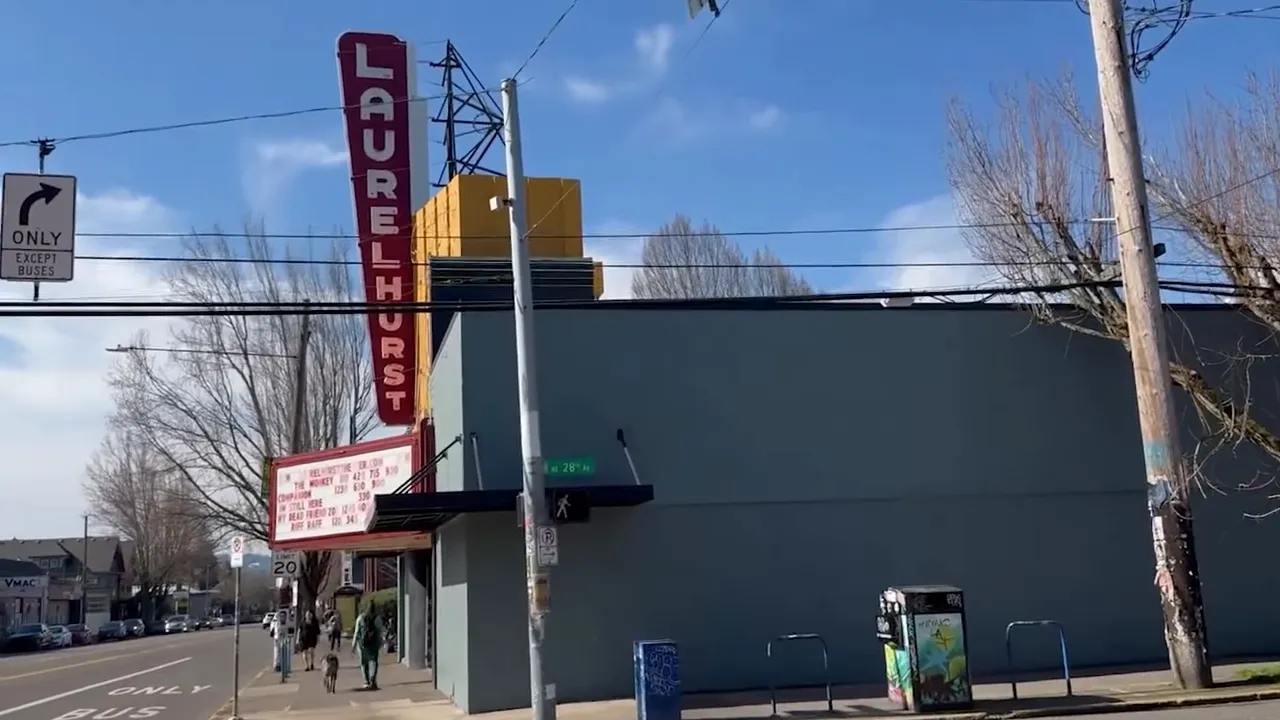
The Laurelhurst Theater adds another layer to the neighborhood. Dinner and a movie is a genuinely easy night out here, rather than something that requires crossing town. That kind of everyday convenience is why East 28th has earned a spot among the best places to live in Portland, Oregon.
The Zipper and the group dining advantage
At the north end of 28th, across Sandy, The Zipper food hall adds a very practical option for groups. Food halls are less common in the Northwest than in many East Coast or Midwest cities, but they solve the classic group-dining problem: everyone can order something different and still sit together. The Zipper offers multiple food choices, communal seating, and a whiskey bar, making it a strong rainy-day alternative to a food-cart pod.
East 28th is ideal if we want restaurant-row energy in a smaller, highly concentrated footprint. It is one of the best places to live in Portland, Oregon for people who want to know their favorite coffee shop, pizza place, market, and theater are all close together.
4. Hawthorne District: Old-School Portland With Everything Nearby
Hawthorne feels like old-school Portland in the best possible way. It is an inner southeast east-west corridor that runs roughly from 11th Avenue to 60th Avenue before ending near Mt. Tabor. The most walkable and densely packed portion sits approximately between 30th and 50th.
There is a lot going on here. We have grocery access, restaurants, coffee shops, theaters, bakeries, international food, pet stores, vintage shopping, and newer apartments mixed alongside older homes. New Seasons and Fred Meyer provide everyday grocery options, which is a major perk when we do not want every meal to come from a restaurant.
Theater lovers have the Hawthorne Theater and the landmark Baghdad Theater. Food choices cover a huge range, from noodles and sushi to Mexican food, ramen, pizza, vegan Mexican food, pastry shops, and coffee. The Meadow, with bitters and chocolate, is one of the many distinctly Portland stops that makes the street feel special.
Outdoor seating is another strength. Portland summers, spring, and even early fall can be incredibly pleasant, and the businesses along Hawthorne make good use of outdoor tables and patios. This is a neighborhood built for lingering instead of rushing through errands.
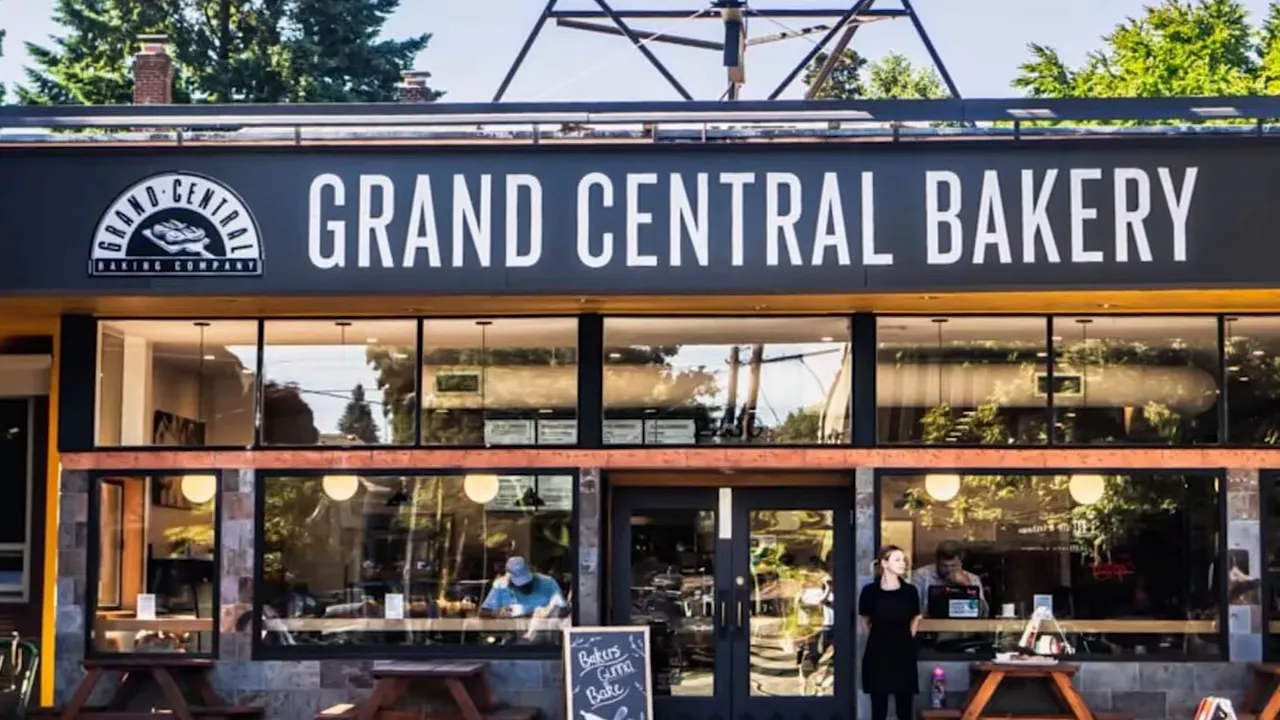
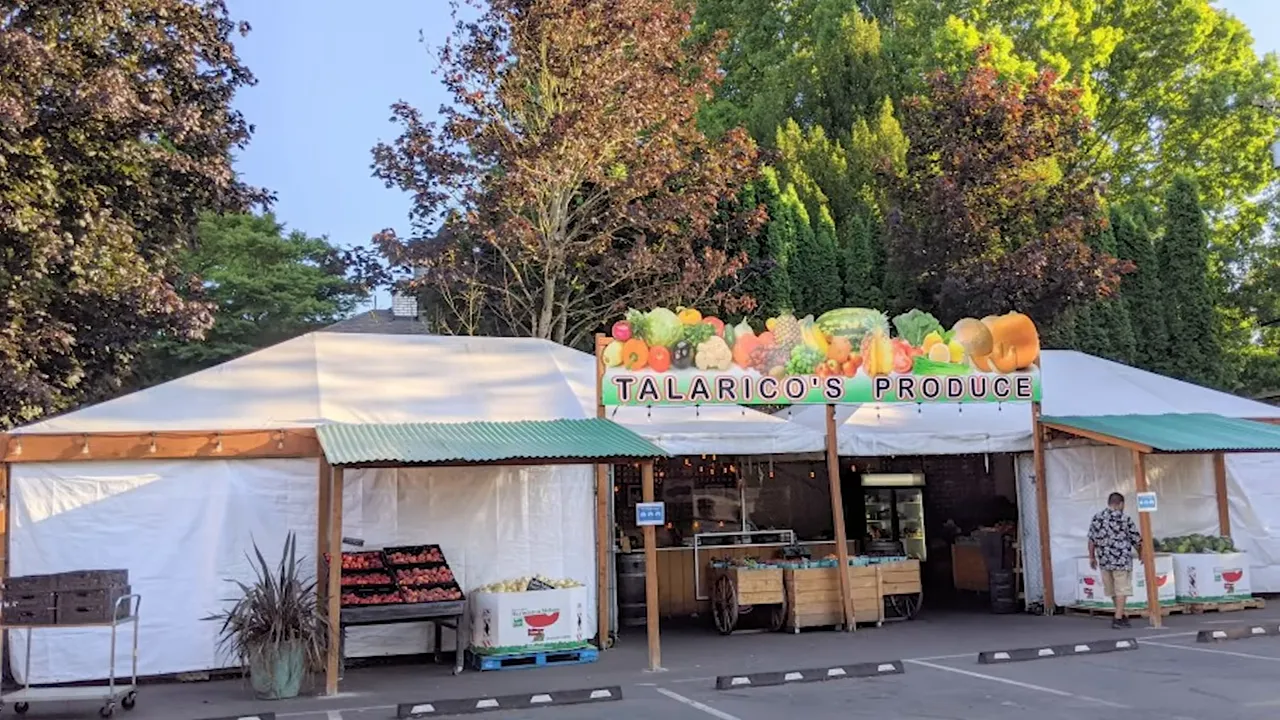
Jam on Hawthorne remains a longtime breakfast and lunch staple. Across from it, Grand Central Bakery is always a solid stop, while Talarico’s Produce has the feel of a year-round farmers market for fresh fruit and vegetables.
Housing and tradeoffs on Hawthorne
Hawthorne offers condos, townhomes, newer apartments, and older detached homes. In the examples discussed, a one-bedroom, one-bath condo started around $300,000, while larger condo options moved closer to $500,000. Smaller detached homes entered the mid-$600,000s, while homes close to the strip could range from around $800,000 to $1.5 million.
The biggest challenge is familiar by now: parking. Hawthorne is busy, it is not a huge area, and many homes do not have garages. If garage parking is a must-have, we need to be very intentional about the specific property. But if easy access to amenities matters more, Hawthorne remains one of the best places to live in Portland, Oregon.
Choosing Among the Best Places to Live in Portland, Oregon
All four neighborhoods share the eastside formula: dense independent businesses, strong food scenes, character, older housing stock mixed with new development, and serious walkability. Choosing between them comes down to what type of daily experience matters most.
- Choose Alberta Arts District for murals, galleries, food carts, independent local businesses, and a distinctly artsy atmosphere.
- Choose Clinton Division for central southeast access, dense dining, newer apartments, and a potentially more budget-friendly walkable option.
- Choose East 28th for a compact, emerging restaurant row where food, bars, markets, and a theater are concentrated into a short stretch.
- Choose Hawthorne for established Portland character, broad shopping and dining variety, theaters, grocery access, and a long walkable corridor.
The common reality across the best places to live in Portland, Oregon is that walkability has value. Homes closest to these commercial corridors can cost more, and dedicated parking often makes a meaningful difference. Still, living close to coffee, restaurants, markets, transit, and neighborhood gathering places can change the entire rhythm of daily life.
That is what makes the east side so special. We are not just choosing a house. We are choosing whether the bakery, food carts, theater, coffee shop, and dinner plans are part of our neighborhood routine.
Want to Find the Right Portland Neighborhood?
If walkability, local coffee shops, restaurants, transit, and having more of your daily life close by matter to you, call me at 503-804-1466 . I can help you compare Portland neighborhoods and find one that fits the way you actually want to live.
Frequently Asked Questions
What are the best places to live in Portland, Oregon for walkability?
Alberta Arts District, Clinton Division, East 28th Restaurant Row, and the Hawthorne District are four especially walkable eastside choices. Each places restaurants, coffee shops, local services, and neighborhood amenities close to home.
Which eastside Portland neighborhood is best for food lovers?
All four areas have exceptional food access, but Alberta Arts District and Clinton Division offer especially deep concentrations of restaurants, bakeries, coffee shops, food carts, and options for vegetarian and vegan diets.
Is parking difficult in Portland’s walkable eastside neighborhoods?
Parking can be limited, especially close to Alberta Arts and Hawthorne. Many homes rely on street parking, and properties with a driveway or garage are often more desirable.
Which of these neighborhoods has newer apartments?
Clinton Division and Hawthorne both have newer apartments and mixed-use buildings near their commercial corridors. These homes are popular because residents can easily reach restaurants, coffee shops, and everyday services on foot.