Portland’s West Side is absolutely growing, and there is a real lifestyle pull happening here. But the headline and the reality are not always the same thing.
Some suburbs are moving fast. Others are taking longer to sell. Property taxes and Oregon’s income tax can surprise people who are moving to Portland from out of state. Then you have commute times, school boundaries, neighborhood-level differences, and major construction projects that can change how a suburb feels day to day.
The good news is that the West Side is not simply riding a bubble. It is benefiting from a genuine lifestyle shift. Buyers with equity from places like California and Texas can often get more home here, enjoy a high quality of life, and still have access to major employers, strong schools, outdoor recreation, and established communities.
Why Portland’s West Side Is Growing
The Portland metro area recently crossed 2.5 million people, even as the broader regional job market has experienced some contraction. That may seem contradictory, but it tells you something important: people are not coming here for one reason alone.
Oregon has no sales tax. Utilities tend to be lower than the national average, helped in part by the region’s hydroelectric power. Major employers remain a real part of the West Side story, including Nike, Intel, Columbia Sportswear, healthcare, and professional services. Long-term projections also point to meaningful regional job growth through 2045.
For many households moving to Portland, the draw is more personal than a spreadsheet. It is about getting a better daily life, more space for the money, access to nature, established neighborhoods, and a community that feels like home.
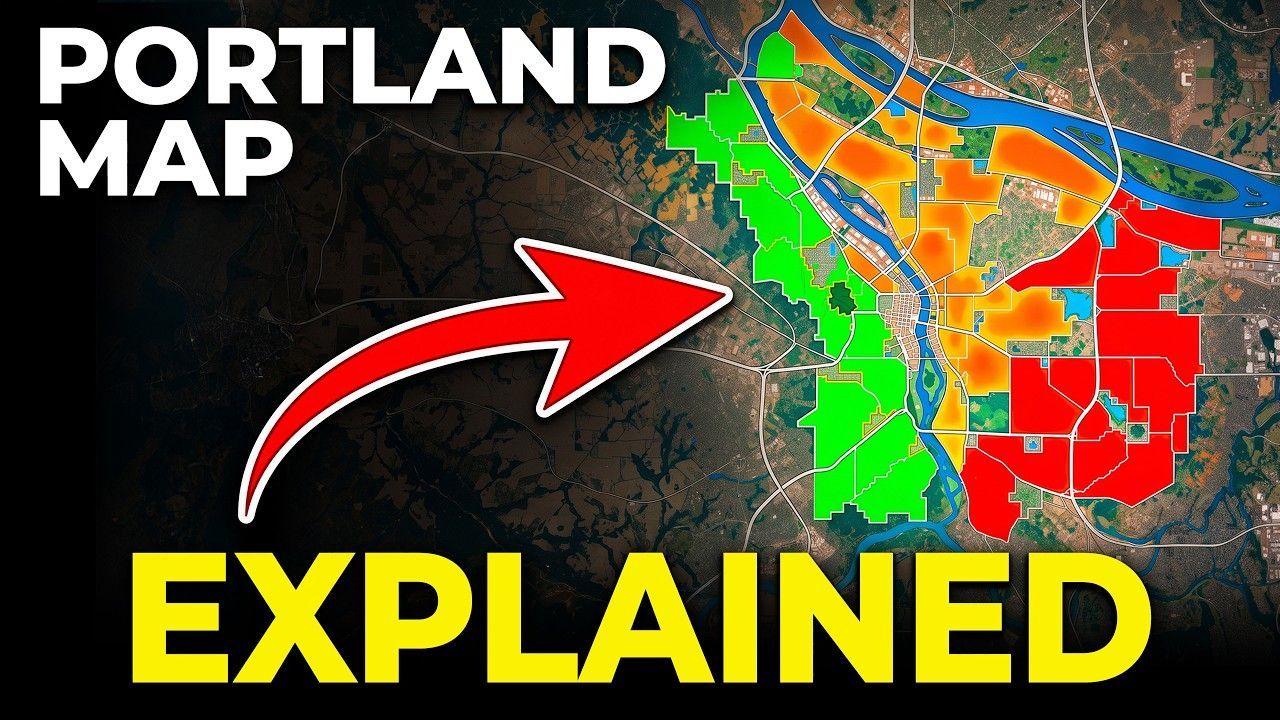
That does not mean every suburb performs the same. Your budget, commute, housing condition preferences, and school priorities matter a lot. Here is the practical suburb-by-suburb breakdown.
Lake Oswego Market Update: The Benchmark West Side Suburb
Lake Oswego is the name that comes up most often when people start researching Portland’s West Side, and for good reason. It sits south of Portland near the water and offers a true downtown experience with restaurants, coffee shops, a local brewery, an independent theater, and that hard-to-find walkable main street feel.
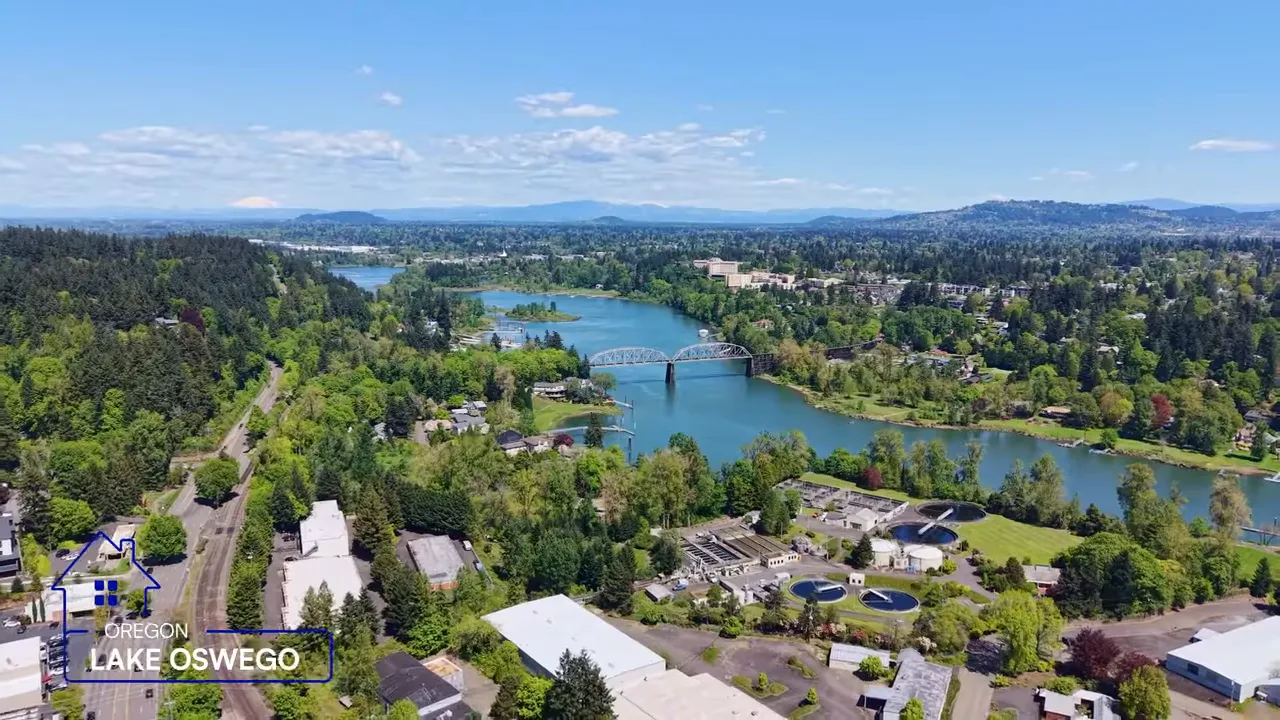
Recent Redfin figures put the median Lake Oswego sale price just under $1 million, up 3.7% year over year. Homes have been selling in about 22 days on average. That is still a market with real demand, especially for the right home in the right location.
Here is the nuance: Lake Oswego is largely built out. You are not going to see large new-construction subdivisions changing the landscape. As a result, the divide between a turnkey property and a home needing substantial work has widened.
Move-in-ready homes in desirable locations can still move quickly. Inventory has risen to roughly 199 active listings, creating more choice than the market has had in a while, but that does not mean buyers can shop casually. If a well-priced, ready-to-go house comes up, be prepared to make a decision.
Lake Oswego is often the benchmark for buyers coming from higher-cost markets with significant equity. The price per square foot is around $509, slightly below recent months but still above the roughly $493 level seen in 2024 and 2025.
West Linn Market Update: Space Character And Negotiating Room
West Linn is one of those places that can surprise people. It has river views, larger lots, mature landscaping, occasional acreage, and distinctive homes that would cost considerably more in Lake Oswego or Southwest Portland.
The historic Willamette area gives West Linn a bit of an East Side meets West Side personality. Older character buildings have been revitalized, and it feels more unique than a cookie-cutter suburb.
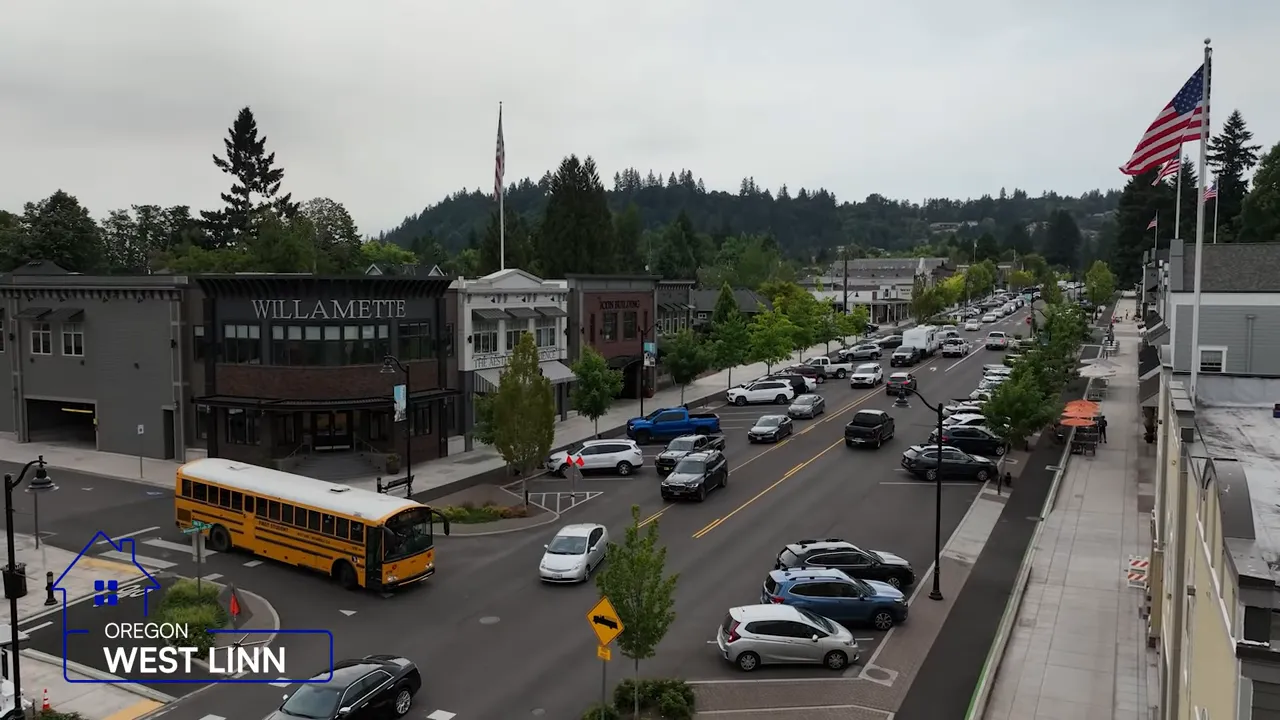
Redfin data places the median sale price around $750,000, while Zillow’s average home-value figure lands in the upper $700,000s. About 104 homes sold in April, compared with 77 during the same period a year earlier. That is not a distressed market.
What has changed is the pace. Average days on market stretched from 19 days to 36 days. For buyers, that can mean more time to evaluate properties and more room to negotiate than there was 12 months ago.
There are genuinely beautiful homes in the $800,000 to $1 million range here. If you want mature neighborhoods, larger parcels, and a little more individuality without automatically jumping far above $1 million, West Linn deserves serious attention.
Beaverton Market Update: Connectivity Jobs And Value
Beaverton is the economic engine of the West Side. Nike World Headquarters is right there. Intel has multiple campuses throughout the Beaverton and Hillsboro area. Columbia Sportswear is in the county. And the MAX light rail connects Beaverton to downtown Portland without requiring a highway commute.
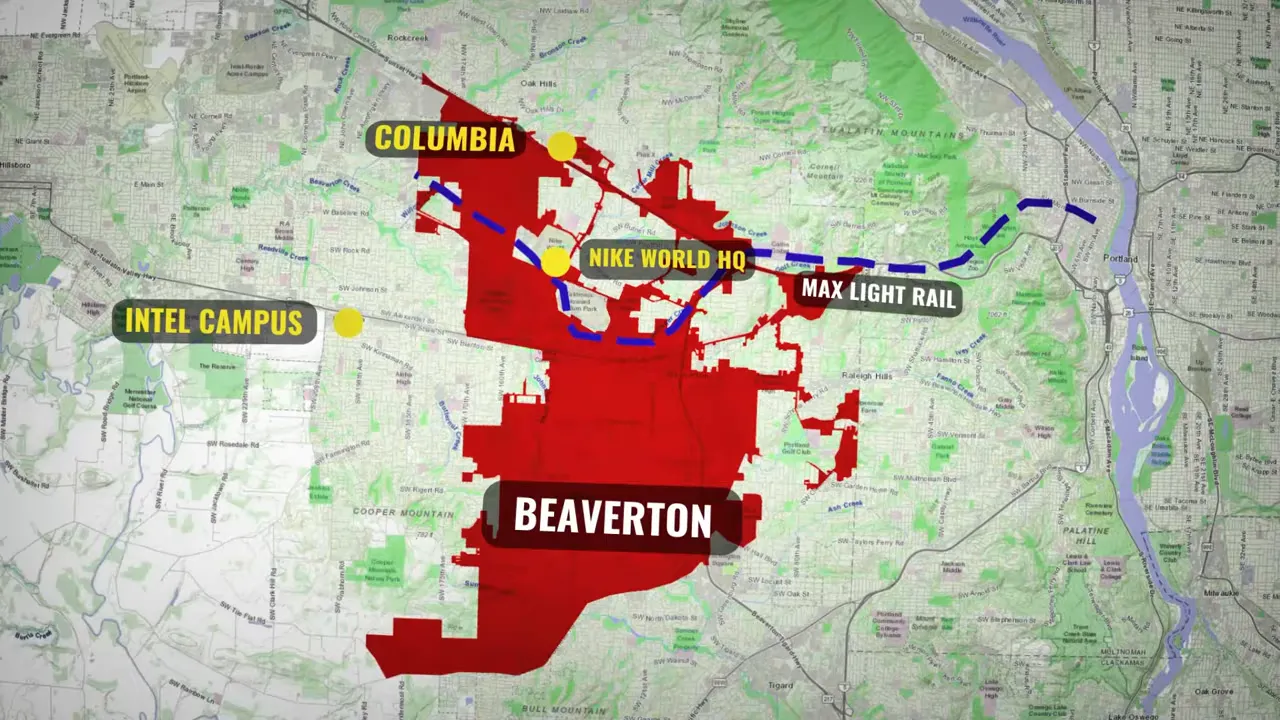
For anyone who wants access to employment centers, transit, and a more connected suburban location, Beaverton is hard to ignore. It is also the highest-transaction market among the five suburbs discussed here.
Median sale prices are generally in the mid-$500,000s to low-$600,000s. Homes are taking around 62 days to sell on average, longer than in some neighboring West Side suburbs. Still, supply sits at about 2.7 months, which means inventory remains relatively tight for the level of demand.
The takeaway is pretty simple. Buyers have more time to look, but properly priced homes are still getting absorbed. In the $600,000 to $700,000 range, you can get a lot of house here.
The trade-off is lifestyle. Beaverton is denser, more traffic-heavy, and more commercial than Lake Oswego or West Linn. It is more town and strip mall, less quiet neighborhood by the river. The key is choosing the right enclave within the city for how you actually want to live.
Sherwood Market Update: Community And Wine Country Access
Sherwood is the furthest out of the five West Side suburbs, and honestly, that is part of its appeal. It is one of the best gateways to Oregon wine country and has a strong identity that attracts people looking for a quieter, more intentional community setting.

The median sale price is around $631,000, up 1.8% from the prior year. Seventy-eight homes sold in April, compared with 71 a year earlier, and the market has been rated very competitive.
Sherwood has held its value well while some nearby markets have softened. That is not an accident. Buyers choose Sherwood on purpose. They want a well-established downtown, community connection, access to wine country, and pricing that remains below Lake Oswego and West Linn.
The obvious trade-off is commute time. If daily trips into downtown Portland or across town are part of your routine, take that seriously. Sherwood can be a fantastic fit, but it is not a suburb to choose without testing the drive at the times you would actually use it.
Portland West Side Commute Reality: Growth Has A Cost
The West Side is growing, and the roads are feeling it. Rush-hour congestion on major Portland corridors has returned to roughly pre-pandemic levels, according to ODOT.
There is investment happening, but construction can make travel more difficult before it gets better. The I-5 Rose Quarter project in central Portland began Phase 1A work in summer 2025. That work has included lane closures, including plans for a five-week stretch of full southbound closures in 2026.
Long-term improvements are still uncertain because future project phases face an estimated $1.5 billion funding gap after federal funding was pulled. So, yes, the West Side remains accessible, and infrastructure work is underway. But daily driving into Portland’s core needs to be part of your home search math.
Do not fall in love with a neighborhood before accounting for realistic commute times. A location that adds 45 minutes or more to a morning drive may be a nonstarter, no matter how nice the home is.
Tigard Market Update: An Underrated West Side Value Play
Tigard is one of the most underrated West Side suburbs right now. A lot of out-of-state buyers skip right over it, but it is extremely connected to Portland without actually being in the city. It also has growing new construction and pockets with walkability.
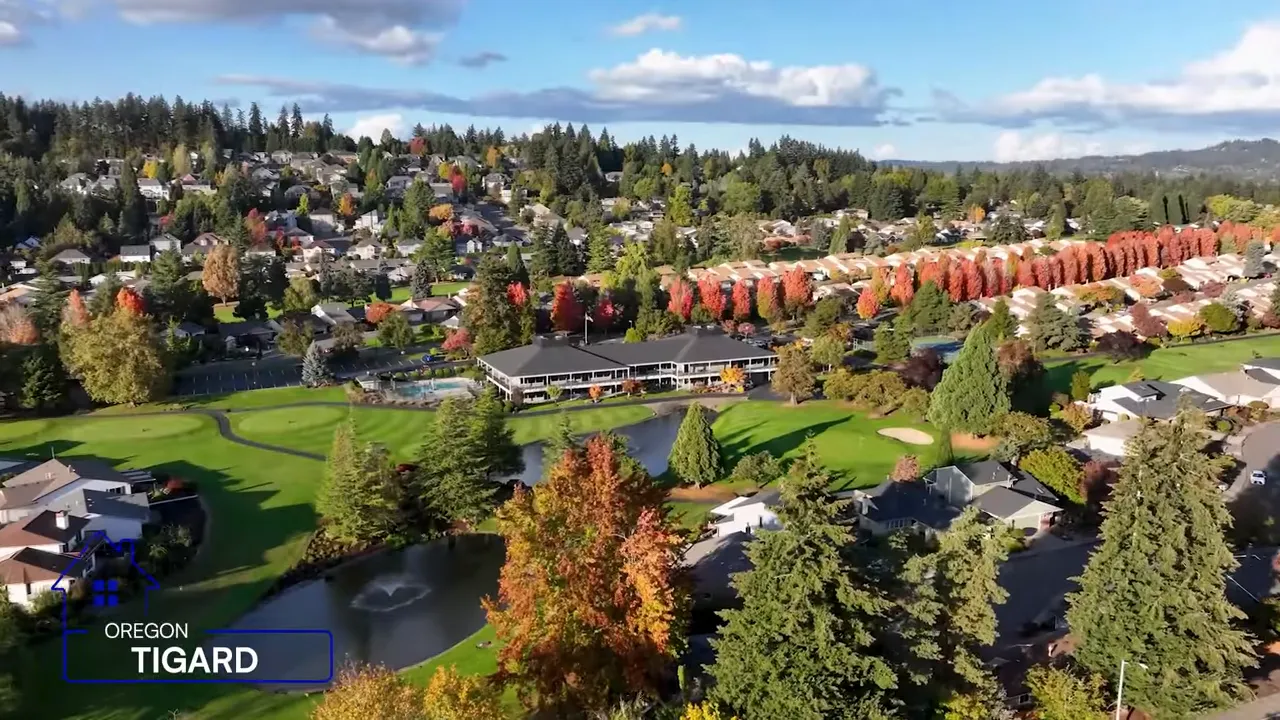
The median sale price is around $575,000, down about 8% from the prior year. But price per square foot is roughly steady, and homes are still selling in about 36 days, nearly the same pace as last year.
That does not read like a market in trouble. It reads like a market cooling off after two very hot years. New construction is also affecting the numbers, so a simple year-over-year median price comparison does not tell the entire story.
For roughly $575,000 to $700,000, Tigard offers strong value by West Side standards. Compared with Lake Oswego’s median, you are potentially paying about $400,000 less while still getting access to conveniences, community, and proximity to the city.
Safety Schools And Costs To Consider Before Moving To Portland
Crime Data Requires A Neighborhood-Level Look
Portland’s core has gone through rough patches, and it would not be honest to pretend otherwise. But the West Side is often safer than the broad Portland reputation suggests.
NeighborhoodScout data cited for Beaverton estimates the odds of being a crime victim at roughly 1 in 278, compared with about 1 in 141 for Portland. For property crime, the comparison was about 1 in 38 homes in Beaverton versus 1 in 18 in Portland. Lake Oswego’s violent-crime trend was also reported as declining for three consecutive years.
Those are published third-party figures, not guarantees. Crime changes over time and can differ dramatically by neighborhood. If safety is a top priority, research the specific area and property you are considering.
West Side Schools Are A Major Draw
Schools are a huge part of why these suburbs hold value. Niche’s 2026 rankings placed Lake Oswego School District at number one in Oregon. West Linn and Wilsonville also rank near the top of the state, with strong test-score performance reported by Niche and GreatSchools.
Beaverton School District is much larger, with close to 37,500 students. State testing data shows math and reading proficiency above the Oregon average. Still, a district-wide average does not mean every school boundary is identical. Check the individual school ratings and attendance boundaries before making a decision based on school preferences.
Oregon Taxes And The Real Cost Equation
This is where people moving to Portland can get caught off guard. Oregon’s top state income tax rate is 9.9%, and it begins at $125,000 for a single filer. Property taxes can also be higher than expected, particularly for those coming from states with no income tax.
But it is not all bad. Oregon has zero sales tax. Utilities are generally cheaper than in many states. Homeowner’s insurance is also a bright spot, with an average annual premium around $1,400, well below the cited national average of $3,500.
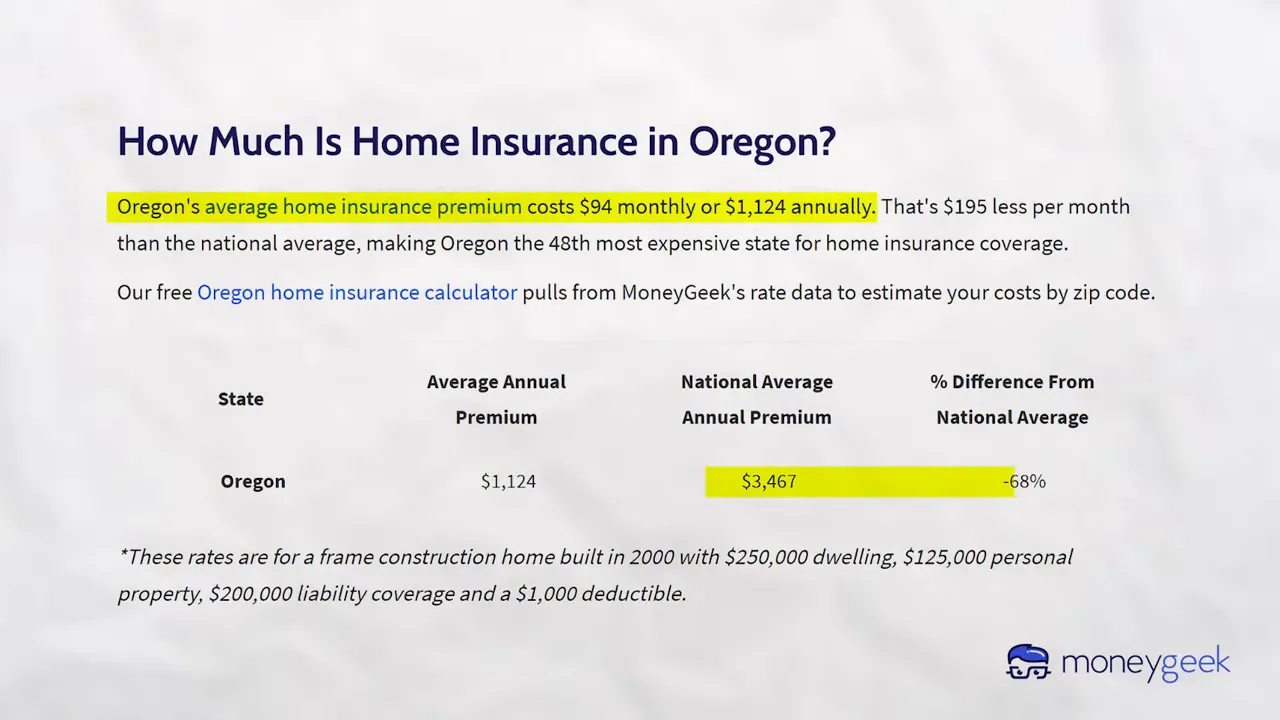
The honest equation is this: higher income tax and property tax may sting, especially for buyers relocating from no-income-tax states. But zero sales tax, lower utilities, and reasonable insurance costs help offset the total picture. Run the full budget before making your move, not just the mortgage payment.
Choosing The Right Portland West Side Suburb
The Portland West Side boom is real, but there is no single best suburb for everyone. Lake Oswego is the premium benchmark with limited new inventory and fast-moving turnkey homes. West Linn offers character, larger lots, and a bit more negotiating room. Beaverton brings employment access, transit, and value. Sherwood delivers community and wine country proximity, with a commute trade-off. Tigard is an overlooked option for connectivity and price point.
The details matter. A seemingly small difference in commute time, tax structure, school boundary, home condition, or neighborhood setting can completely change whether a place is the right fit for your life.
Take the headlines seriously, but do not stop there. The real story is always more granular.
Frequently Asked Questions
Is Portland’s West Side A Good Place To Buy A Home?
It can be an excellent place to buy if the suburb matches your budget and lifestyle. The West Side offers strong schools, established communities, major employers, outdoor access, and a wide range of housing options. Conditions vary significantly between Lake Oswego, West Linn, Beaverton, Sherwood, and Tigard.
What Is The Most Affordable West Side Portland Suburb In This Comparison?
Tigard and Beaverton generally offer the most accessible price points among these five suburbs. Tigard’s median price is around $575,000, while Beaverton typically ranges from the mid-$500,000s into the low-$600,000s.
Which West Side Suburb Has The Best Schools?
Lake Oswego School District ranked number one in Oregon in Niche’s 2026 rankings. West Linn and Wilsonville also rank near the top. Beaverton is a large district with above-average testing results overall, but individual school quality and boundaries should always be reviewed directly.
Is Beaverton A Better Choice Than Lake Oswego For Commuting?
For access to major West Side employers and MAX light rail service into downtown Portland, Beaverton is generally the more connected choice. Lake Oswego provides a different lifestyle appeal, but Beaverton may be more practical for buyers prioritizing transit and access to Nike, Intel, and nearby employment centers.
What Should I Budget For Beyond The Mortgage When Moving To Portland?
Include Oregon income tax, local property taxes, homeowner’s insurance, utilities, maintenance, commuting costs, and any HOA expenses. Oregon’s lack of sales tax and comparatively reasonable insurance and utility costs can offset part of the higher tax burden, but every household’s numbers will be different.