When people start thinking about moving to Portland, they usually focus on the obvious things first. Home prices. Square footage. Whether a place looks cute online. Maybe the yard. Maybe the kitchen. But the biggest mistakes we see with moving to Portland are almost never about picking the wrong house. They are about picking the wrong lifestyle fit.
That is the part people tend to underestimate. Portland is not one experience. Two homes can sit 15 minutes apart and feel like they belong to completely different cities. A house that feels perfect in July can feel dark and heavy in January. A neighborhood that looks ideal on paper can quietly become frustrating once daily life kicks in.
If we are serious about moving to Portland, we need to think beyond the fantasy version of the city and get honest about how life actually works here.
Table of Contents
- Why moving to Portland is more about lifestyle than convenience
- Why neighborhood choice matters more than most people expect
- How Portland's climate changes daily routine
- The real cost of moving to Portland goes beyond home price
- Why one level homes create a different kind of competition
- Who thrives after moving to Portland and who struggles
- Why intentional living matters so much in Portland
- FAQ
Why moving to Portland is more about lifestyle than convenience
The number one misunderstanding about moving to Portland is expecting it to operate like a speed driven city. It does not.
Portland is built more around how life feels day to day than around urgency, constant availability, or instant access. Stores often close earlier. Restaurants are not always open late. Services can take longer. The overall rhythm is slower, and that slower pace is not an accident. It is part of the culture.
For some of us, that feels like a deep exhale. It can be a relief to live somewhere that is not trying to run at full speed all the time. For others, it creates friction. If we are used to nonstop options, high efficiency, and a city that bends to convenience at every turn, moving to Portland can feel surprisingly limiting.
This is where expectations start separating people who stay long term from people who quietly regret the move.
Portland prioritizes livability. Instead of endless retail corridors and purely car centered sprawl, many areas are built around neighborhood life. Coffee shops, parks, schools, and local restaurants are often woven into the daily routine. Life happens close to home. That sounds amazing, and often it is, but only if our neighborhood supports the way we actually live.
If it does not, then moving to Portland can start feeling inconvenient very fast.
There is almost always a honeymoon phase. The trees are beautiful. The neighborhoods are charming. The mornings are quieter. But the true test comes a few months in, once routine replaces novelty. That is when we learn whether the city fits us or whether we are trying to force our old habits into a place that works differently.
People who usually adapt well
- Remote workers
- Creatives
- Retirees
- Families who value walkability and community
- People who enjoy seasonal rhythms and slower mornings
People who often struggle
- Those who depend on speed and constant convenience
- People who want endless late night options
- Anyone expecting Portland to function like a bigger, faster metro
- Those who love the idea of the city more than the daily reality
So before moving to Portland, we need to ask a very basic question: Does this pace actually fit the life we want?
Why neighborhood choice matters more than most people expect
Portland is one of the most neighborhood driven cities in the country. That is not just branding. It is real.
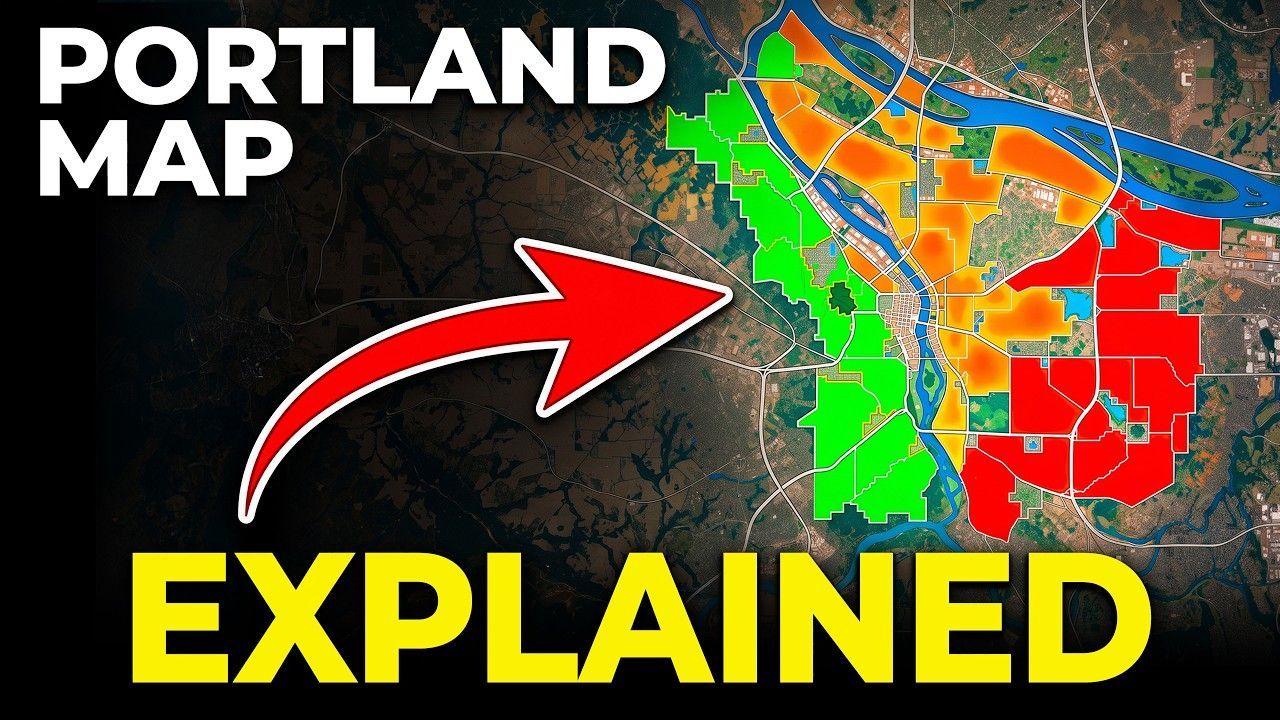
Two homes that look close on a map can deliver very different daily experiences. Noise levels can change fast. Parking can change. Foot traffic can change. Even the way a street feels from a comfort or safety standpoint can shift block by block.
This catches a lot of people off guard when moving to Portland. They assume a neighborhood name guarantees a certain feel. It does not. Micro location matters here more than many people expect.
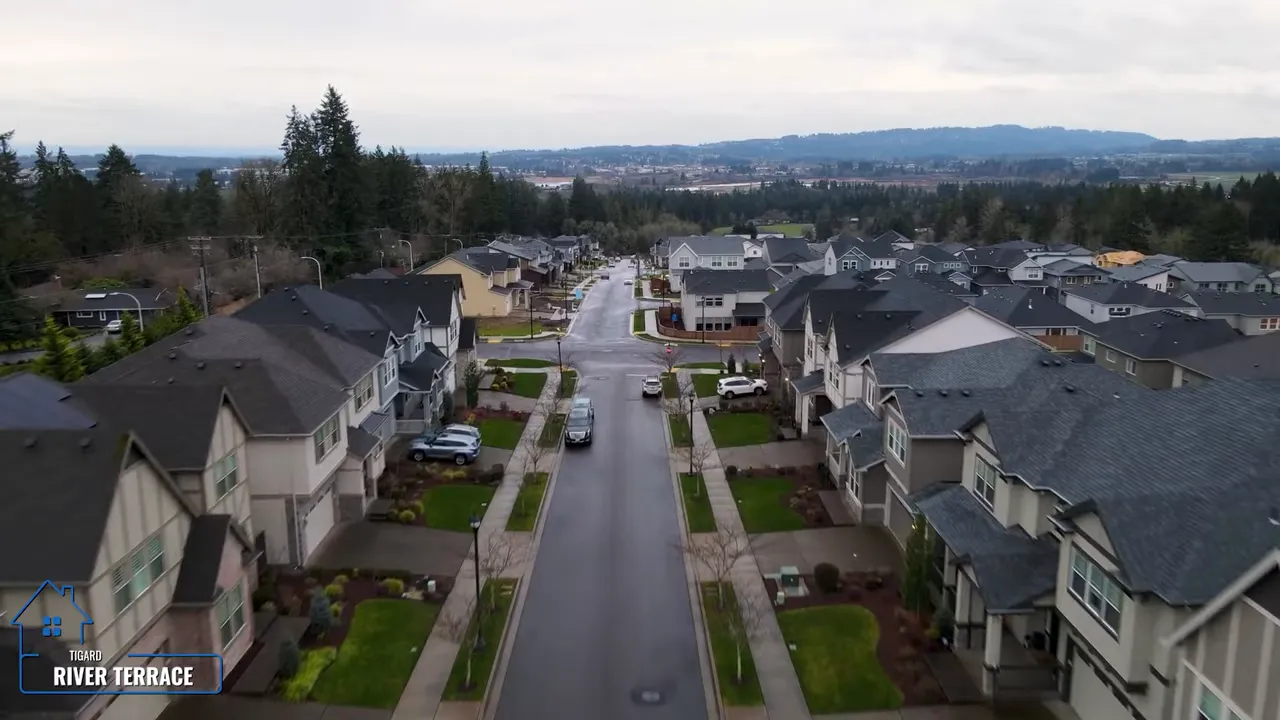
One of the biggest tradeoffs is walkability versus driveability. If we want to live close to shops, cafes, and neighborhood amenities, we may also be signing up for older homes, tighter streets, and less parking. If we want larger lots, quieter streets, and more elbow room, we are usually accepting more driving and fewer nearby conveniences.
Neither option is wrong. The problem is choosing without clearly defining our routine first.
We need to know:
- How often do we want to walk for coffee or dinner?
- How important is easy parking?
- Do we care more about charm or low maintenance?
- How much driving are we really willing to do each week?
- How close do we want to be to parks, schools, and services?
Portland housing adds another layer to this. A huge share of homes here were built before 1950. That means character, yes. It also means quirks, surprises, and real differences in function.
Older homes can bring:
- Different layouts
- Less storage
- Variable insulation and energy performance
- Higher maintenance needs
- Renovation costs that arrive sooner than expected
That old school Portland charm is very real. So are the invoices.
One of the most common refrains after moving to Portland is simple: we love Portland, just not where we live in Portland. That is exactly the kind of outcome we want to avoid.
How Portland's climate changes daily routine
People often think the weather story here is about temperature. It usually is not. The real adjustment when moving to Portland is the consistency of gray skies and reduced sunlight from fall through early spring.
The weather is mild, but it is steady. Long stretches of cloud cover. Light rain. Not dramatic storms every day. Just a lot of gray.
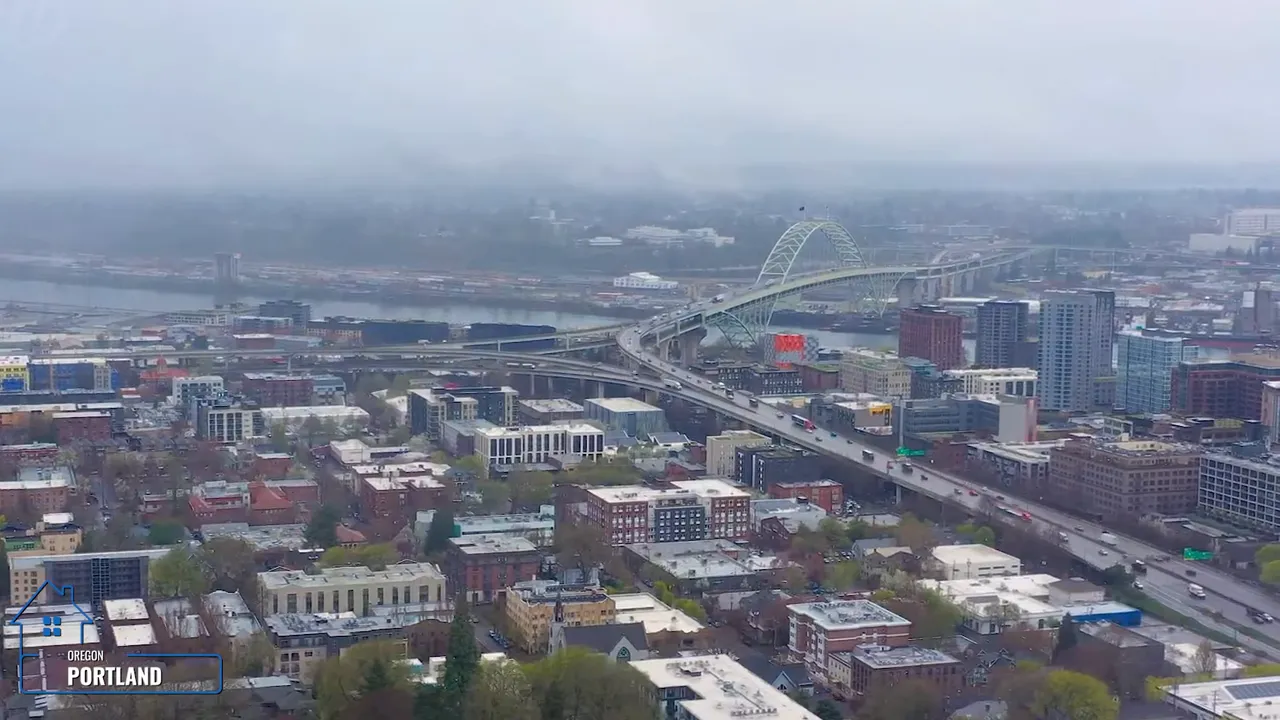
That surprises people more than the temperature does. Daily life here does not stop for weather. People adjust instead. Walks still happen in the rain. Errands still happen in the rain. Neighborhood life keeps going.
This is why the home itself matters more than many buyers expect when moving to Portland. We spend more time inside, so things like natural light, window placement, exposure, and tree coverage start to matter in a bigger way.
A home that feels perfectly fine in summer can feel much darker in winter. Once we live that difference, we cannot unfeel it.
Then summer arrives and reminds everyone why people fall hard for this place. Dry days. Warm weather. Extremely livable conditions. Portland summers are deeply appreciated partly because they are limited. People here tend to build their routines around that seasonality instead of resisting it.
If we thrive on seasonal rhythms, moving to Portland can feel natural. If we spend the wet months waiting for perfect conditions, the city can wear on us.
The real cost of moving to Portland goes beyond home price
One of the biggest financial surprises with moving to Portland is that the sticker price on the house is only part of the story.
Yes, Oregon has no sales tax, and that catches a lot of attention.
But Oregon also has a progressive state income tax, and that can hit harder than people expect, especially if we are moving from a no income tax state or trying to plan retirement cash flow. On paper, the home payment may look manageable. In practice, take home pay can feel lower than expected.
Then there are the housing related costs people do not always budget for.
Because Portland has so much older housing stock, we often see:
- Higher maintenance costs
- Higher utility variability
- Insurance costs that can vary more than expected
- Renovation timelines that drag because of permitting and contractor availability
That means we should not evaluate homes here using purchase price alone. We need to think in terms of total ownership experience.
Questions worth asking before moving to Portland include:
- How old are the systems in the home?
- How efficient is the house in colder gray months?
- What maintenance should we expect in the next few years?
- Will a remodel be cosmetic, or is it likely to become structural and expensive?
- How will Oregon taxes affect our real monthly budget?
This is where broad market headlines can be misleading. A home may seem affordable compared with another metro, but the ownership realities can look very different after move in.
Why one level homes create a different kind of competition
There is one segment of the market where moving to Portland can create a very specific shock, and that is true one level living.
If we are retirees, downsizers, or simply want a primary suite on the main level, expectations and reality can collide quickly. There are not enough of these homes. And when a good one hits the market in a good location, it tends to move fast and often for top dollar.
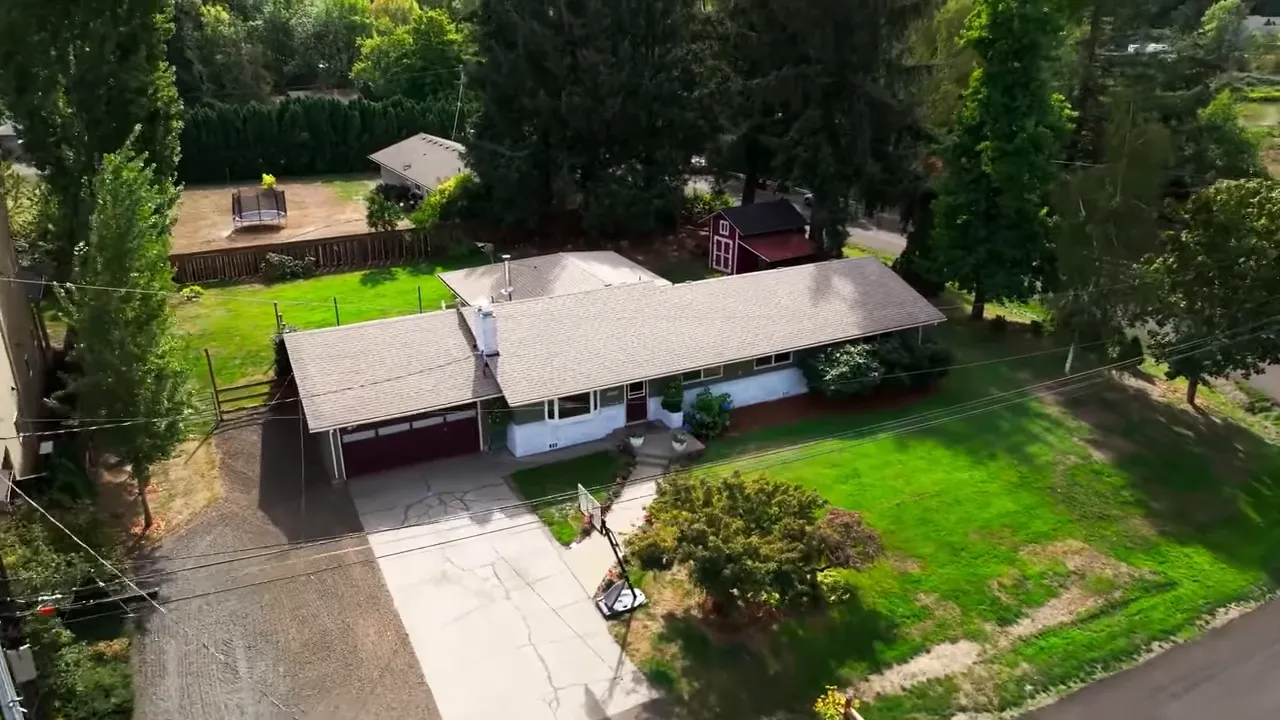
This is one of those cases where normal market logic does not fully apply. A two story home down the street might offer more square footage, more amenities, and even a better price. It still may not matter. Demand for one level living is that strong.
That is especially important for anyone moving to Portland with a very specific accessibility or aging in place goal. If that is us, we need to be calibrated early.
For one level buyers, preparation matters in three ways
- Expectations about price and competition need to be realistic.
- Finances need to be ready before the right home appears.
- Terms need to be strong enough to compete quickly.
When those homes hit the market, there is usually not much time to think it over casually. Strategy matters more than hope.
Who thrives after moving to Portland and who struggles
Portland rewards depth over buzz.
It prioritizes community, creativity, nature, and balance more than nonstop entertainment. Social circles here can take longer to form, but they often become deeper once they do. That delay can feel isolating early on if we expect instant integration.
Portland is also values driven. For some people, that alignment feels energizing. For others, it feels restrictive. That is not necessarily good or bad. It just means fit matters.
People who do well long term after moving to Portland usually have a few things in common:
- They value routine
- They can work with seasonality
- They are willing to trade some convenience for quality of life
- They choose the city intentionally instead of impulsively
People who struggle often fall for the image of Portland but not the mechanics of living here. They love the idea, but not the pace. The charm, but not the tradeoffs. The summer, but not the gray season.
When the fit is right, though, moving to Portland can be deeply satisfying. Neighborhood identity runs deep. Access to nature can become part of ordinary life rather than a once in a while escape. Stress often decreases when the systems around us match the life we want to live.
Why intentional living matters so much in Portland
At its best, moving to Portland is not about chasing hype. It is about creating alignment.
Portland does not reward assumptions very well. It rewards intention. The people who tend to stay and build full lives here are the people who understand the tradeoffs and choose them on purpose.
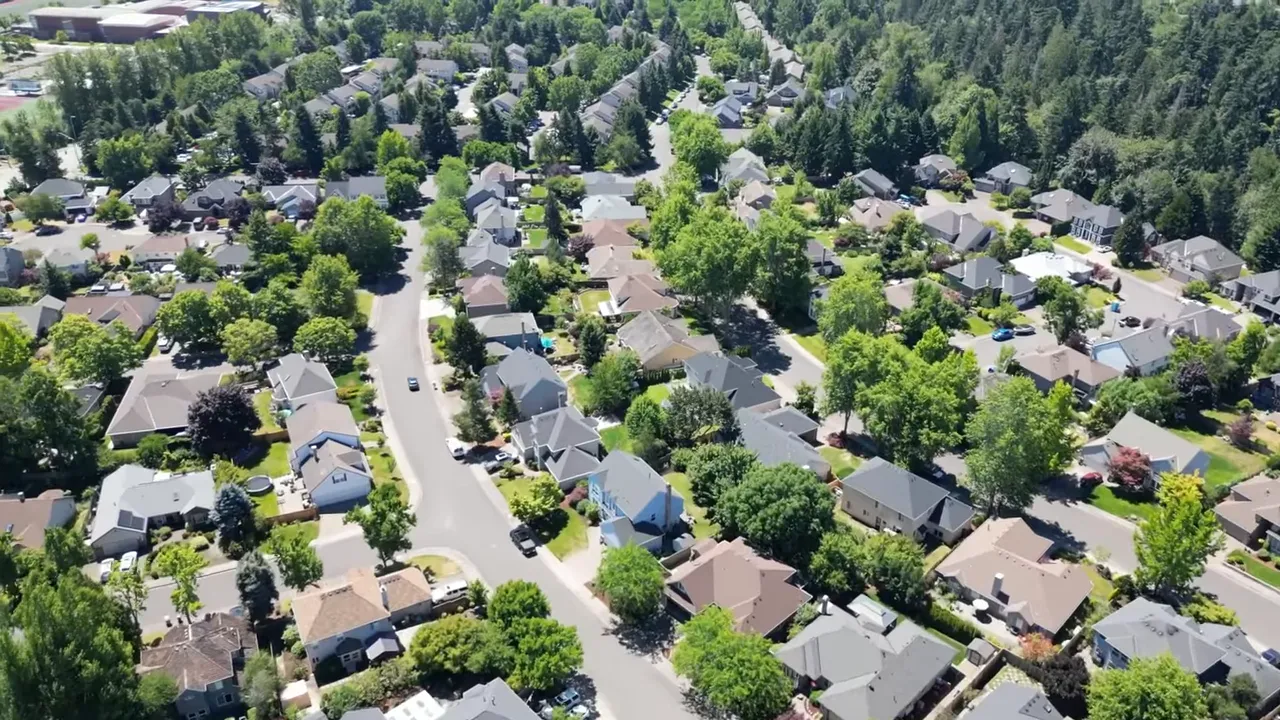
That means choosing a neighborhood based on routine, not just vibe. It means understanding how weather changes the way home feels. It means budgeting for the real cost of ownership, not just the listing price. It means being honest about whether we want convenience above all else or whether we actually want a more grounded, neighborhood centered way of living.
When we get those decisions right, moving to Portland tends to stick. Not because it is perfect, but because it fits. And when a city fits, we stop trying to fight it and start building a life inside it.
That is the difference between relocating for an image and relocating for a sustainable future.
If you’re considering relocating to Portland and want to make sure you’re choosing the right lifestyle fit(not just a pretty listing), reach out anytime. Call or text 503-804-1466 to talk with Anne Stewart.
FAQ
Is moving to Portland a good idea for people who want a slower pace of life?
Usually, yes. Moving to Portland tends to work well for people who value calm mornings, neighborhood routines, walkability, and a less urgency driven environment. It can be a tougher adjustment for people who depend on speed, constant availability, and nonstop convenience.
What is the biggest mistake people make when moving to Portland?
The biggest mistake is choosing a house without choosing the right lifestyle fit. Neighborhood, routine, weather patterns, and daily convenience matter more here than many people expect.
Does Portland weather make a bigger difference than people think?
Yes. The main surprise is not extreme cold. It is the long stretch of gray skies and limited sunlight from fall through early spring. That affects mood, routine, and even how a home feels inside.
Are Portland neighborhoods really that different from each other?
Absolutely. Two areas close together can feel dramatically different in parking, noise, walkability, lot size, street feel, and overall lifestyle. Micro location matters a lot when moving to Portland.
Is the cost of moving to Portland mostly about home prices?
No. Home price is only part of the picture. Oregon income tax, maintenance on older homes, utility costs, insurance variability, and renovation timelines can all affect the real cost of living.
Why are one level homes so competitive in Portland?
There is limited supply and strong demand, especially from retirees and buyers planning for long term accessibility. Because of that, true one level homes often move quickly and command a premium.
Who tends to thrive after moving to Portland?
People who usually do best are intentional, routine oriented, and comfortable with seasonality. They are often willing to trade some convenience for community, nature, creativity, and quality of life.
Moving to Portland can be a fantastic decision, but only when we make it with clear eyes. If we choose based on alignment instead of assumption, the city has a way of rewarding that for a very long time.