Living in Portland is not simple, and that is exactly why it deserves an honest conversation.
This is a place that can feel rewarding and frustrating at the same time. It can be steady, beautiful, grounded, and occasionally a little brutal. A lot of people either romanticize it into some Pacific Northwest fantasy or reduce it to whatever headline happened to make the rounds that week. Neither version is especially useful.
If we are seriously considering living in Portland, we need something better than a sales pitch or a scare tactic. We need the reality. The good parts that keep people here. The harder parts that catch newcomers off guard. And the practical tradeoffs that matter once real life starts.
Oregon has been drawing inbound movers in meaningful numbers, including plenty of people from California, Texas, and other high pressure places. So if living in Portland is on our radar, it helps to know what daily life really feels like before we make a decision we have to live with.
Table of Contents
- What Makes Living in Portland So Appealing
- The Hidden Advantages of Living in Portland
- What Frustrates People About Living in Portland
- Why Some of Us Stay for the Long Haul
- Who Does Best Living in Portland
- FAQ: Living in Portland
What Makes Living in Portland So Appealing
The first thing many people notice after arriving is the pace. Daily life here tends to run on a more human scale.
That means mornings often feel less combative. Neighborhoods do not always function like giant commuter funnels. We are not constantly sprinting from one obligation to the next just to keep up. For people arriving from larger, faster, or more intense metros, that slower rhythm can feel strange at first. Then it starts to feel healthy. Then, for many of us, it becomes hard to imagine going back.
The seasons are another huge part of living in Portland. Not just in a postcard sense, but in how they structure the year.
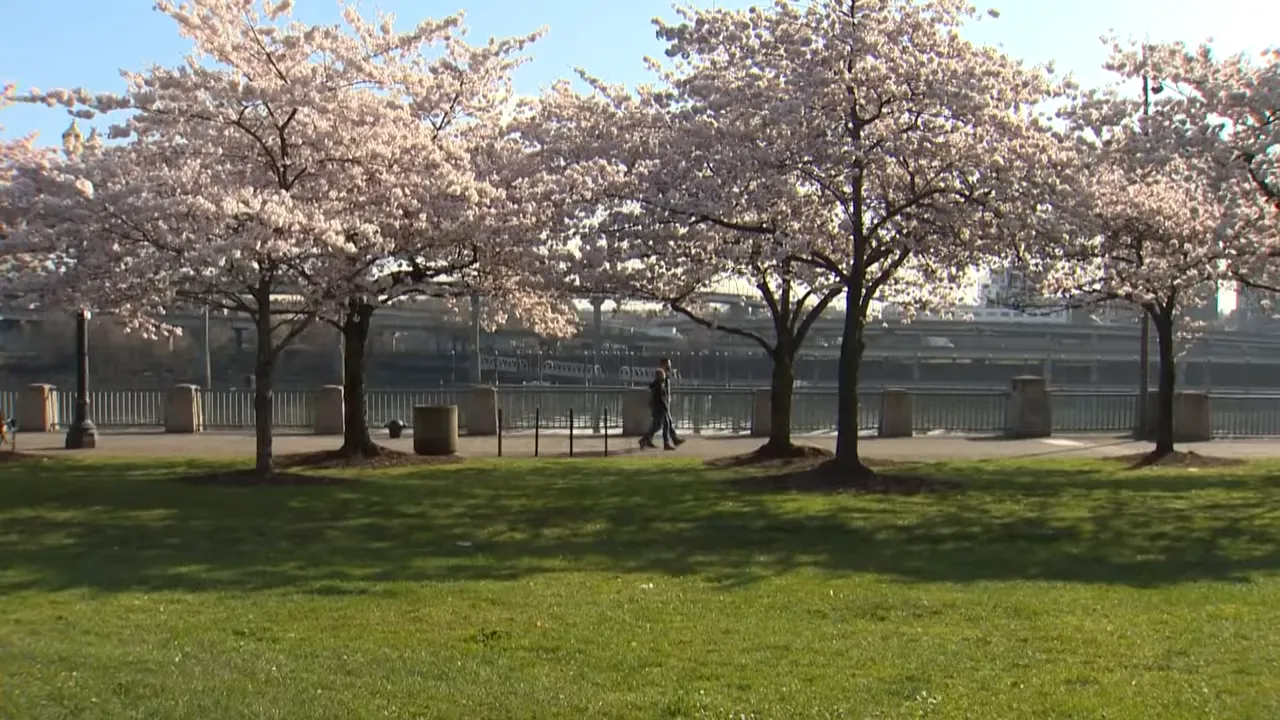
Spring feels like the city waking up all at once. Trees bloom everywhere, the air softens, and neighborhoods suddenly feel alive again. It is gorgeous. It is also a rough season if we have allergies. Portland spring can absolutely humble us.
Summer is where Portland really makes its case. Warm days, dry air, almost no humidity, and long stretches of daylight that seem to go on forever. Around the solstice, sunset pushes past 9:00 p.m., and that changes how life feels. Even an ordinary weekday can feel expansive.
Fall is one of the quieter pleasures of the region. Crisp air, changing leaves, damp sidewalks, and a kind of built in permission to slow down. There is a coziness to it that is hard to manufacture somewhere else.
And then there is the metro itself. One of the best things about living in Portland is that many suburbs and close in pockets still feel distinct. West Linn does not feel like Beaverton. Oregon City does not feel like Lake Oswego. Different areas carry their own identity instead of blending into one endless strip of sameness.
That creates a rare combination. We get the amenities of a major metro area, but many neighborhoods still carry a small town feel.
The Hidden Advantages of Living in Portland
Some of the best parts of living in Portland are not the flashy ones. They are the things that make daily life and long term planning work better.
No sales tax is more meaningful than people expect
Oregon has no sales tax. That means the sticker price is the price. For people moving from places where sales tax regularly adds a painful percentage to every major purchase, that is a real adjustment in a good way.
It may not sound glamorous, but it matters. Appliances, furniture, electronics, home improvements, and larger lifestyle purchases all feel different when there is no extra tax layered on top.
Outdoor access is not a bonus here, it is part of the lifestyle
This might be the strongest argument for living in Portland. Outdoor life is not something we save for vacation. It is built into the region.
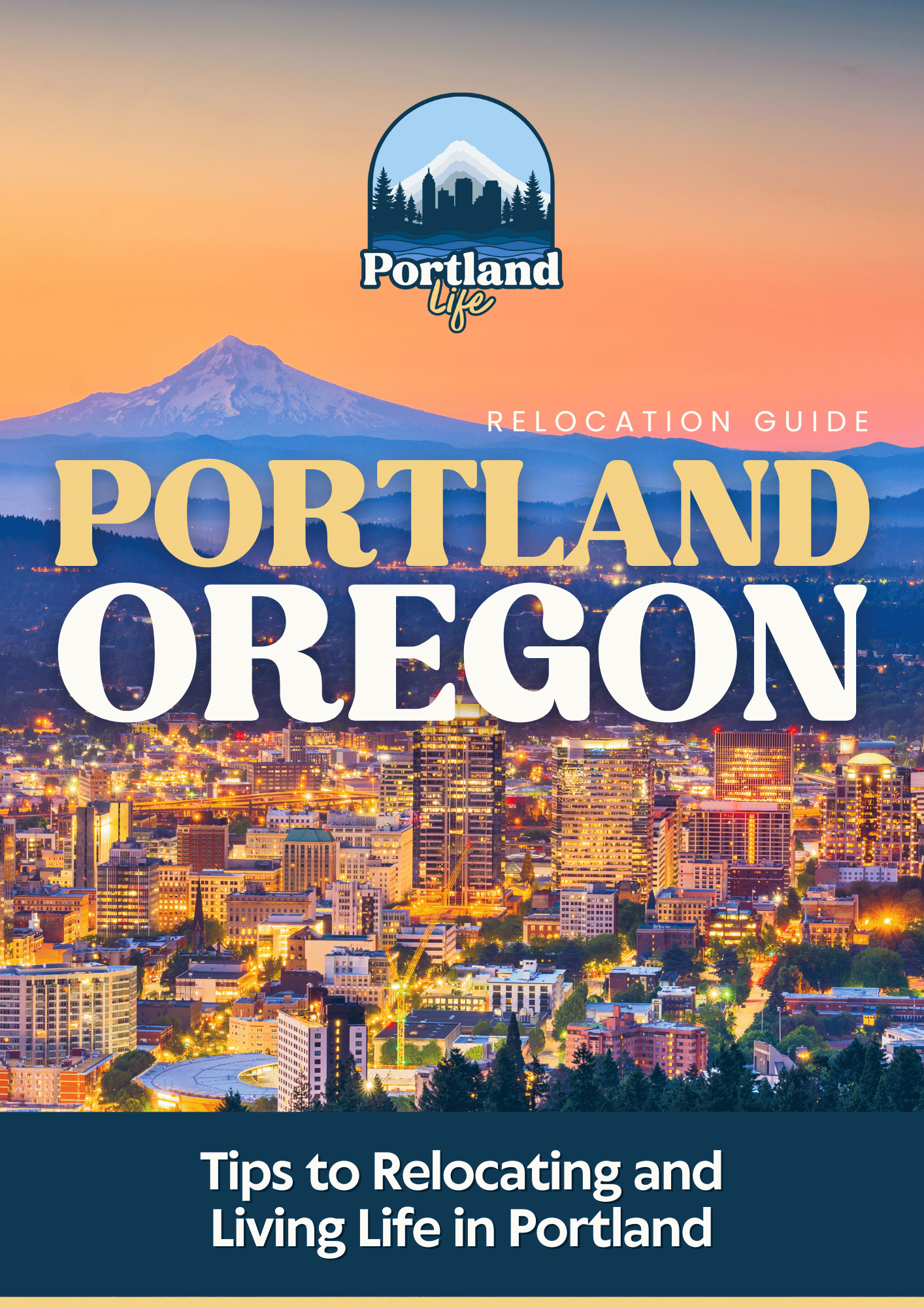
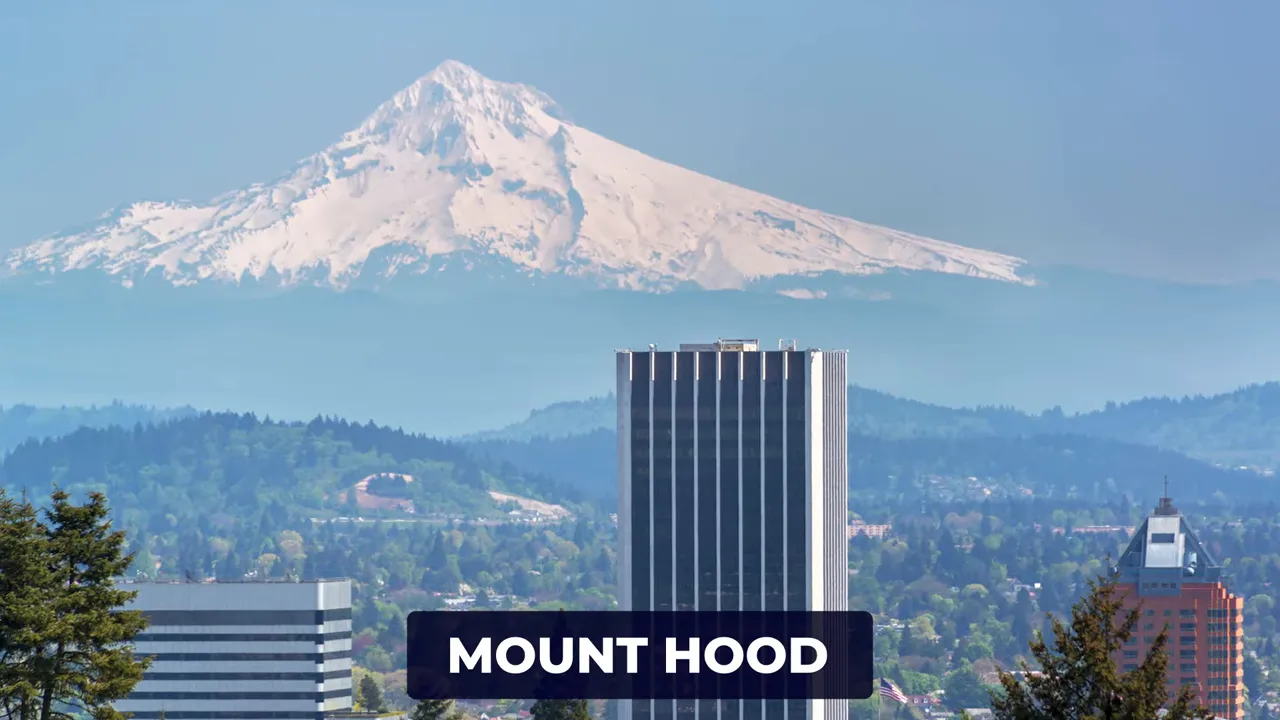
Mount Hood is part of the visual backdrop. Trails are woven into daily routines. People walk, ride, hike, paddle, and ski because the geography makes those things accessible, not because they are trying to be impressive.
There is something powerful about being able to step outside and do the thing we love without turning it into a whole production. That is why so many people move here. They want a life that includes regular outdoor time, not one where nature is theoretically nearby but practically out of reach.
Clean air, clean water, and a more grounded rhythm
A lot of relocation decisions begin with excitement, but long term satisfaction usually comes down to something quieter. Clean tap water. Better access to green space. A calmer pace. A feeling that everyday life is less performative and more livable.
Those are not always the reasons people move here. But they are often the reasons they stay.
What Frustrates People About Living in Portland
Now for the part that gets skipped too often.
Living in Portland is not all summer patios and mountain views. Some parts of it are genuinely challenging, and it is better to be honest about that.
The gray is real
Portland is not famous for deep freeze winters. The issue is not usually extreme cold. The issue is the long stretch of gray.
Late fall through spring can feel overcast, damp, and dim for months. Locals have a name for it because it is a real presence in daily life. If we rely on frequent sunshine to feel balanced, this is not a minor detail. It is one of the biggest quality of life variables in the entire relocation decision.
A mild winter here and there does not erase that pattern. Some years are gentler than others, but the long gray season is part of the package.
Portland is cheaper than some cities, but it is not cheap
This point matters a lot. Portland may compare favorably to Seattle, Los Angeles, or San Francisco, but that does not make it inexpensive.
The cost of living is still substantial. Housing especially can surprise people who arrive with a number in mind and assume it goes further than it actually does.
The broad median home price may sit around the mid five hundreds, but many of the homes people actually want in desirable areas land above $600,000. And with larger budgets, expectations often rise right along with the available inventory.
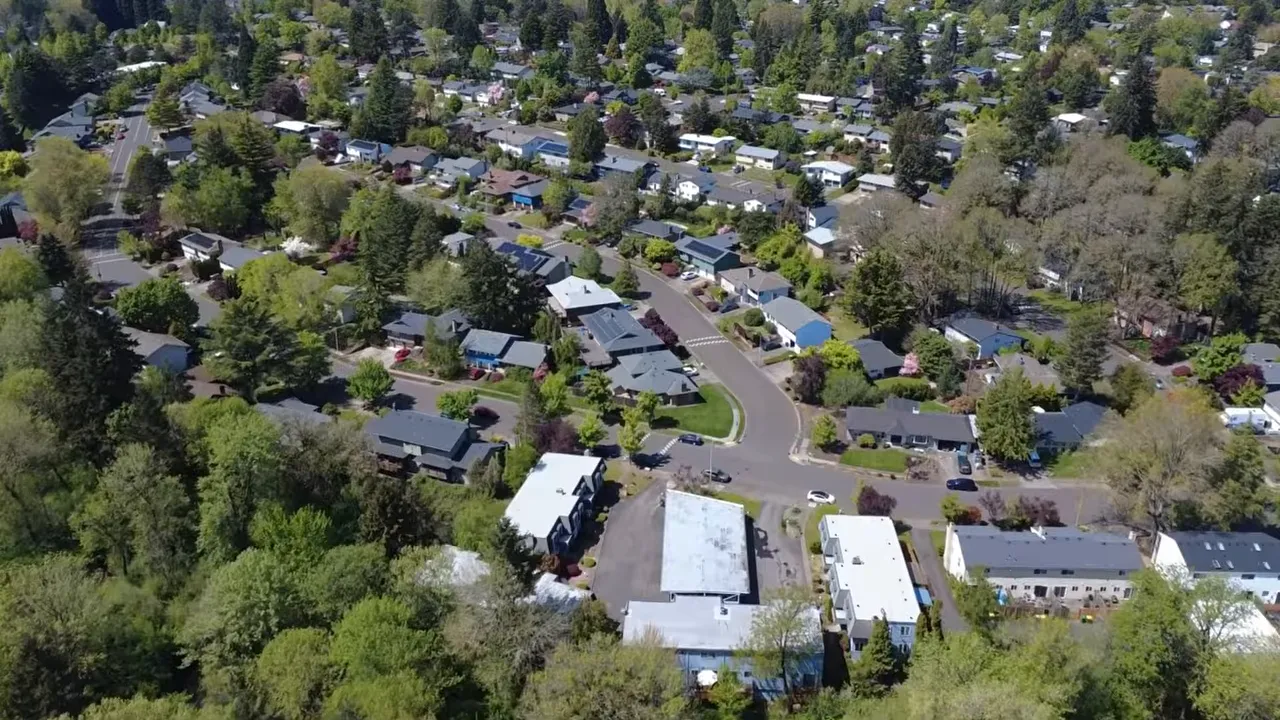
On top of that, utility costs have risen, and housing expenses do not stop at the mortgage. Anyone considering living in Portland should run the full numbers, not just compare list prices.
Downtown has had a rough stretch
This is a hard truth for people who love the city. Downtown Portland has gone through a difficult period over the last several years. Some things have improved, and there has been gradual recovery, but plenty of businesses have left the core.
That does not mean the city is finished. It means anyone picturing downtown from older travel pieces or idealized branding should update that mental picture.
The Portland freeze exists
People here are often polite, but that does not always translate into instant friendship.
Long time locals tend to have established routines and relationships. Many are perfectly content with the circles they already have. So yes, the so called Portland freeze is real enough to plan around.
If we are moving here, especially from places where people are fast to invite and socialize, it helps to be proactive:
- Join hobbies and recurring groups
- Say yes to community events
- Invite people to do things
- Give relationships time to develop
Connection usually happens here, but it often happens more slowly.
Commuting and tax math both require attention
The commute is not apocalyptic, but it is not effortless either. Certain corridors carry real infrastructure pressure, and access varies a lot by suburb. Where we live can make a major difference in how smooth daily life feels.
And then there is Oregon income tax. If we are coming from a no income tax state like Texas or Florida, this can be a bigger adjustment than expected. Zero sales tax helps. Predictable property taxes help. But we still need to run the real math.
Why Some of Us Stay for the Long Haul
What keeps people here is often different from what brought them.
1. The financial structure of ownership is steadier than many expect
For homeowners, Oregon has a practical advantage that becomes more valuable over time. Property tax growth is capped at roughly 3 percent per year under Measure 50, which creates a lot more predictability than many buyers are used to.
That stability matters. It helps with long term planning, retirement projections, and the psychological side of ownership too.
Oregon also does not tax Social Security benefits, which can matter significantly for retirees or anyone planning ahead.
2. The lifestyle payoff is genuine
We tolerate the gray because the payoff is real.
Portland summers are exceptional. Outdoor access is exceptional. The blend of city convenience with nature, mild rhythm, and breathable pace is hard to reproduce elsewhere.
For some suburbs, there is also a more stable local economic foundation than broad metro headlines suggest. Areas in Clackamas County, including places like Lake Oswego, West Linn, and Oregon City, have shown post 2020 employment gains that support their continued appeal.
3. Community gets stronger with time
This one may be the most important. The right neighborhood becomes ours slowly.
It happens through school events, favorite coffee shops, trail systems, gathering places, familiar faces, and the small rituals that make a place feel personal. Some Portland neighborhoods and suburbs have stayed desirable through downturns, corrections, and cultural shifts not just because of housing stock, but because people keep putting down roots there.
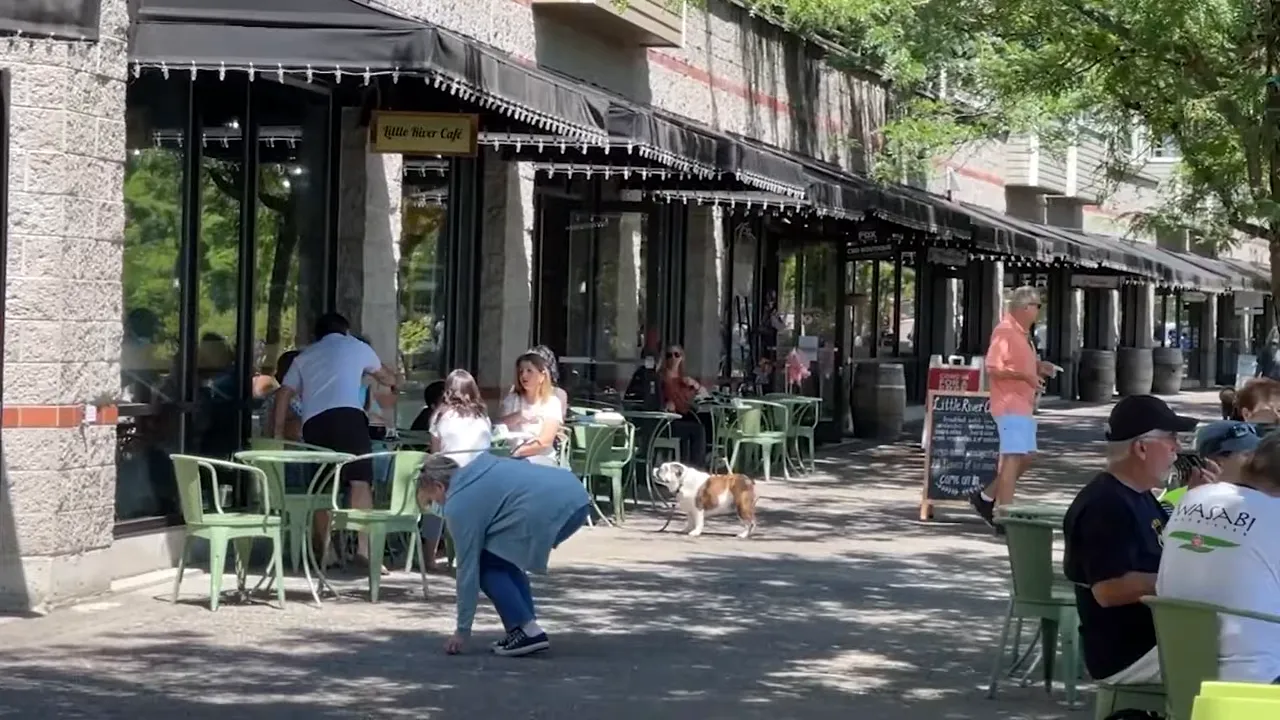
That is one of the deeper truths about living in Portland. The place often reveals itself gradually.
Who Does Best Living in Portland
Not everyone thrives here in the same way.
Generally, living in Portland works best for people who value stability over stimulation. People who want to build something durable. People who care more about the feel of everyday life than chasing the next flashy market.
Portland tends to fit well for:
- Lifestyle buyers who want a home they genuinely enjoy, plus access to outdoor life and community
- Remote workers who can bring in a bigger market salary while enjoying Pacific Northwest quality of life
- California relocators who may find the combination of home equity, no sales tax, steadier property taxes, and lower home prices financially relieving
Who may struggle?
- People who need steady sunshine for their mental well being
- People whose careers depend on a much deeper tech, finance, or creative market than Portland offers
- People expecting instant social openness
- People unwilling to give the city a real adjustment period
One of the most useful ways to think about living in Portland is through a two year lens.
The first year, we compare everything to where we came from. The second year, we usually start seeing the place for what it actually is. That is when routines settle, people get familiar, and the city either starts to feel like home or it does not.
That timeline is worth taking seriously. Portland is not always instant. But for the right person, it can become home in a deeper way than expected.
If you’re thinking about making the move, don’t guess—get a real plan for neighborhoods, pricing, and the day-to-day tradeoffs. Call or text 503-804-1466 to talk with Anne Stewart, or grab a time on the calendar to start your relocation strategy.
Want to compare options quickly? Schedule a buyer consultation and we’ll walk through your budget, your timeline, and the areas that fit your lifestyle—no pressure, just clarity.
FAQ: Living in Portland
Is living in Portland worth it?
For many of us, yes. Living in Portland is worth it if we value outdoor access, a slower daily pace, strong seasonal rhythms, and neighborhoods with real identity. It is less ideal if we need frequent sunshine or want a faster, more socially open environment.
What is the hardest part about living in Portland?
The long gray season is the biggest challenge for many newcomers. The city is not usually harshly cold, but the overcast stretch can last for months and has a real effect on mood and energy.
Is Portland affordable compared to other West Coast cities?
It is more affordable than places like Seattle, Los Angeles, and San Francisco, but it is not cheap. Housing, utilities, and general living costs still require serious budgeting, especially in the neighborhoods most buyers prefer.
What are the financial perks of living in Portland?
The biggest advantages are no sales tax, relatively predictable property tax growth under Measure 50, and no state tax on Social Security benefits. Those factors can make long term ownership feel steadier than in some other states.
Is it hard to make friends in Portland?
It can take time. People are often courteous, but not always immediately welcoming into their personal circles. Joining activities, showing up consistently, and being the one who initiates plans usually makes a big difference.
Who is a good fit for living in Portland?
People who do best here usually want long term stability, outdoor living, genuine community, and a home they enjoy rather than merely tolerate. Remote workers and many California relocators often have a particularly strong case for making the move.
Living in Portland is not for everyone. That is not a knock on the city. It is just the truth.
But if we want a life with breathing room, access to nature, real seasons, and neighborhoods where roots can actually take hold, Portland deserves serious consideration. We just have to go into it with our eyes open.
Read More: Portland's Best and Worst Suburbs (Ranked by Budget Instead of Hype)