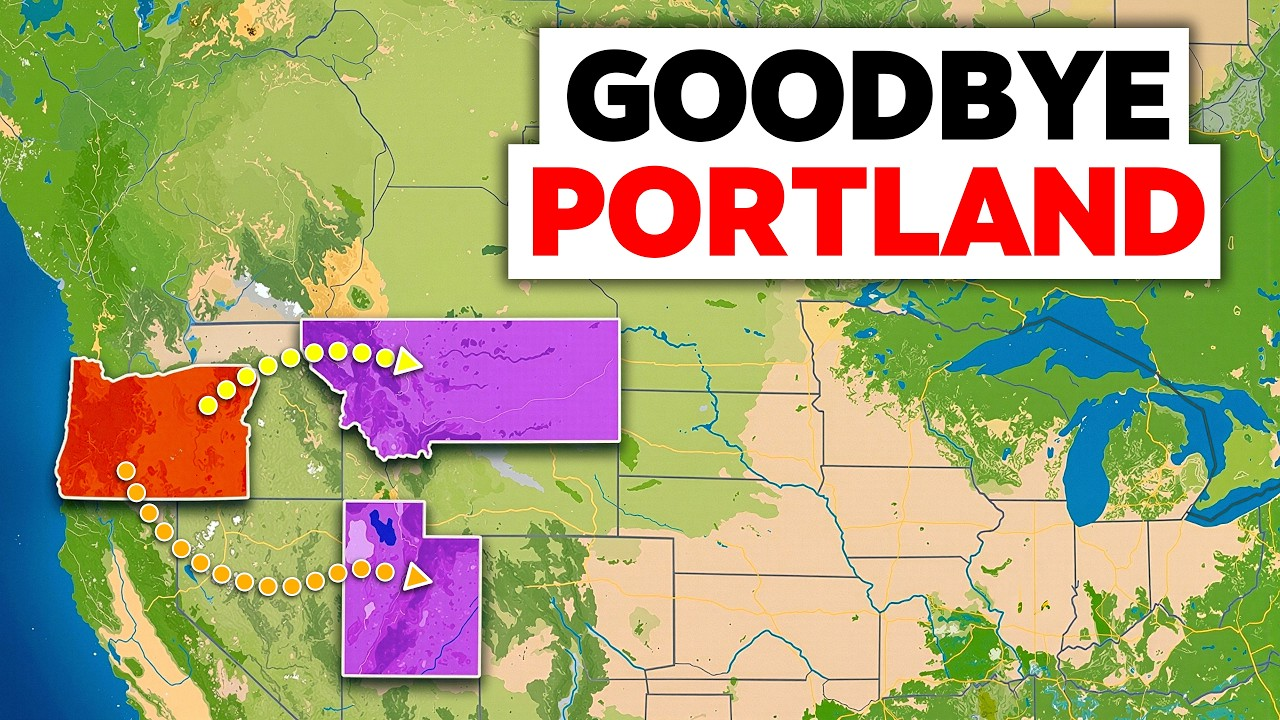
Most people considering moving to Portland, Oregon hear some version of the same pitch. Great food. Beautiful neighborhoods. Access to nature. No sales tax. Mild summers. A creative, interesting culture that feels different from most American cities.
A lot of that is true.
But the people who do best after moving to Portland, Oregon are not the ones who arrive starry-eyed. They are the ones who understand the tradeoffs before they pack a single box. Portland can be an amazing fit, but it has some very specific day-to-day realities that catch newcomers off guard all the time.
We have seen families relocate with big expectations, spend a lot of money to get here, and then realize too late that they were prepared for the postcard version of Portland, not the real one. The good news is that nearly all of these challenges are manageable if you know what you are stepping into.
This guide walks through the 10 biggest things to think through before moving to Portland, Oregon, starting with the more manageable issues and working up to the ones that tend to hit hardest.
Table of Contents
- 1. Property taxes can surprise you
- 2. Oregon’s income tax changes your paycheck
- 3. The gray season is real
- 4. Traffic is not small-city easy anymore
- 5. Crime is more nuanced than the headlines
- 6. You’ll probably still need a car
- 7. Portland is not one city with one vibe
- 8. Housing costs are higher than many expect
- 9. Building a social circle takes effort
- 10. The biggest adjustment is the rain mindset
- Who tends to thrive after moving to Portland, Oregon?
- FAQ about moving to Portland, Oregon
1. Property taxes can surprise you
One of the first budgeting mistakes people make when moving to Portland, Oregon is underestimating property taxes.
In the Portland area, the effective property tax rate is often around 1% to 1.2% of real market value, depending on the county and neighborhood. On a $500,000 home, that can mean something like $5,000 to $6,000 per year. That may not sound devastating on its own, but it is enough to throw off a relocation budget, especially for people coming from low-tax states.
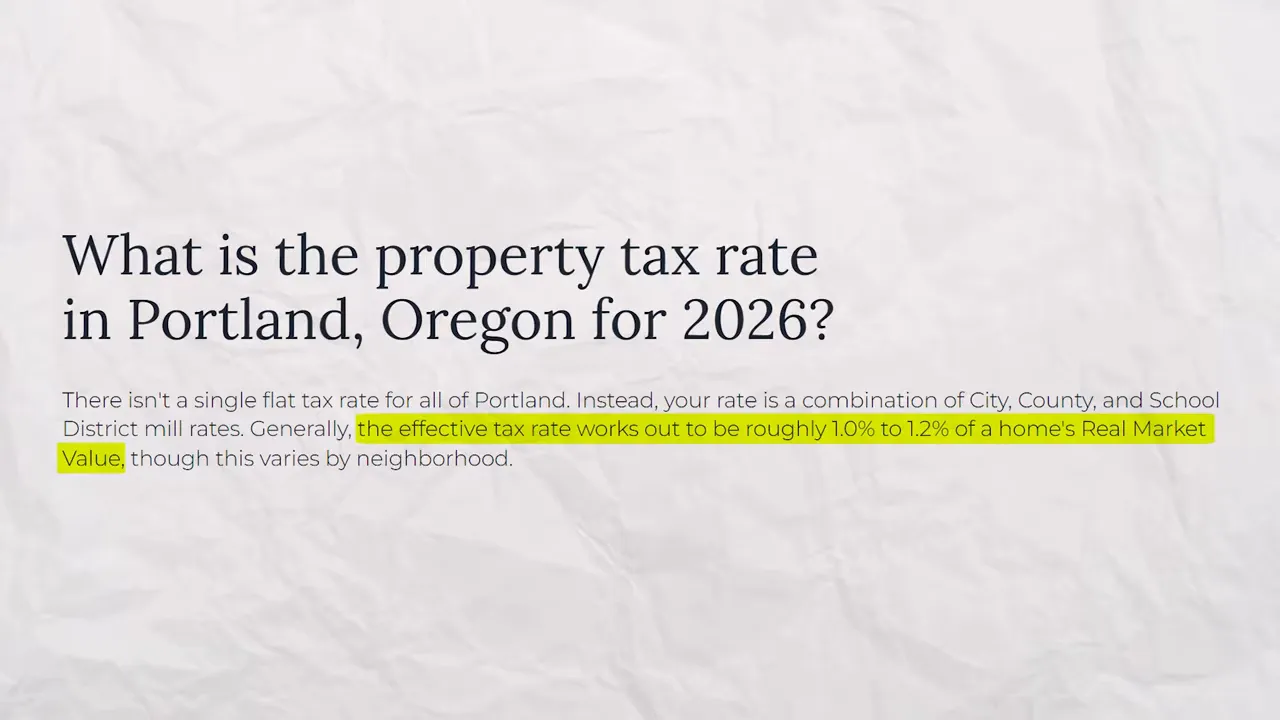
The bigger surprise is that voter-approved levies can stack over time. One recent parks levy increased the rate and added more annual tax revenue citywide, which means many homeowners will see their bills inch upward again.
Here is where strategy matters. Taxes can vary a lot by county. Multnomah County, which includes Portland proper, is typically where the tax burden is highest. The same-priced house in Washington County or Clackamas County can carry a meaningfully lower annual tax bill.
That difference can easily add up to thousands of dollars per year. For many households, that is the deciding factor between living in Portland proper versus a westside or southside suburb with similar metro access.
One helpful quirk in Oregon is that assessed value is often lower than market value, and under Measure 50, assessed value generally cannot rise by more than 3% per year. That gives owners a little more predictability once they are in the home.
The takeaway: when moving to Portland, Oregon, never compare homes on sale price alone. Compare the full monthly carry cost, including county-specific taxes.
2. Oregon’s income tax changes your paycheck
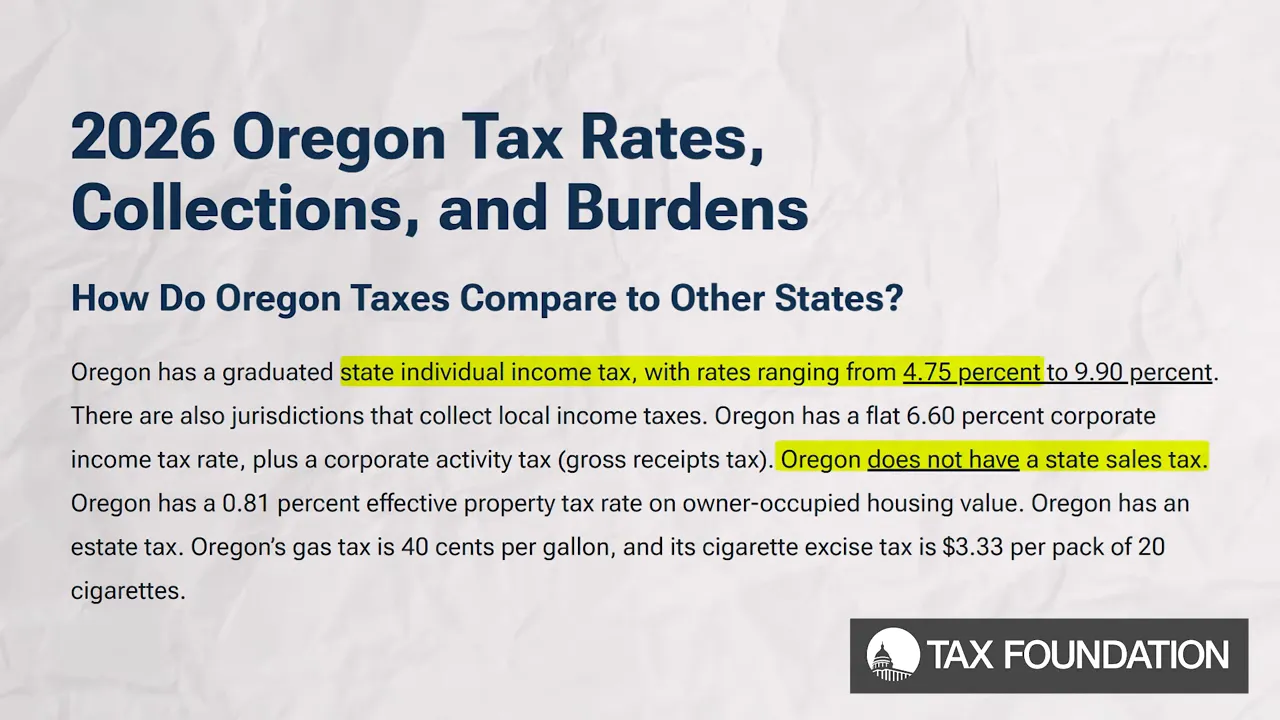
People love hearing that Oregon has no sales tax. And yes, that is a real perk. You are not paying extra tax on groceries, cars, furniture, appliances, or everyday purchases.
But the tradeoff is state income tax.
Oregon’s top marginal state income tax rate is 9.9%, which is high by national standards. If you are moving from Texas, Florida, or another no-income-tax state, your take-home pay may feel noticeably smaller even if your salary looks good on paper.
There is also Portland’s local arts tax, a small flat annual tax for income-earning adults within the city. It is not a budget breaker, but it is one more local detail people rarely know about before they arrive.
If you are negotiating a relocation package, this is where you want to be thorough. Run the Oregon take-home numbers before accepting an offer. Ask about cost-of-living adjustments. Ask whether a gross-up is possible. A strong salary in another state does not always land the same way here.
That said, the no-sales-tax benefit is not meaningless. If you make a lot of large purchases, some of that income-tax gap gets offset more than people expect.
3. The gray season is real
Anyone thinking seriously about moving to Portland, Oregon should spend at least a little time mentally preparing for the cloud cover.
The rain gets all the attention, but the gray is often the harder part. The cloudiest stretch of the year begins in early October and lasts for more than eight months. That does not mean nonstop heavy rain every day, but it does mean overcast skies become the normal backdrop for much of the year.
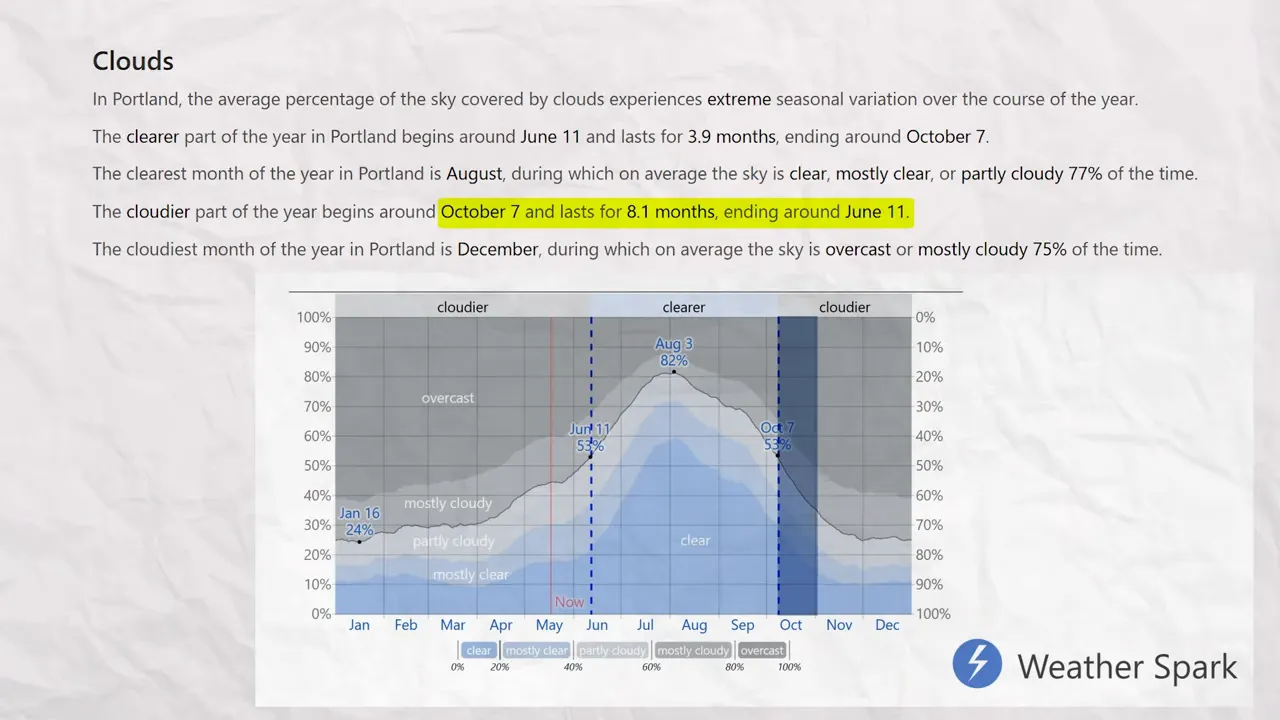
This hits hardest for people arriving from sunny climates. Families from California or Arizona are often prepared for drizzle but not for the emotional effect of months of muted light. In the Pacific Northwest, seasonal affective disorder affects residents at roughly twice the national rate.
The people who handle this well do not fight the season. They build a winter life.
- They invest in hobbies they actually enjoy indoors.
- They get outside anyway, even when the weather is imperfect.
- They schedule trips, ski days, coffee dates, gym time, and routines that keep them moving.
- They treat winter as a season with its own rhythm instead of something to endure passively.
The reward is real. Once you get through the gray months, Portland’s spring and summer feel extraordinary.
4. Traffic is not small-city easy anymore
A lot of relocators still picture Portland as an easy-driving small city. That version of Portland is long gone.
The metro has grown, but the road infrastructure has not kept pace. Average commute times hover in the mid-30-minute range, and the main arteries including I-5, I-84, I-205, and Highway 26 can back up significantly during morning and evening rush.
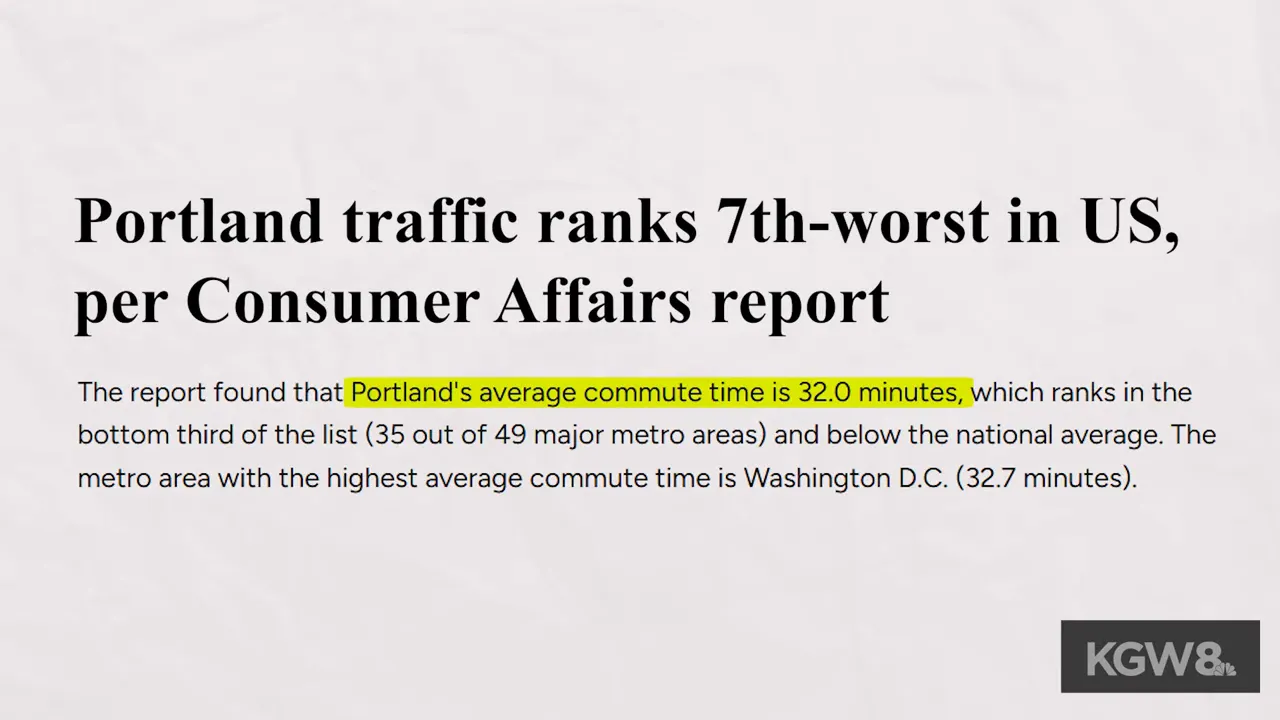
This does not mean Portland traffic is on the level of Seattle or the Bay Area. It is not. But it absolutely matters when choosing where to live.
One of the smartest things buyers can do when moving to Portland, Oregon is choose a neighborhood based on commute pattern, not just home style. Cutting 15 or 20 minutes off each direction adds up to hundreds of hours per year.
Practical rule: if daily driving is part of your life, location is not just about lifestyle. It is also about energy, schedule, and long-term quality of life.
5. Crime is more nuanced than the headlines
Portland’s reputation on crime is one place where the public conversation often misses the nuance.
Recent city data has shown major improvement in violent crime, including a steep decline in homicides. Overall crime has also tracked below the national average. That matters, especially if national headlines have given you the impression that the city is uniformly unsafe.
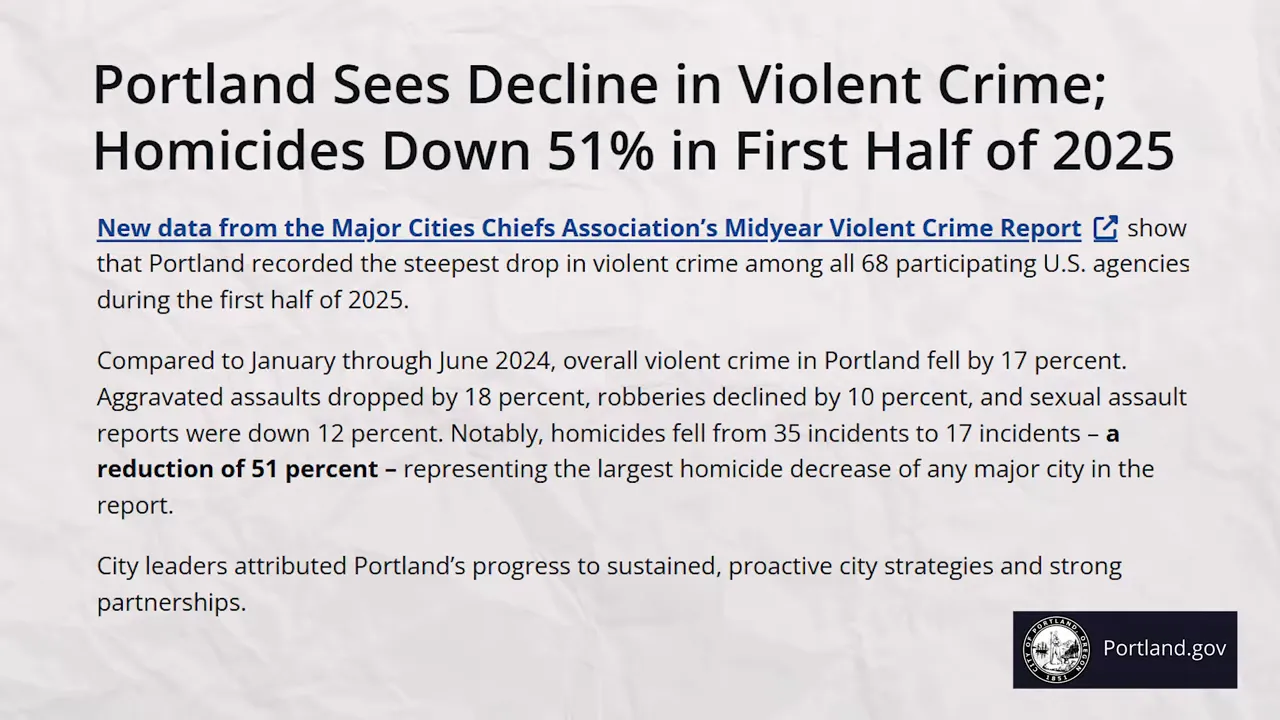
At the same time, property crime remains a real quality-of-life issue in parts of the metro. That is an important distinction. A place can be statistically safer than expected while still frustrating residents with car break-ins, theft, and neighborhood-by-neighborhood inconsistency.
And that inconsistency is substantial. Two areas a few miles apart can feel very different.
When researching neighborhoods, use actual data instead of assumptions. The most useful approach is to combine:
- Published city crime data for the ZIP code
- Neighborhood-level ratings from third-party tools
- Block-by-block heat map tools such as safemap.io
Then drive or walk the area at different times of day. That gives you a much more realistic picture than media coverage ever will.
6. You’ll probably still need a car
Portland has one of the better transit systems you will find in a metro its size. TriMet runs an extensive bus network and MAX light rail system, and in the right neighborhood, transit can absolutely be useful.
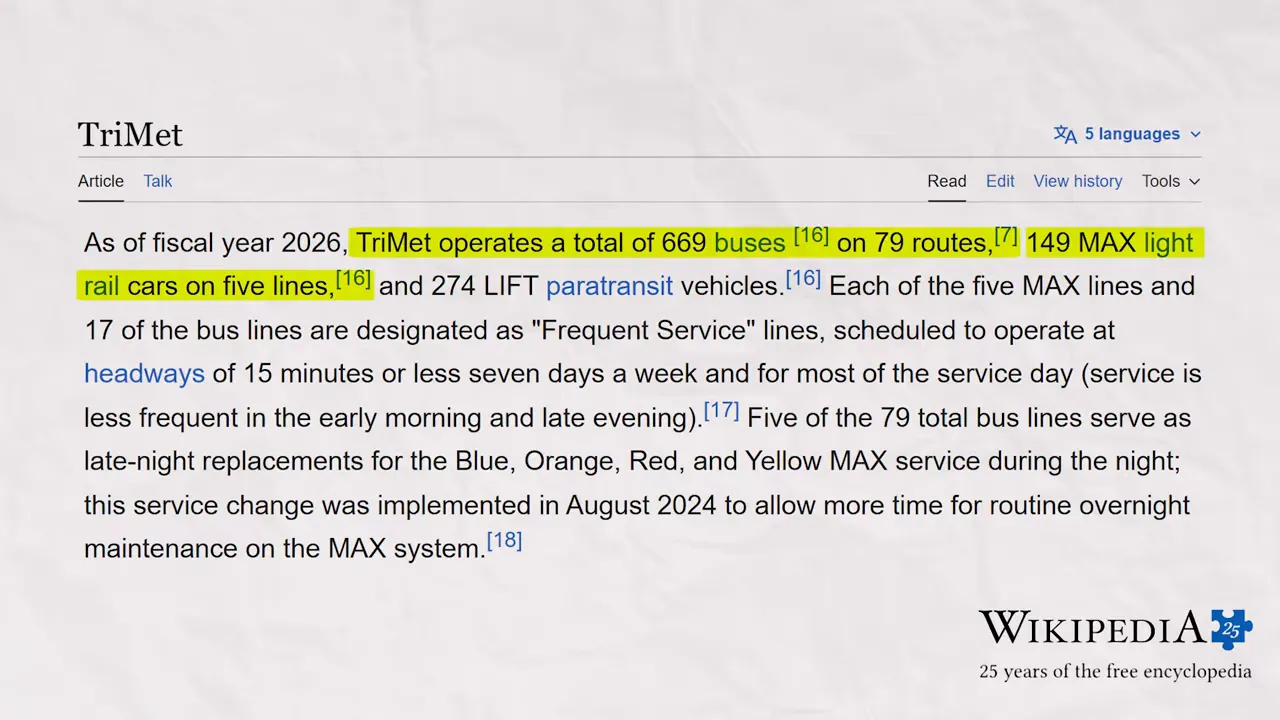
Still, most households here own a vehicle. Roughly 85% do. That tells you what everyday life really looks like.
Transit is good for Portland, but Portland is not Manhattan, Boston, or a car-free European city. If you are moving to Portland, Oregon and planning to live in the suburbs, a reliable car is usually part of the equation. That means budgeting for:
- Car payment
- Insurance
- Fuel
- Maintenance
There is another wrinkle too. Reporting has suggested future funding shortfalls could shrink bus and rail service in the coming years. So even if transit is workable today, many households should not assume it will become more robust over time.
The upside is that parking is generally much easier outside the urban core, and many suburban areas have solid freeway access.
7. Portland is not one city with one vibe
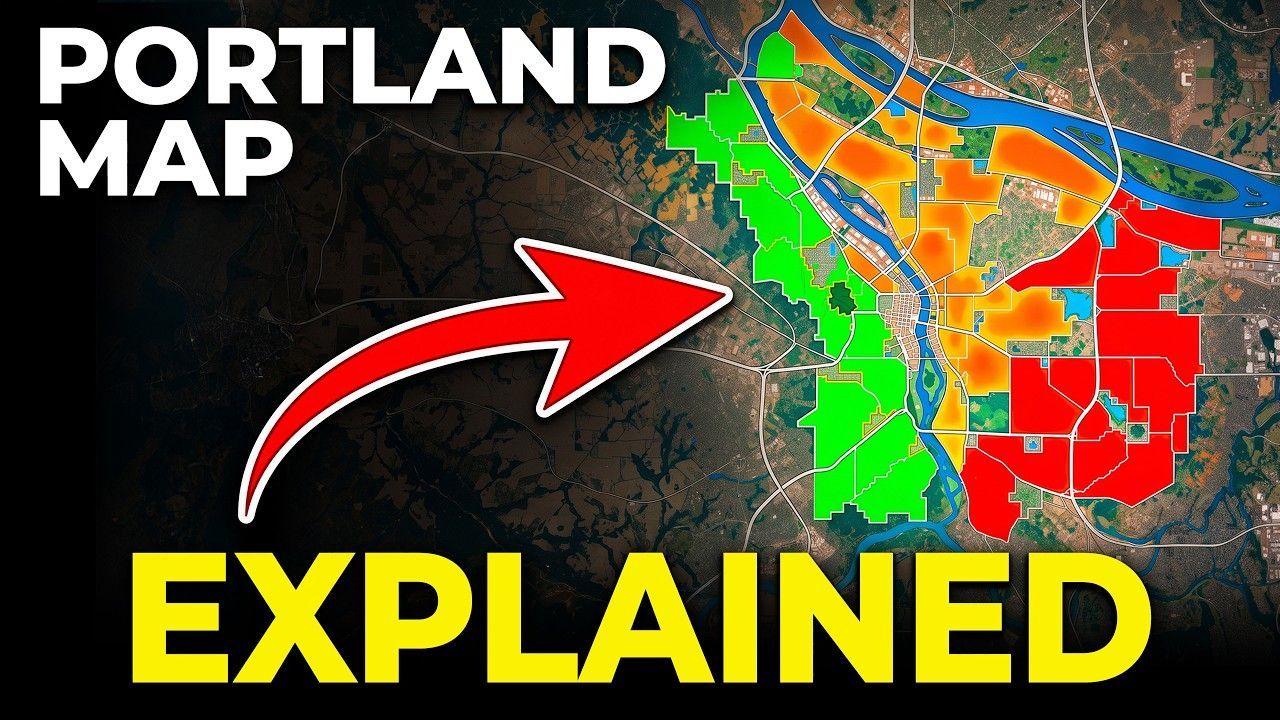
This is one of the biggest mindset shifts for anyone moving to Portland, Oregon. Portland is not one unified experience. It is a patchwork of micro-markets, micro-cultures, and neighborhood personalities.
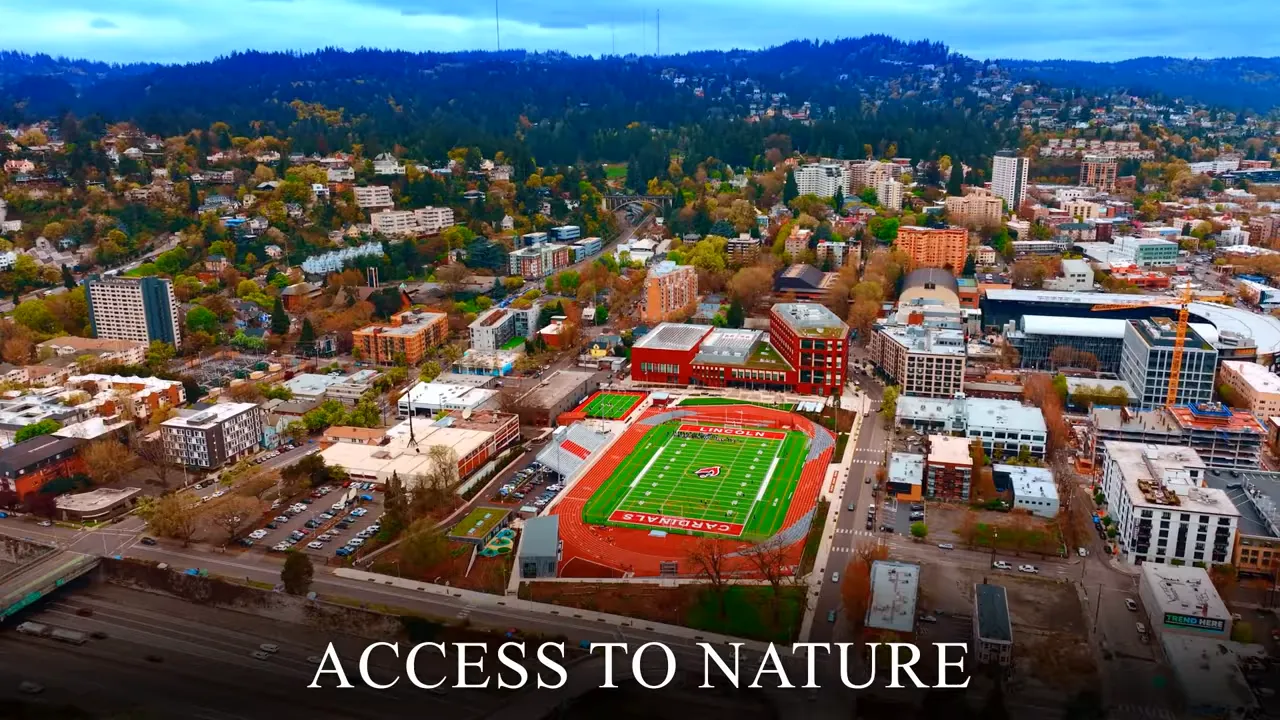
You can drive 10 or 15 minutes and feel like you are in a different city. Walkability changes. Density changes. Dining changes. school experience changes. Street feel changes.
There are also parts of Portland that still have visible disorder and homelessness, especially in certain urban corridors and some downtown pockets. Conditions have improved from the worst pandemic-era stretch, but the issue has not disappeared, and it varies significantly from one area to the next.
The flip side is just as true. Large parts of Portland are beautiful, leafy, highly livable, and full of community character. Tree-lined streets, strong neighborhood identity, excellent food, and easy access to nature are not marketing fluff here. Those things are real.
This is why neighborhood selection matters more here than many relocators expect. When people thrive after moving to Portland, Oregon, it is often because they matched themselves to the right area, not just the right house.
8. Housing costs are higher than many expect
This is where the math gets very real.
The median home price in Portland has been sitting roughly in the low-to-mid $500,000 range, depending on the source and the timing. But in many of the neighborhoods buyers actually want, the practical shopping range is more like $650,000 to $750,000.
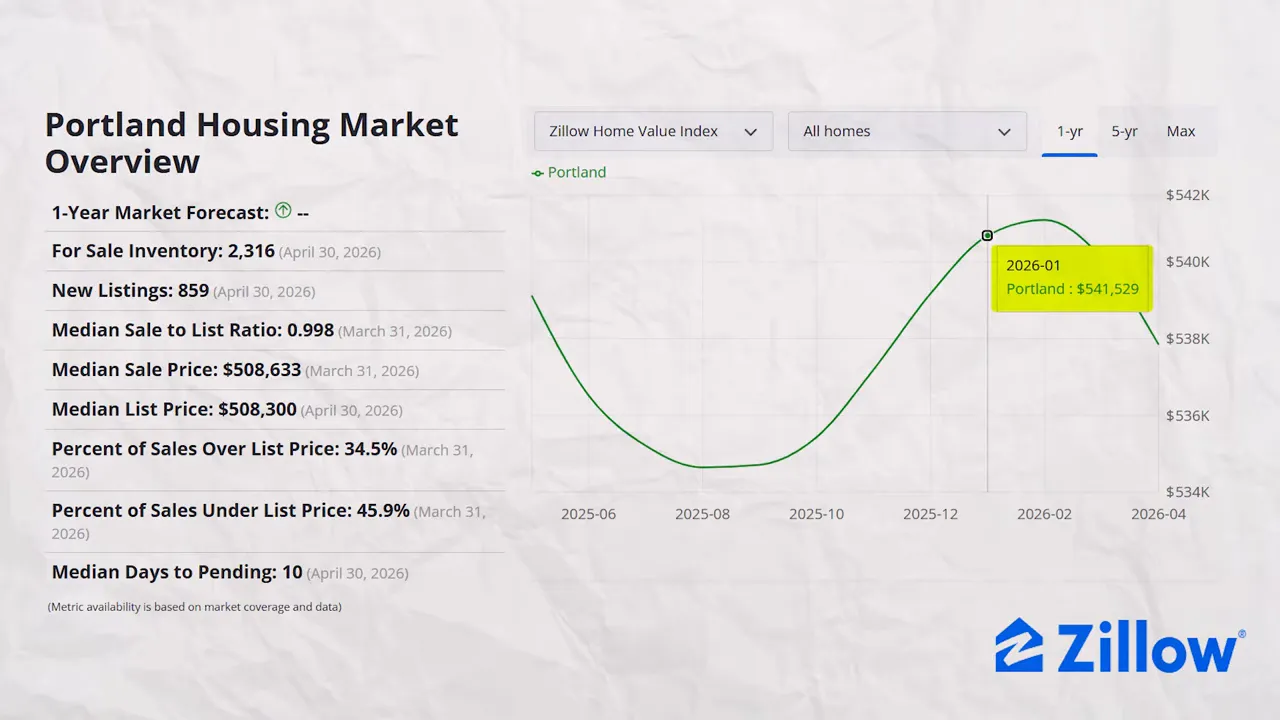
That surprises two groups of people for different reasons.
- People from lower-cost markets often experience immediate sticker shock.
- People from very expensive markets think Portland looks cheap until they calculate taxes, financing, and ongoing ownership costs.
To realistically afford a median-priced Portland home at current rates, a household income around $120,000 to $140,000 is often the honest benchmark. Below that, many buyers are stretching hard.
And it is not just mortgage principal and interest. The hidden costs matter:
- Higher state income tax
- Property taxes and levies
- Weather-related maintenance on roofs, gutters, drainage, and exterior surfaces
None of this means Portland is unaffordable compared to Seattle, Los Angeles, or the Bay Area. It usually is still less expensive than those places. But it is not a casual bargain either.
9. Building a social circle takes effort
One of the least discussed parts of moving to Portland, Oregon has nothing to do with houses, prices, or weather. It is friendships.
Portland is not always the easiest city to plug into socially as a newcomer. Many adults already have established friend groups, routines, and communities. If you are arriving without family or existing friends nearby, you may need to work harder than expected to build your own circle.
That can be jarring for people whose previous social life was built into work, kids’ activities, or long-standing local networks.
The way to handle it is to be proactive and patient.
- Join clubs tied to real interests
- Try sports, hobby groups, classes, or volunteer work
- Attend events repeatedly, not just once
- Show up enough that people start to know you
That repeated, low-pressure presence matters. In Portland, trust and familiarity often build slowly. Add the long indoor season to the mix, and it becomes even more important to create reasons to get out of the house consistently.
10. The biggest adjustment is the rain mindset
This is the one that breaks more relocators than anything else.
It is not just the amount of rain. It is the way the rain changes your relationship to daily life.
During the wetter stretch of the year, rain can affect your commute, weekend plans, energy level, outdoor exercise, and even your sense of emotional balance. If your mental health depends heavily on running, walking, hiking, or being outside in sunshine, you cannot assume that habit will carry over unchanged.
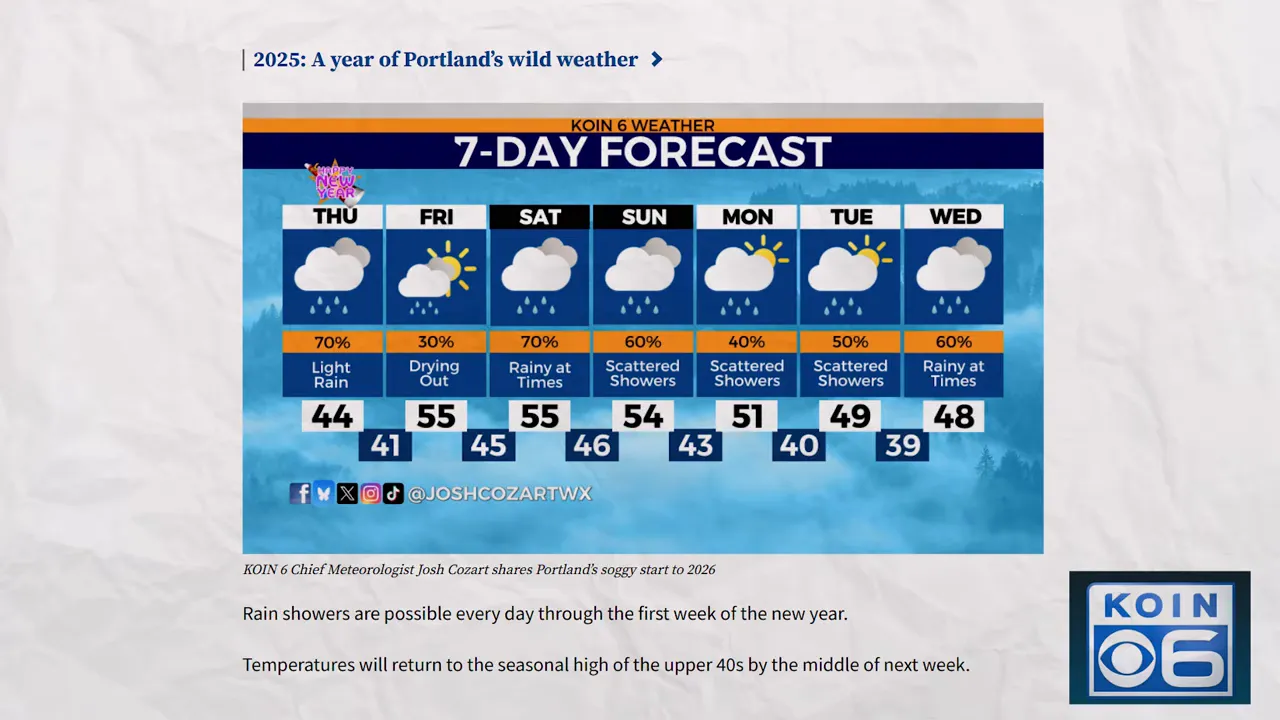
This is where people from sunnier places sometimes misjudge Portland. They think they are prepared because they know it rains here. But knowing something intellectually is not the same as living in it day after day for six or seven months.
The people who do best after moving to Portland, Oregon make a mindset shift.
- They buy good rain gear instead of relying on umbrellas.
- They keep doing life outside when possible.
- They build indoor routines that keep them grounded.
- They stop seeing gray weather as an interruption and start seeing it as part of the seasonal rhythm.
Once that adaptation happens, the payoff is huge. Portland’s bright seasons feel incredible partly because of the contrast. You appreciate sun, warmth, and blue sky on an entirely different level.

Who tends to thrive after moving to Portland, Oregon?
The people who struggle most are usually the ones trying to make Portland feel exactly like the place they left.
The people who thrive are the ones who come in with realistic expectations. They understand that the weather requires adaptation, that neighborhood choice matters enormously, that taxes and housing costs need careful math, and that building community takes initiative.
If you are hoping for a sunny, cheap, effortless West Coast city, Portland may disappoint you.
If you want a city with strong neighborhoods, real character, amazing summers, access to nature, and a culture that rewards resilience and intentionality, Portland might be exactly right.
That is really the question behind moving to Portland, Oregon. Not whether Portland is perfect. It is not. The better question is whether its tradeoffs match the kind of life you actually want to build.
If you’re thinking about moving to Portland, Oregon and want a real, neighborhood-by-neighborhood plan (based on taxes, housing costs, commute patterns, and lifestyle fit), I’d love to help. Call or text me anytime at 503-804-1466.
You can also browse homes for sale at SellingPortlandHomes.com or set up a buyer consultation via Calendly.
FAQ about moving to Portland, Oregon
Is moving to Portland, Oregon a good idea for families?
It can be a great fit for families, but success often comes down to choosing the right neighborhood and going in with realistic expectations. Commute times, taxes, housing budget, school options, and winter weather all matter more than people expect at first.
Is Portland cheaper than Seattle or California?
In many cases, yes. Portland is generally less expensive than Seattle, Los Angeles, or the Bay Area. But it is not cheap in the way many relocators assume. Housing, income tax, and ownership costs can narrow the gap quickly.
Do you need a car after moving to Portland, Oregon?
Usually, yes. Portland has decent transit for its size, but most households still own a car. If you plan to live in the suburbs or want maximum flexibility, a vehicle should be part of your budget.
Is Portland dangerous?
The reality is more mixed than the headlines suggest. Violent crime has improved significantly, but property crime is still a concern in some areas. Safety can vary a lot from one neighborhood to another, so local research matters.
What is the hardest part of moving to Portland, Oregon for most newcomers?
For many people, it is the long gray season and the mental adjustment that comes with it. The issue is less about dramatic storms and more about months of overcast skies, regular rain, and the need to build a new seasonal rhythm.
Are Portland property taxes high?
They are not the highest in the country, but they are often higher than relocators from low-tax states expect. They also vary significantly by county, which is why comparing Multnomah County to Washington or Clackamas County can make a major difference in your monthly costs.
Moving to Portland, Oregon can be one of the best decisions you make, but only if you are choosing the real city and not the fantasy version of it. Portland rewards people who prepare well, budget honestly, and adapt to the rhythm of the place. If that sounds like you, there is a very good chance Portland will feel like home.
Read More: Portland Neighborhoods to Avoid: 5 West Side Suburbs Out-of-State Buyers Should Think Twice About