When we start talking about moving to Portland, most people arrive with one of two assumptions. They either imagine a Seattle-lite version of the Pacific Northwest, or they assume the national headlines told the whole story. Neither one gets to the real point.
Portland is unusual in ways that are structural, historical, and geographic. It is not just a city with a recognizable skyline and a collection of suburbs wrapped around highways and chain stores. It has been shaped by different choices, different land rules, different transportation priorities, and frankly, a different civic personality.
That matters if we are moving to Portland because these are not random trivia facts. They affect daily life. They influence where we live, how we get around, what weekends look like, how much we spend, and what kind of place this city feels like beneath the surface.
Table of Contents
- Why Portland does not follow the U.S. city formula
- The geography makes daily life different
- Ten reasons Portland is an outlier
- What these differences mean if we are moving to Portland
- FAQ: Moving to Portland
Why Portland does not follow the U.S. city formula
Most big American cities were built from a familiar recipe. Start with a downtown core. Add suburbs around it. Run highways through and around everything. Then fill in the commercial landscape with big retail centers and national chains.
Portland did not fully go that route. It still has suburbs, job centers, shopping districts, and all the normal components of a major metro. But it also has a very different relationship with land, nature, transportation, and civic identity.
That difference shows up in plain sight. Right next to downtown sits the largest urban forest in the country. A major bridge across the river excludes private cars. Inside city limits, there is an extinct volcano that doubles as a neighborhood park. Those are not minor details. They say a lot about how Portland thinks.
If we are seriously considering moving to Portland, we should understand that this city does not just look different. It operates from a different set of priorities.
The geography makes daily life different
Before we even get to the ten standout features, Portland’s geography deserves its own section because it changes how life here feels.
Same day outdoor access is real
From downtown, we can be on Mount Hood for snow sports and back the same day. We can head to the coast in the morning and still be home for dinner. That kind of single day flexibility is one of Portland’s biggest lifestyle advantages.
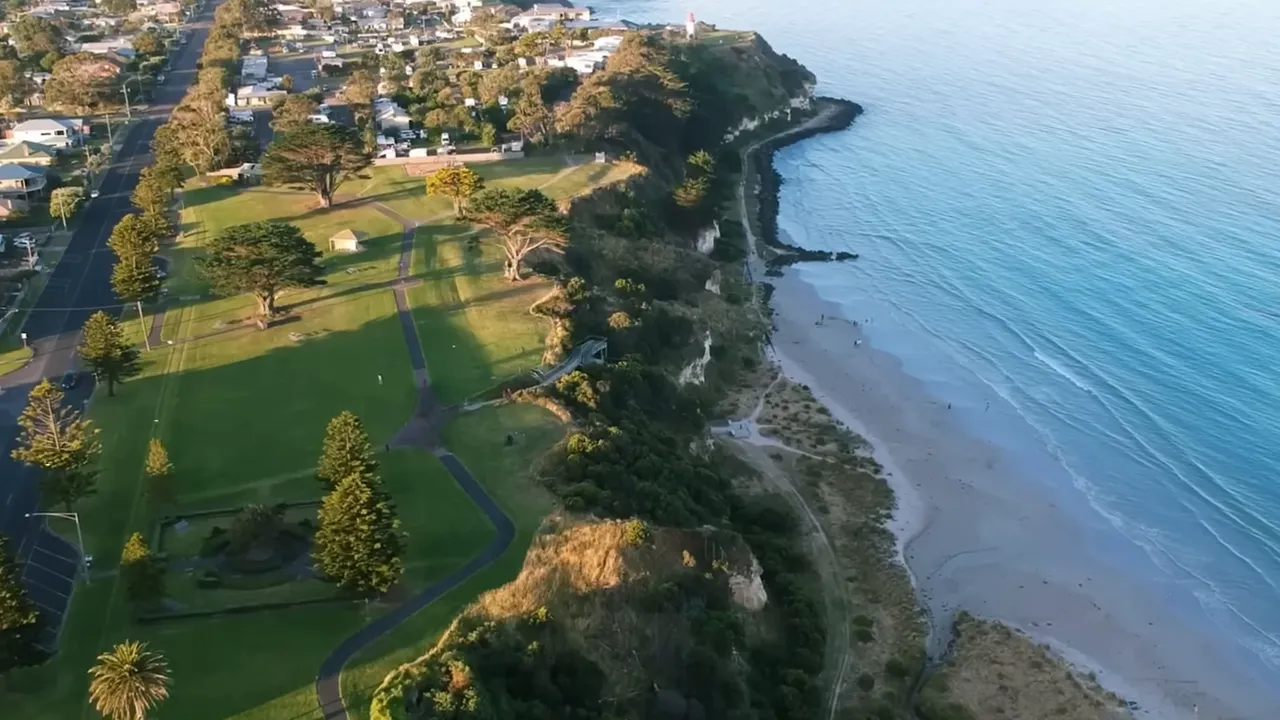
That is a major reason people keep moving to Portland even when they know the weather will ask something of them.
Yes, the weather is gray, and yes, that matters
Portland asks us to make peace with long gray stretches and regular rain. There is no point pretending otherwise. But the city has built a whole comfort culture around that reality. Cozy restaurants, neighborhood coffee shops, layers, routines, and a slower winter rhythm all make more sense here than they do in sunnier places.
Natural disaster anxiety is lower than in many other metros
Compared with hurricane zones, tornado corridors, and wildfire-prone regions where urban areas are directly threatened, Portland often feels less volatile. That does not mean there is zero risk in Oregon. It means the typical metro lifestyle here is not dominated by constant severe-weather concern.
Ten reasons Portland is an outlier
10. Portland was named by a coin flip
Portland’s identity nearly went in a completely different direction. In the 1840s, two founders could not agree on what to call the settlement. One favored Boston and the other favored Portland, after his hometown in Maine. So they settled it with a coin toss, best two out of three.
The winner got the name, and Portland has been Portland ever since.
Even better, the actual coin still exists and is displayed at the Oregon Historical Society in downtown. That is one of those small facts that tells us something big. Portland’s story starts with improvisation, not with a polished master plan.
9. Portland is a global sportswear capital
This surprises a lot of people who are moving to Portland from the East Coast or the South. Portland is not just outdoorsy. It is one of the key places on earth where sportswear decisions get made.
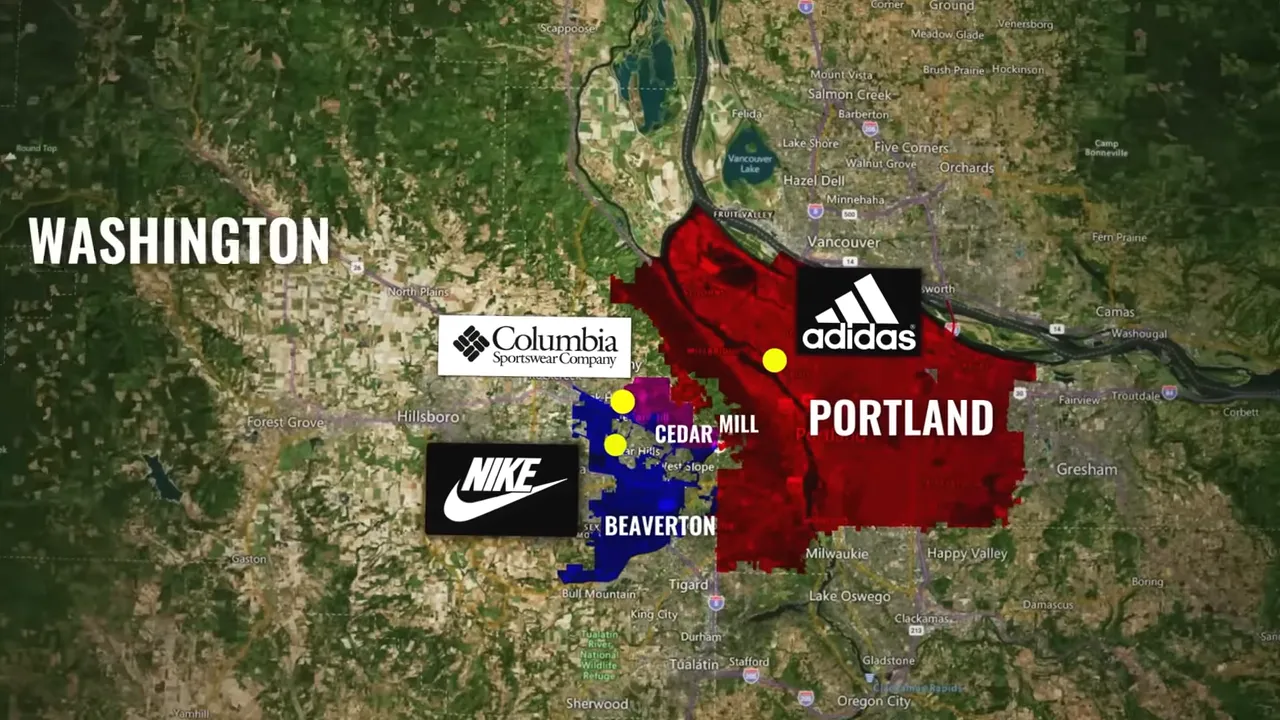
Nike’s global headquarters sits in Beaverton on a huge campus. Adidas has its North American headquarters in Portland. Columbia Sportswear is also headquartered in the metro area. Put those three together and the concentration is hard to match anywhere else in the country.
Portland is not merely a place that sells athletic gear. It is a place where major brands shape what the world wears.
8. The sports culture is disproportionately intense
For a relatively small market, Portland punches far above its weight in sports passion.
The Trail Blazers sold out 814 straight home games, an astonishing streak that ran for years. The franchise also made the playoffs in 21 consecutive seasons, which remains one of the longest runs in NBA history.
And it is not only basketball. The Timbers built a season ticket waiting list that climbed past 10,000 people, the longest in Major League Soccer.
Then there are the Thorns, one of the most successful women’s soccer franchises in the city and in the league. They have sold out Providence Park, set attendance records, won championships, and consistently drawn some of the biggest crowds in women’s soccer.
So if part of moving to Portland for us is finding a place with strong community energy, sports are a very real part of that fabric.
7. Oregon has zero sales tax
This one stops people in their tracks. State sales tax is zero. County sales tax is zero. City sales tax is zero.
That means whether we buy a couch, a laptop, a pair of shoes, or a car, there is no added sales tax at checkout. Oregon is one of only a handful of states with that structure.
And because Washington is right across the Columbia River and does charge sales tax, people regularly cross into Oregon to shop. Portland effectively becomes a regional tax-free retail magnet.
For anyone moving to Portland from a high-tax place, this is not a cute perk. It is a meaningful structural advantage.
6. Tilikum Crossing was built without room for private cars
Portland waited decades to build a major new bridge across the Willamette River. Then, when it finally did, it created one that prioritizes transit riders, cyclists, and pedestrians instead of private cars.
Tilikum Crossing opened in 2015 and is widely recognized as the first major bridge in the United States designed for transit, bikes, and foot traffic while excluding private vehicles.
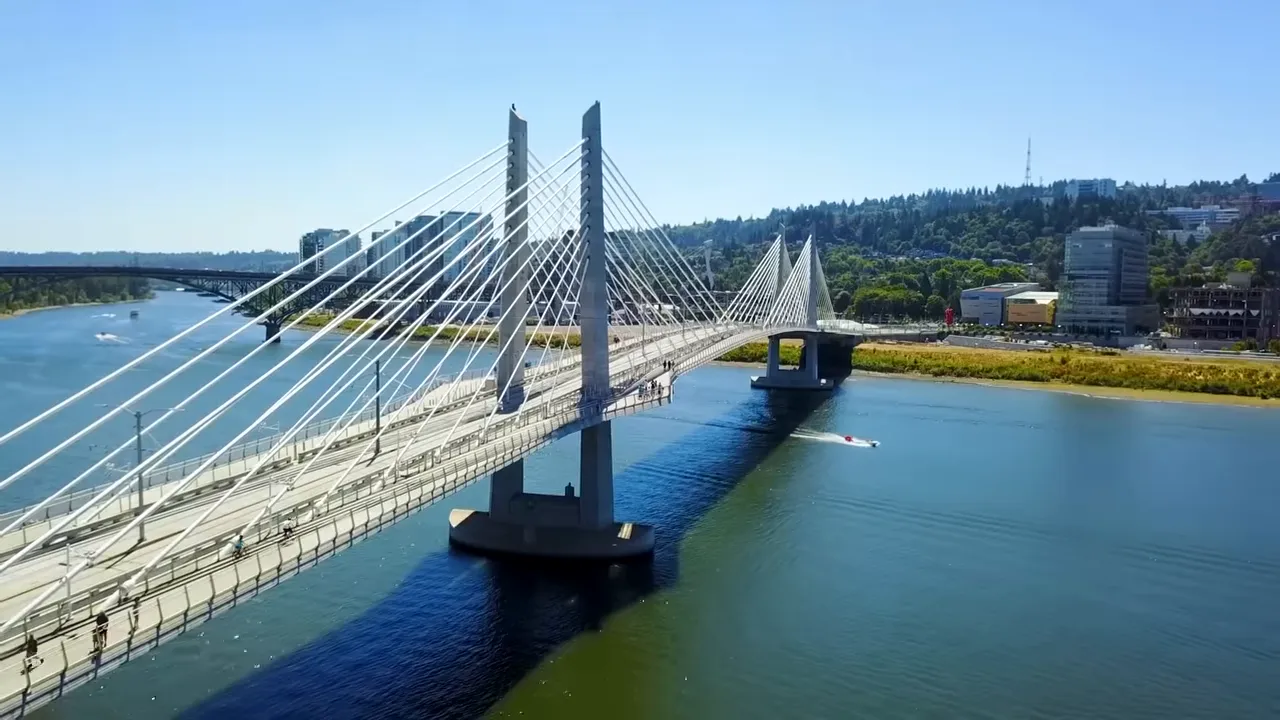
That is a very Portland move. It tells us the city thinks long term and does not always default to car-first infrastructure.
5. Forest Park is the largest urban forest in the United States
This is one of the strongest arguments for moving to Portland if we want real access to nature without giving up city life.
Forest Park covers more than 5,100 acres and contains over 80 miles of trails. It supports more than 100 bird species and dozens of mammal species. Most importantly, it does not feel like a manicured city park. It feels wild.
The easiest comparison is Central Park, but the scale is not close. Central Park covers 843 acres. Forest Park is more than six times larger.
And because it is ecologically tied to the Coast Range, it feels less like a city amenity and more like a chunk of actual Pacific Northwest landscape that just happens to begin near downtown.
4. Portland has an extinct volcano inside city limits
Mount Tabor is a dormant cinder cone inside the city. It rises about 636 feet above sea level, covers roughly 190-plus acres, and has been a public park since 1903.
That means an ordinary afternoon in Portland can include basketball, picnics, dog walks, or sunset views on top of an extinct volcano. That is not a sentence many American cities can claim.
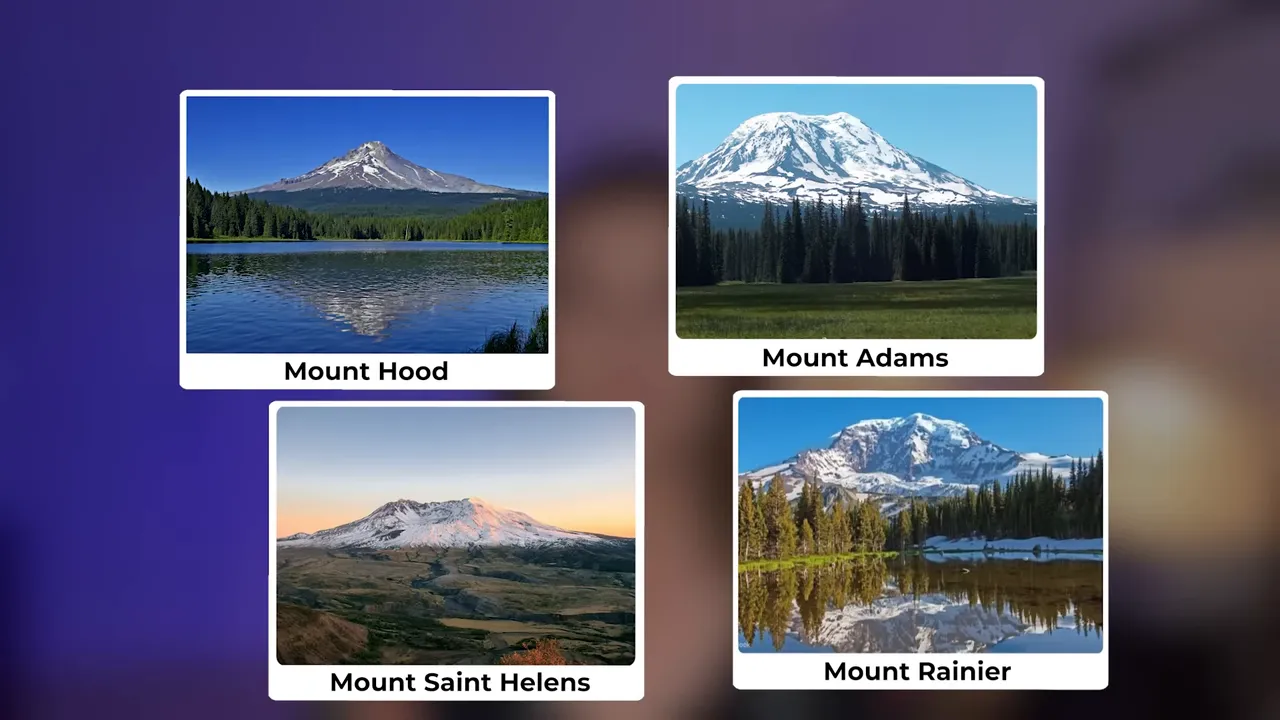
Even more dramatic, on clear days we can often see several active volcanoes from within Portland itself, including Mount Hood, Mount Adams, Mount St. Helens, and Mount Rainier.
3. Portland helped pioneer the urban growth boundary
In 1973, Oregon passed Senate Bill 100, the first statewide land use planning law of its kind in the country. Cities and counties had to plan how land would be used, and every city had to establish an urban growth boundary.
The urban growth boundary is a legal dividing line between urban land and rural land. And if we have ever driven out of Portland and felt like the city ended abruptly and farmland began almost immediately, that is why.
This affects development patterns, housing, density, and preservation. According to the figures shared here, the overwhelming majority of regional growth has stayed inside the boundary, with most of it concentrated inside incorporated cities.
So when people talk about Portland feeling more contained than a lot of sprawling metros, this is one big reason.
2. The MAX light rail system is more substantial than outsiders expect
Portland runs a light rail network of roughly 60 miles and 97 stations, with multiple lines connecting the urban core to places like Hillsboro, Beaverton, and the airport.
For a city this size, that is a serious system. It is not symbolic transit. It is practical transit.
One of the best little-known facts is that Washington Park Station sits about 260 feet underground, making it the deepest light rail station in the country.
Fares, frequency, and reach all make the system relevant for everyday life, especially if we are moving to Portland and want alternatives to driving for commuting or airport access.
1. The Rose Festival says more about Portland than almost anything else
The most uniquely Portland thing may be the city’s long devotion to the Rose Festival. This celebration has been held every year since 1907. That kind of continuity is rare anywhere, especially in a major city that has gone through world wars, recessions, social change, and a pandemic.
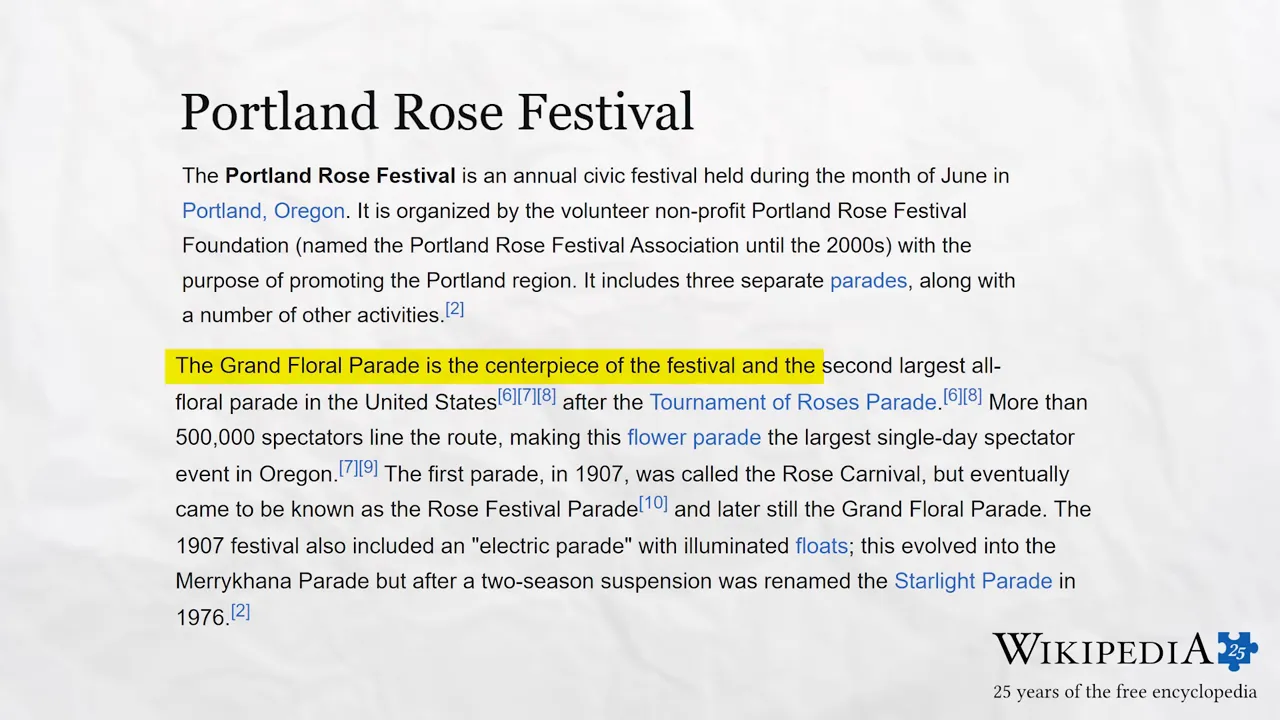
The Grand Floral Parade ranks among the biggest all-floral parades in the country. The broader festival stretches from late May into mid-June and includes dozens of events, from Fleet Week to rides, art, and community gatherings.
Portland’s identity as the City of Roses goes even deeper. The International Rose Test Garden in Washington Park is the oldest public rose test garden in the United States, and roses are woven throughout the city’s civic image.
If we are moving to Portland, this matters because it reveals the deeper character of the place. Portland has a habit of holding onto civic traditions in a way many cities do not.
What these differences mean if we are moving to Portland
When we put all of this together, a pattern emerges.
- Portland protects access to nature instead of pushing it to the margins.
- Portland takes transit more seriously than many similarly sized metros.
- Portland uses land differently, which shapes growth and neighborhood form.
- Portland has a strong local identity that goes beyond branding.
- Portland offers real financial quirks, like zero sales tax, that affect day to day cost.
That does not mean Portland is perfect. No city is. The gray months are real. Politics are intense. Some tradeoffs here are absolutely tradeoffs.
But for many people, especially those moving to Portland from car-heavy metros, high-tax states, or places where nature always feels like a weekend project instead of a daily option, Portland can feel surprisingly livable.
The better question is not whether Portland is like every other American city. It is not. The better question is whether its differences line up with the life we actually want.
If you’re thinking about moving to Portland and want a real plan for where to live (and how it fits your lifestyle), reach out to our team today. We’ll help you narrow down neighborhoods, understand tradeoffs, and make confident next steps—book a consultation and talk with us directly. Call or text: 503-804-1466
FAQ: Moving to Portland
Is moving to Portland a good idea if we want outdoor access without leaving city life behind?
Yes. That is one of Portland’s strongest advantages. Forest Park sits near downtown, Mount Hood is reachable for same day skiing or snowboarding, and the coast can work as a same day trip too.
What is the biggest financial perk of moving to Portland?
The clearest one is Oregon’s zero sales tax. State, county, and city sales tax are all zero, which can make a real difference on large purchases and everyday spending.
Is Portland a car dependent city?
It depends on the neighborhood, but Portland takes alternatives to driving more seriously than many U.S. metros. The MAX light rail system, bike infrastructure, and projects like Tilikum Crossing reflect that.
Why does Portland feel different from other American cities?
Because it was shaped by different priorities. Land use planning, the urban growth boundary, strong outdoor access, unusual transportation choices, and long standing civic traditions all make it feel structurally different.
What surprises most people about moving to Portland?
Usually it is the combination of things. A tax-free shopping structure, a massive urban forest, an extinct volcano in the city, a serious light rail network, and an unusually intense sports and civic culture all exist in the same metro.
Read More: Portland Neighborhoods to Avoid: 5 West Side Suburbs Out-of-State Buyers Should Think Twice About