
6 Myths About the Portland Real Estate Market (And What's Really Happening)
You've heard the headlines. Portland's market is flooded with inventory. Prices are crashing. Sellers missed their window, and buyers should keep waiting for the bottom. Oh, and no one's moving here anymore.
Here's the thing: a lot of what you're hearing isn't the full story. I'm Anne Stewart, and I've been selling homes in the Portland metro for over 20 years. I've watched this market through boom cycles, corrections, and everything in between. What I'm seeing right now doesn't match the fear narrative making the rounds online and in national headlines.
Let me walk you through six of the biggest myths I hear from buyers and sellers every week, and what the data actually shows when you're on the ground here.
Table of Contents
The Flood of Inventory Myth
The first thing I hear from out-of-state buyers is that Portland has way too many homes sitting on the market. They've read that inventory is piling up and sellers are desperate.
Look, inventory has increased compared to the absolute frenzy of 2021 and early 2022. That part is true. But calling it a flood? That's overselling it. We're closer to a balanced market than we've been in years, which means buyers have more time to think and sellers need to price correctly. It does not mean every home is collecting dust.
Certain price points and neighborhoods are still moving quickly. Well-priced homes in Lake Oswego, West Linn, and parts of Beaverton get multiple offers within days. Overpriced listings sit, just like they always have. The difference now is that buyers have options, and they're using them. That's not a crisis. That's a market returning to something that looks normal.
If you're relocating here and you've been told to expect rows of desperate sellers, adjust your expectations. You'll have more negotiating room than you did two years ago, but you're not walking into a fire sale.
Portland Home Prices Are Crashing
This is the myth that gets the most airtime, and it's the one that worries my seller clients the most. They see a headline about Portland home values dropping and assume their equity evaporated overnight.
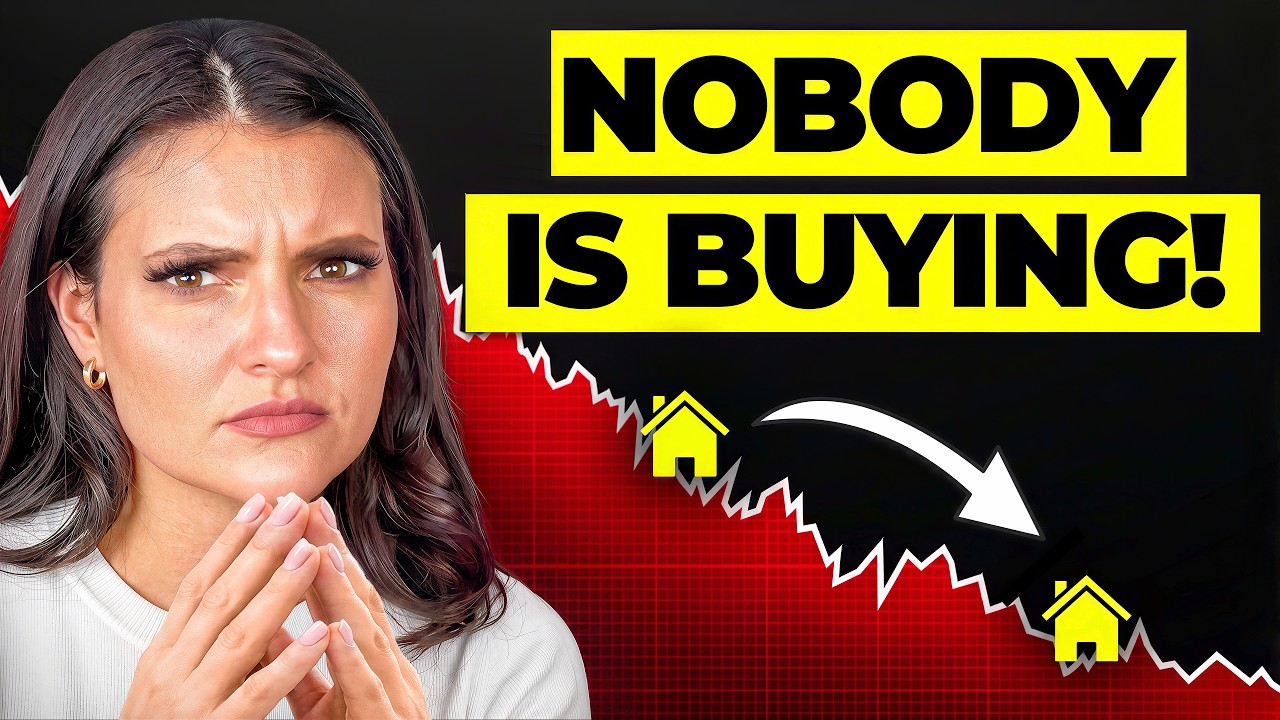
Prices have softened in some segments. We're not pretending otherwise. But a softening is not a crash. A crash implies a freefall, panic selling, and widespread financial distress. What we're actually seeing is a correction after an unsustainable run-up during the pandemic.
Homes that sold for 20% over asking in 2021 might now sell at or slightly below asking if they're priced at those peak comps. That's not the same as losing value across the board. Most homeowners who bought before 2020 still have significant equity. Even buyers who purchased at the peak are not underwater unless they wildly overpaid or bought in a neighborhood that was already declining for other reasons.
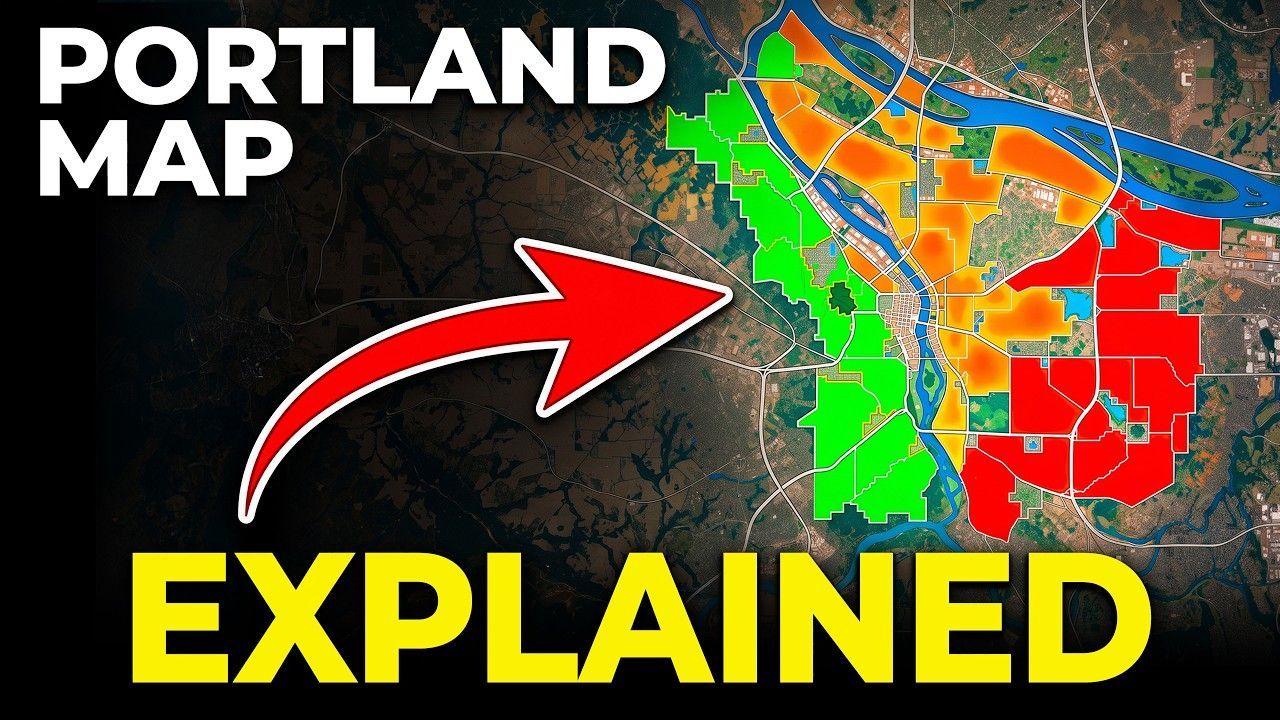
The other piece that gets lost in the crash narrative is that different areas are behaving differently. Tigard and Sherwood are holding steadier than some of the urban core neighborhoods that saw bigger swings during the pandemic. Tualatin's market looks different than Northeast Portland's. Lumping the entire metro into one story misses what's actually happening street by street.
If you're thinking about selling, the question isn't whether prices crashed. It's whether your home is priced for the market that exists today, not the one that existed in spring 2022.
Sellers Missed Their Chance
I get calls from homeowners who are convinced they should have sold two years ago and now it's too late. They think the window closed and they're stuck.
Honestly, if your goal was to maximize every last dollar of equity and you had the flexibility to sell at the absolute peak, sure, that moment has passed. But most people don't sell because they're trying to time the market. They sell because they're relocating for work, upsizing, downsizing, or dealing with a life change that doesn't wait for the perfect market cycle.
The reality is that homes are still selling. Good homes, priced right, with agents who know how to market them, are closing. It takes longer than it did in 2021, and you might not get 15 offers in three days, but that doesn't mean you missed your chance. It means you need a strategy that fits this market, not the last one.
If you're sitting on the fence because you think you already lost, you're making a decision based on a story that isn't complete. Talk to someone who knows your neighborhood and your specific situation before you assume the door is closed.
Buyers Should Keep Waiting
On the flip side, I talk to buyers who are convinced that if they just wait another six months, prices will drop even further and they'll get a better deal.
Maybe. Or maybe interest rates tick up again and wipe out any savings from a lower purchase price. Or maybe inventory tightens in the spring and you're back to competing with five other offers. Timing the bottom of a real estate market is about as reliable as timing the stock market. You can get lucky, or you can spend years on the sidelines waiting for a perfect moment that never arrives.
What I tell buyers is this: if you find a home that works for your life, in a neighborhood you want to be in, at a payment you can afford, and the numbers make sense for your long-term plan, that's your signal to move. Waiting for some theoretical future discount means you're also waiting to start building equity, waiting to stop paying rent, and waiting to live in the place you actually want to be.
The Portland market isn't going to crater overnight. If you're relocating here for a job or family and you need a place to live, playing the waiting game can backfire. Buy when it makes sense for you, not when a headline tells you to.
No One Is Moving to Portland
This one makes me laugh because I'm literally on the phone with relocating buyers every week. The narrative that Portland is hemorrhaging population and no one wants to live here anymore is part truth, part exaggeration, and part misunderstanding of what the data actually shows.
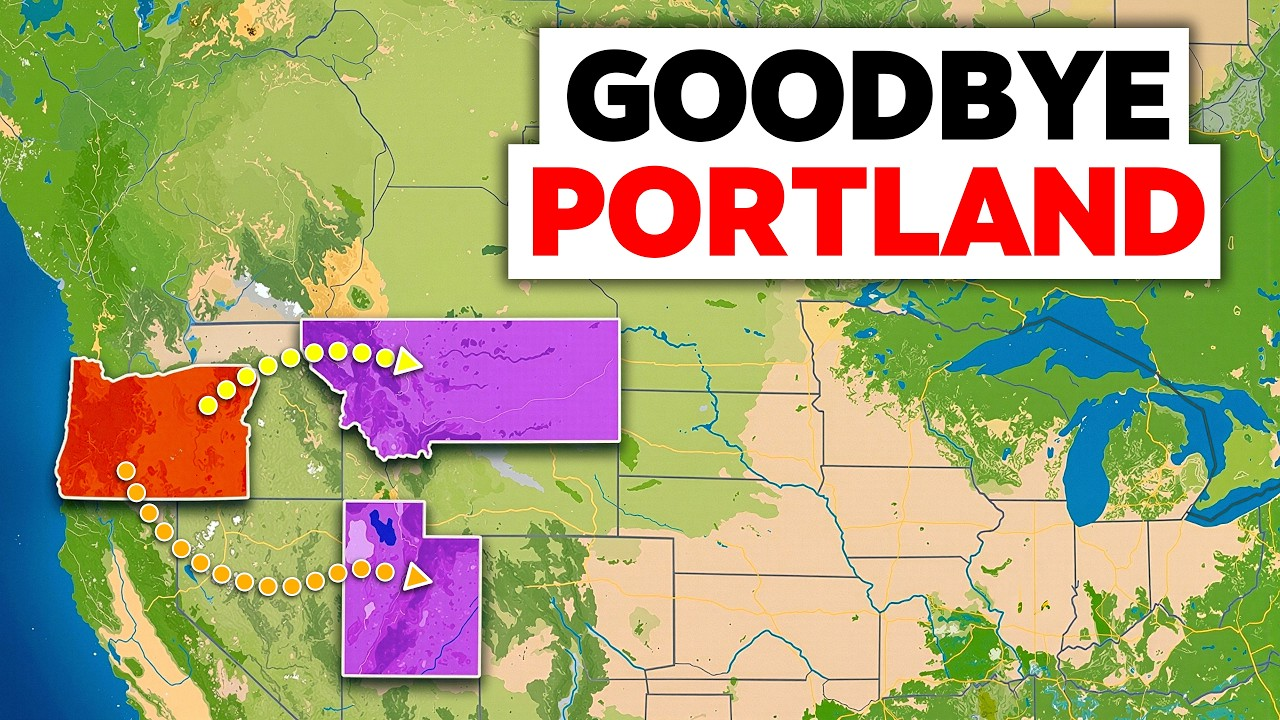
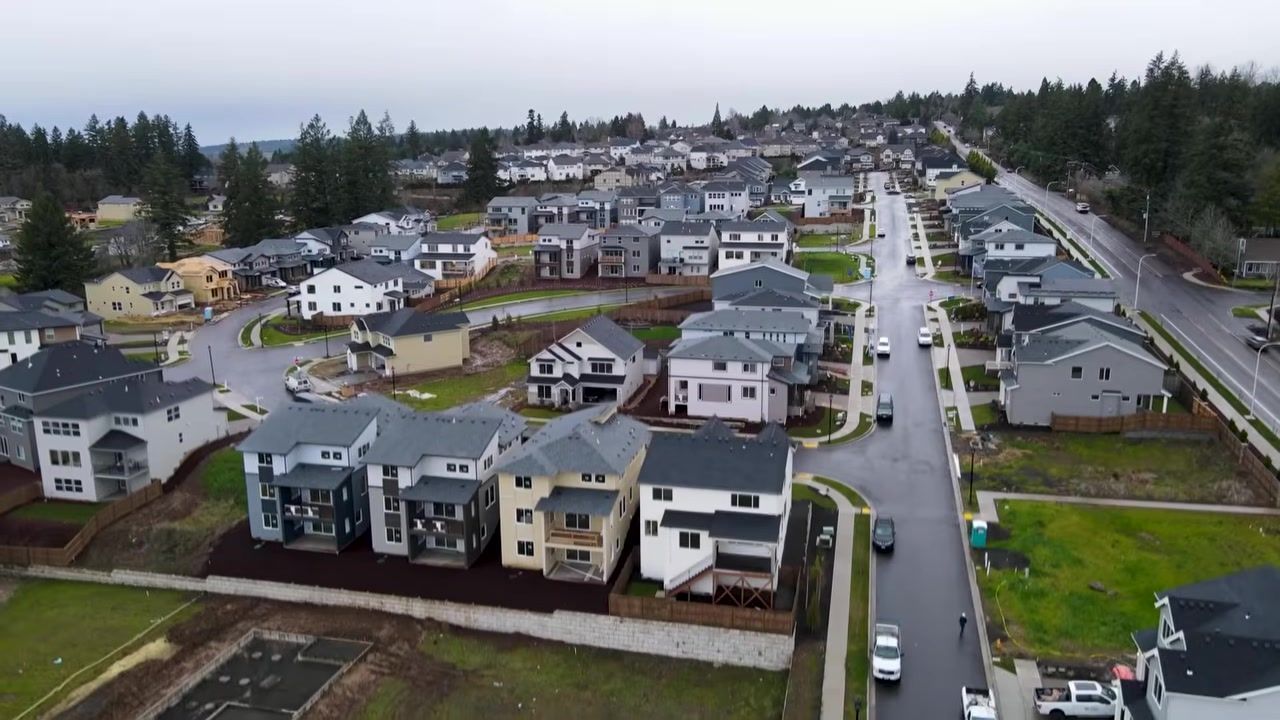
Yes, some people left during the pandemic. Yes, the city itself saw population shifts. But the metro area as a whole is still attracting people, especially to the suburbs. Lake Oswego, West Linn, Tigard, Sherwood, Beaverton, Tualatin, these areas are still drawing families and professionals who want access to Portland's job market without living in the urban core.
The people moving here now are often more intentional. They're not chasing a trend. They're coming for specific jobs, family connections, or lifestyle reasons. They've done their research, and they know what they're getting into. That's a different kind of buyer than the speculative wave we saw a few years ago, but it's still real demand.
If you're considering a move to Portland and you're worried that everyone else is leaving, look at where people are actually buying. The suburbs are still active, and the buyers I work with are happy they made the move.
The Fear Narrative Is Harmless
The last myth is that all this doom-and-gloom talk doesn't really matter. It's just noise, right?
Except it's not harmless when it keeps sellers from listing homes they need to sell, or when it convinces buyers to sit out a market that actually has opportunities right now. Fear-based narratives create paralysis, and paralysis costs people money and time.
I've seen clients delay decisions for months because they were waiting for some catastrophic event that never came. I've also seen people panic-sell based on a headline and leave money on the table because they didn't understand their local market.
The antidote to fear is information. Not generic national trends, but specific data about the neighborhood you're buying or selling in, the price point you're working with, and the timeline you're operating on. That's the conversation worth having.
Which Market Story Should You Believe?
If you're relocating to Portland or thinking about selling here, the story that matters is the one happening in your specific situation. Not the clickbait version, not the national headline, but the ground-level reality of what homes like yours are doing in neighborhoods like the one you're targeting.
Choose to act if the numbers work for your life and your long-term plan, even if the headlines say to wait.
Choose to get local insight instead of relying on broad generalizations about the Portland market.
Choose to work with someone who knows the difference between a correction and a crash, and who can help you make a decision based on facts instead of fear.
Conclusion
The Portland real estate market isn't crashing, and it's not frozen. It's adjusting. Some of what you've heard is rooted in real changes, and some of it is exaggeration designed to get clicks. The difference matters when you're making a decision that affects where you live and how you build wealth.
If you're thinking about buying or selling in the Portland metro, let's talk about what's actually happening in your price range and your target neighborhoods. I'd rather give you the truth than a story that sounds dramatic but doesn't help you move forward.
Schedule a Zoom consultation with me, and we'll walk through your specific situation, no generic market talk, just the facts that apply to you.
FAQ: Portland Real Estate Market Myths
Is Portland's real estate market really crashing right now?
No. Prices have softened in some areas after the pandemic run-up, but that's a correction, not a crash. Most homeowners who bought before 2020 still have significant equity, and well-priced homes are still selling. Different neighborhoods are performing differently, so the story depends on where you're looking.
Should I wait to buy a home in Portland until prices drop more?
Timing the bottom of the market is nearly impossible, and waiting could mean higher interest rates or tighter inventory in the spring. If you find a home that fits your needs and budget, and the long-term numbers work, that's a better signal than trying to predict future price drops.
Did sellers miss their chance if they didn't sell in 2021 or 2022?
Not unless your only goal was to capture the absolute peak. Homes are still selling in Portland, and if you have a legitimate reason to move, the market is still functional. You'll need the right pricing strategy and a realistic timeline, but the opportunity hasn't disappeared.
Are people still moving to Portland, or is everyone leaving?
People are still relocating to the Portland metro, especially to suburban areas like Lake Oswego, West Linn, Tigard, Sherwood, Beaverton, and Tualatin. The buyers moving here now tend to be more intentional, coming for jobs or family rather than speculation, but demand is still real.
How much inventory is actually available in the Portland market?
Inventory has increased compared to the extreme shortage of 2021 and early 2022, but it's not a flood. We're closer to a balanced market, which gives buyers more time to decide and requires sellers to price competitively. Well-priced homes in desirable areas still move quickly.
Does the fear narrative about Portland's market actually hurt buyers and sellers?
Yes. Fear-based stories can cause paralysis, leading sellers to hold off when they need to move and buyers to wait indefinitely for a bottom that may never come. Making decisions based on local data and your personal situation is more useful than reacting to national headlines.