Retiring in Portland Oregon: 6 Surprising Reasons Why You'll Love It
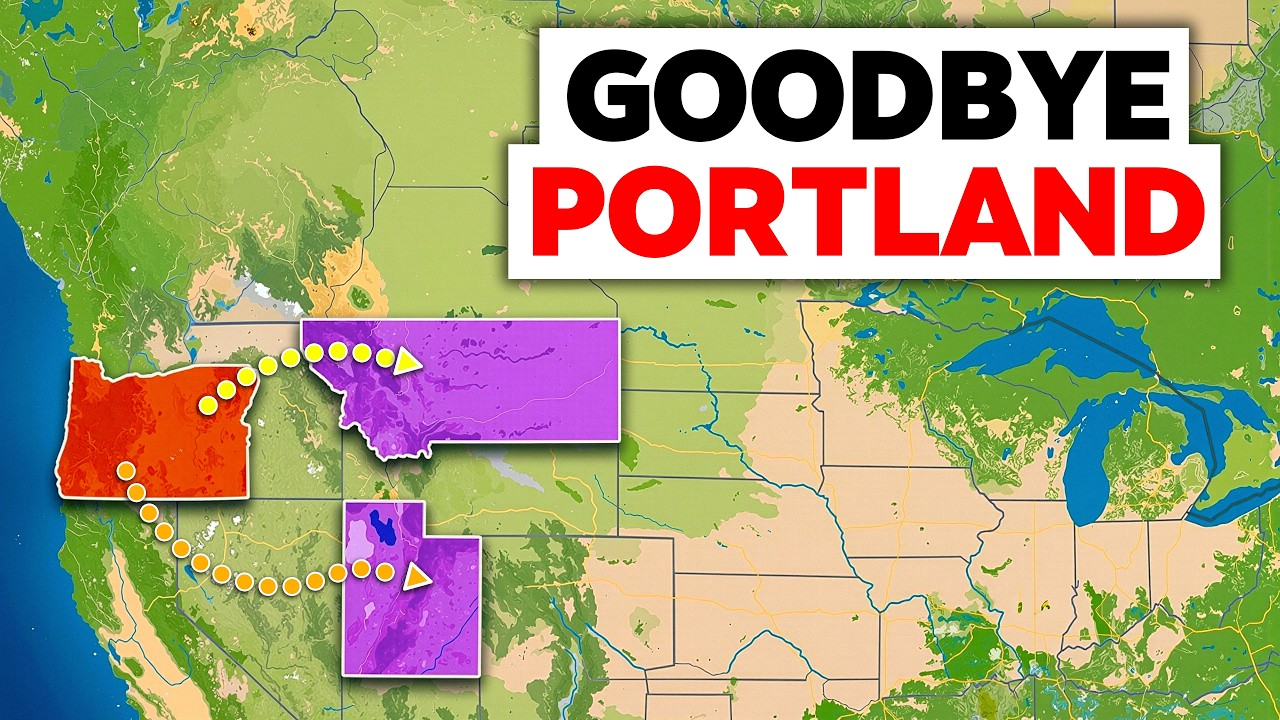
I'm standing in a park in Tualatin right now, watching a paddleboarder glide down the river in 50-degree weather while walkers pass by in jackets. It's a typical late-fall day here, and honestly, this is exactly why so many retirees are calling us from Florida, Arizona, California, and the Midwest asking about Portland, Oregon. They're done with hurricanes, desert heat, feet of snow, and insurance costs that quadrupled overnight. They want to be outside year-round without shoveling a driveway or evacuating for a storm.
Portland sits in a sweet spot that most people don't expect: milder than Seattle, more affordable than the Bay Area, greener than Phoenix, and way less extreme than the East Coast. You get four real seasons, but winter means 40 degrees and rain, not snowblowers and ice scrapers. You get access to Mount Hood, the coast, wine country, and hiking trails without the traffic nightmares of California cities. And you get top-tier healthcare, a world-class food scene, and a community that prioritizes quality of life over tax savings.
Erica and I have helped dozens of retirees relocate here over the past few years, and the reasons they choose Portland are surprisingly consistent. It's not just one thing. It's the combination of being able to hike in January, see a specialist at OHSU, grab farm-to-table breakfast, and align with a very liberal political community all in one place. Let's break down the six reasons retirees are moving to Portland, Oregon right now and what you need to know if you're considering it.
Table of Contents
Mild Climate and Year-Round Outdoor Living
The number one reason retirees move to Portland is the weather. I know that sounds wild because Portland is famous for rain and gray skies, but hear me out. The retirees calling us are active adults who want to be outside year-round, and Portland makes that possible in a way that Arizona, Florida, and the Midwest just don't.
We don't get harsh winters here. Winter in Portland means temperatures around 40 degrees, rain, and maybe one week of ice or snow that shuts the city down for a few days. You will not own a snowblower in Portland. You will not shovel your driveway. You will not deal with feet of snow for months on end. When we do get a snowstorm, it lasts 2 days, the city literally stops, and then it melts and you're back to normal life. Compare that to the East Coast or Midwest, where you're dealing with brutal winters for months, and you can see why people are tired of it.
On the flip side, we don't get extreme heat either. Summer and fall in Portland are absolutely the best seasons on earth. The weather is moderate, the air quality is fantastic (except for the occasional wildfire smoke week), and you can be outside doing whatever you want without sweltering. We get calls all the time from people in Arizona, California, and Florida who are just done with the heat. One woman called us this year from Florida after a hurricane tore through her neighborhood. She had to evacuate, a tornado from the hurricane ripped through her street (luckily not her house), and then her insurance costs quadrupled. She said, "I'm done," and moved to Portland within 6 months. She has family here, and she's been emailing us saying she and her daughter are doing phenomenal. They love the trees, the air quality, and the fact that they don't have to worry about whether their house will be there after the next storm.
Portland has four distinct seasons, but they're mild. Spring is green and rainy. Summer and fall are stunning. Winter is gray and wet, but it's not harsh. You find the right gear, Gore-Tex, waterproof shoes, layers, and you just go outside and do what you want. I used to run every single day, training for races, and I ran year-round. You see people hiking on Leif Erikson and the Wildwood Trails in the middle of winter. You see walkers on the local pathways built into neighborhoods. You see paddleboarders on the river in November. That's just how we operate here. The weather doesn't stop us because it's so mild.
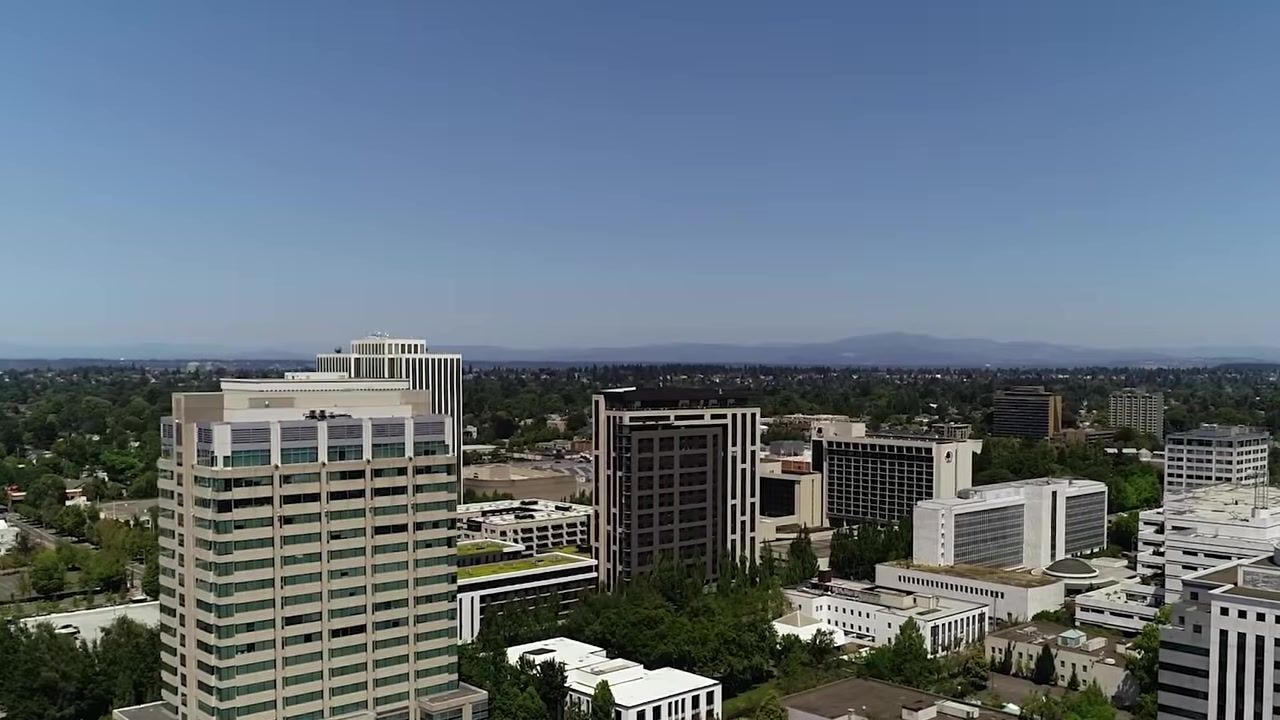
One thing a relocating buyer told us recently is that Oregon's landscape is different from Colorado. Colorado is flat, then mountains. Oregon is hilly, valleys, rivers, and then mountains. You get a little bit of everything. You're an hour and a half from Mount Hood if you want to ski, snowboard, or just have lunch with a mountain view. The coast is close by. And you have parks, rivers, and trails at your fingertips everywhere you go. The retirees we work with are very into outdoor activities. They want to hike, bike, paddleboard, and walk. They want nature access without extreme weather, and Portland gives them that.
Top-Tier Healthcare Without Leaving the Metro
The second reason retirees choose Portland is healthcare. If you're thinking about where you want to live long-term, you want to know where your doctors are and what your options look like. Portland has a healthcare system we're really proud of.
You've got hospitals all over the metro area, east side, west side, suburbs. You're within 10 to 15 minutes of a hospital pretty much anywhere you live. We have Kaiser, Legacy, OHSU, and Providence. If you need a specialist, you've got options for cardiology, ophthalmology, cancer treatment, and more. OHSU (Oregon Health Science University) is a premier research hospital that draws patients from all over the country. People come here specifically for treatment they can't get anywhere else.
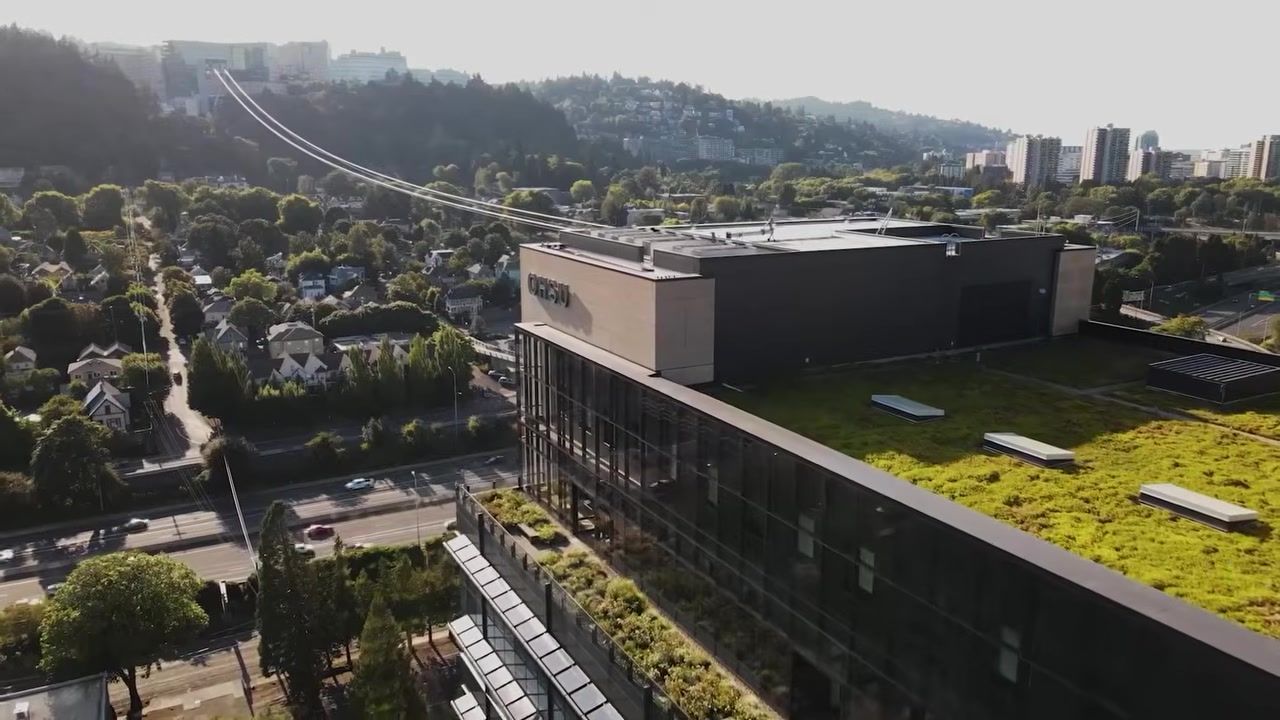
About a year ago, Erica and I had coffee with a couple who were considering Portland, and one of their key factors was being close to Kaiser. They wanted to know where all the Kaiser hospitals and medical facilities were, and we walked them through it. We also had a couple we knew who rented a condo in the South Waterfront for 6 months while the wife was getting cancer treatment at OHSU. It was one of the only facilities in the country that offered her specific treatment. They loved Portland so much during that time that she actually wanted to buy the condo she was renting.
Portland also has a strong alternative healthcare scene. We have a naturopathic college here, and you cannot walk a block without tripping over acupuncturists, naturopaths, and functional medicine doctors. If you're not as big into Western medicine but you like alternative options, Portland is well-rounded in that way. One of our clients just texted me yesterday asking for a primary physician recommendation. I gave them a name, but I also told them I use a functional doctor and gave them that recommendation too. They were excited because they're open to both modalities, and Portland gives them that choice.
We also had a couple move up from California this year because the daughter and the mother were struggling with an autoimmune disorder. The smog and air quality in California were causing them real suffering. They had planned to move later, but they pushed their timeline up by almost a year because of their health. They came up, stayed for a month in our winter to make sure they could handle the gray weather, and then closed on a property within 6 months. They emailed us this week saying the wife and daughter are doing phenomenal. They love the trees, the air quality, and how much better they feel. That's the kind of story we hear a lot. People come from Arizona (desert fever), California (smog), and other places where air quality is an issue, and they feel better here. We do get wildfire smoke for a week or two some years, but the other 360 days we have amazing air quality. The rain and moisture keep things clean.
Nature Access From Your Front Door
We're standing in Brown's Ferry Park in Tualatin right now, right up against the water. Paddleboarders just went by. Walkers are everywhere. This is a typical park in the Portland metro area, and you have access to places like this everywhere. Nature is at your fingertips here in a way that's hard to find in other cities.
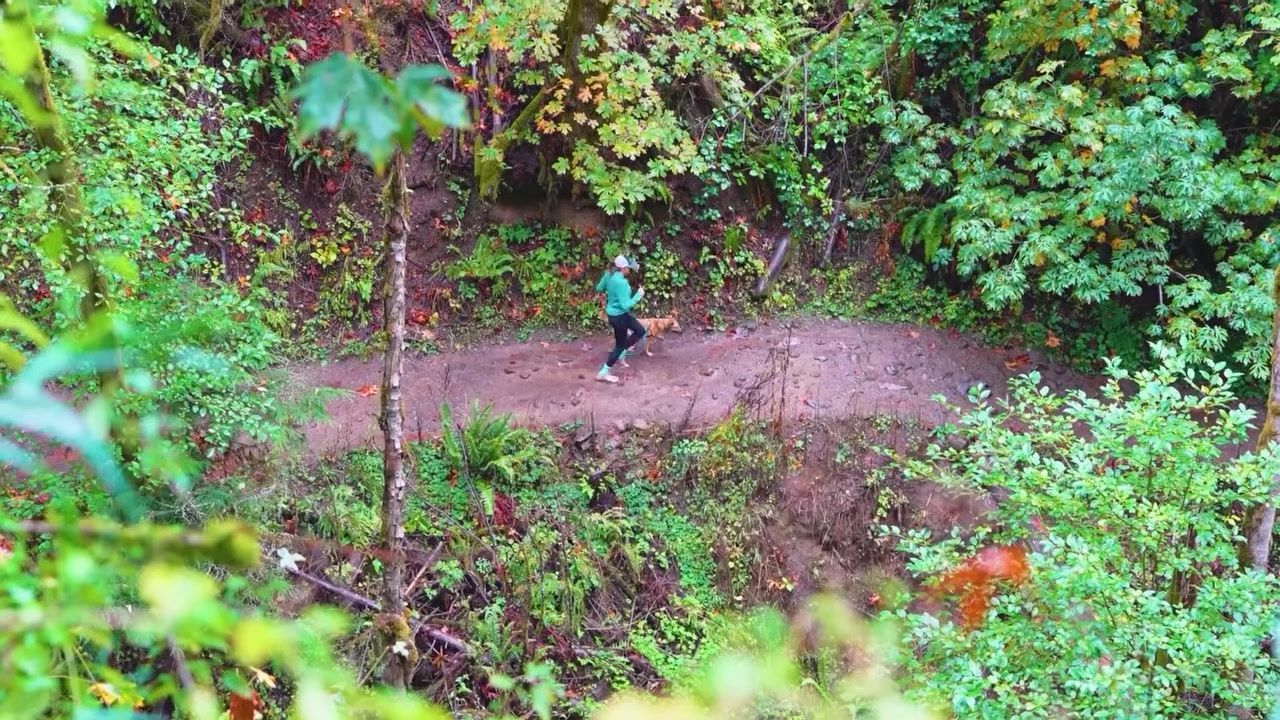
You're an hour and a half from Mount Hood. You can ski, snowboard, or just drive up for lunch and a mountain view. The coast is close by. And the landscape itself is unique. Someone told us recently that Colorado is flat and then mountains, but Oregon is hilly, valleys, rivers, and then mountains. You get variety. You get a little bit of everything.
The retirees calling us are very into outdoor activities. They want to hike, bike, walk, and paddleboard. They want to be outside year-round, and Portland makes that possible. We're a mecca for health and fitness, and that shows up in the retirees moving here. They want to stay healthy and active, and they want a climate that supports that. You can hike in January. You can walk in February. You just put on the right gear and go.
Erica and I both love the outdoors, and it's really neat to see retirees make that a priority when they move here. They're not just looking for a place to settle down. They're looking for a place where they can keep living the active lifestyle they want.
Most Affordable West Coast Option (But Not Cheap)
When you look at the West Coast, Portland is the most affordable option compared to California's major cities and Seattle. That does not mean we're cheap. We're still above the national average when it comes to housing. Some areas are better than others, but you can expect to pay more to get into a property here.
That said, utilities are lower than the national average. We don't have sales tax, which is a huge benefit. When a house is listed at $399,000, it's $399,000. You're not adding another percentage on top at closing. We do have property tax, but it's lower than a lot of the areas where we're seeing people move from. When you pull everything together, housing cost, utilities, no sales tax, lower property tax, people are still moving here because the quality of life is worth it.
Portland is not known for being tax-friendly overall. In fact, we're right up there next to New York when it comes to income tax. And yet people are still choosing to move here knowing that. They're not moving for the tax situation. They're moving for the quality of life, the safety, the comfort, the nature access, and the ability to be outside year-round. Sometimes it's not about saving money. It's about living the life you want.
We get calls all the time from retirees who know Portland isn't the cheapest option, but they're making the choice anyway because of everything else we offer. One woman from Florida told us her insurance costs quadrupled after the hurricane. She couldn't do it anymore. She moved to Portland, and even though housing is more expensive here, she's not paying outrageous insurance premiums or worrying about evacuating every hurricane season. That trade-off made sense to her.
World-Class Food, Beverage, and Arts Scene
Portland's food, beverage, and arts scene is a huge draw for retirees, and honestly, it's something we all love here. What makes Portland unique is that we don't have a ton of franchise restaurants. We have locally-owned spots where the person who owns it also runs it. We have chefs who open their own restaurants with a very specific niche. People come to Portland for tourism because of the food scene, and retirees appreciate that they can go out and get a meal that's unique to this area.
We're the same with beverages. We love our coffee here, and we have a ton of local roasters who all put their own spin on things. The craft brew scene is huge. You can get very unique takes on different beers, and even the distilleries are getting into the mix. Wine country is world-class. Oregon is known for Pinot Noir, and some of our local wineries have several varieties. It's not just tasting. It's an event. You go tasting, you have cheese from a local creamery down the road, and you're supporting local producers.
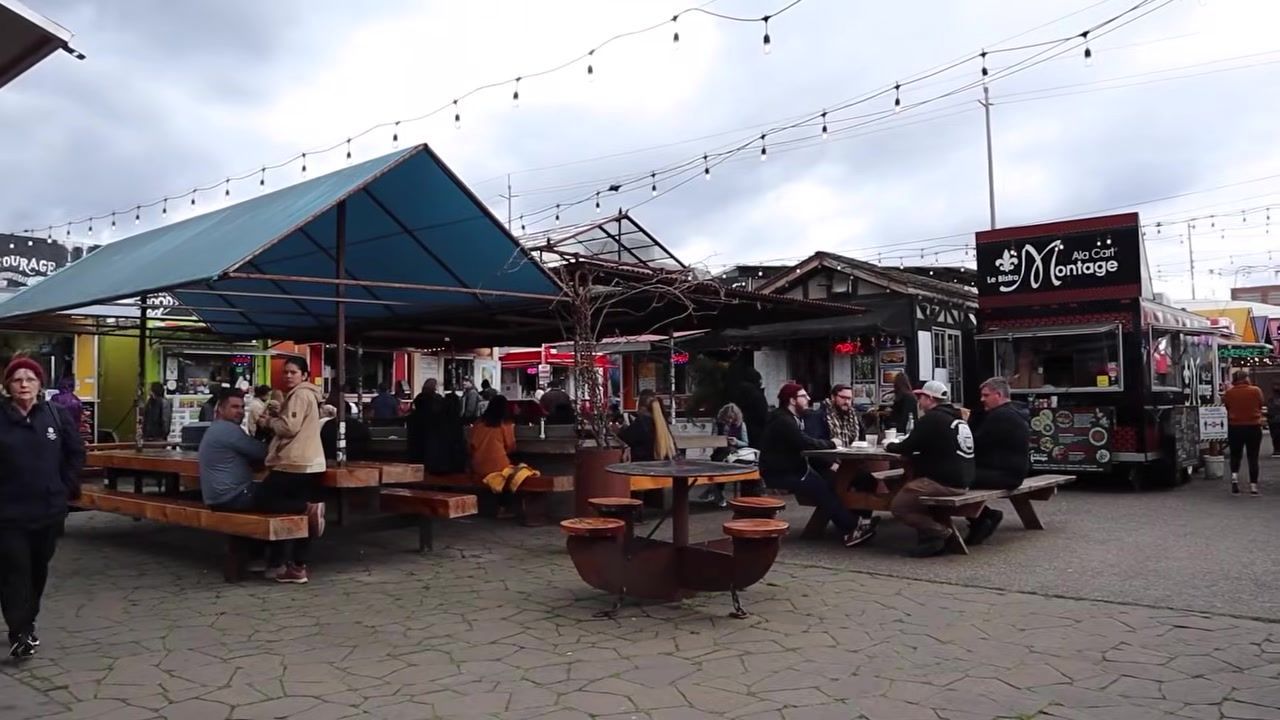
Just a couple of weeks ago, Oregon was featured in the news for having one of the best olive oils in the world. It came out of a winery in Yamhill County called Durant. They have a tasting room for their olive oil right next to their winery, and it's super cool. That's so Portland. We get featured a lot for our food. Salt & Straw ice cream originated here and now it's all over the country. We have food cart pods all over the city and in the suburbs. A lot of those food carts eventually open brick-and-mortar restaurants because they become so popular.
Breakfast has always been my favorite meal to eat out, and there are a ton of options here. If you're a healthy eater, you can find what you need. We recently talked to a couple thinking about moving to Portland who said they just can't get healthy options where they live. They were excited to discover that Portland has bakeries that are gluten-free, restaurants that are all vegan, all raw, whatever your concern is. We're very special-diet-friendly. I spent years as a vegan, and I could still enjoy high-quality, high-class meals. We have something for everybody.
We also have specialty stores. Uwajimaya and H Mart are Asian marketplaces where you can get unique spices and foods. We have German-based marketplaces. And we have farmers markets in almost every neighborhood. They're a weekend thing for people who want to enjoy local produce, meats, breads, and crafts. Farmers market season just opened up, and they're bountiful. You can get your local meats, breads, fruits, vegetables, and even local crafts. It's not just food. It's a whole experience, and we love to support local.
Very Liberal Politics
Portland is very liberal. Very blue. If you get outside of Portland, it becomes red really fast, but inside Portland proper, it's extremely Democratic. We also have independents and Republicans, but if you're moving here, just understand that it is very, very, very liberal.
For some people, that's exactly why they're moving here. They're living in a red state or a place where they don't feel seen and heard, and Portland makes sense to them because they get all the other benefits, nature, healthcare, food scene, plus the political leanings they align with. We see a lot of people moving from Florida, North Carolina, Ohio, and other states so they can be in a more left-leaning area. For a lot of people, that's really important. They want to align with people. They want to be part of a community that resonates with their political views.
During COVID, we saw a lot of people moving out of Portland to red states. It's like we're swapping political views with people coming and going. But we've seen a strong influx of retirees who have decided they want to be on the West Coast, they want to be in a blue state, and Portland fits that bill.
Which Portland Lifestyle Fits You Best?
Retiring to Portland isn't just about the fun stuff. It's about finding the right fit for you. The retirees we work with are active adults who want to be outside year-round. They want access to nature, top-tier healthcare, a strong food scene, and a community that aligns with their values. They're willing to pay above the national average for housing because the quality of life is worth it. They're okay with rain and gray weather because they get mild winters, no extreme heat, and four real seasons.
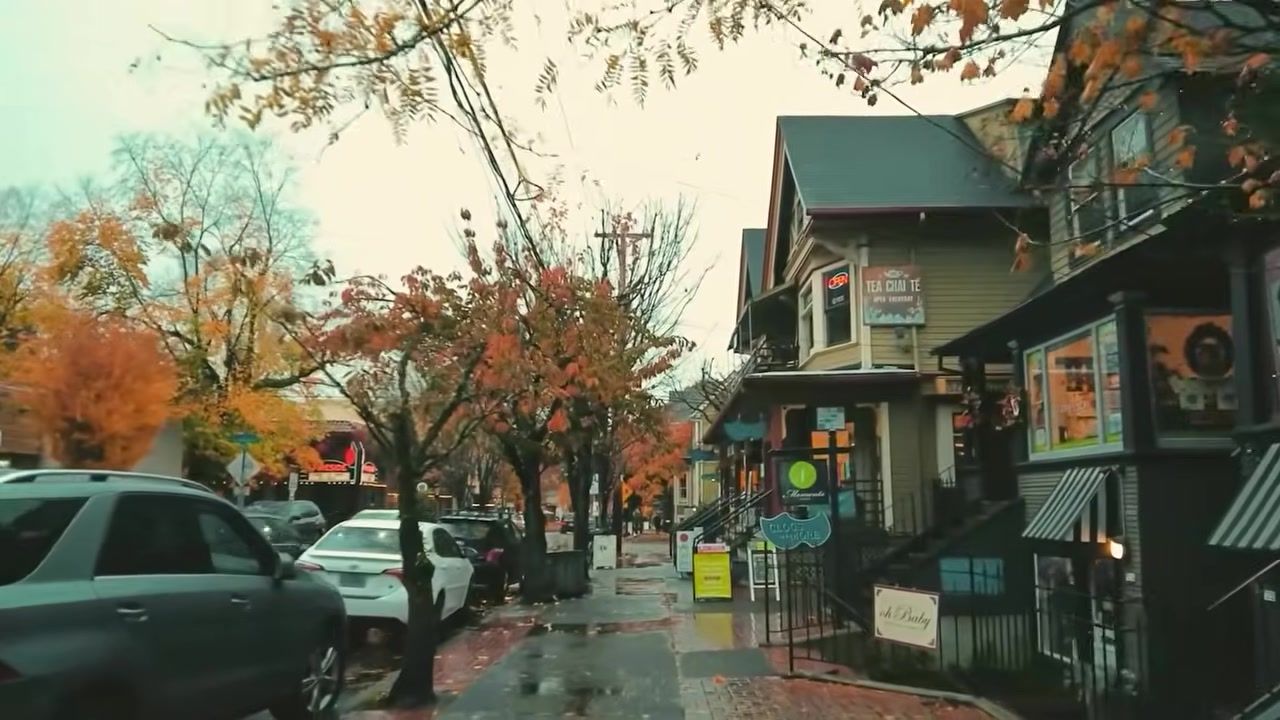
If you're coming from California, Arizona, or Florida, you're trading extreme heat, hurricanes, and high insurance costs for rain, moderate temperatures, and no sales tax. If you're coming from the East Coast or Midwest, you're trading harsh winters, snow shoveling, and feet of snow for 40-degree winters, rain, and the ability to hike in January. If you're coming from a red state, you're trading political isolation for a very liberal community that prioritizes progressive values.
Portland is not the cheapest option. It's not the most tax-friendly. But it is the most affordable West Coast city compared to California and Seattle, and it offers a quality of life that's hard to find anywhere else. You get nature access, healthcare, food, and a community that supports an active, outdoor lifestyle. That's what retirees are choosing when they move here.
Conclusion
Retiring to Portland, Oregon is about more than just the weather or the healthcare or the food scene. It's about finding a place where you can live the life you want without extreme weather, without worrying about hurricanes or snowstorms, and without sacrificing access to nature, specialists, and a community that aligns with your values.
Erica and I have helped dozens of retirees make this move, and the feedback we get is consistent. People feel better here. They love the air quality. They love being able to be outside year-round. They love the food scene, the healthcare options, and the fact that they can hike in January and paddleboard in November. They're willing to pay more for housing because the quality of life is worth it.
If you're thinking about retiring to Portland, you're probably feeling overwhelmed right now. You don't know what suburb or area to focus on. You don't know what trade-offs you're making. That's completely normal, and that's why people reach out to us. We'll jump on a Zoom call with you, go over what's important to you, and help you figure out how to make this transition smoothly. All of our contact information is below. Let's talk about what retiring in Portland, Oregon could look like for you.
FAQ: Retiring in Portland Oregon
Is Portland, Oregon a good place to retire?
Yes, if you want mild year-round weather, access to nature, top-tier healthcare, and a very liberal community. Portland is the most affordable West Coast option compared to California and Seattle, but it's still above the national average for housing. Retirees moving here prioritize quality of life over tax savings.
What is the weather like in Portland for retirees?
Winter in Portland means temperatures around 40 degrees and rain. You might get one week of ice or snow that shuts the city down for a few days, but you won't shovel a driveway or own a snowblower. Summer and fall are moderate and beautiful. You can be outside year-round without extreme heat or harsh winters.
Does Portland have good healthcare for retirees?
Yes. Portland has hospitals throughout the metro area (Kaiser, Legacy, OHSU, Providence), and you're within 10 to 15 minutes of a hospital almost anywhere you live. OHSU is a premier research hospital that draws patients nationally. Portland also has a strong alternative healthcare scene with naturopaths, acupuncturists, and functional medicine doctors.
Is Portland expensive for retirees?
Portland is above the national average for housing, but it's the most affordable West Coast city compared to California and Seattle. We don't have sales tax, and property tax is lower than many comparable areas. Utilities are lower than the national average. Portland is not tax-friendly overall (high income tax), but retirees move here for quality of life, not tax savings.
What is the food scene like in Portland?
Portland has a world-class food scene with locally-owned restaurants, food cart pods, craft breweries, and wine country. We're known for Oregon Pinot Noir, farm-to-table dining, and specialty markets (Asian, German). Farmers markets are everywhere, and the city is very special-diet-friendly (vegan, gluten-free, raw). Salt & Straw ice cream originated here, and Durant winery produces award-winning olive oil.
Is Portland politically liberal?
Yes. Portland is very liberal and very blue. If you get outside the city, it becomes red quickly, but inside Portland proper, it's extremely Democratic. Many retirees move here from red states specifically because they want to align with a more left-leaning community.