If you are searching for the best Portland neighborhoods, here is the first thing to know: the most talked about areas are not always the cheapest, not always the most practical, and not always where people finally land.
That is especially true if you are moving to Portland and trying to sort through polished neighborhood lists online. What matters more is where real buyer attention is actually going, what those areas feel like on the ground, and what trade-offs tend to surprise people after they move.
That is why it helps to think in tiers. Not good versus bad. Not expensive versus affordable. Just neighborhoods that come up less often, neighborhoods that dominate more conversations, and the one area that consistently sits at the top of the list.
Table of Contents
- Introduction
- Tier 3: Best Portland Neighborhoods With Big Appeal And Bigger Tradeoffs
- Tier 2: Best Portland Neighborhoods That Fit More Real Life Needs
- Tier 1: Best Portland Neighborhoods The Most Consistently In Demand
- What Most People Get Wrong When Choosing Among These Portland Neighborhoods
- FAQ: Top Neighborhoods in Portland
Introduction
The best Portland neighborhoods are not universal. The right fit depends on how you live, where you commute, what kind of house you need, and how much compromise you are willing to make.
A charming coffee-shop district can lose its shine quickly if the home inventory is too tight, the streets are too hilly, or the budget that looked healthy on paper suddenly is not enough.
So think about these neighborhoods through four filters:
- Location: How close are you to downtown, work hubs, freeways, or the airport?
- Lifestyle: Are you after walkability, parks, newer homes, views, or schools?
- Housing Stock: Do you want old Portland charm, or do you need something newer and more functional?
- Budget Reality: Can your price point buy the lifestyle and house you actually want?
That is the real game when narrowing down the best Portland neighborhoods.
Tier 3: Best Portland Neighborhoods With Big Appeal And Bigger Tradeoffs
These are neighborhoods people ask about all the time because they are memorable, charming, and easy to fall for. But they also tend to come with more compromise than people expect.
Sellwood Moreland
Sellwood is one of those neighborhoods people romanticize for good reason. It feels like a small town tucked inside the city. You get older homes, bungalows, Tudors, established streets, coffee shops, bakeries, restaurants, and the kind of local business mix that gives off that classic Portland energy.
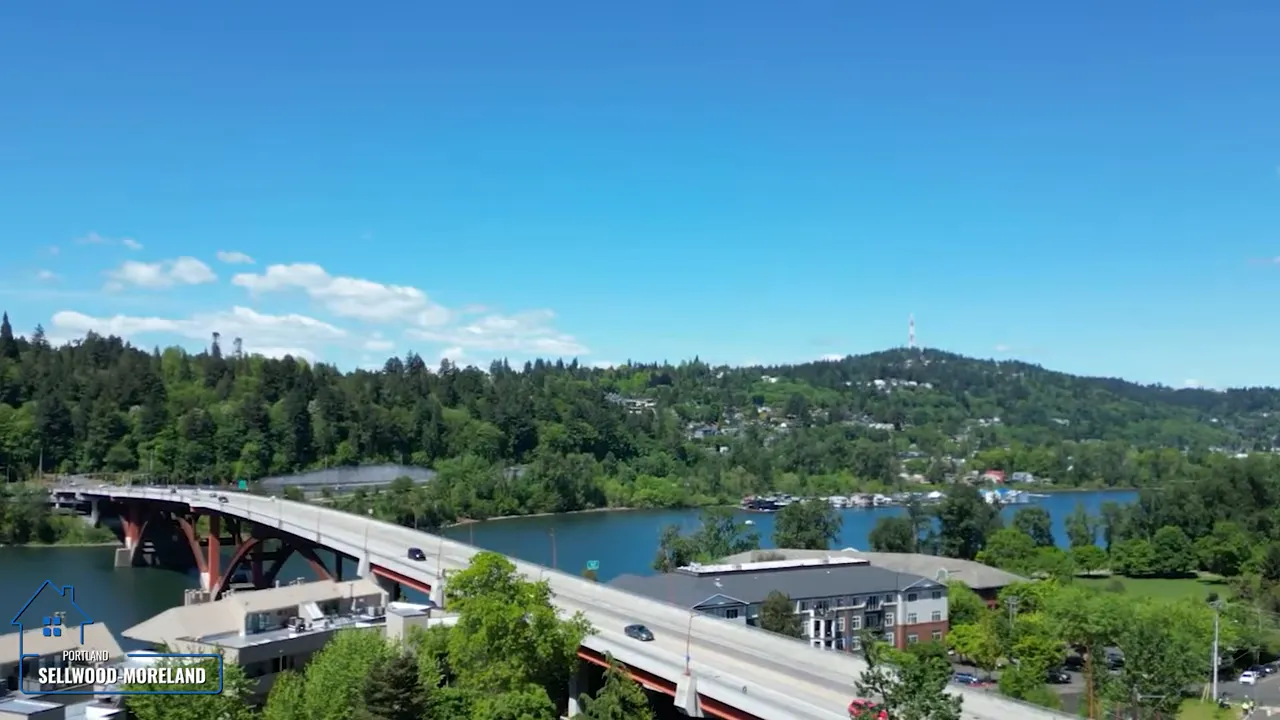
Location-wise, Sellwood is strong. It sits on the east side, but the Sellwood Bridge gives quick access to the west side. Downtown is not far, and the area feels central to a lot of the metro.
The catch is that charm gets expensive fast. Inventory is limited. Buildable space is limited. If a house checks the right boxes, it can move quickly and even competitively.
This is where people start realizing that saying “I want walkable” and saying “I need a four-bedroom with a den and a yard” can pull in opposite directions. In Sellwood, the more specific your home needs become, the more the budget tends to climb.
Older homes also come with older-home realities:
- Less efficient layouts
- Bedrooms and bathrooms split across floors
- Smaller yards
- Functional quirks that look charming until daily life sets in
There are some newer townhome and condo options through infill development, and those can be a smart way into the neighborhood if the goal is lifestyle first and square footage second.
Multnomah Village
Multnomah Village has a similar emotional pull, but on the west side. It is quaint, close in, and one of the few west side areas where people hear “walkability” and immediately pay attention.
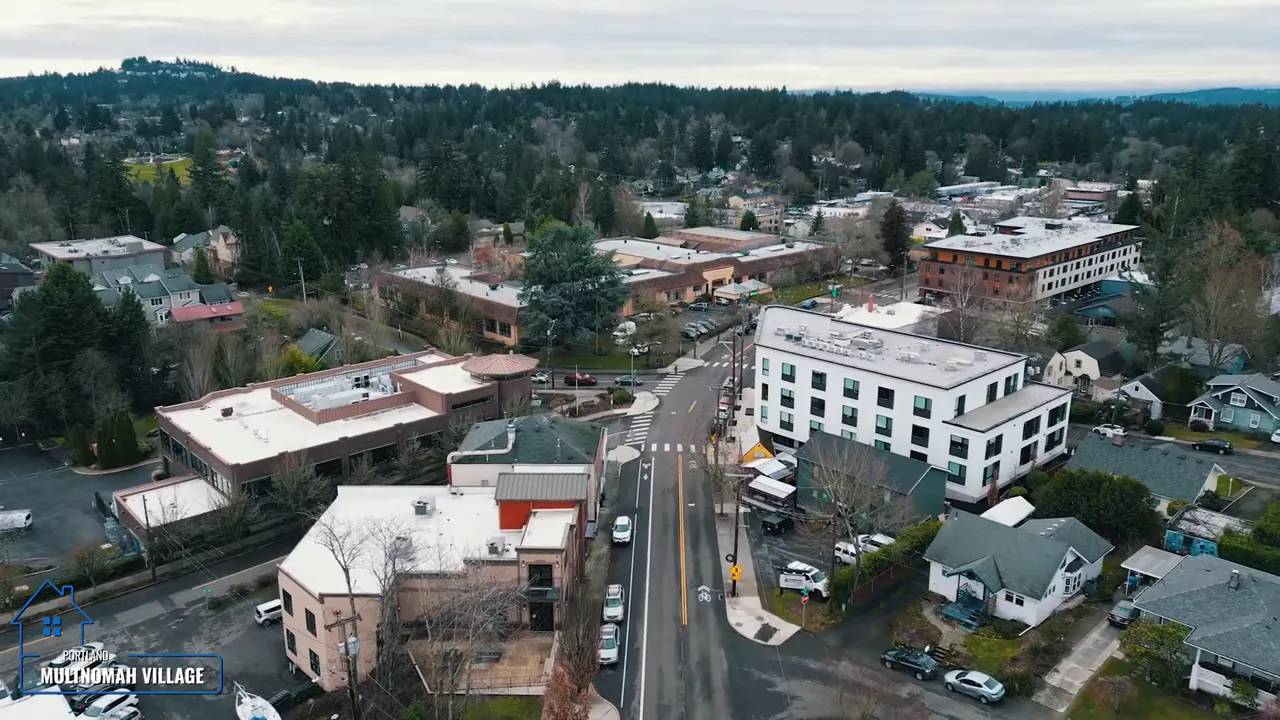
The village core has the pieces people want: bookstores, restaurants, coffee shops, and a cozy neighborhood center that feels distinct from bigger suburban retail zones.
It is also fairly close to downtown Portland, often around 10 to 15 minutes depending on traffic and route. So on paper, this area sounds like one of the best Portland neighborhoods for anyone craving charm plus west side convenience.
But here is the part people miss: the walkability can be much tougher than expected.
Southwest Portland is hilly. Streets can be steep. Some routes lack sidewalks. Some homes seem close to the village, but getting there on foot can mean dealing with inconsistent terrain or crossing busier roads. That means “walkable” here may feel very different from what someone has in mind.
Housing is eclectic, too. Tiny 1940s bungalows, condos, townhomes, and newer infill homes can all sit near each other. That variety can be fun, but it also means budgets stretch in unpredictable ways.
Multnomah Village is a great example of a neighborhood that photographs beautifully and charms people instantly, but requires a reality check around slope, sidewalks, and housing practicality.
Raleigh Hills
Raleigh Hills is a different kind of Tier 3 neighborhood. It is less about cute commercial walkability and more about location, prestige, and larger higher-end homes in southwest Portland.
It sits near the Portland Golf Club and gives quick access to major west side routes like 217 and Beaverton-Hillsdale Highway. For anyone whose life is centered on west side commuting, that can be very appealing.
This area also gets attention from people interested in nearby private school access, especially Oregon Episcopal School.
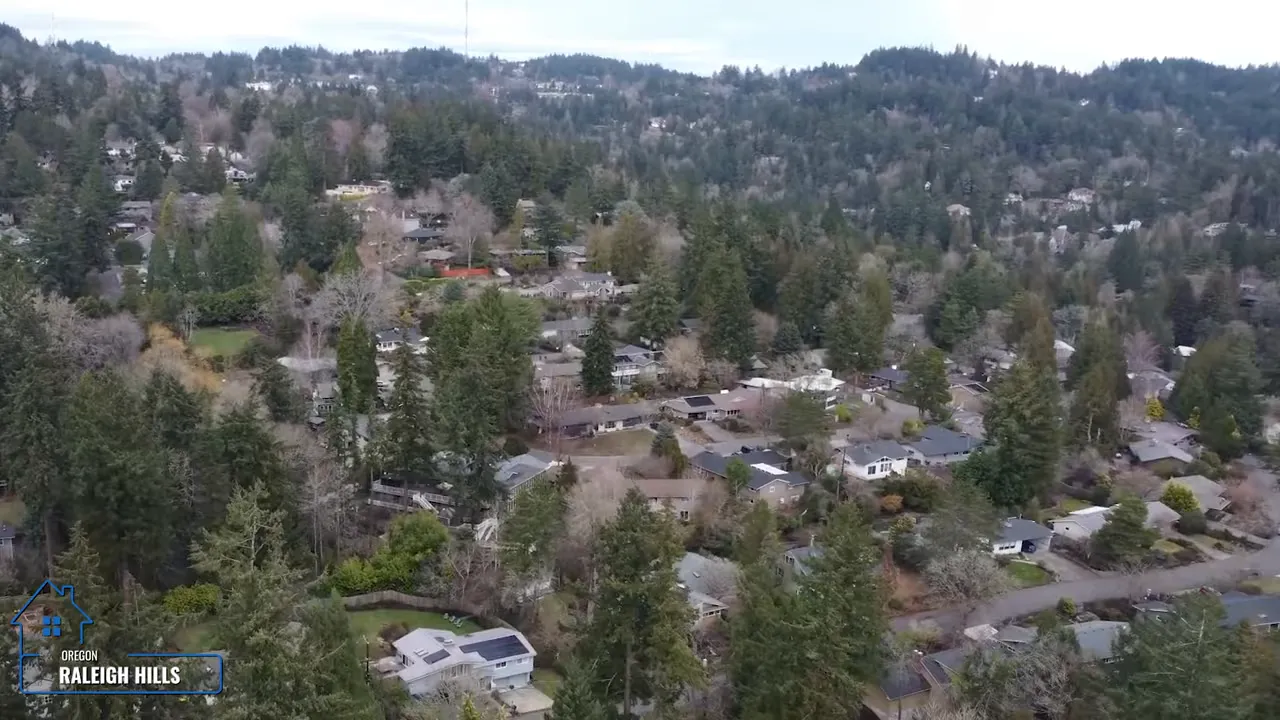
The homes tend to be larger, often on larger lots, and commonly built in the 1960s or 1970s. The feel is tucked away, treed, and a little more private than what many people picture when they think of a standard neighborhood grid. You are often looking at longer driveways, houses set back from the road, and a more discreet streetscape.
That privacy and location come at a price. Raleigh Hills generally commands a higher price point, often starting in the upper ranges and stretching well beyond a million dollars. It is not an area known for abundant condos or budget-friendly townhomes.
So yes, Raleigh Hills is desirable. But it is a narrower fit than many people first assume.
Tier 2: Best Portland Neighborhoods That Fit More Real Life Needs
This is where conversations become more practical. These areas come up often because they solve more real-life problems around schools, newer housing, commute patterns, and livability.
Bethany
Bethany is one of the first places many buyers mention when they have already done some homework. It is in northwest Portland, north of Highway 26, and has long been popular with people connected to the west side tech corridor.
If work takes you toward Intel, Nike, Hillsboro, or Beaverton, Bethany often makes immediate sense. It is also one of the stronger school-driven searches people make when trying to identify the best Portland neighborhoods for family life.
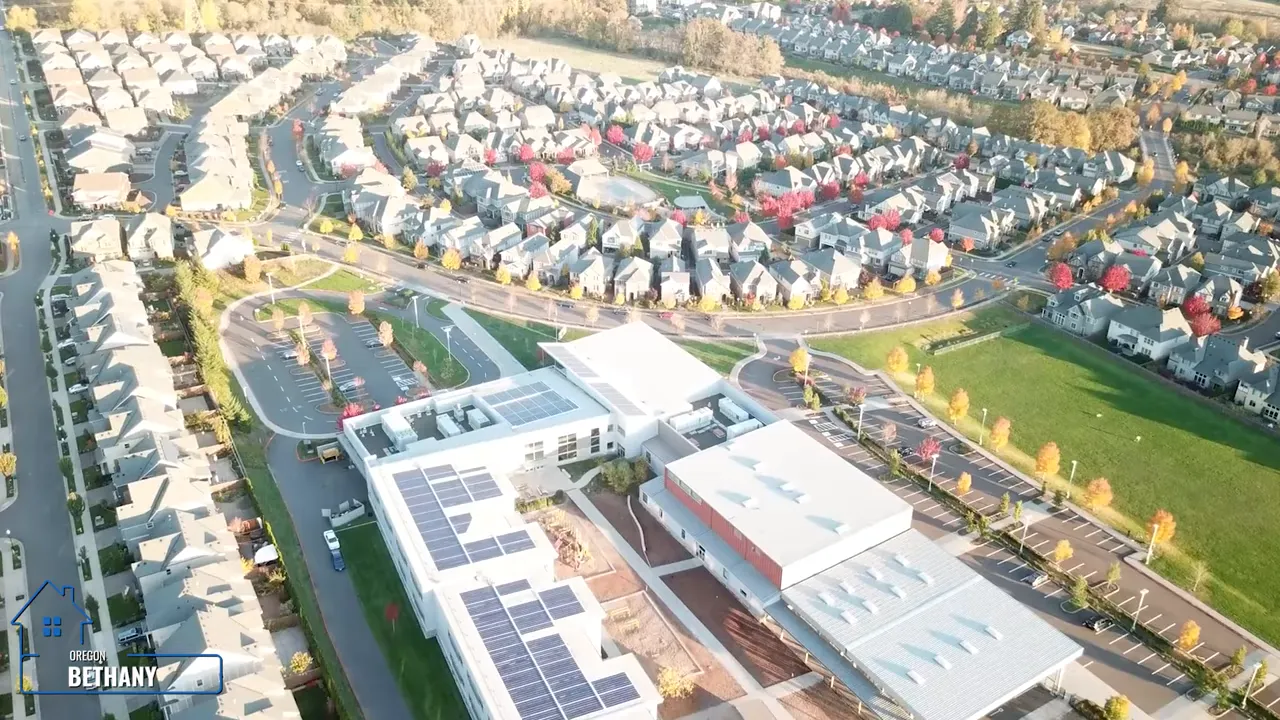
What Bethany offers is a planned-community feel:
- Newer homes, largely built over the last 25 years
- Sidewalks and parks
- Shopping and services close by
- A more suburban, organized layout
- Generally flatter terrain than many Portland areas
Bethany Village adds to that convenience with groceries, coffee, and everyday errands in one area.
The surprise here is price. People often expect planned suburban neighborhoods to feel more affordable than they are. In reality, even specialized communities like Claremont, a 55-plus area, can start in the 700s and run into the 900s depending on updates and location.
Bethany works well for someone who wants less old-house uncertainty and more straightforward suburban function. But it is not a bargain option.
Cedar Mill
Cedar Mill sits near Bethany and shares some of the same strengths, but with its own flavor. It has excellent access to Highway 26, proximity to downtown, and the advantage of being in Washington County for many homes, which matters to people paying close attention to property taxes.
This area also gets strong interest from medical professionals because Providence St. Vincent is nearby. Add in major fitness destinations like Lifetime Fitness and Sunset Athletic Club, and Cedar Mill starts checking a lot of lifestyle boxes.
Housing in Cedar Mill spans renovated 1960s and 1970s homes, plus newer neighborhoods from more recent decades. It is not especially walkable in the coffee-shop sense, but it is functional, convenient, and established.
Like Bethany, the sticker shock is real. A nicely renovated ranch on a bigger lot can easily climb into the 700s or 800s and beyond.
This is one of the best Portland neighborhoods for people who care more about west side access, schools, parks, and everyday convenience than about urban walkability.
Hillsdale
Hillsdale lives in southwest Portland and offers a very specific type of appeal. This is where people start leaning into hillsides, trees, views, and older northwest contemporary homes that feel rooted in the landscape.
The area can offer views of downtown Portland or Mount Hood, and some homes are built into the hillside in ways that feel dramatic and very northwest.
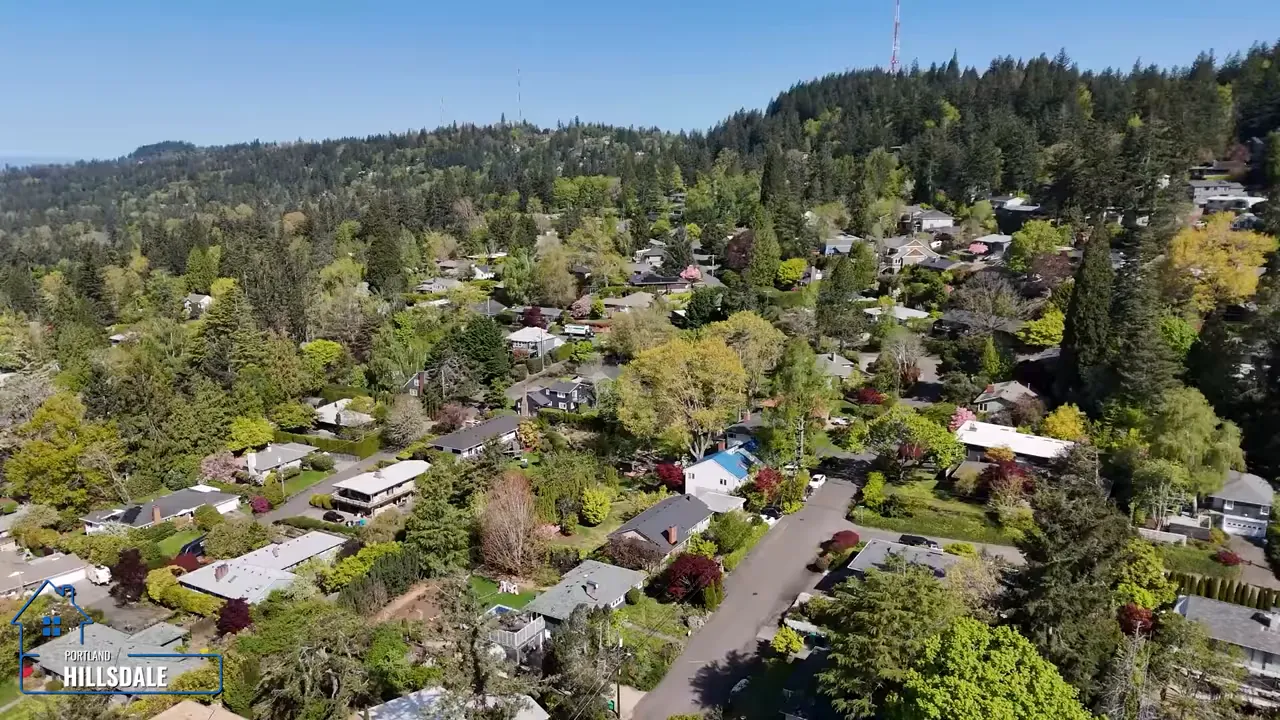
Housing here tends to include homes from the 1960s, 1970s, 1980s, and some newer pockets from the 1990s. This is not old Victorian Portland. It is more mid-century and northwest contemporary territory.
The downside is that Hillsdale is not especially walkable in the everyday commercial sense. Parks, maybe. Coffee shops from your front door, often no. Sidewalks can also be limited.
It is also in Multnomah County, so property taxes matter. For higher budgets, that is something people really need to account for early.
Hillsdale is one of the best Portland neighborhoods for someone who wants west side character and a treed, elevated feel, but not for someone expecting flat easy walkability.
Tigard
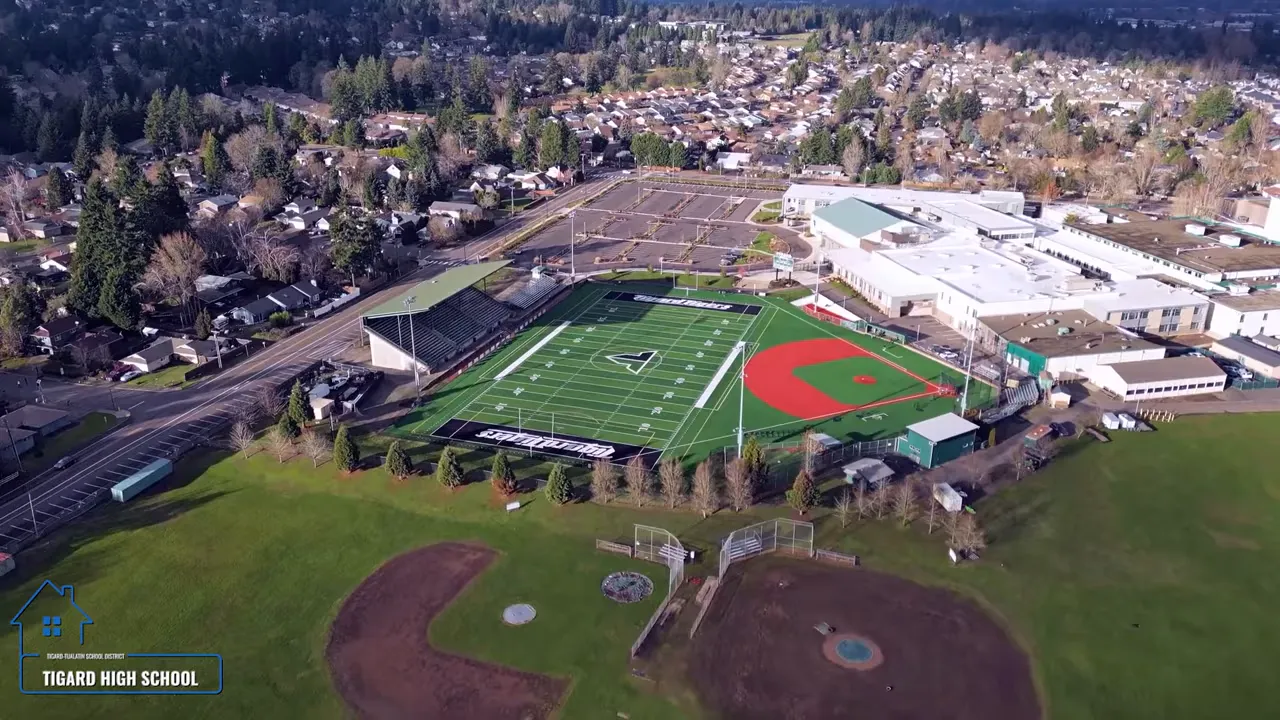
Tigard is where a lot of people end up once they start balancing all the moving parts. If you are moving to Portland, Tigard often becomes a serious contender because it checks a lot of boxes without forcing as much compromise as some of the more charming close-in neighborhoods.
It surrounds parts of 217, connects well to Highway 99, and sits near Lake Oswego, Tualatin, Sherwood, and Beaverton. That makes it a useful in-between location for a lot of west side lifestyles.
Tigard is also in Washington County, which many people appreciate from a tax standpoint.
One reason Tigard comes up so often is inventory. There is simply more to choose from. New construction, resale homes, older neighborhoods, newer developments, and a wide range of budgets all exist here.
Areas like Bull Mountain, River Terrace, and the overlap with King City all come into play depending on the style of home and price point.
Tigard tends to work especially well for people who need:
- A certain bedroom and bathroom count
- More square footage
- Newer amenities
- School options
- A realistic path to staying on budget
That does not mean it is cheap. Newer and more desirable sections can still run high. But if someone says, “I need the house to function first,” Tigard often rises quickly on the list of best Portland neighborhoods to explore.
Tier 1: Best Portland Neighborhoods The Most Consistently In Demand
Lake Oswego
If one city consistently sits at the top of buyer conversations, it is Lake Oswego.
Why? Two big reasons drive it.
First, schools. Lake Oswego is regularly associated with some of the strongest school rankings in Oregon, so for many families that alone puts it at the top of the shortlist.
Second, lifestyle. There are not many places in the Portland metro where a lake sits right in the middle of town and shapes the identity of the area. That creates a level of consistency and desirability that is hard to replicate.
Not every home is on the lake, and not everyone cares about boating or water access. But even homes that are not waterfront may benefit from lake easements or swim access, and that still affects demand, price, and resale value.

Lake Oswego is also well positioned. It borders west side and southwest areas, offers solid access into downtown via Highway 43, and sits in Clackamas County, which is another meaningful factor for buyers comparing tax structures.
Now for the reality check: pricing.
Average price points here commonly live around 1.3 to 1.5 million and can go higher from there. Yes, there are homes around a million. Yes, there can be options under a million. But in Lake Oswego, a million dollars often still means compromise.
That compromise may be in:
- Square footage
- Lot size
- Specific neighborhood
- Home style
- Degree of updating
- Lake access
There is also one insider tip that matters a lot. Lake Oswego is not huge on the map, but the lake and road layout can make cross-town driving slower than expected. One side of the city to the other can take more time than buyers assume, so commute testing matters here.
All of that said, Lake Oswego remains one of the best Portland neighborhoods, or more accurately cities in the Portland orbit, for buyers who want strong long-term demand, a highly established community, and a polished lifestyle package.
What Most People Get Wrong When Choosing Among These Portland Neighborhoods
Most people do not struggle because they cannot find a house. They struggle because they have not gotten clear on why they are choosing one area over another.
That is the difference between casually browsing the best Portland neighborhoods and building an actual strategy.
Here is what tends to separate a smart move from a frustrating one:
- Do not confuse charm with fit. A neighborhood can be adorable and still be wrong for your housing needs.
- Define walkability carefully. Flat, easy sidewalks and a true five-minute coffee run are not the same thing as “near” a cute district.
- Know your must-haves. If you need space, layout, and newer amenities, prioritize that early.
- Check taxes and commute patterns. County lines and road layouts matter more than people think.
- Expect trade-offs. Every one of the best Portland neighborhoods gives something and asks something in return.
If you are moving to Portland, that clarity matters even more. The most successful buyers are usually the ones who understand their non-negotiables before they fall in love with a zip code.
If you want a personalized short list based on your commute, budget, and must-haves, we’re happy to help. Call or text 503-804-1466 to book a quick buyer consult and get clear on the best Portland neighborhoods for you.
FAQ: Top Neighborhoods in Portland
Which area is most popular overall among the best Portland neighborhoods?
Lake Oswego tends to sit at the top of the list because of its school reputation, strong community identity, and lake-centered lifestyle. It also holds value well, though pricing is much higher than many people expect.
What are the best Portland neighborhoods for walkability and charm?
Sellwood Moreland and Multnomah Village are two of the biggest charm-driven searches. Both offer beloved neighborhood business districts, but both also come with trade-offs around price, inventory, or terrain.
What are the best Portland neighborhoods for newer homes?
Bethany and Tigard tend to stand out for people who want newer housing, more planned communities, and less of the functional uncertainty that can come with older Portland homes.
Which areas make sense for families moving to Portland?
Lake Oswego, Bethany, Cedar Mill, and Tigard come up often for families because of school interest, neighborhood infrastructure, and housing options that better fit everyday needs.
Are the best Portland neighborhoods always close to downtown?
No. Some close-in neighborhoods win on charm and access, but many buyers end up farther out in west side areas because they get more practical housing, better commute alignment, or stronger school options.
What is the biggest mistake people make when moving to Portland?
The biggest mistake is choosing based on reputation alone instead of matching neighborhood lifestyle with house needs, budget, commute, and long-term priorities. That is where the real decision gets made.