West Linn is one of those Portland suburbs that immediately feels established. It is lush, hilly, heavily treed, and full of neighborhoods where homes have real personality. You can find historic cottages near the Willamette River, traditional homes on large lots, luxury hillside properties, and a surprising amount of variety for a community that is often simply described as a bedroom suburb.
It is also close to downtown Portland, roughly 20 minutes away under normal conditions, while still feeling worlds removed from the city. For people relocating to Oregon, that combination is a huge part of the appeal: strong schools, a connected community, abundant parks and river access, and a quieter day-to-day lifestyle.
Table of Contents
- What Makes West Linn Special
- The Willamette District
- West Linn Neighborhoods And Homes
- Parks River And Outdoor Life
- Schools Shopping And Commuting
- West Linn Home Prices
- Is West Linn Right For You
What Makes West Linn Special
Among the best Portland suburbs, West Linn stands out because it does not feel cookie cutter. The city is built around hills, mature trees, river corridors, older neighborhoods, and pockets of homes that have been maintained and renovated over decades.
A lot of the homes were built in the 1970s, 1980s, and 1990s, although there are also properties from the 1950s and 1960s, early twentieth-century homes near the river, and scattered newer construction. Large-scale new development is limited because there simply is not much open land left. Most new homes arrive one at a time through teardowns, lot splits, major remodels, and infill projects.
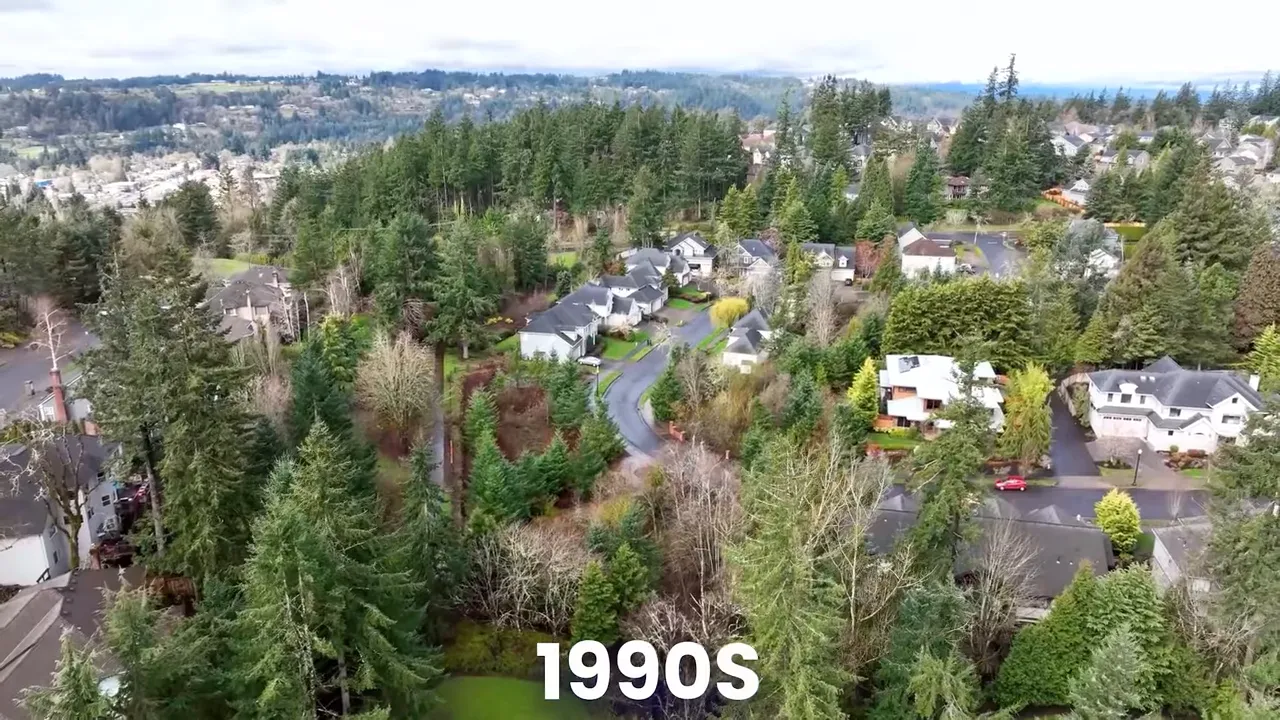
That lack of widespread new construction is part of the charm. Streets have mature landscaping, homes often have more breathing room between them, and the overall feel is established instead of freshly developed. It is especially noticeable in the hillside areas, where tree-lined roads, sidewalks, views, and larger lots create a very different feel from many newer suburban communities.
West Linn is not a place with endless commercial strips, big-box stores, or nightlife. That is a downside for some people and a major positive for others. The community is quieter because it is not packed with chain restaurants, malls, and heavy retail. It is a place where people tend to prioritize neighborhood life, schools, parks, dogs, trails, and getting outside.
The Willamette District
The Willamette District is one of the most distinct areas in West Linn. It sits lower down near the Willamette River and has its own little identity, almost like a separate town within the city. It is flatter than much of West Linn, highly walkable, and packed with local restaurants, coffee shops, boutiques, services, and neighborhood gathering spots.
The main corridor has received plenty of attention over the years, with renovated buildings, inviting storefronts, public events, and ample street parking. It has that little Americana feel that people love, especially if they want to walk to dinner, grab coffee, meet friends, or have choices close to home.
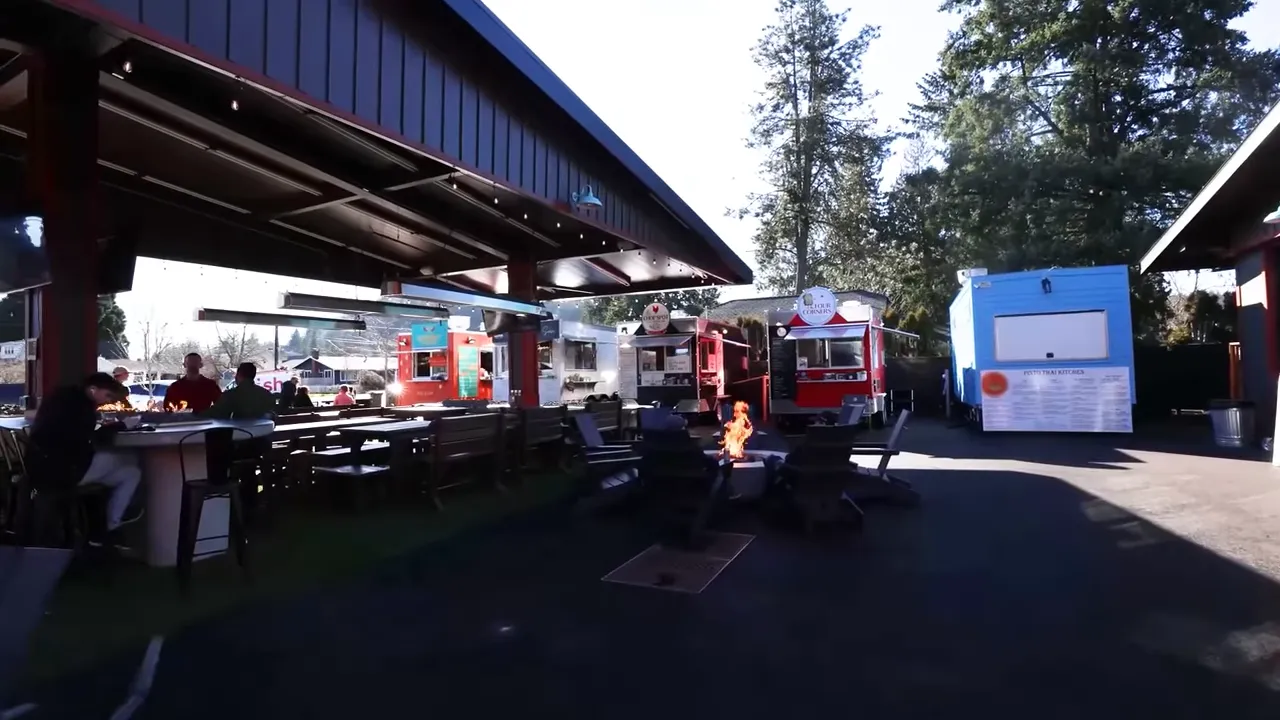
Willamette Garage is a major local draw. It is a covered indoor and outdoor food cart gathering space with seating and a range of food and beverage options. Nearby, there are restaurants, an ale house, a cider house, coffee shops, health and wellness services, and other small businesses. This is one of the few places in West Linn where you can genuinely leave the car at home and still have a lot within reach.
Housing in the Willamette District tends to be older and charming. Many homes were built around the turn of the century and have since been renovated. Think bungalows, older Portland-style homes, smaller lots, and occasional accessory dwelling units. There are also infill homes, duplexes, townhomes, and newer builds that were added when older properties could not be revived or when builders found a rare opportunity to divide a lot.
Inventory can be limited here. If the goal is a specific square footage, large yard, or brand-new home, the available choices may be narrow. But if walkability, character, restaurants, and river access matter most, this area is tough to beat.
West Linn Neighborhoods And Homes
West Linn is basically one big hill, with distinct areas at the bottom, on the slopes, and up top. The character of the home and the daily lifestyle can change dramatically depending on which side of that hill you choose.
Bolton Heights And The Luxury Hillside Feel
Bolton Heights is one of the better-known luxury communities in West Linn. Much of it was developed in the 1990s, with some homes built in the early 2000s. This is where you find larger homes on generous lots, mature landscaping, traditional architecture, brick details, sidewalks, and incredible space between properties.
Homes in this area do not all look the same. You may see traditional, Craftsman, Mediterranean-influenced, and custom designs on lots that can range from roughly a half-acre to three-quarters of an acre or more. There is even a gated enclave, Le Chevalier, within the greater community.
Bolton Heights has the stately, Street of Dreams type of feeling that many people picture when they think about luxury homes in West Linn. The tradeoff is that location matters a lot. Certain streets that overlook Interstate 205 can pick up freeway noise, particularly in wet conditions when the sound carries. That is the kind of detail that needs to be checked property by property, not guessed from a listing photo.
Hidden Springs Ranch And Established Neighborhood Living
Hidden Springs Ranch is a classic example of established West Linn. Many homes were built in the 1970s and 1980s, and there are well-maintained properties, mature trees, tennis courts, townhomes, attached options, and some desirable one-level homes.
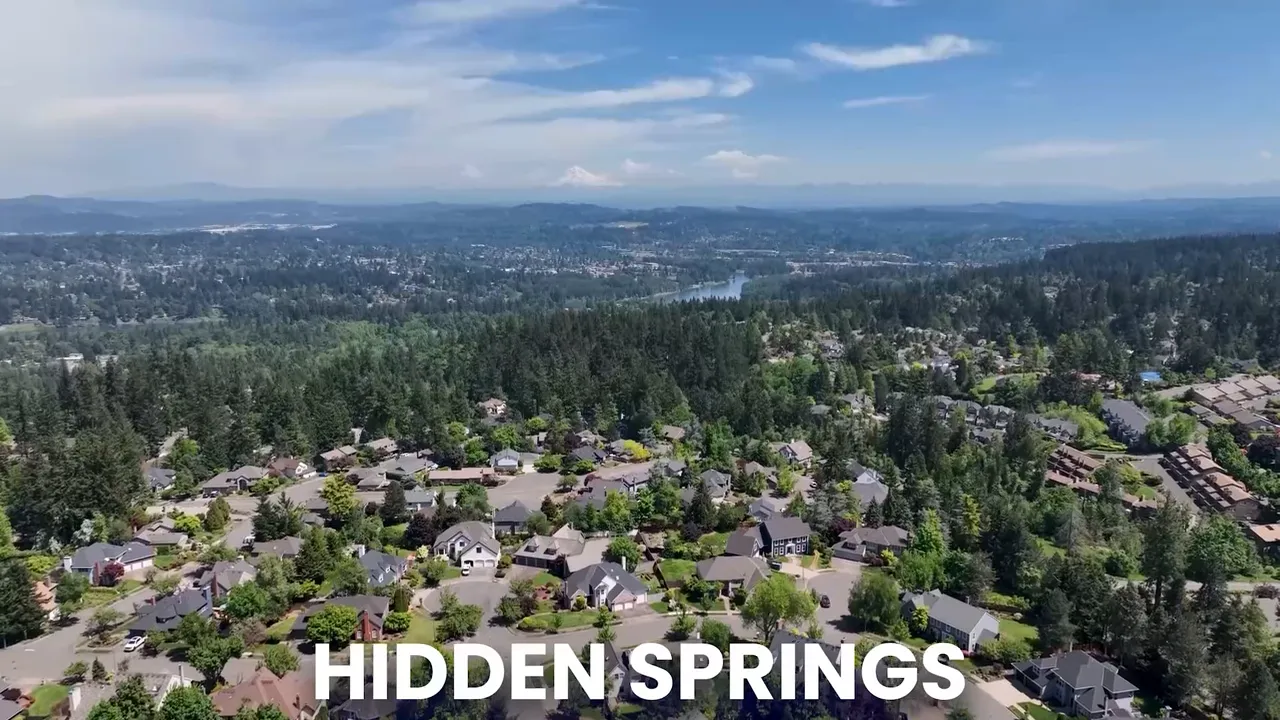
This is the kind of area that appeals to buyers who want a neighborhood that has stood the test of time. The lots are often more generous than newer construction communities, and many properties have already been updated over the years. One-level homes can be especially attractive for people who want to avoid a lot of stairs without giving up a residential setting.
There are views from many parts of the hill, including valley views and, on clear days, Mount Hood views. The terrain creates some amazing vantage points, but it also means there are steep, twisty roads. West Linn does not play around when it comes to hills.
Cedar Oak And Marylhurst
Down closer to the river, Cedar Oak offers a flatter alternative. The housing stock is generally older, with many homes from the 1950s through the 1980s, plenty of renovations, and some larger lots. It can be a very good fit for someone who wants a more level neighborhood, room to walk, and easier winter driving conditions than the steep hillside streets.
Marylhurst also has a different feel from the stereotypical large West Linn hillside home. There are smaller, older homes near Highway 43, including some without garages, and then more spacious homes as you climb upward. The landscape gets dense with trees, the roads wind around the terrain, and certain homes pick up seriously beautiful valley views.
Parks River And Outdoor Life
Outdoor access is one of the biggest reasons people choose West Linn. Parks are not an afterthought here. They are woven throughout the community, and many buyers make their decision based on proximity to trails, sports fields, dog areas, and the river.
Willamette Park is a major community asset, with fields for soccer and baseball, an amphitheater, a playground, picnic and gathering areas, public restrooms, and access to the river. The annual West Linn Old Time Fair is held here, bringing vendors, activities, and a real community-event atmosphere to the park.
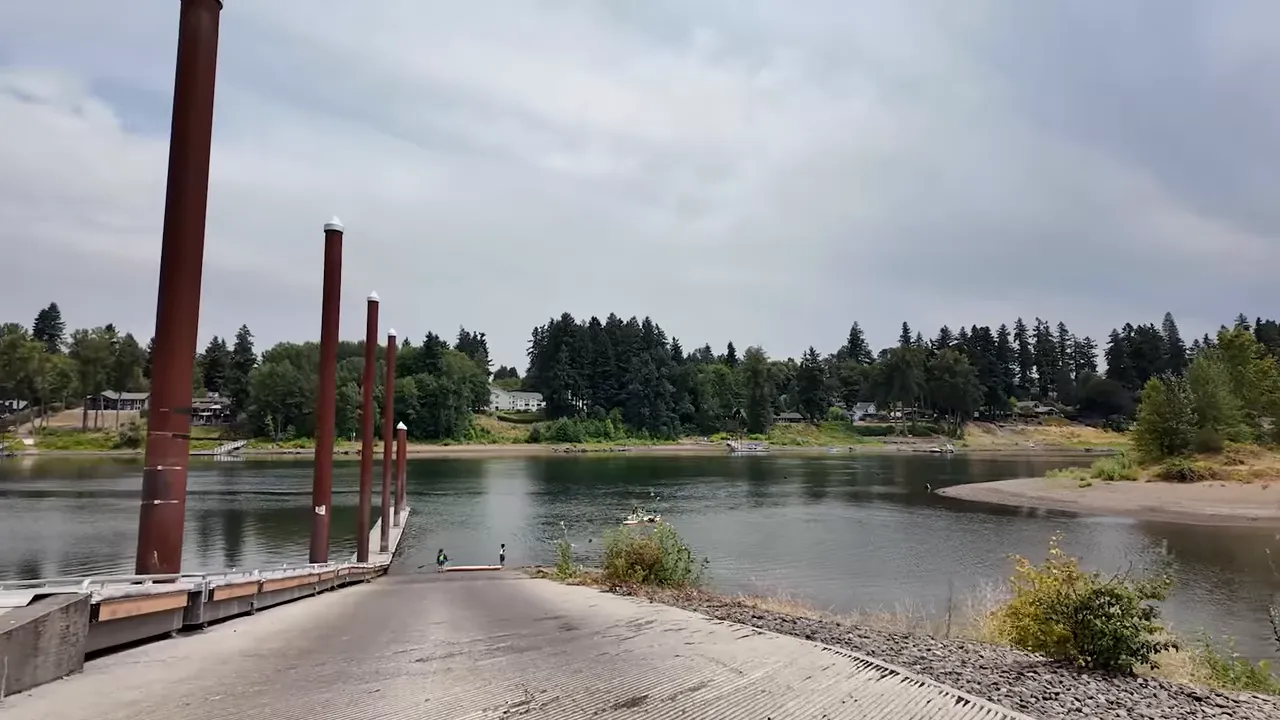
River access around Willamette Park makes paddleboarding, kayaking, canoeing, and other water activities part of the lifestyle. The park sits where the Willamette and Tualatin Rivers meet, and it gives residents an easy way to get outside without planning an entire weekend around it.
Cedar Oak has a public boat launch with parking, two launches, and a dock area. There is also a quieter cove nearby for swimming and paddleboarding away from the direct current of the river.
For trail lovers, Mary S. Young Park is a huge draw. It covers 128 acres and has roughly eight miles of trails, water access, sports fields, parking, public facilities, natural habitat, and an off-leash dog area. It is the sort of place where you can get out for a run, take the dog out, wander through the trees, and genuinely feel removed from town even though you are still right in West Linn.
Other parks are peppered throughout the city, including Alice Benski Park and Tanner Creek Park. Whether the priority is a playground, dog time, field sports, hiking, water access, or just a safe place to walk, there are options across West Linn.
Schools Shopping And Commuting
Schools are a major part of the West Linn conversation. The West Linn-Wilsonville School District has a strong reputation for academics, athletics, and community involvement. There are multiple elementary and middle schools, while West Linn High School serves as the primary high school for the West Linn side of the district.
Strong schools matter for families, of course, but they also matter to many buyers from a long-term property-value perspective. West Linn is often compared with Lake Oswego for this reason. Lake Oswego may get more of the attention, but West Linn is a serious contender for buyers seeking a highly regarded school district with potentially more flexibility in their budget.
Shopping and services are available, but the options are more limited than in places such as Tigard or Sherwood. On the hill, the primary retail area includes Safeway, Starbucks, restaurants, a post office, cleaners, an animal hospital, and everyday services. At the bottom of the hill, West Linn Central Village includes Market of Choice, urgent care, banking, salons, restaurants, and other practical stops.
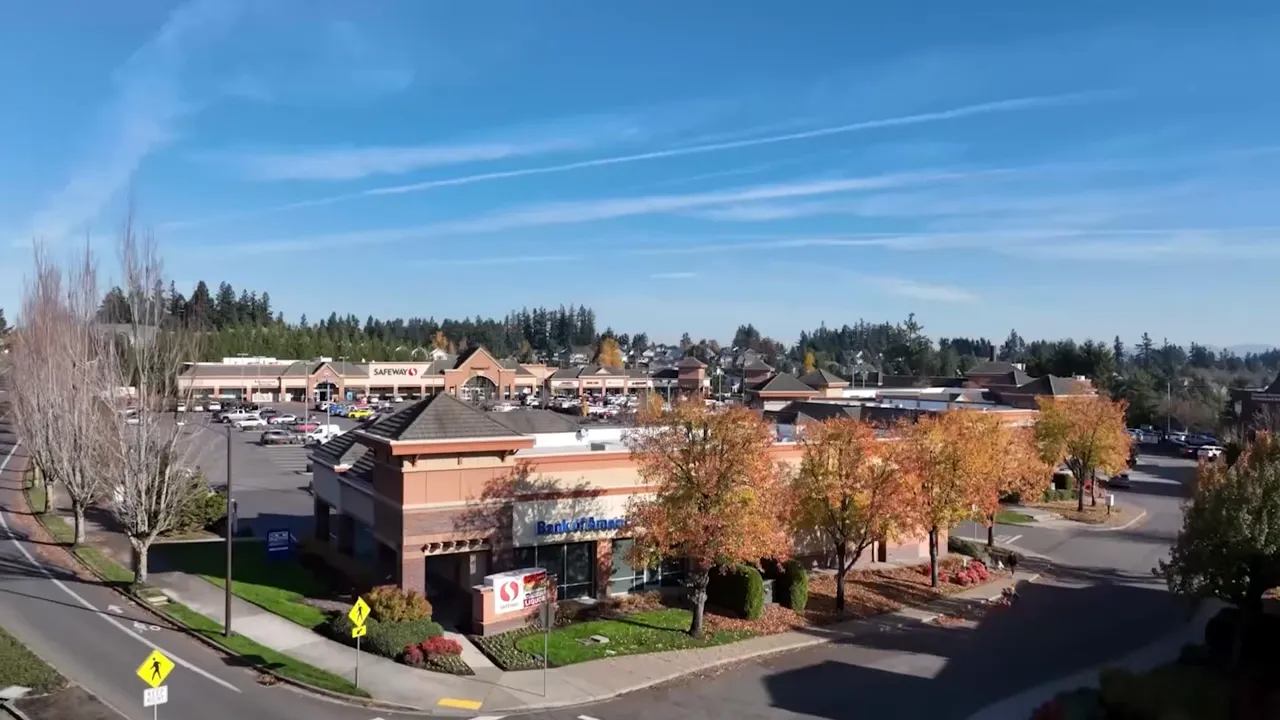
Market of Choice is especially popular for fresh foods, bulk items, and bakery selections. Still, this is not an area where every kind of retail is five minutes away. West Linn does not have big-box retail, and there are only a limited number of grocery choices within city limits.
Commuting needs an honest conversation too. Highway 43 is a one-lane road in each direction through much of the area, and traffic can back up near the Interstate 205 interchange. It moves, but it can add time to the drive. Road conditions and potholes can also be an issue on some routes.
Winter weather is another practical point. Some West Linn streets have serious grades, including roads marked at 21 percent. During ice and snow, steep hillside routes can close or become difficult enough that staying home is the smart call. If daily mobility during winter storms is a priority, that should be part of the neighborhood search from day one.
West Linn Home Prices
West Linn is not inexpensive, but it can offer more home for the money than nearby Lake Oswego. At the time of this tour, homes can be found from the $600,000 range to well over $1 million, with average sales prices commonly landing in the $800,000 to $900,000 range.
That average price range may often buy a home around 2,500 to 3,000 square feet with three to four bedrooms and a two-car garage, but West Linn is incredibly neighborhood specific. A renovated one-level home on a larger Cedar Oak lot is going to be a different purchase from a luxury home in Bolton Heights, a historic Willamette District bungalow, or a hillside property with major views.
In Bolton Heights, average sales prices have been around $1 million to $1.2 million, with higher-end homes moving well above that. In other established neighborhoods, 1970s homes with large lots can also approach the $1 million mark, especially if they have been renovated, offer views, or sit in a sought-after location.
The biggest thing to understand is that limited inventory can create competition. It is easy to overpay if you focus only on the city name instead of the exact street, condition, view, noise exposure, lot usability, school assignment, and commute route. West Linn has excellent options, but they are not interchangeable.
Is West Linn Right For You
West Linn can be a fantastic fit for someone who wants trees, trails, parks, river access, strong schools, established neighborhoods, and a quieter suburban lifestyle close to Portland. It is particularly appealing for buyers looking for a long-term home, a luxury hillside property, a renovated older home, or a community where being near nature is part of daily life.
It may not be the right choice if the goal is a lively nightlife scene, multiple big-box stores nearby, lots of teen hangout spaces, a mall-like retail environment, or a flat and easy commute in every kind of weather. This is a community with real tradeoffs, and that is okay. The right neighborhood is always about matching the area to how you actually live.
For the right buyer, West Linn delivers something hard to find: a close-in Portland suburb that still feels green, spacious, rooted, and wonderfully connected to the outdoors.
Frequently Asked Questions About West Linn
Is West Linn a Good Portland Suburb?
West Linn is widely considered one of the best Portland suburbs for people seeking strong schools, established homes, parks, river access, mature trees, and a quieter community atmosphere.
What Is the Most Walkable Part of West Linn?
The Willamette District is one of the most walkable parts of West Linn. It has restaurants, coffee shops, boutiques, food carts, local services, Willamette Park, and nearby river access.
What Are Typical West Linn Home Prices?
Homes can range from the $600,000s to well above $1 million. Average sales prices commonly sit in the $800,000 to $900,000 range, while luxury areas such as Bolton Heights can average around $1 million to $1.2 million or more.
What Should Buyers Know Before Moving to West Linn?
Buyers should pay close attention to steep roads, winter driving conditions, Highway 43 traffic, limited retail options, freeway noise in certain hillside locations, and the major lifestyle differences between individual West Linn neighborhoods.