If we are seriously thinking about moving to Portland, we need more than dreamy summer photos and scary cable news clips. Portland is neither a handcrafted utopia nor a city in total collapse. It is a real place with real tradeoffs, and if we understand those tradeoffs before making the move, we give ourselves a much better shot at actually loving life here long term.
That is the goal. Not just getting here, but still being happy we came two years later.
So if moving to Portland is on the table, here are 10 honest takes that locals know, newcomers often learn the hard way, and home search websites absolutely do not explain.
The Portland freeze is real
One of the first surprises people run into when moving to Portland is that the city can feel warm on the surface but closed off underneath. People here are usually polite. Very polite. We say sorry in grocery aisles, chat pleasantly at coffee shops, and generally avoid confrontation like it is an Olympic event.
But politeness and openness are not the same thing.
Portland has a private streak. It is completely possible to wave to the same neighbor for years and never cross the threshold of each other’s houses. That does not mean anyone dislikes us. It usually just means people are settled into their routines and not actively looking to expand their social circle.
This matters because if we arrive expecting instant community, moving to Portland can feel more isolating than we anticipated. The fix is not to sit back and hope friendships appear. We have to be proactive.
- Join the running club
- Take the pottery class
- Find the hobby group
- Say yes to repeated casual invitations
- Choose a neighborhood that matches how we actually live
If we are family oriented, that usually points us toward communities where families naturally interact. If we want walkability, nightlife, and social energy, that points us somewhere else entirely. The house matters, but the surrounding social fabric matters just as much.
Summer is gorgeous, winter is the test
This is the biggest trap in moving to Portland. Visit in July, August, or September and the city can feel almost unfairly perfect. Mild temperatures, low humidity, long daylight, green parks everywhere, and evenings that seem to stretch forever.
That is real. It is also incomplete.
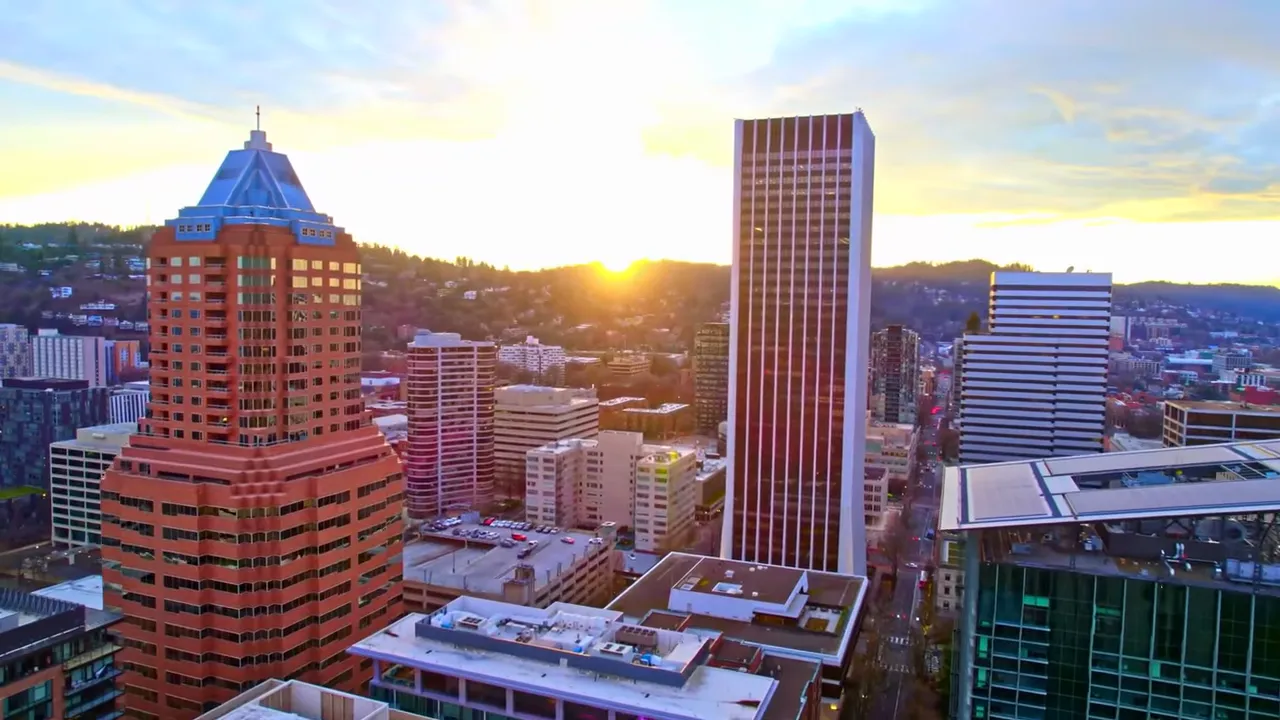
The real test is the stretch that starts in late fall. The rain is not even the hardest part for many people. It is the darkness. For months, the sky can sit in one long gray register, and by winter the daylight disappears shockingly early.
For people prone to seasonal depression, moving to Portland without respecting winter is a mistake. We need to ask ourselves whether we can genuinely handle a season that feels dim for five or six months.
Locals who do well often have a plan. Some travel somewhere sunny in the deepest part of winter. Others build routines around exercise, light exposure, and getting outside even when the weather is uninspiring.
This also changes what kind of home works best. In January, a shaded house with small windows can feel less cozy and more cave like. South facing exposure, large windows, and decent natural light are not just pretty features here. They can make daily life easier.
Keep Portland weird is not what it used to be
If we are moving to Portland hoping to step into a frozen version of the late 1990s or early 2000s, we are arriving late to that exact party.
The famous weirdness did not disappear, but a lot of it got branded, packaged, or priced out. What used to feel gritty and accidental is, in some places, now polished and marketable.
A perfect example is the city’s best known tourist food stops. They may still be iconic, but locals are often skipping the long lines and heading for lesser known spots instead. The real creative energy usually lives a little farther from the obvious postcard districts.
Rising rents changed the map. Artists and experimental small businesses did not vanish so much as spread outward. So when we say we want culture, we need to be specific. Are we looking for polished urban living? Historic charm? Scrappier creative pockets? Those are not always the same neighborhood.
And this is where a lot of people get confused. A neighborhood that was considered edgy twenty years ago may now be high end and comfortable. Real estate is always partly about current energy, not just old reputation.
The food is excellent and the night ends early
On food, Portland absolutely overdelivers. For its size, the city hits way above its class. We get remarkable quality, real creativity, and a price point that often feels more approachable than larger major metros.
That is the good news. The catch is that Portland behaves like a city with an early bedtime.
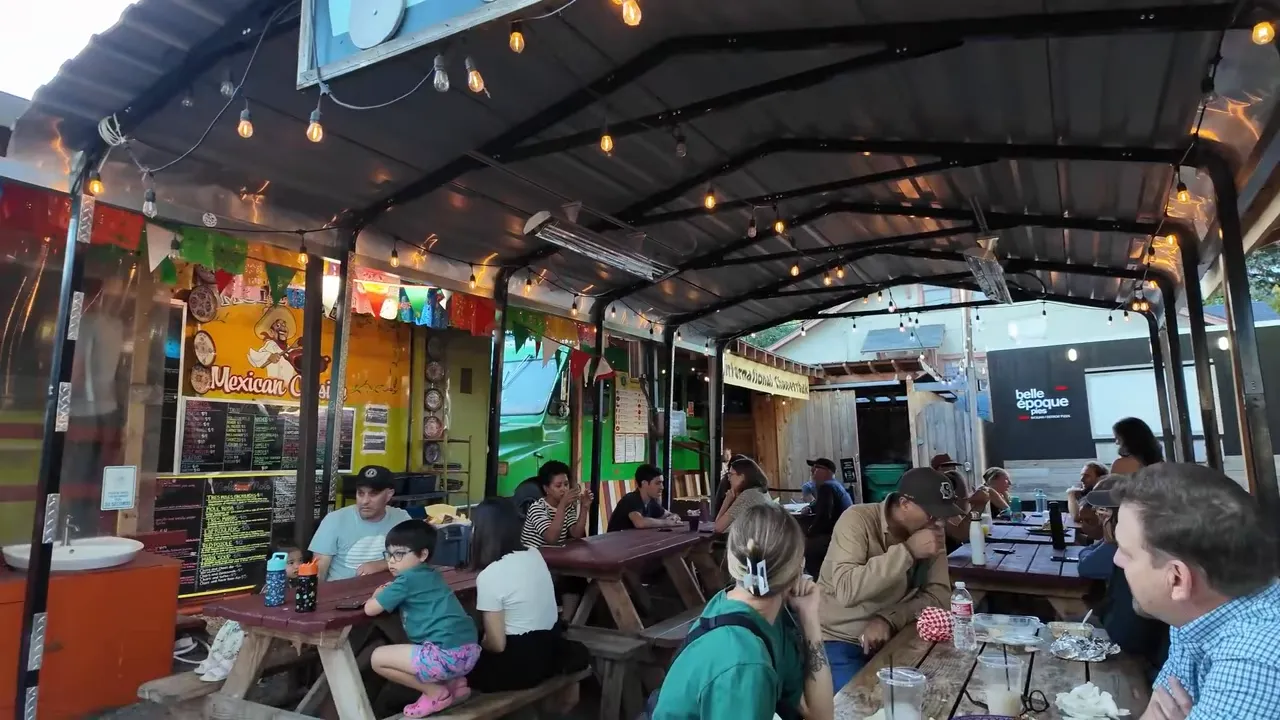
If we are used to late dinners and a nightlife rhythm that starts at 9:00 p.m., moving to Portland may require some recalibration. Kitchens often close much earlier than newcomers expect, even on weekends. This is not New York. It is not Miami. It is a place that tends to wake up early and lean into mornings, hikes, brunch, and trailheads.
For early birds, that is fantastic. For night owls, neighborhood choice matters a lot. Some areas still have more life after dark, especially on the east side, but many parts of town quiet down fast. If late night dining is central to our happiness, we need to plan around that rather than assume the whole city runs late because the food scene is strong.
Drivers are polite in the most infuriating way
Portland drivers are not usually aggressive. In some ways, that sounds great. In practice, it can be maddening.
The problem is not hostility. The problem is unpredictability. Drivers here often try to be nice instead of being clear, and that can create its own kind of chaos.
You will see drivers stop where they should keep moving. You will see four way stop intersections turn into awkward hand waving contests. You may find yourself wondering whether the other person plans to follow traffic law or perform a spontaneous act of generosity.
When we are moving to Portland from places with more direct driving culture, this can feel bizarre. A commute that looks short on paper may also take longer than expected simply because the local pace is more relaxed and less decisive.
A good rule of thumb is to build in a little extra time. Think of it as a local chill tax added to whatever the map app tells us.
Dark streets are part of the deal
Another thing that catches people off guard when moving to Portland is how dark the city can feel at night, especially in winter.
Portland takes light pollution seriously. Environmentally, that is admirable. Practically, it can make evening driving in the rain feel intense.
Street lighting can be minimal. Lane markings are not always as reflective as we would like. Add darkness, wet roads, and windshield glare, and suddenly a normal commute starts to feel stressful.
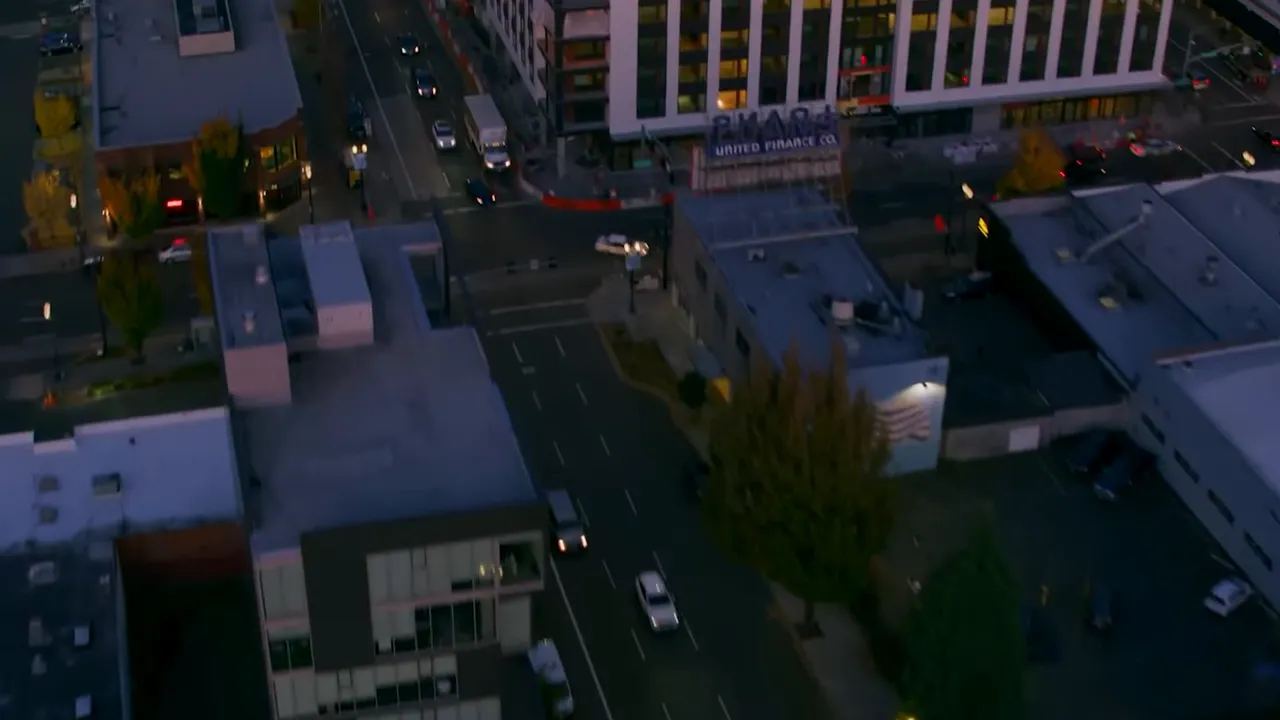
This is especially important for anyone with vision concerns or anyone who simply hates driving at night. Online listings do not tell us whether the route home feels calm and manageable after sunset in January. That is something we should actually test before committing to a location.
The preservation paradox
Portland is full of signs and symbols that reflect genuinely progressive values. That part is real. People care deeply about equality, inclusion, and the environment.
But here is the twist. Progressive values do not automatically mean enthusiasm for neighborhood change.
Many Portland neighborhoods are fiercely protective of their identity. Historic homes, mature trees, quiet blocks, and classic streetscapes are not just background scenery. People feel attached to them.
So when new density is proposed, whether that means apartment buildings, infill housing, or changes that affect trees and older homes, tension shows up fast. People may support affordability as an idea while resisting the exact project proposed near their own block.
This matters if we are moving to Portland with a long time horizon. Some neighborhoods are more likely to change. Others will resist change hard. Knowing the difference helps us decide whether we want stability, evolving density, or some version of both.
Nature is world class and crowded
A huge reason people dream about moving to Portland is access to nature. And yes, the access is phenomenal. Forests, mountains, waterfalls, coast, skiing, trails, rivers. It is all here.
So is everybody else.
That dreamy image of standing alone in wilderness is possible, but not usually at the obvious destination at a convenient hour on a sunny Saturday. Popular spots fill early. Parking can become the whole game.
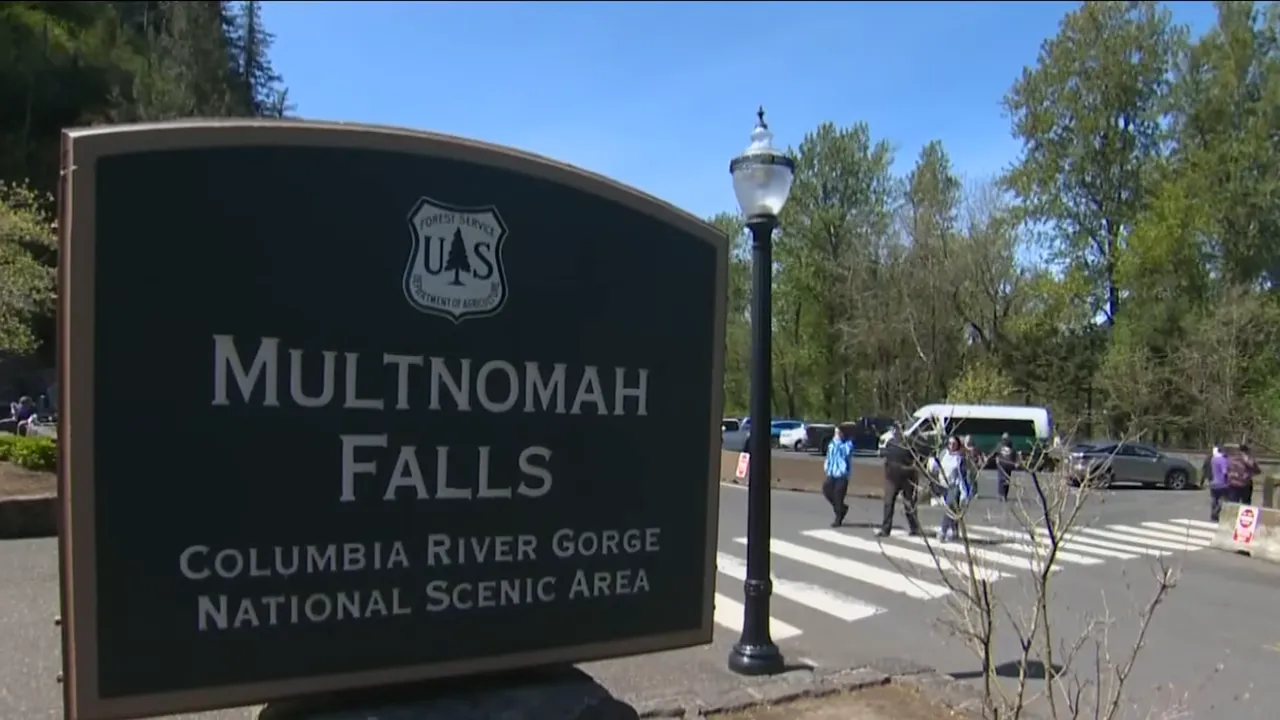
If we are heading to famous places like Multnomah Falls or up to the mountain during ski season, we need strategy. Early departure matters. Timing matters. Sometimes knowing the less obvious alternatives matters even more.
The upside is still huge. The nature really is that good. We just have to approach it like a local, not like we are the only person who discovered Oregon.
Portland is not a burning hellscape, but the struggles are visible
This is the subject that gets the most distortion.
No, Portland is not a nonstop apocalyptic disaster zone. Most residential areas where people are likely to live are fairly quiet, green, and honestly pretty ordinary.
At the same time, it would be dishonest to pretend the city’s visible struggles are not real. Homelessness, broken down RVs, tents, poverty, and in some places public drug use are part of the landscape. We may see them downtown, but also near commercial corridors or even not far from desirable neighborhoods.
That does not describe every block. It does mean block by block differences can be dramatic. One street may feel polished and vibrant while the next has significantly more visible hardship.
For some people, that is tolerable. For others, it is a deal breaker. The key is to assess it honestly instead of relying on broad narratives from either direction. This is one of the clearest examples of why moving to Portland requires on the ground perspective, not just map browsing.
Yes, even gas stations are a culture adjustment
And now for the lighter one.
Oregon spent decades being famous for not letting drivers pump their own gas. Recently that changed, and Portland is now in a slightly hilarious adjustment phase where some people are perfectly comfortable with self service and others are still acting like the fuel nozzle is advanced machinery.
If we are moving to Portland from almost anywhere else, we will probably look like experts at the pump compared with lifelong Oregonians who are still getting used to doing it themselves.
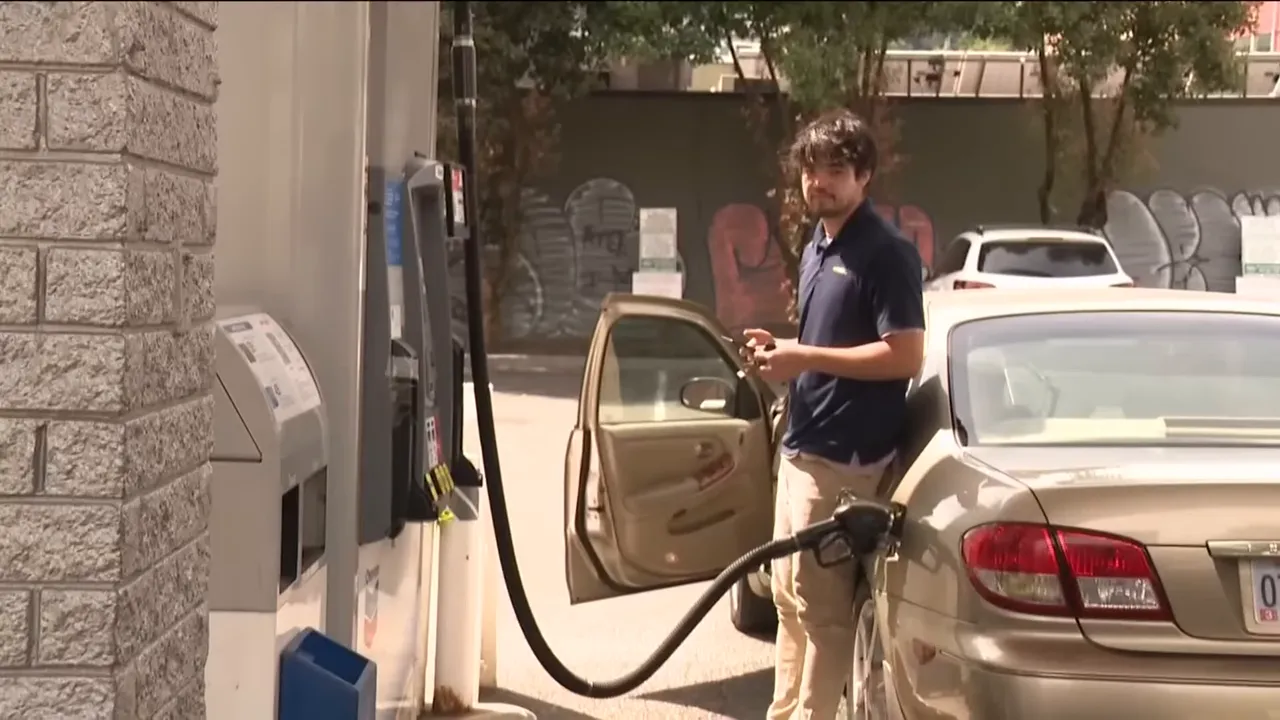
It is a small thing, but it says something larger about Portland. This place has its own habits, its own rhythms, and its own weirdly specific customs. Some are charming. Some are annoying. Most are manageable once we know what we are signing up for.
What all of this means for moving to Portland
If we are honest about it, moving to Portland makes a lot of sense for the right person.
- We want strong food and coffee culture
- We love access to outdoor recreation
- We can handle gray winters
- We are fine building community intentionally
- We care about neighborhood feel, not just house specs
- We understand that block by block differences matter here
Portland tends to reward people who like nuance. It is not a city that can be understood through stereotypes. If we come for the full picture and choose our neighborhood carefully, there is a lot to love.
If you want help turning these “hot takes” into a smart, personalized plan, I can walk you through neighborhoods, commute realities, and what to prioritize before you tour. Call or text 503-804-1466 to get started.
Prefer to talk first? Book a quick consultation and we’ll map out your next steps for moving to Portland with confidence.
FAQ: Moving to Portland
Is moving to Portland a good idea for everyone?
No. Moving to Portland works best for people who can handle long gray winters, want access to nature, and do not expect instant social openness or late night big city energy everywhere.
What is the hardest part of moving to Portland for most newcomers?
The combination of winter darkness and the social adjustment catches many people off guard. Portland can feel polite but not instantly welcoming, and the dark season is much more intense than summer visits suggest.
Is Portland actually friendly?
It is polite, considerate, and often helpful. But that does not always translate into quick friendship. We usually need to make the first move and build community through shared activities.
Should we move to Portland for the summer lifestyle?
Only if we know we can also handle winter. Summer is beautiful, but it is not the whole story. A smart decision about moving to Portland is based on whether the darker months still feel livable for us.
Are all Portland neighborhoods basically the same?
Not even close. Social vibe, walkability, visible street activity, housing style, density, and long term change potential can vary dramatically from one area to the next.
Is Portland unsafe or overhyped by the news?
Broad disaster narratives are overblown, but visible homelessness and related struggles are real. Most residential areas are quieter than national coverage suggests, yet some corridors do show clear signs of urban strain.
Read More: The 7 Best Areas to Buy in Portland for Luxury Buyers in 2026