Where Portland Homebuyers Are Moving in and Out Of
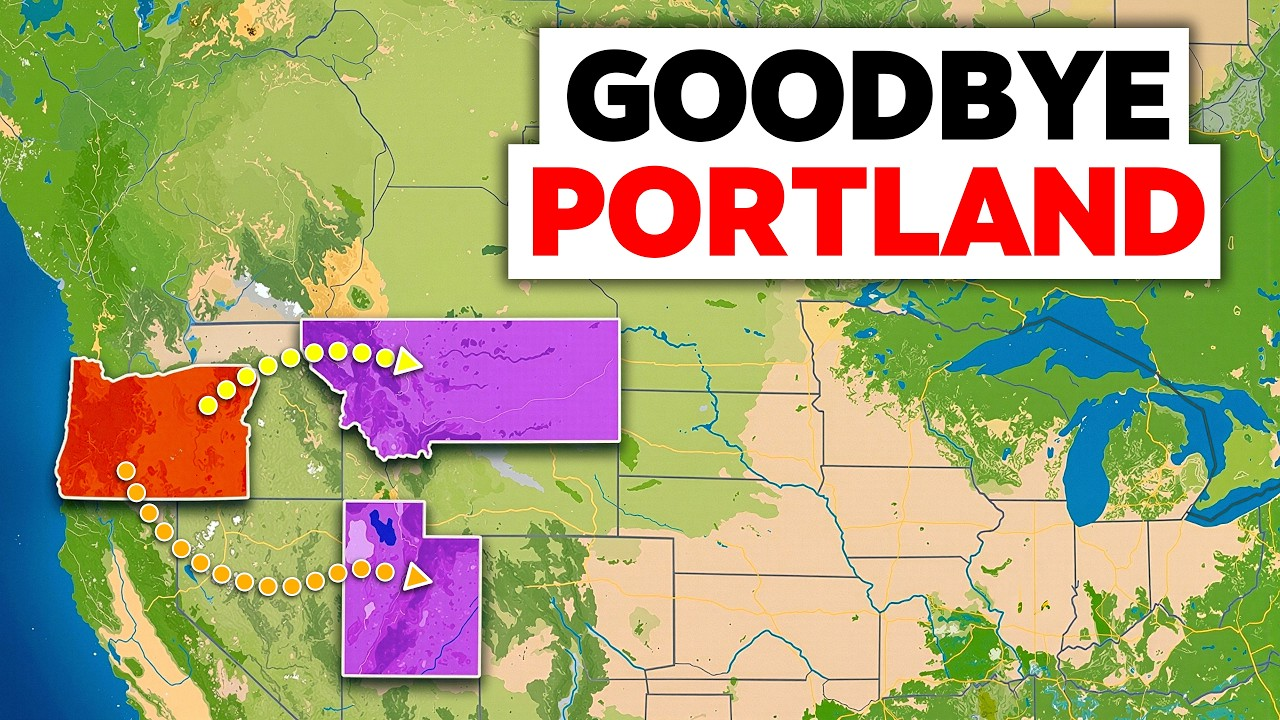
You may have heard the headlines. Portland lost people during the pandemic. Local businesses struggled. Homelessness became more visible. And let's be honest, the city hasn't exactly been on the president's favorite list. But here's the truth: people are still moving here. The real story is not that they're not coming, it's where they're choosing to land when they get here. And that's what's really shaping our housing market today.
I'm Anne Stewart, a local Portland broker with over 24 years of experience helping families relocate to the west side. I've earned over 100 5-star reviews on Google, and every year my team helps dozens of buyers navigate this market from Seattle, California, Arizona, and beyond. In this guide, I'm going to show you the surprising out-of-state markets sending the most buyers into Portland, the Portland suburbs and neighborhoods attracting the most newcomers, and the lifestyle trade-offs that are driving these choices right now.
Most relocation buyers ultimately choose the west side of Portland metro. Families gravitate toward suburbs like Beaverton , Tigard , and Sherwood . Executives and retirees push into prestigious areas like Lake Oswego and West Linn or high-tech areas like Hillsboro. Urban-seekers choose Northwest Portland and Southwest Portland . The key is knowing the trade-offs before you land so you can make confident decisions and avoid buyer's remorse.
Table of Contents
- The Migration Numbers: Who's Moving to Portland and Why
- Lake Oswego: Local Schools and Park Systems Over a Million
- West Linn: Quality Neighborhoods Just Under a Million
- Beaverton: Tech Workers and Families in the $600s
- Tigard: residential Suburbs with Good School Districts
- Sherwood: Larger Homes and Master-Planned Communities
- Wilsonville: Newer Construction and Freeway Access
- Northwest Portland: Walkable City Vibe and Older Charm
- Southwest Portland: Balance Between Space and Accessibility
- Which Portland Area Is Right for You?
- What Buyers Are Looking For and the Challenges They Face
The Migration Numbers: Who's Moving to Portland and Why
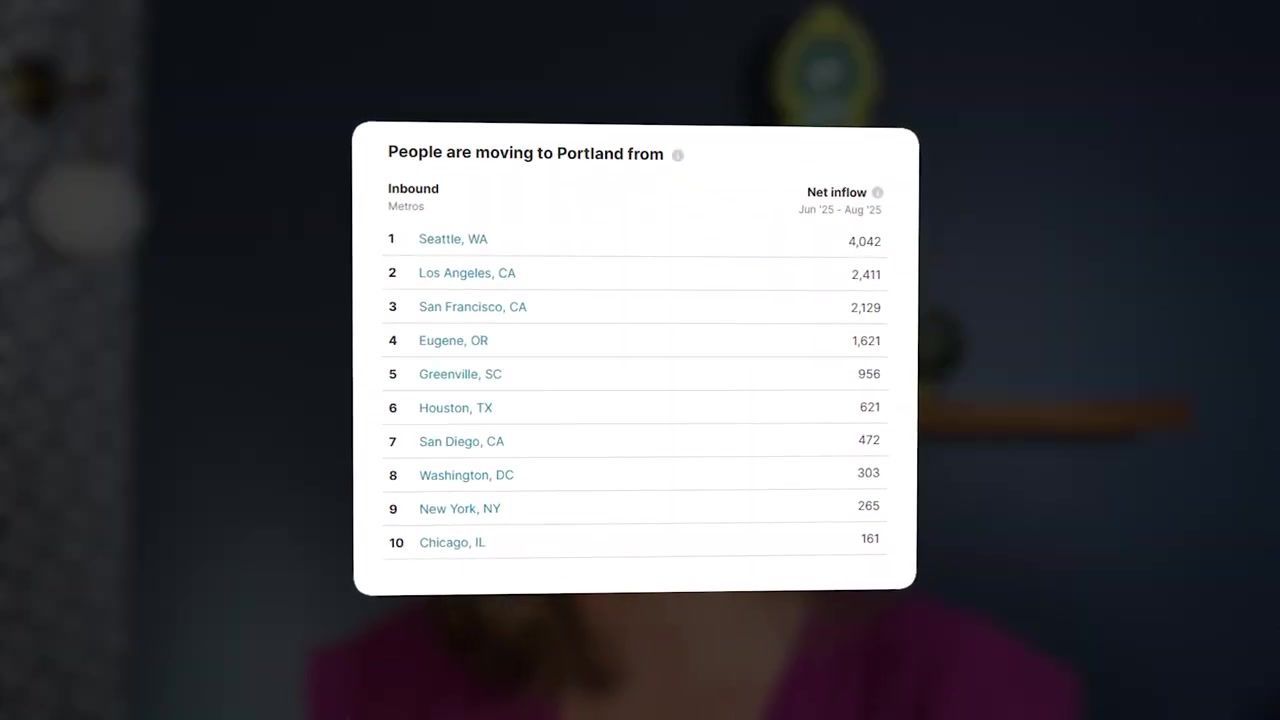
According to Redfin, between May and July of 2025, the top inbound markets were Seattle with right around 4,000 searches, Los Angeles about 2,400, San Francisco about 2,100, Phoenix and Arizona markets which continue to show strong demand, and then places like Texas and Florida with smaller numbers but noticeable trends. Each group of buyers comes with a different set of motivations.
Seattle buyers usually see Portland as a lifestyle continuation but at a slightly more affordable price point. Californian buyers, whether they're from San Francisco or Los Angeles, are often chasing that price relief. They love that Portland has the West Coast vibe but without the extreme housing costs. Arizona buyers are ready to escape desert heat for greener seasons. Texas buyers often are looking to get away from congestion, rapid growth, and extreme weather patterns. And Florida buyers are often retirees or remote professionals who just want cooler summers, outdoor recreation, and an overall slower pace of life.
Zoom out for a second and look at the bigger picture. According to the United Van Lines study of 2024, Oregon ranked number 8 in the country for inbound moves. That's a jump from number 12 the year before. To even qualify for that list, more than 55% of all moves have to be people coming into the state. So Oregon is officially considered a high inbound state. Shocking, right?
The study pointed to a few big drivers. One is affordability and quality of life. People want relief from high housing costs and dense urban living, but they don't want to sacrifice the lifestyle. Now, Oregon isn't exactly cheap. It has the 7th highest cost of living in the United States, and it's about 22% higher than the national average in housing. But when you compare it to places like California and New York, Portland and Oregon in general can still feel like a pretty good bargain.
For the first time in decades, the number one reason people gave for moving wasn't jobs or housing, it was wanting to be closer to family. 28% of people in this study said that was their top motivation, and I can tell you from being out in the field, that is a huge driver for people. Certain industries here, especially healthcare, are actively pulling in workers from out of state. Remote and hybrid work means a lot of people realize they didn't need to be locked into the biggest, most expensive metros, so they're choosing mid-sized cities like Portland that offer a balance of opportunity, affordability, and lifestyle.
Now it isn't all rosy here in Portland. Oregon's population is still growing, but at a slower pace than it has in decades past. In 2024, we actually saw what's called a natural decrease, meaning more deaths than births. Migration is what kept it positive, but that growth hasn't been even. Central Oregon, places like Deschutes County, Crook County, are booming. Meanwhile, some rural and coastal counties are actually shrinking.
Between 2020 and 2024, Portland metro had a negative domestic migration. We lost more than came in. The only reason our numbers held steady is because of international migration and natural increase. Depending on which report you're reading, the numbers can actually look different. That's because moving companies like United, Allied, or Atlas only track their own customers. Some even list Oregon as outbound heavy. The Census Bureau gives the most complete picture, and it shows Oregon is still net positive overall, just with slower, more uneven growth than in the past.
The biggest story is always and still California. Californians make up one of the largest outbound groups relocating to Oregon, and a big share of them head straight to the greater Portland metro area. One of my recent examples: a couple that sold 2 California properties for nearly $2.7 million and then bought a much larger home right here in Portland from us for only $750,000. That is a massive lifestyle upgrade, and they did it as cash buyers. That's really common. Many late movers from California arrive with strong equity, which makes them really competitive in our market.
But it's not just California, you guys. We're seeing Washington State, which continues to be a big feeder market, with buyers often looking for lifestyle shifts, sometimes getting a little more space, sometimes affordability compared to Seattle. Some say it's about just being closer to family. We're also seeing a lot of Arizona, Texas, and even Florida. These buyers are usually pretty motivated by what's happening with their climate or their cost of living going up and lifestyle balances. Think about it: if you're living in extreme heat or high-growth congested metros, Portland's green seasonality and slower pace can feel like a reset from all that type of growth.
Lake Oswego: Local Schools and Park Systems Over a Million
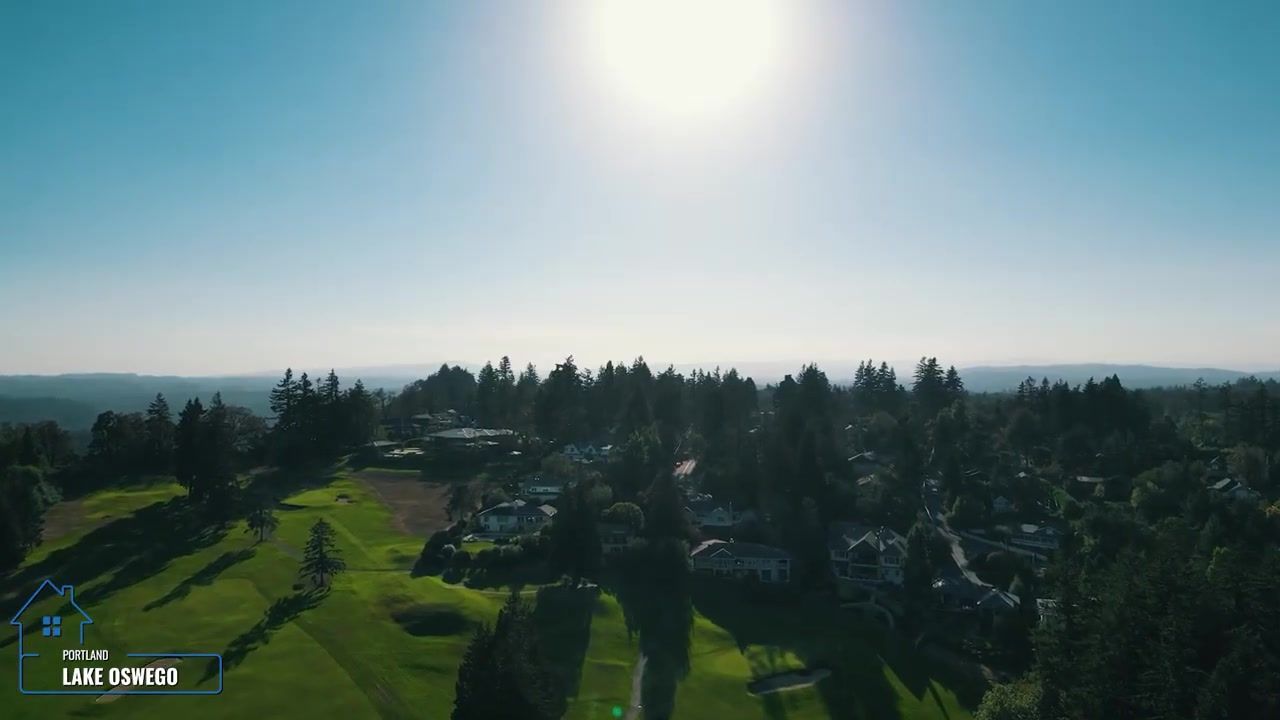
Lake Oswego typically attracts higher income professionals looking for that quality neighborhood. The median home price sits well over a million. People are drawn here for the schools, the beautiful park systems, the tight-knit communities they hear about. The lifestyle here is pretty hard to beat.
The trade-off though is that we have limited inventory and higher property taxes. When desirable properties do come on the market, especially if they're walkable or in good locations, those can still, believe it or not, even in this changing market see multiple offers, and sometimes you have to make fast decisions. For relocation clients, that can be stressful, especially when you're buying remotely and relying on FaceTime tours and digital closings.
Out-of-state buyers from places like California or New York often look at a $700,000 to $900,000 home and they're like, whoa, it is a bargain here. But for locals, those numbers can feel steep. And in Lake Oswego, you're looking at well over a million for a home that doesn't need a full overhaul. Helping people understand which neighborhoods give them the best long-term value is a big part of what we do to help you relocate here.
One of the biggest requests we hear is for one-level or main-level living, especially with baby boomers downsizing or retirees relocating here. The ability to live comfortably without worrying about stairs is huge. The challenge is that Portland has a very limited supply of true single-level homes. And when they do come on the market in Lake Oswego, they're usually extremely competitive and sell for more than their 2-story counterparts. I wish we had more.
West Linn: Quality Neighborhoods Just Under a Million
West Linn sits just under a million for the median home price. Like Lake Oswego, it attracts higher income professionals and families drawn to strong schools, parks, and tight-knit communities. The neighborhoods here feel prestigious without quite hitting that Lake Oswego price point, but you're still paying a premium for the lifestyle.
The same trade-offs apply: limited inventory, higher property taxes, and competitive market conditions. If you're looking in West Linn in the mid-$500s, you can't find something that doesn't need a full overhaul, if that. It can be really frustrating for some of our buyers who are adjusting to what they see sometimes online and what they're actually getting. Depending on different pockets, your budget will have to be fitting in the areas that you're looking in.
West Linn is popular with executives and retirees who want that quality area neighborhood and are willing to pay for it. The schools are a big draw for families, and the park systems offer that Pacific Northwest lifestyle people are chasing when they move here from California, Arizona, or Texas. But you're trading affordability for prestige, and that's something to keep in mind as you're assessing your move.
For those chasing a lifestyle change, whether that's walkability, getting more space, or just being closer to family, our job is to show you where your dreams line up with reality and to help make those compromises in a way that still feels like you're winning, not settling.
Beaverton: Tech Workers and Families in the $600s
Beaverton is a magnet for people coming into the tech world, working at Nike, Intel, and all those companies in that hub area. The median sales price sits in the $600s, which makes it a little more affordable than Lake Oswego or West Linn. Buyers love the school districts, the newer construction, and the fact that there's still some public transportation.
Some of the downsides are you're still going to be dealing with maybe traffic, being deeper into the suburbs. It can feel like density all over the place. But if you're a residential suburb seeker who wants good school districts and newer construction options, Beaverton offers a balance of affordability and amenities without the Lake Oswego price tag.
Beaverton is one of those areas where most relocation buyers ultimately choose the west side. Families gravitate toward suburbs like this because they offer that quality of life without the million-dollar entry point. You're still close enough to the city for work, shopping, and amenities, but you're getting more house for your money.
The challenge is we can have some really limited inventory. Portland is still a very competitive market in a lot of ways, and the desirable properties, especially if they're walkable or in good communities and locations, can still see multiple offers. For our relocation clients, there's also the logistics of buying remotely. Many of you rely on our FaceTime tours, remote offers, and digital closings. It works, but it can be stressful, especially in a market where homes can move quickly depending on what you're buying.
Tigard: residential Suburbs with Good School Districts
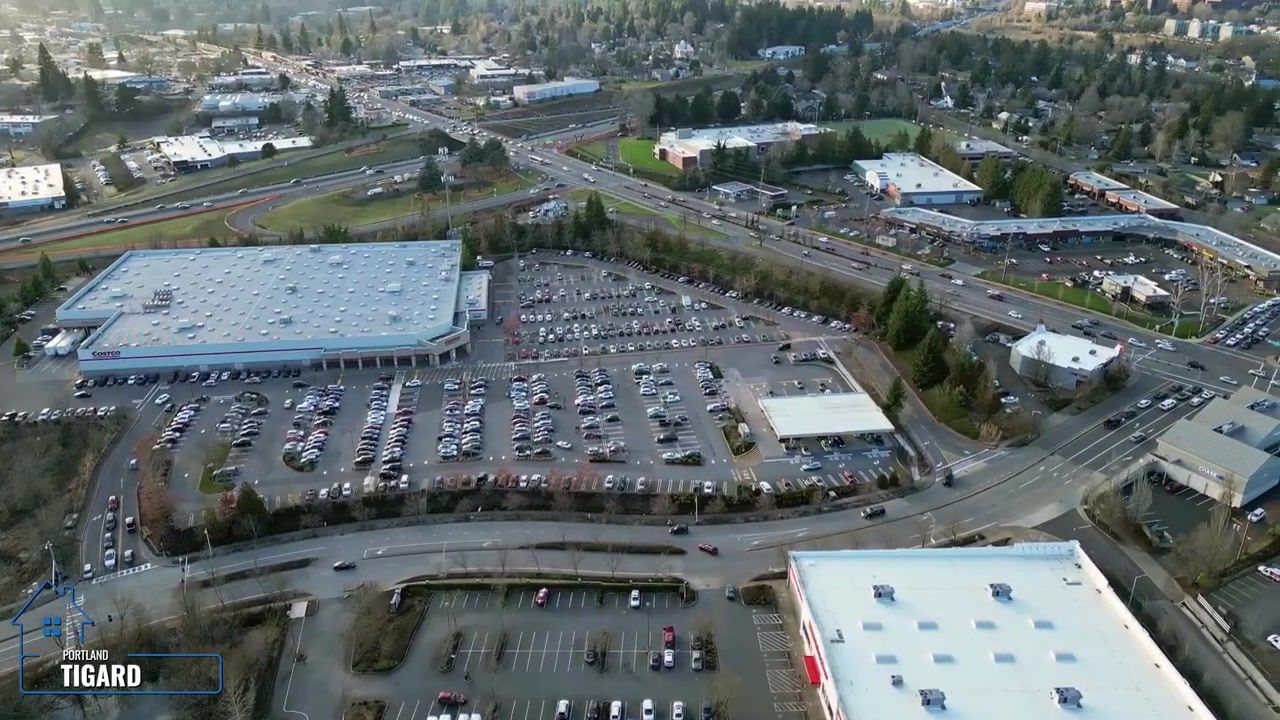
Tigard sits right alongside Beaverton in the $600s median price range. It's another residential suburb that attracts tech workers and families looking for that balance of affordability and amenities. You get good school districts, newer construction options, and public transportation access.
The same trade-offs apply: traffic, density, and being deeper into the suburbs. But if you're prioritizing affordability over prestige and you want a newer home with a good layout, Tigard is one of those areas where you can find what you're looking for without the Lake Oswego or West Linn price tag.
Tigard is popular with buyers who are moving here from Seattle, California, or Arizona and want that West Coast vibe without the extreme housing costs. You're still close to the freeway systems, and your commute is something to keep in mind, but you're getting more house for your money than you would in the prestigious markets.
Many buyers want to ditch the car. They want to walk, they want to bike, they want to be close to the coffee shops, the parks, the grocery stores. Tigard has some walkable pockets, but it's not as walkable as Northwest or Southwest Portland. You're trading walkability for space and affordability, and that's a trade-off a lot of families are willing to make.
Sherwood: Larger Homes and Master-Planned Communities

Sherwood sits at a $650,000 median, and you can get a lot larger home with a really good layout. These are newer master-planned communities, and a lot of young families and even retirees are finding their next homes in these areas. You've got parks, you're close to the wineries, you're still fairly close to the freeway systems, and your commutes are something to keep in mind.
You're gonna likely pay an HOA. That's one of the trade-offs. But if you want a larger home with a bigger lot and a quieter feel while still keeping you close enough to the city for work, shopping, and amenities, Sherwood offers that balance between space and accessibility.
Sherwood is popular with buyers who want more space without being too disconnected from the city. Some people want acreage, or they want a lot of privacy, bigger lots, but they don't want to be really, really far out and disconnected. Sherwood gives you that balance. You're still close to the freeway systems, and you're not sacrificing too much in terms of commute or access to amenities.
One of the biggest requests we hear is for one-level or main-level living, especially with baby boomers downsizing or retirees relocating here. Most new construction favors the multi-level layouts and 2-story, even 3-story. So long-term homeowners are trying to find that main level living, and that makes them one of the most competitive property types in our metro. Sherwood has some newer construction, but you're still going to be looking at multi-level layouts in most cases.
Wilsonville: Newer Construction and Freeway Access
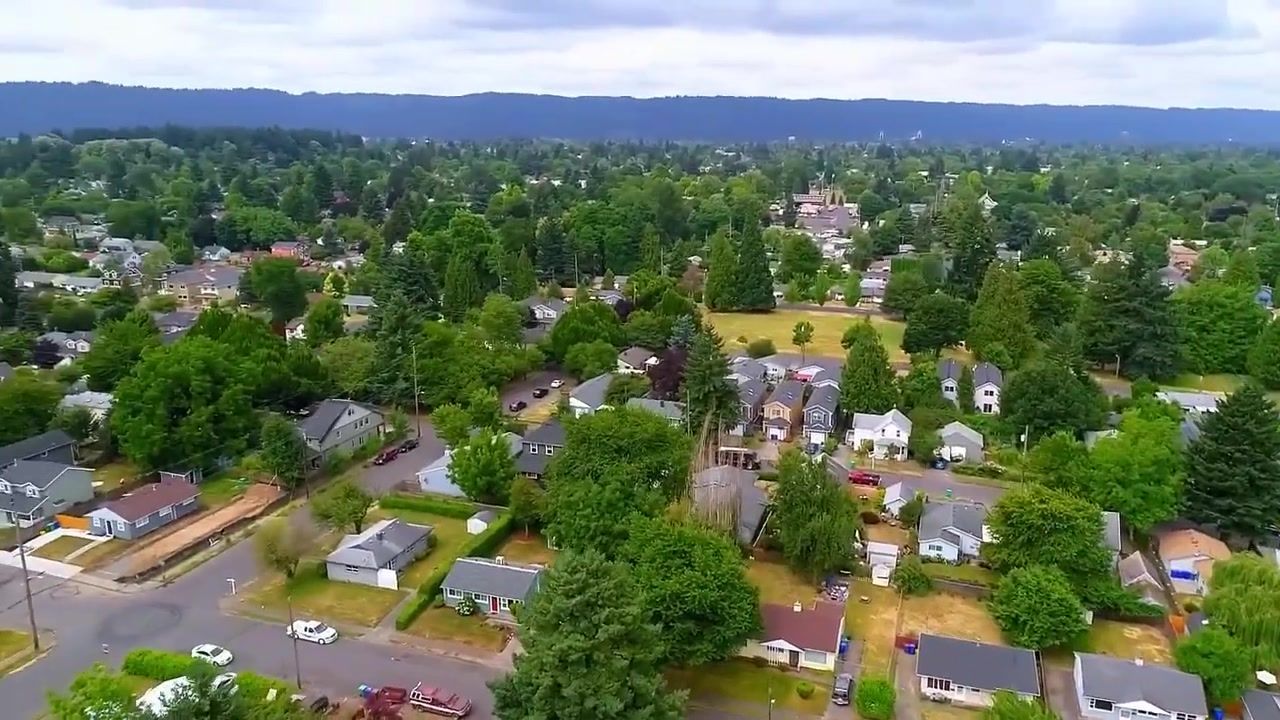
Wilsonville sits right alongside Sherwood at a $650,000 median. You can get a lot larger home with a really good layout, and these are newer master-planned communities. A lot of young families and even retirees are finding their next homes in these areas. You've got parks, you're close to the wineries, you're still fairly close to the freeway systems.
You're gonna likely pay an HOA. That's one of the trade-offs. But if you want a larger home with a bigger lot and a quieter feel, Wilsonville offers that balance between space and accessibility without being too disconnected from the city.
Wilsonville is popular with buyers who are moving here from out of state and want that newer construction feel. You're getting a home that doesn't need a full overhaul, and you're getting a layout that works for families or retirees who want main-level living. The challenge is that most new construction still favors multi-level layouts, so if you're looking for a true single-level home, you're going to be competing with a lot of other buyers.
Wilsonville is one of those areas where you're trading a longer commute for more space and newer construction. If you're working in the tech hub or downtown Portland, your commute is something to keep in mind. But if you're remote or hybrid, Wilsonville offers that balance of space and accessibility that a lot of relocating buyers are looking for.
Northwest Portland: Walkable City Vibe and Older Charm
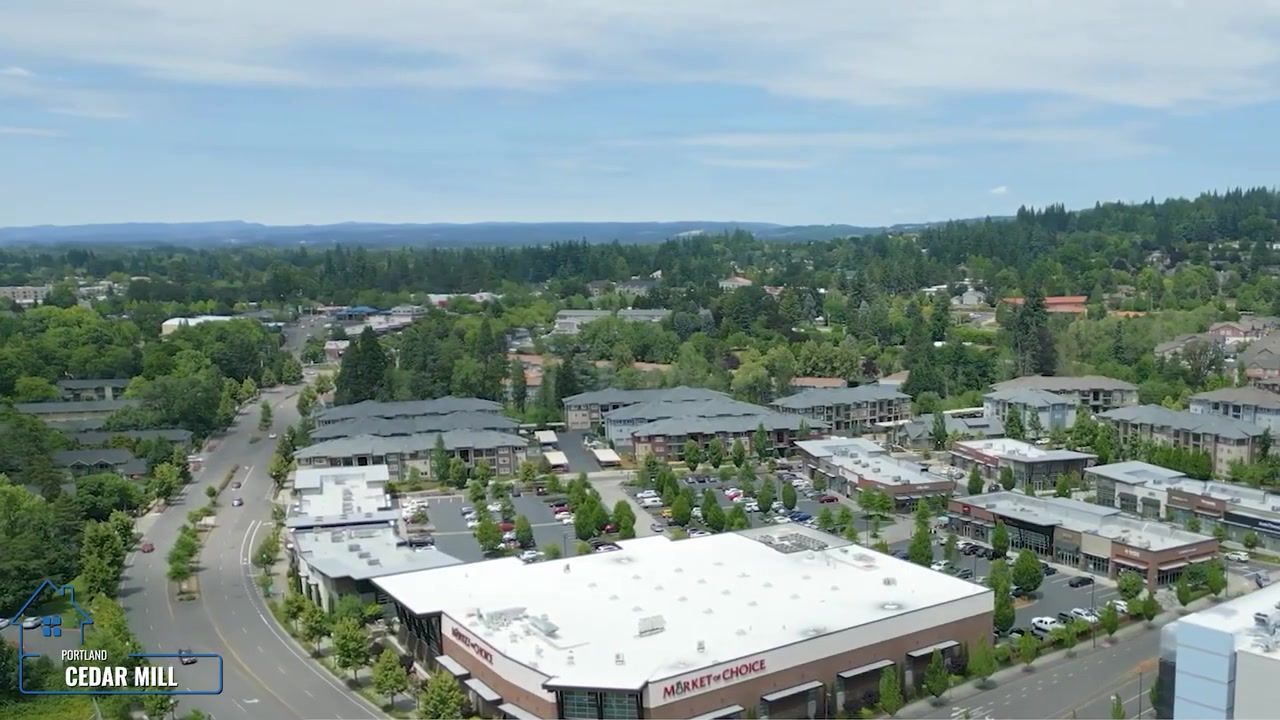
Northwest Portland is more walkable. You got the coffee shops, the boutiques, you got that vibrant street life, and you're going to be paying for that. If you're looking in Northwest Portland, you're going to get the charm. The neighborhoods are going to be older. You may not have sidewalks, but again, you're going to be trading off a little bit of something to get something else.
Northwest Portland includes the Alphabet District and the Pearl District. These are popular with buyers seeking a walkable lifestyle near parks, grocery stores, and coffee shops. Many buyers want to ditch the car. They want to walk, they want to bike, they want to be close to the amenities. Northwest Portland gives you that city vibe without having to drive everywhere.
The trade-off is you're paying a premium for location. The neighborhoods are older, and you may not have the infrastructure you'd get in a newer suburb. But if you're moving here from a dense urban area like San Francisco or Los Angeles and you want that walkable lifestyle, Northwest Portland offers that without the California price tag.
For those who want that city vibe, Northwest Portland is one of those areas where you're trading space for walkability. You're not going to get the bigger lots or the newer construction you'd find in Sherwood or Wilsonville. But you're getting that vibrant street life and the ability to walk to everything, and for a lot of buyers, that's worth the trade-off.
Southwest Portland: Balance Between Space and Accessibility
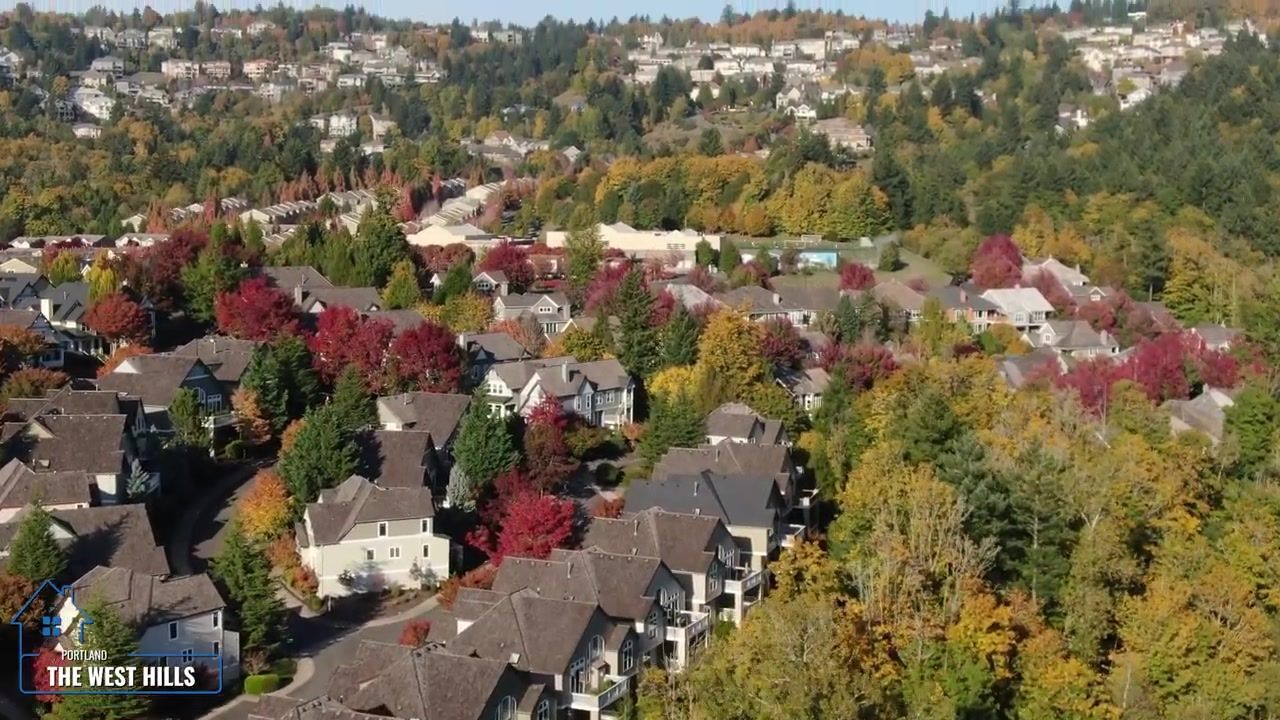
Southwest Portland offers a balance between space and accessibility. You can find bigger lots while staying close to the city. It's popular with buyers who want walkability but also want a little more space than you'd get in Northwest Portland. The neighborhoods are older, and you may not have sidewalks, but you're getting that charm and that balance between accessibility and privacy.
Southwest Portland has some walkable pockets, but it's not as walkable as Northwest Portland. You're trading a little bit of walkability for bigger lots and more space. Some people want acreage, or they want a lot of privacy, but they don't want to be really, really far out and disconnected. Southwest Portland gives you that balance.
The neighborhoods here are older, so you're going to be dealing with older infrastructure. But if you're moving here from California or Arizona and you want that West Coast vibe with a little more space, Southwest Portland offers that without the Lake Oswego or West Linn price tag.
Southwest Portland is popular with buyers who want that city vibe but also want some space. You're not going to get the newer construction you'd find in Sherwood or Wilsonville, but you're getting bigger lots and that balance between space and accessibility. And for a lot of buyers, that's exactly what they're looking for.
Which Portland Area Is Right for You?
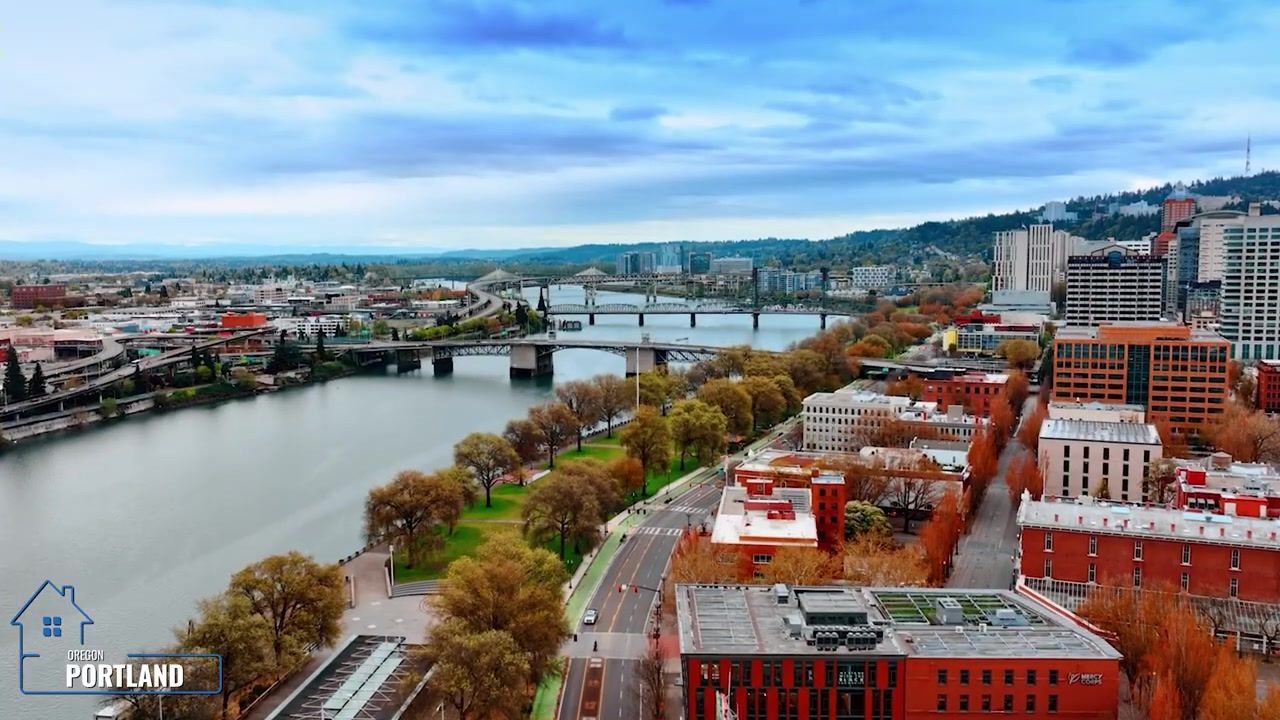
Most relocation buyers ultimately choose the west side of Portland metro. The question is which area fits your lifestyle and budget. Here's how the trade-offs break down based on what I see with my clients week after week.
Choose Lake Oswego or West Linn if you're a higher income professional or retiree who wants prestigious neighborhoods, strong schools, and beautiful park systems. You're going to pay well over a million in Lake Oswego or just under a million in West Linn, and you're going to deal with limited inventory and higher property taxes. But the lifestyle here is hard to beat, and the tight-knit communities are a big draw for families and executives.
Choose Beaverton or Tigard if you're a family or tech worker who wants good school districts, newer construction, and public transportation access in the $600s. You're going to deal with traffic and density, and you're deeper into the suburbs. But you're getting more affordability than Lake Oswego or West Linn, and you're still close enough to the city for work and amenities.
Choose Sherwood or Wilsonville if you want larger homes, bigger lots, and newer master-planned communities in the $650,000 range. You're going to pay an HOA, and your commute is something to keep in mind. But you're getting that balance between space and accessibility without being too disconnected from the city. These areas are popular with young families and retirees who want more space and newer construction.
Choose Northwest Portland if you want that walkable city vibe with coffee shops, boutiques, and vibrant street life. You're going to pay a premium for location, and the neighborhoods are older with infrastructure trade-offs. But you can ditch the car and walk to everything, and for buyers moving from dense urban areas like San Francisco or Los Angeles, that's worth the trade-off.
Choose Southwest Portland if you want a balance between space and accessibility with bigger lots while staying close to the city. The neighborhoods are older, and you may not have sidewalks, but you're getting that charm and that balance between city vibe and privacy. It's popular with buyers who want walkability but also want more space than Northwest Portland offers.
If affordability is your top priority on the west side, Hillsboro has an average sales price right around $515,000 to $550,000. Some parts feel more suburban or industrial, and schools don't rank quite as high as Lake Oswego. But if you're looking to be on the west side and you want the most affordable entry point, Hillsboro is worth considering.
What Buyers Are Looking For and the Challenges They Face

Buying or selling in Portland today isn't just about price. It's about understanding the migration patterns, lifestyle shifts, and where demand is really landing. From Californians coming in or Seattle people moving down, these trends are shaping our market every single day.
One of the biggest requests we hear is for one-level or main-level living, especially with baby boomers downsizing or retirees relocating here. The ability to live comfortably without worrying about stairs is huge, and the challenge is that Portland has a very limited supply of true single-level homes. And when they do come on the market, they're usually extremely competitive and sell for more than their 2-story counterparts. Most new construction favors the multi-level layouts and 2-story, even 3-story. So long-term homeowners are trying to find that main level living, and that makes them one of the most competitive property types in our metro.
Another top priority is walkability and just the convenience of being around things. Many buyers want to ditch the car. They want to walk, they want to bike, they want to be close to the coffee shops, the parks, the grocery stores. That's why neighborhoods like Southwest Portland, Northwest Portland, or downtown like the Alphabet District and Pearl District really do play a role in people's searches.
For others, it's all about finding the right balance between space and accessibility. Some people want acreage, or they want a lot of privacy, bigger lots, but they don't want to be really, really far out and disconnected. Places like Sherwood and Southwest Portland are popular because they offer bigger lots and a quieter feel while still keeping you close enough to the city for work, shopping, and amenities.
Out-of-state buyers from places like California or New York often look at a $700,000 to $900,000 home and they're like, whoa, it is a bargain here. But for locals, those numbers can feel steep. Portland's average sales price sits in the mid-$500s, but Lake Oswego and West Linn require much higher budgets. Helping people understand which neighborhoods give them the best long-term value is a big part of what we do to help you relocate here.
The challenge is we can have some really limited inventory. Portland is still a very competitive market in a lot of ways, and the desirable properties, especially if they're walkable or in good communities and locations, can still, believe it or not, even in this changing market see multiple offers, and sometimes you have to make fast decisions. For our relocation clients, there's also the logistics of buying remotely. Many of you rely on our FaceTime tours, remote offers, and digital closings. It works, but it can be stressful, especially in a market where homes can move quickly depending on what you're buying. Buyers often feel like they're making this big decision without the luxury of sometimes seeing things in person or going through the inspection process in person.
Buyers aren't just asking, what can I afford? They're asking, does this neighborhood feel like me? For some, that means being near Oregon wine country. For others, it's a residential community with local schools. And for a growing number of people, it's finding a walkable pocket of the city where they can enjoy Portland. The key is people moving to Portland aren't just chasing square footage or the lowest price. They're really after a way of life that matches their values and priorities. And that's what makes this market so unique. As we always like to say, there's something for everybody.
I know how overwhelming it can feel because we do have limited inventory in some regards. We have fierce competition at times, and the trade-offs between your lifestyle and your budget, you just don't want to waste your time on the wrong homes. That's exactly why we do what we do. We've helped dozens of families this year relocate from all over the country, California, Washington, all the places I've talked about, and it's really important that we help you cut through the noise, understand your real options, and land in a home that truly fits your life.
If Portland is on your radar, let's talk. Whether you're out by a few weeks or a few months, it's never too early to get started. Reach out to us, we'll walk you through your goals, we'll make sure you're touring the right neighborhoods, and we'll make sure that you make a solid decision when you move to Portland. Do not miss our free relocation Portland guide. It's packed with everything you need to know before buying here, and it's really going to help you out as you're assessing your move.
Frequently Asked Questions
Where are most Portland homebuyers relocating from?
According to Redfin, the top inbound markets are Seattle with around 4,000 searches, Los Angeles about 2,400, San Francisco about 2,100, and Phoenix along with Arizona markets showing strong demand. We're also seeing buyers from Texas and Florida, often retirees or remote workers chasing cooler summers and outdoor recreation.
Why are people still moving to Portland despite the headlines?
Oregon ranked number 8 nationally for inbound moves in 2024, up from number 12 the year before. The biggest drivers are affordability compared to California and New York, wanting to be closer to family, remote work flexibility, and lifestyle fit. Portland offers a West Coast vibe with green seasonality and a slower pace without the extreme housing costs of San Francisco or Los Angeles.
Which Portland neighborhoods attract the most relocating buyers?
Most relocation buyers choose the west side. Families gravitate toward Beaverton, Tigard, and Sherwood for good school districts and newer construction in the $600s to $650,000 range. Executives and retirees push into Lake Oswego and West Linn for prestigious neighborhoods and strong schools, with median prices well over a million or just under. Urban-seekers choose Northwest and Southwest Portland for walkability and city vibe.
What is the median home price in Portland suburbs right now?
Portland's average sales price sits in the mid-$500s. Lake Oswego is well over a million, West Linn just under a million, Beaverton and Tigard in the $600s, and Sherwood and Wilsonville around $650,000. Hillsboro offers the most affordable west side entry point at $515,000 to $550,000. In Lake Oswego or West Linn, you can't find something in the mid-$500s that doesn't need a full overhaul.
Are single-level homes hard to find in Portland?
Yes. One of the biggest requests we hear is for one-level or main-level living, especially with baby boomers and retirees. Portland has a very limited supply of true single-level homes, and when they do come on the market, they're usually extremely competitive and sell for more than their 2-story counterparts. Most new construction favors multi-level, 2-story, even 3-story layouts.
What are the biggest challenges for out-of-state buyers relocating to Portland?
Limited inventory, especially for single-level homes and walkable properties in good locations. Price versus value perception, California and New York buyers see $700,000 to $900,000 as a bargain, but locals find it steep. Logistics of buying remotely with FaceTime tours and digital closings. And desirable properties can still see multiple offers even in this changing market, so you have to make fast decisions without always seeing things in person.