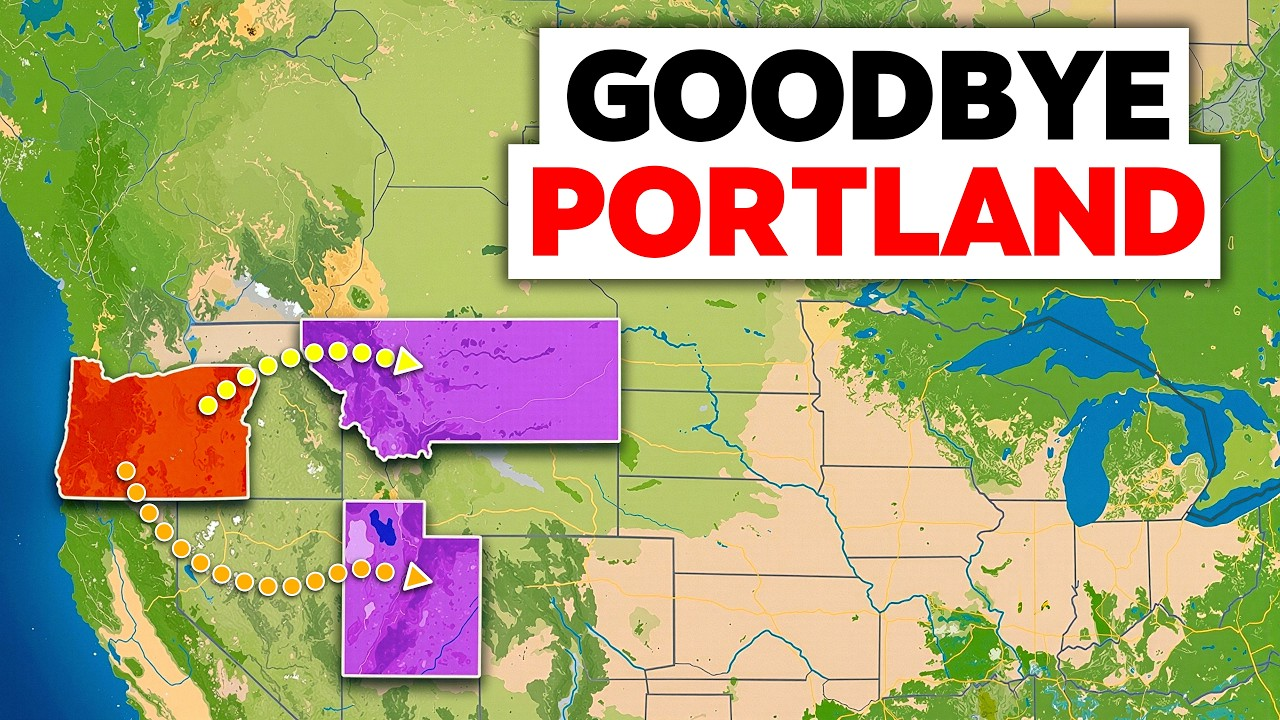
Portland can look incredibly attractive on paper. Compared with many major West Coast cities, the purchase price can feel like a bargain. But a stable-looking market headline or an online mortgage calculator does not tell you what it actually costs to stay in the house.
That is where payment shock comes in.
For anyone moving to Portland, the real risk is not always the offer price or even the interest rate. It is the local costs that show up after you have fallen in love with a home, written the contract, and started planning your move. Insurance scrutiny, property tax reassessments, condo carrying costs, and aging systems can all turn what looked like a manageable payment into a much different monthly reality.
Portland is not one market, and smart buyers need to evaluate a property far beyond its list price.
Portland Is A Market Of Micro Markets
As of February 2026, the Portland-area median sale price sits around $545,000. That number can sound very appealing, especially for buyers arriving from higher-priced West Coast metros. But it is only a citywide snapshot. It does not tell you what your preferred neighborhood, property type, insurance profile, tax bill, or future maintenance needs will look like.
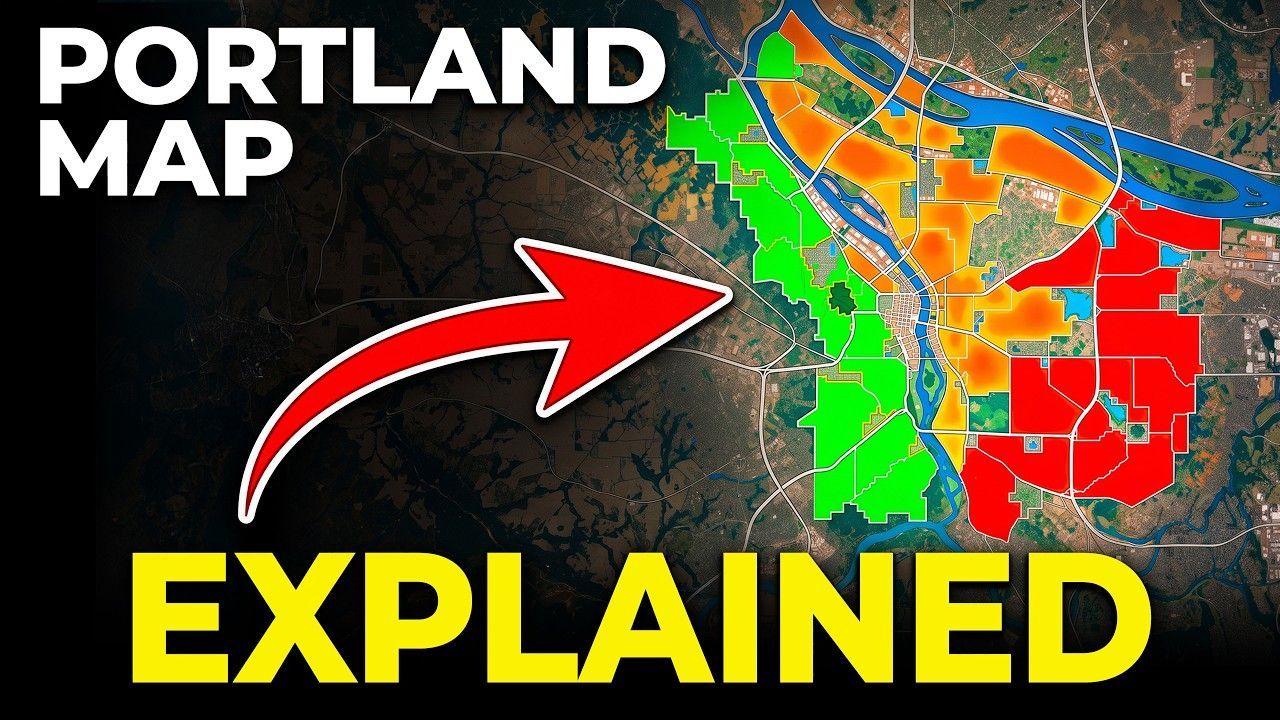
There are dramatically different pricing realities across Portland. Downtown Portland has seen median sales prices around $285,000, largely because there is substantial condo inventory. A few miles away, Northeast Portland has a median around $850,000, with houses still drawing multiple offers. On the west side, a one-level home can command 10% to 20% more than a comparable two-story property because demand is so strong.
This is why citywide averages are dangerous if you are timing a purchase or setting a budget. The real price of Portland is local. A lower-cost condo downtown may come with higher association expenses or insurance complications. A seemingly modest one-level home may bring intense competition. An older home in a historic pocket may have a completely different insurance profile than a newer property a few neighborhoods away.
And that is before you get to the ongoing carrying costs.
Ownership costs are not one-size-fits-all. Historic areas can have higher insurance premiums because replacement-cost assumptions are different. Some locations carry heavier tax line items. Condos may offer an appealing entry price but have carrying costs that vary wildly. The market may feel calmer overall, but in the pockets where people most want to live, it can still feel very competitive.
Homeowners Insurance Can Change The Math
Homeowners insurance is one of the biggest sources of surprise right now. For most properties within Portland proper, wildfire exposure is not the primary concern. But insurance companies are scrutinizing properties more carefully, and that scrutiny can show up during the purchase or shortly after closing.
One recent example was an inner Southeast Portland home. The insurance had been quoted before closing, the buyer moved in, and then about 30 days later the insurance company conducted a standard drive-by inspection. The buyer received a notice requiring trees and bushes to be cut back immediately or the policy could be canceled.
This was not a rural property in a remote location. It was a home in the middle of a Southeast Portland neighborhood. The buyers had to quickly hire landscapers and submit photos to keep their coverage in place.
That does not mean this will happen to every buyer. It does show how much more closely insurers may evaluate a property after purchase. Waterfront homes, condos, rural homes, and older properties may receive more attention, but even a property that looks ordinary can raise questions.
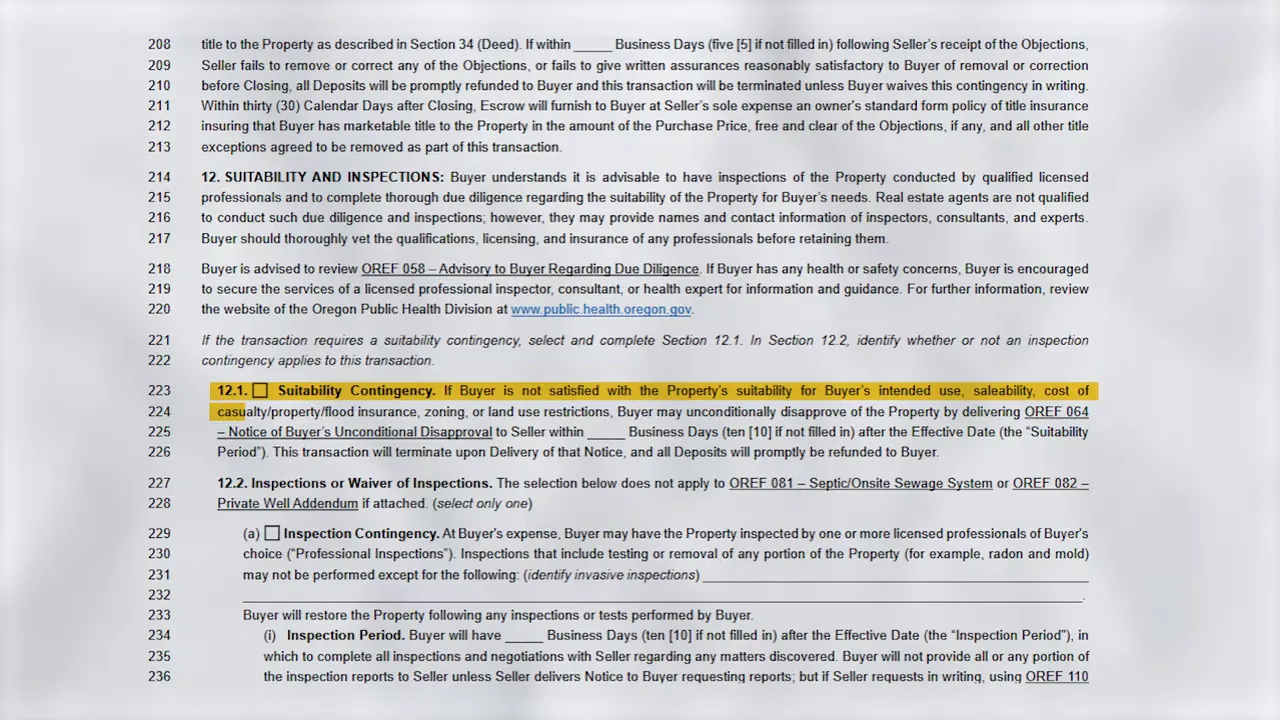
Use The Insurance Suitability Period
Oregon sale agreements now include an insurance suitability provision. This is a meaningful protection because it gives buyers an opportunity to shop coverage early, rather than waiting until the last minute before closing.
Do not treat this as a minor contract detail. Get actual insurance quotes as soon as possible. If you cannot get coverage, or the premium is dramatically higher than your budget assumed, you need to know while you still have the ability to make an informed decision about the purchase.
Historic Homes Need A Closer Look
Portland has no shortage of 100-plus-year-old homes, and there is a lot to love about a vintage bungalow. But before falling in love with the charm, look at the bones.
Insurance carriers may ask for specific information about:
- The age and remaining life of the roof
- Whether plumbing has been updated or still includes galvanized pipes
- The electrical system, especially knob-and-tube wiring
- The overall condition of major systems
A roof with only a few years of expected life remaining can be a problem. Knob-and-tube wiring is particularly important because some insurers do not want to write coverage on it at all. Homes that were easy to insure just a couple of years ago may receive a very different response today.
Property Taxes And The Omitted Property Tax Trap
Property taxes are the silent driver behind many unexpected payment increases. Portland buyers often hear about Oregon Measure 50, which was adopted in 1997 to create more predictability in property taxation.
At its core, Measure 50 limits annual growth in a property’s maximum assessed value to 3%. That can sound reassuring. But the important point is that the 3% cap is not an unbreakable rule for every situation.
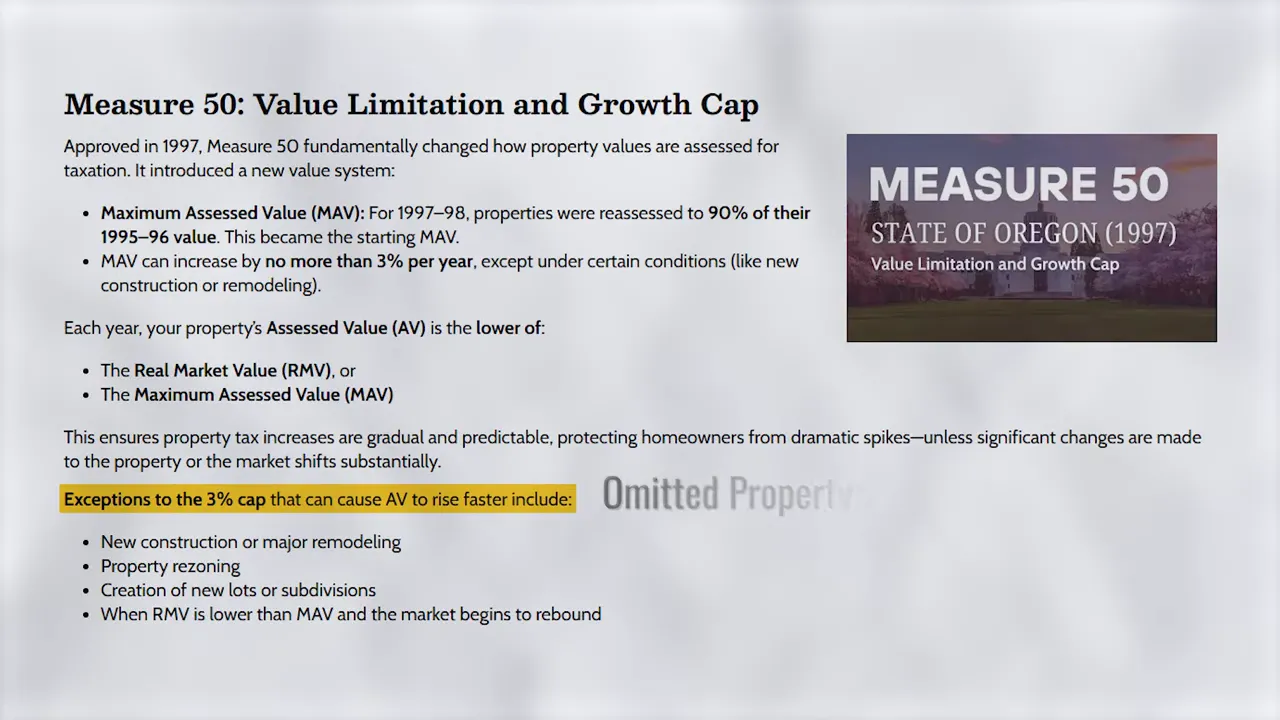
There are exceptions events, sometimes described as an omitted property tax trap. Major permitted work can trigger a reassessment. Think about a finished basement, a substantial addition, or significant permitted improvements that may not yet be fully reflected in the tax bill.
If a lender estimates your escrow account based on an older tax bill and the county later catches up with the improvements, you can receive a shortage notice after closing. At that point, you may be paying the higher ongoing tax amount and making up for an earlier undercollection at the same time.
That is how a monthly mortgage payment can jump by hundreds of dollars without a change to the interest rate.
This is especially important for higher-end buyers. In certain West Hills pockets, annual property tax bills can exceed $30,000. Some can reach $50,000 or $60,000 a year. A beautiful estate may fit the purchase budget but fail the sustainable ownership-cost test once property taxes are factored in.
The lesson is simple: do not rely on an old tax bill alone. Review improvements, permits, current assessed values, and the possibility that the property could be subject to a reassessment.
The Middle Age Home Trap
We all know a 1920s house may need updates. We also understand that new construction usually comes with newer systems. The danger zone is often the middle-age home, generally properties built from the late 1970s through the mid-2000s.
These homes can look updated enough to feel safe. They do not have the immediate concern of knob-and-tube wiring, and they may have a layout that works beautifully. But many are entering their first major wave of system failures.
A home built in the late 1990s with original systems is not necessarily a bargain. It may be a countdown clock.
Within the first year or two, buyers may be facing major capital expenditures involving:
- Roofs that are approaching the end of their economic life
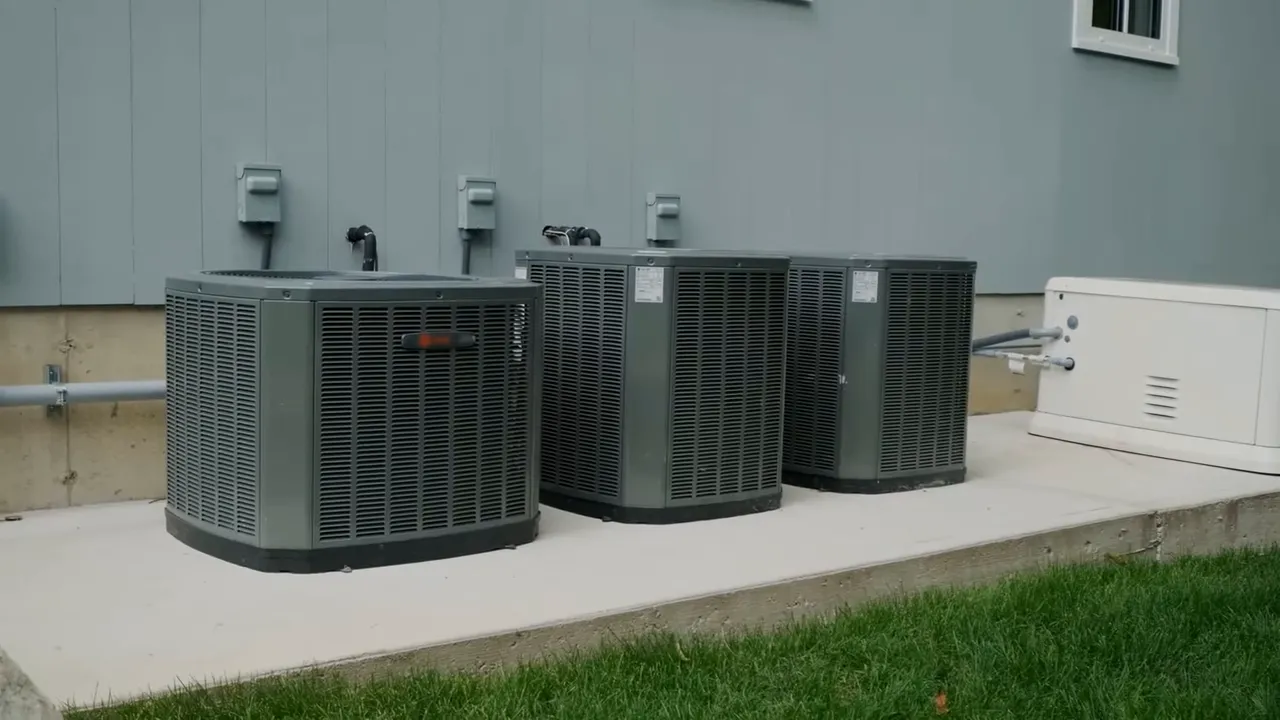
- HVAC systems that have lasted a long time but are nearing replacement
- Water heaters and other original mechanical systems
- Outdated kitchens, bathrooms, flooring, and finishes
- Structural or deferred-maintenance issues hidden behind cosmetic updates
Cosmetic upgrades alone can cost $30,000, $50,000, $60,000, or even $100,000, depending on the scope. Add in roofing, HVAC, or structural needs, and a $650,000 home from the 1990s may not be the deal it initially appears to be.
During a walkthrough, look beyond the floor plan and the paint colors. Check the labels and timestamps on furnaces and water heaters. Ask how old the roof is and whether it has meaningful remaining life. Look for the systems that may be expensive before you spend hundreds or thousands of dollars on inspections for a property that may not truly fit the budget.
A home inspection is still essential. But inspection findings do not guarantee a seller will bring an older property to current code or replace every aging item. Buyers need to decide whether they can comfortably take on those costs after closing.
A Four Step Plan To Avoid Payment Shock
The goal is not to create fear around buying a home in Portland. The goal is to make the monthly lifestyle sustainable and eliminate the unpleasant surprises that can derail a great move.
1. Model A Payment With A Reality Buffer
Do not run numbers using only today’s interest rate and a basic online estimate. Build in a range. What happens if insurance is $100 more per month than expected? What if escrow changes? What if you buy near the top of your comfort zone?
Start by getting financing in order, then establish a monthly payment range that still feels comfortable when the numbers are not perfect.
2. Shop Insurance Early
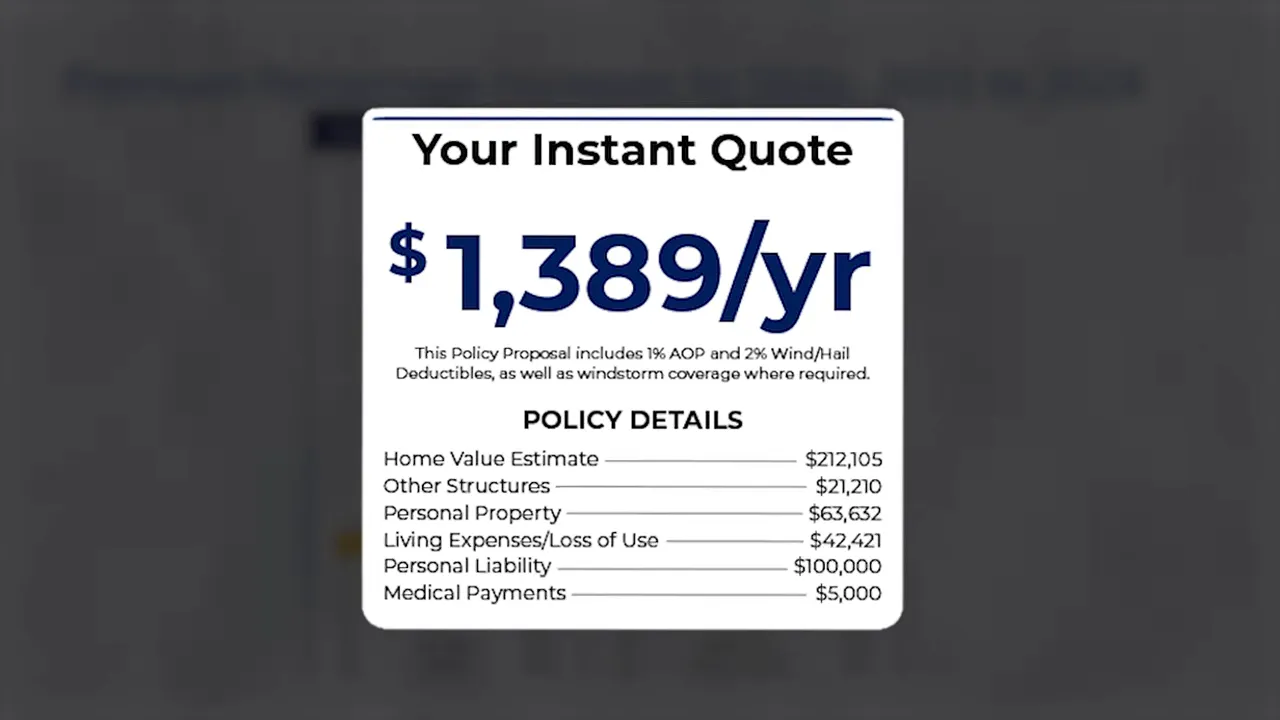
With Oregon insurance premiums trending higher, waiting until the end of the transaction is not a strategy. Request actual quotes as early as possible, especially for older homes, condos, waterfront properties, and homes with aging roofs, plumbing, or electrical systems.
3. Do An Escrow And Tax Deep Dive
Your escrow payment is a living number. Budget for taxes and insurance not just for the first month, but for the next three to five years. Pay extra attention to homes with major additions, finished basements, or other permitted work that could lead to reassessment.
You are not simply qualifying for a payment. You are choosing a payment you can live with.
4. Investigate The Middle Age Systems
When evaluating homes from the last 20 to 30 years, it is easy to focus on the fun projects: paint, carpet, fixtures, a kitchen sink, or a future remodel. Those items matter, but the bigger question is whether the house has expensive systems close to failure.
Before you make an offer, get clear on the roof, HVAC, water heater, structural condition, and likely immediate capital expenditures. There is a big difference between a home that needs a little TLC and one that needs a new roof, mechanical systems, and a major renovation budget right away.
Frequently Asked Questions
Why can Portland mortgage payments increase after closing?
Mortgage payments can rise when escrow projections fall short because of higher property taxes or insurance premiums. A tax reassessment after significant improvements may create an escrow shortage, and insurance costs can also change after an insurer evaluates the property.
Does Oregon Measure 50 guarantee property taxes will only rise 3%?
No. Measure 50 generally limits annual growth in maximum assessed value, but exceptions events can occur. Major additions, permitted improvements, and omitted property situations may trigger reassessment and a higher taxable value.
What should I check before buying an older Portland home?
Review the roof age, plumbing, electrical system, HVAC, water heater, and the condition of major structural components. For insurance purposes, older wiring such as knob-and-tube and aging roofs can be especially important.
Are condos in Portland always less expensive to own?
Not necessarily. Condos may have lower purchase prices, particularly in areas with more inventory, but association dues, insurance, and other carrying costs can vary substantially. Compare the full monthly cost, not just the sales price.
What is the most important advice for someone moving to Portland?
Use neighborhood-specific numbers and build a realistic ownership budget. Get insurance quotes early, investigate property taxes and permits, and evaluate the age of major systems before assuming a home is affordable simply because the purchase price fits the budget.
Portland offers beautiful neighborhoods, historic character, one-level homes, condos, new construction, and a huge range of lifestyles. The right home can absolutely be a smart move. Just make sure the decision is based on the complete picture: purchase price, insurance, property taxes, escrow, association costs, and the real condition of the house.
A surprise-free purchase starts with asking better questions before the contract is signed.
If you're thinking about buying a home in Portland, we'd be happy to help you compare neighborhoods, understand the true cost of ownership, and avoid expensive surprises. Reach out anytime at 503-804-1466- we're here to help you make a confident move.