Portland real estate is sitting at a real turning point. The gap between a smart purchase and a costly mistake feels wider than it has in years. Some homes are positioned to hold value, create flexibility, and quietly build wealth over time. Others look great at first glance, then surprise us with repair bills, bad location choices, or financial baggage that is hard to escape.
If we want to buy well in his market, we have to stop asking only, “What can we afford?” and start asking, “What is actually worth owning in Portland real estate right now?”
The answer is not one-size-fits-all, but there are clear patterns. In 2026, the best opportunities tend to fall into three buckets:
- Well maintained resale homes in established neighborhoods
- Smaller homes in prime walkable locations
- New construction only when the builder incentives are truly meaningful
And there are a few property types we need to approach very carefully, or skip altogether.
Table of Contents
- Introduction
- Best buy 1: Well maintained resale homes in established areas
- Best buy 2: Smaller homes in prime walkable neighborhoods
- Best buy 3: New construction with real builder incentives
- What to avoid: Bad flips that only look good online
- Why Portland condos can turn into a financial trap
- The big house bargain that isn’t really a bargain
- What the best Portland real estate purchases have in common
- FAQ: Portland Real Estate
Introduction
The biggest thing happening in Portland real estate is a split in the market. Not every home is moving the same way. Not every neighborhood is behaving the same way. And not every “deal” is really a deal.
That is why broad advice can get people in trouble. We need to be more specific than that. A good purchase in Tigard may look very different from a good purchase in the Pearl. A smart move in Lake Oswego may have almost nothing in common with a large home on the far edges of the metro.
In this kind of market, the homes that win are usually the ones with some combination of the following:
- Proven neighborhood demand
- Good long term location fundamentals
- Solid physical condition
- Reasonable carrying costs
- Multiple future exit strategies
That last point matters a lot. If we ever need to sell, rent, relocate, or downsize sooner than expected, the home should give us options instead of boxing us in.
Best buy 1: Well maintained resale homes in established areas
One of the smartest plays in Portland real estate for 2026 is a resale home in a proven neighborhood, especially in places like Tigard, West Linn, Lake Oswego, and parts of Beaverton.
There are a few reasons these homes stand out.
Motivated sellers are often easier to work with than builders
With resale, we are usually negotiating with actual people, not a national company trying to defend quarterly margins. A family relocating for work, moving closer to relatives, or downsizing often has a real reason to make a deal happen. That can translate into more flexibility on price, repairs, timelines, and terms.
In Portland real estate, that human factor matters more than people think.
Established homes can carry lower property taxes
Oregon’s Measure 50 is a major piece of this conversation. Because assessed values on established homes are limited in how fast they can rise, older resale homes often have significantly lower tax bills than newer builds that are being assessed at full market value for the first time.
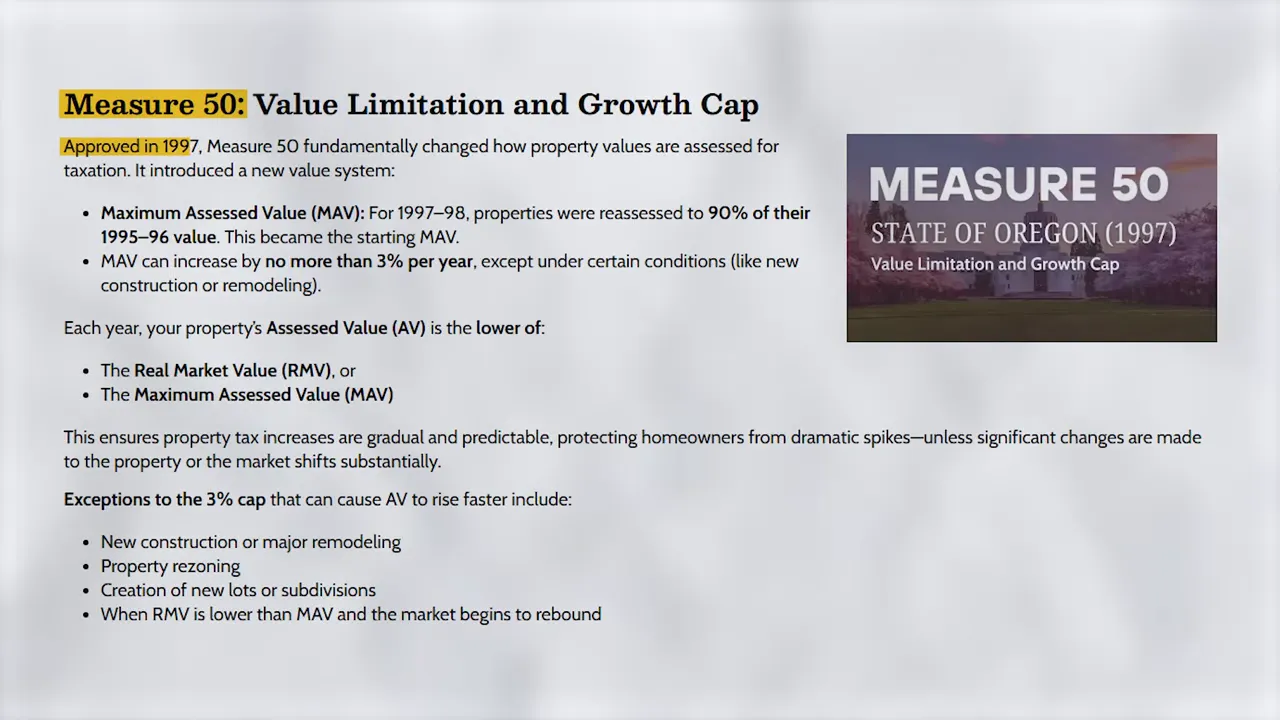
That is where many buyers get blindsided by new construction. The payment may look manageable at first, then the taxes settle and the monthly cost jumps more than expected.
These neighborhoods already proved themselves
When we buy in an established pocket, we are stepping into a market with a track record. We can study the comps. We can see how values held up. We can evaluate the amenities that are already there instead of hoping they arrive later.
That often means:
- Mature trees and landscaping
- Known schools and parks
- More stable neighborhood identity
- Predictable resale patterns
The key here is that we are not talking about fixer uppers. The sweet spot is a home that has been cared for. Roof still has life. Systems are in decent shape. Maintenance has not been deferred for years. Updates may not be flashy, but the home has good bones and fewer ugly surprises.
Best buy 2: Smaller homes in prime walkable neighborhoods
If we want one of the most resilient assets in Portland real estate, it is hard to beat a smaller home in an excellent location.
That could be:
- A two or three bedroom home
- A townhome
- A smaller detached house on a high value lot
What matters is the location. Areas like Multnomah Village, Sellwood-Moreland, and even premium spots such as First Addition in Lake Oswego keep showing the same pattern. Buyers will accept less square footage for better walkability and neighborhood quality.
Why does this matter so much?
Location is the one thing we cannot fix later
We can remodel a kitchen. We can repaint a house. We can change flooring, light fixtures, and landscaping. But we cannot move the property closer to coffee shops, parks, restaurants, or the main commercial district.
In Portland real estate, walkability is not some bonus feature. In many neighborhoods it is part of the lifestyle people are specifically paying for.
These homes tend to hold value better
Yes, the price per square foot may be higher. That is normal. But demand in these neighborhoods stays strong because the supply is usually tight and the appeal is broad. Future buyers want them. Renters want them. And in softer markets, they often move sooner than more car-dependent alternatives.
That gives us something important: an exit strategy.
If life changes and we need to rent instead of sell, a walkable home in a desirable area is often easier to position. If we sell in a cooling market, the location helps cushion the landing.
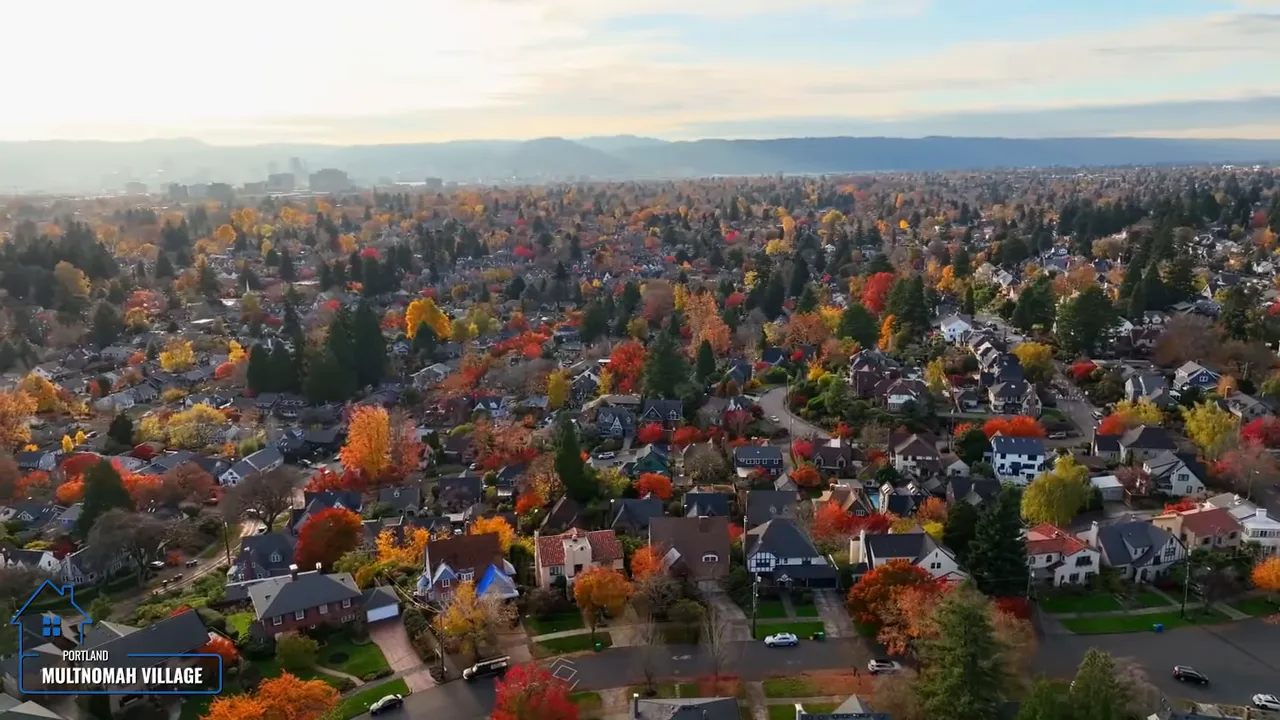
This is one of the most important mindset shifts in Portland real estate right now: better location can beat bigger house.
Best buy 3: New construction with real builder incentives
New construction is not automatically the best option, but it is more interesting now than it was when builders had all the leverage.
During the frenzy years, many builders could raise prices constantly and still move homes. That is not the mood today. In many parts of Portland real estate, builders need inventory to move. And when they need movement, incentives can get aggressive.
That does not mean every new build is a great purchase. It means we need to target the right version of the deal.
The smart play is usually an inventory home
The strongest opportunities tend to be completed or near-completed spec homes where the builder wants that home off the books. That is where we may see incentives that actually change the monthly payment or reduce the total cash needed to close.
The incentives worth paying attention to include:
- Temporary or permanent rate buydowns
- Closing cost credits
- Included design upgrades
- Packages that would normally cost extra
We are not talking about token perks. We want the kind of concessions that materially affect affordability.
Builder quality matters a lot
Not all builders operate the same. Some have strong reputations, better warranty follow through, and more consistent quality control. Others create headaches after closing. In Portland real estate, the builder is part of the product.
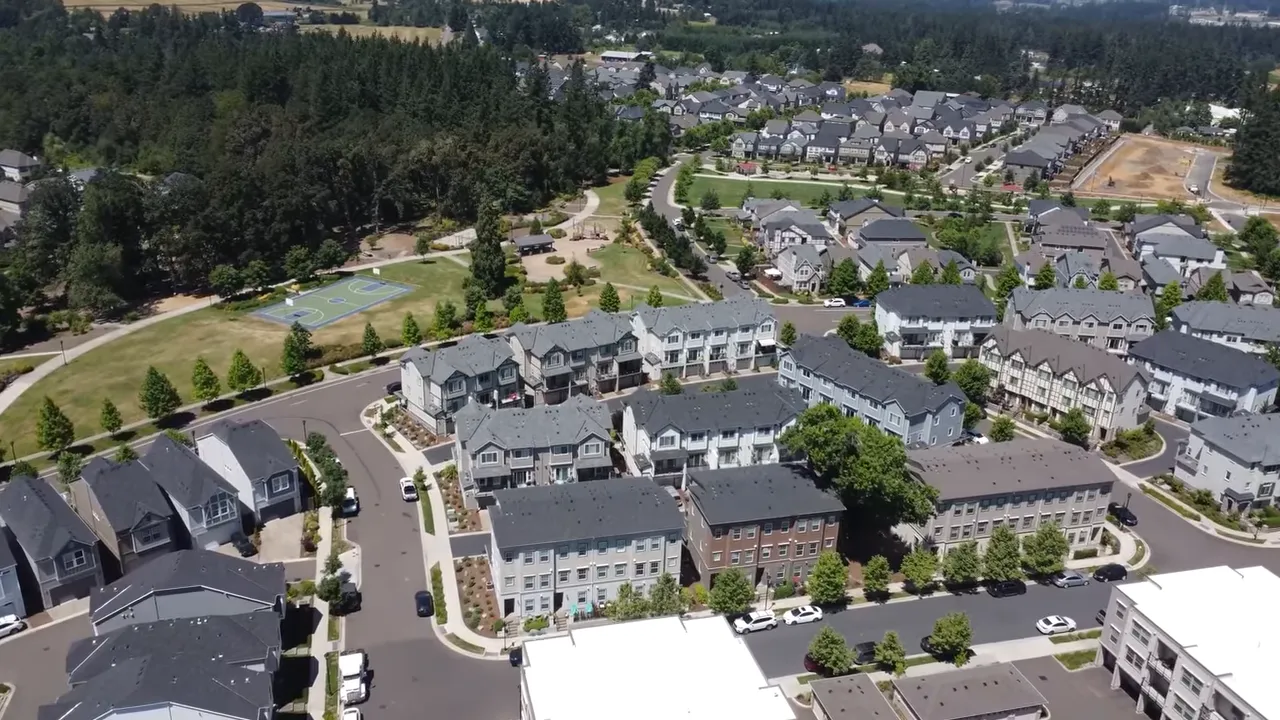
That is why chasing the lowest sticker price can backfire. A cheaper new home with warranty issues and poor support is not necessarily a bargain.
Watch the taxes
Even when the incentive package is good, we still need to factor in the possibility of a much higher tax bill than comparable resale homes. That tax difference can erase part of the deal if we are not careful.
So yes, new construction can be a smart move in Portland real estate in 2026, but only if the builder, the specific home, and the incentive package all line up.
What to avoid: Bad flips that only look good online
Some flipped homes are done beautifully. There are local renovators who pull permits, upgrade the right systems, and genuinely restore older homes with care.
But the dangerous flips are the ones that spend money on appearance and skip the expensive stuff nobody sees in the listing photos.
That is the classic lipstick-on-a-pig flip.
These homes often present well online. Good staging. Fresh paint. Trendy finishes. Sharp photography. But when we walk through in person, the warning signs show up fast.
Common clues include:
- Uneven flooring because subfloors were not properly corrected
- Painted-over water stains
- Inconsistent finish work
- Signs that electrical, plumbing, or foundation issues were only partially addressed
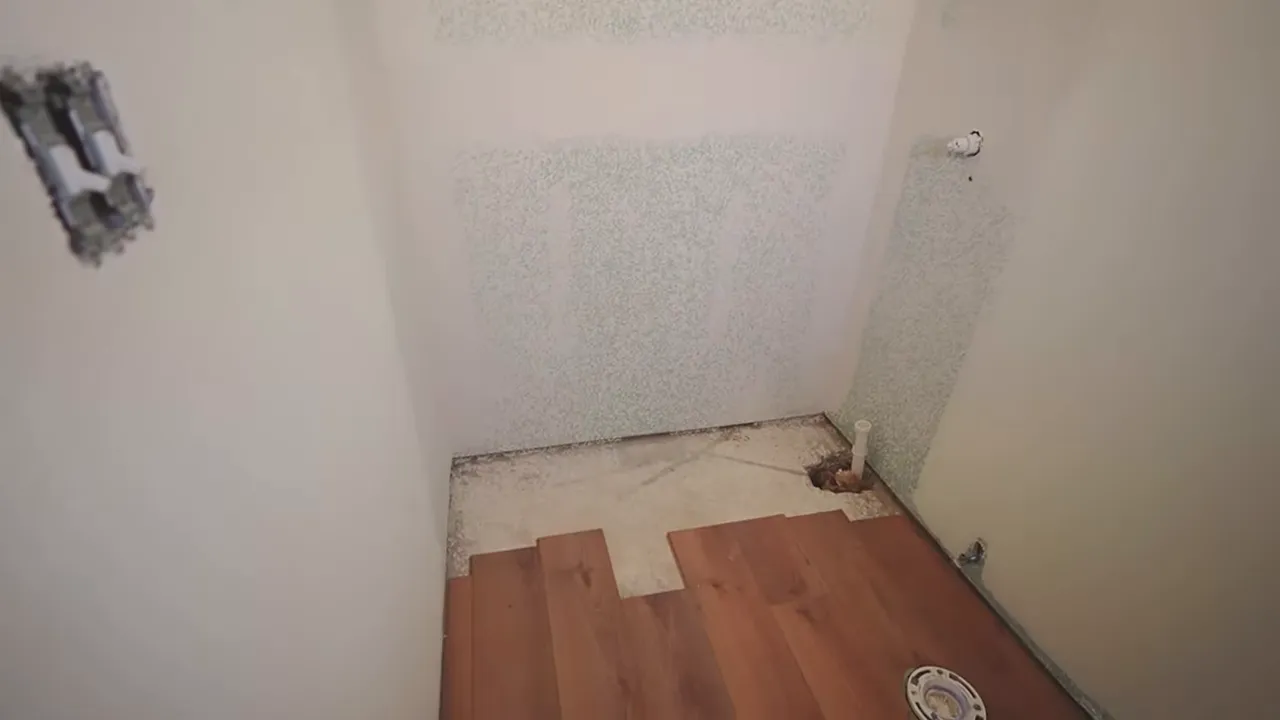
This is where Portland real estate can get expensive in a hurry. A polished kitchen island is nice. It is not so nice if the basement moisture issue, old wiring, or structural problem shows up a few months later.
The lesson is simple: do not confuse style with quality.
Why Portland condos can turn into a financial trap
Condos are probably the most tempting product type in Portland real estate for a lot of buyers. The Pearl District and South Waterfront can look fantastic on paper. Big windows. Concierge services. Lock and leave convenience. No yard work. No roof to maintain personally.
That can absolutely fit the right lifestyle. But we have to underwrite the building, not just the unit.
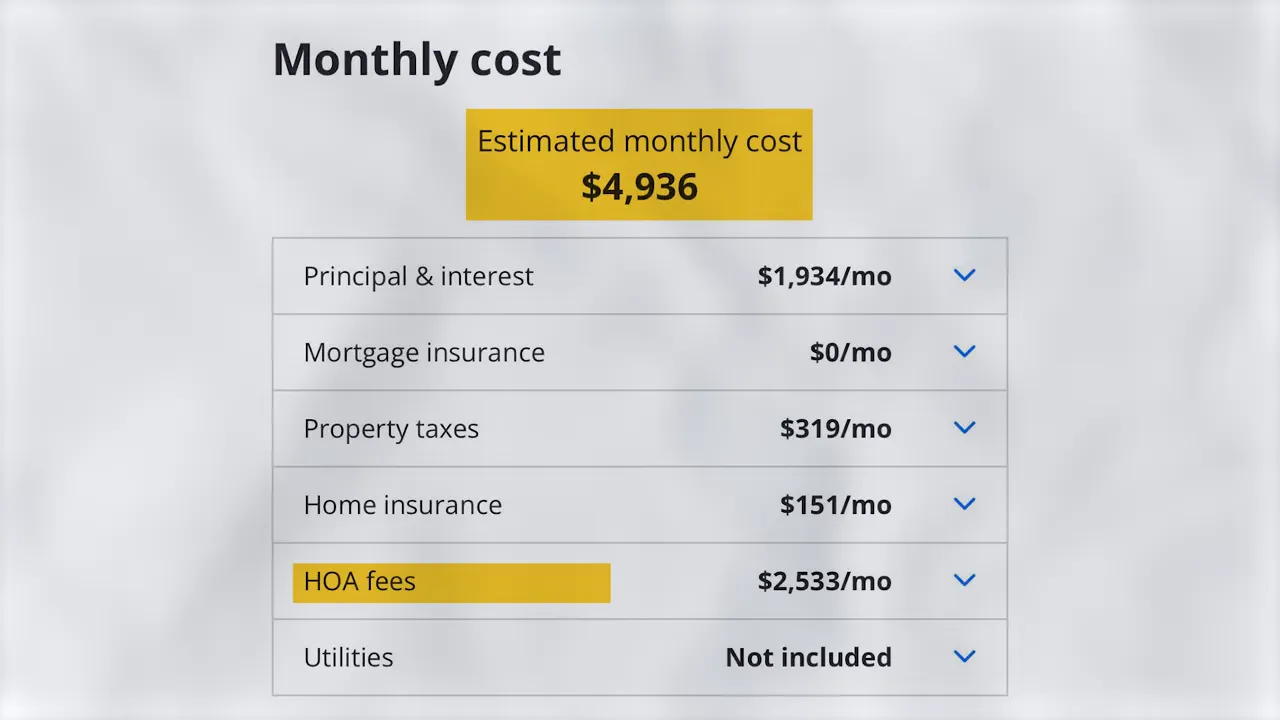
HOA dues are climbing fast
One of the biggest mistakes buyers make in Portland real estate is focusing on the mortgage payment and ignoring the homeowners association dues.
Those fees have been rising sharply, and in some buildings they are now substantial enough to feel like a second housing payment. Once dues get high enough, they also hurt future resale because the next buyer has to qualify for the total monthly carry, not just the loan.
Special assessments are the real monster
Many Portland condo buildings from the late 1990s and early 2000s are now at the age where major systems start failing or needing large capital work. Think windows, siding, exterior sealing, elevators, and structural repairs.
If reserves are weak, owners may get hit with a special assessment. That is not a nuisance fee. It can be a huge bill.
And once a building is known for looming assessments or poor financial health, selling becomes much harder.
A condo is a shared business decision
When we buy a condo in Portland real estate, we are not just buying a home. We are joining a financial partnership with everyone else in that building. That means the reserve study, budget, maintenance history, and HOA governance matter just as much as the finishes inside the unit.
A condo can still be a good choice. It just needs far more document review than many buyers expect.
The big house bargain that isn’t really a bargain
Another trap in Portland real estate is the oversized home in a weaker location.
On paper, it can look irresistible. Five bedrooms. Huge square footage. Big lot. Maybe the same price as a much smaller home in a stronger neighborhood. That feels like more for the money.
But often, it is not more value. It is just more house.
The buyer pool is much smaller
Massive homes in less desirable zip codes often appeal to a narrow slice of the market. When it is time to sell, demand can be thin. And thin demand is exactly what we do not want if job plans change, family plans shift, or we simply need out sooner than expected.
Big homes create big expenses
The operating costs of a very large house in Oregon are no joke. Heating alone can be painful in winter. Then add insurance, roof replacement, exterior paint, flooring, and general upkeep. Most of those expenses scale with size.
Today’s buyers often want efficiency over excess
The giant family house that felt aspirational decades ago is not always where modern demand is strongest. Many buyers are looking for a practical three or four bedroom home, not a six bedroom property with a long commute and lots of unused space.

That is why the giant bargain can become a heavy asset. It costs more to run, offers fewer resale options, and may not match where future demand is headed in Portland real estate.
What the best Portland real estate purchases have in common
If we pull all of this together, the strongest Portland real estate buys in 2026 usually share a few traits:
- They are in proven locations. Demand is already established.
- They are physically sound. Not flashy, but well cared for.
- They offer flexibility. Easier to sell or rent later.
- They keep monthly costs under control. Taxes, dues, and maintenance matter.
- They match real buyer demand. Not yesterday’s dream, but today’s market.
That is the lens we should use for Portland real estate right now. Not hype. Not square footage alone. Not whatever looks best online. Just a smart, durable purchase that still makes sense years from now.
If you want me to sanity-check specific listings (and tell you what’s “worth it” vs. what looks good but can cost you later), reach out today. Call or text 503-804-1466 and I’ll help you map the best options for your timeline and budget.
Prefer a more structured start? Book a buyer consultation and we’ll review neighborhoods, taxes/HOAs, and the exact deal details before you fall in love with the wrong house.
FAQ: Portland Real Estate
What is the safest type of home to buy in Portland real estate in 2026?
Generally, a well maintained resale home in an established neighborhood is one of the safest bets. It often offers more predictable value, lower tax risk than new construction, and better resale history.
Are smaller homes in Portland better investments than larger homes?
Often yes, especially when the smaller home is in a prime walkable neighborhood. In Portland real estate, location tends to outperform extra square footage when it comes to resilience and long term demand.
Is new construction a good idea in Portland real estate right now?
It can be, but only when the builder is reputable and the incentives are substantial. Rate buydowns, closing cost help, and included upgrades can make a meaningful difference. We also need to account for potentially higher property taxes.
Why are condos risky in Portland real estate?
The main issues are rising HOA dues and the possibility of large special assessments. A condo purchase requires careful review of reserves, maintenance history, and the building’s overall financial condition.
How can we spot a bad flip?
Look past the cosmetics. Uneven floors, signs of painted-over damage, sloppy finishes, and incomplete system upgrades are common clues. In Portland real estate, some of the most expensive mistakes are hidden behind fresh finishes.
What should we avoid even if it looks like a bargain?
Oversized homes in weaker locations can be deceptively costly. They often come with higher utility and maintenance bills, smaller resale demand, and less flexibility if plans change.
Read More: Why Portland Is The Opposite Of Every Other U.S. City